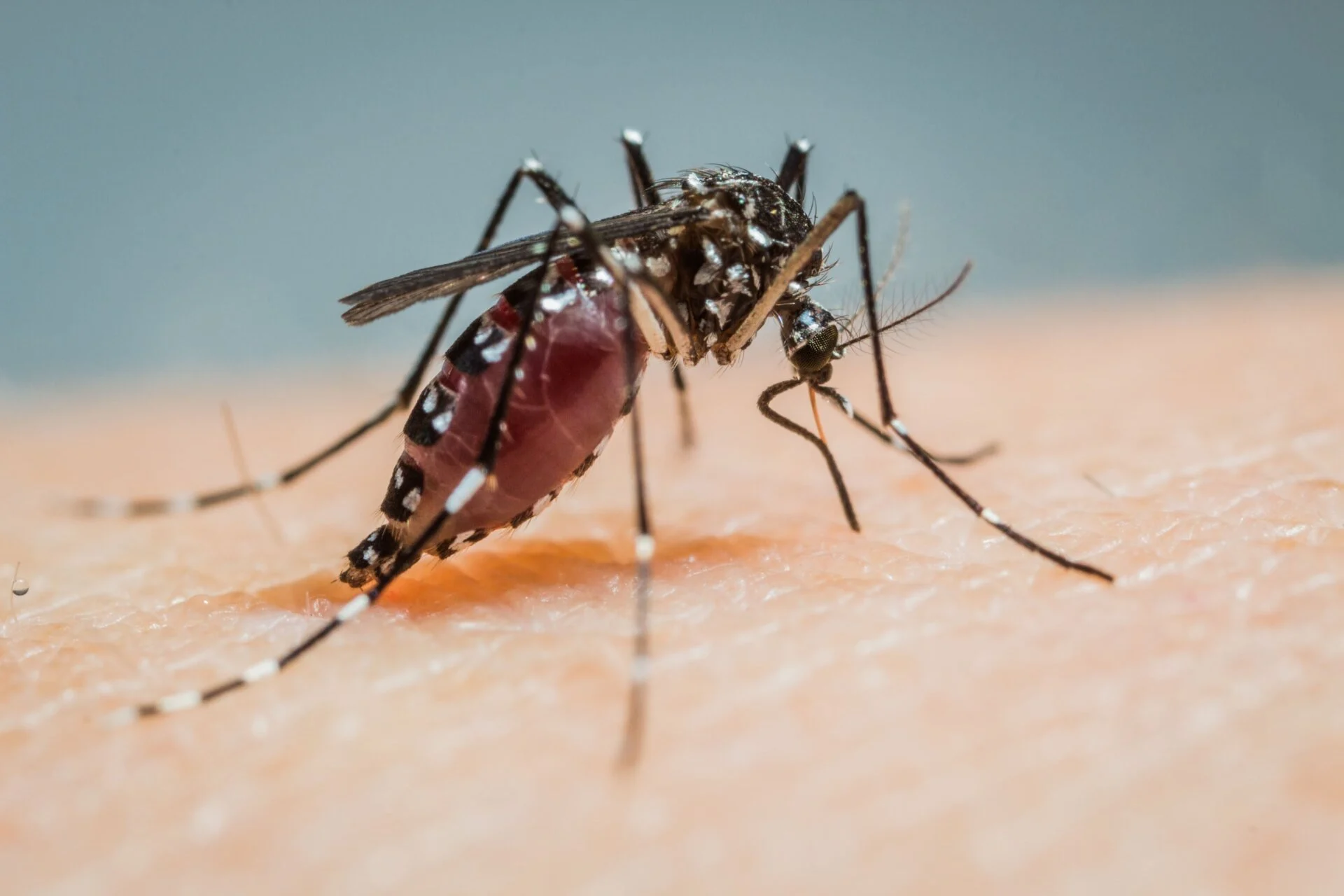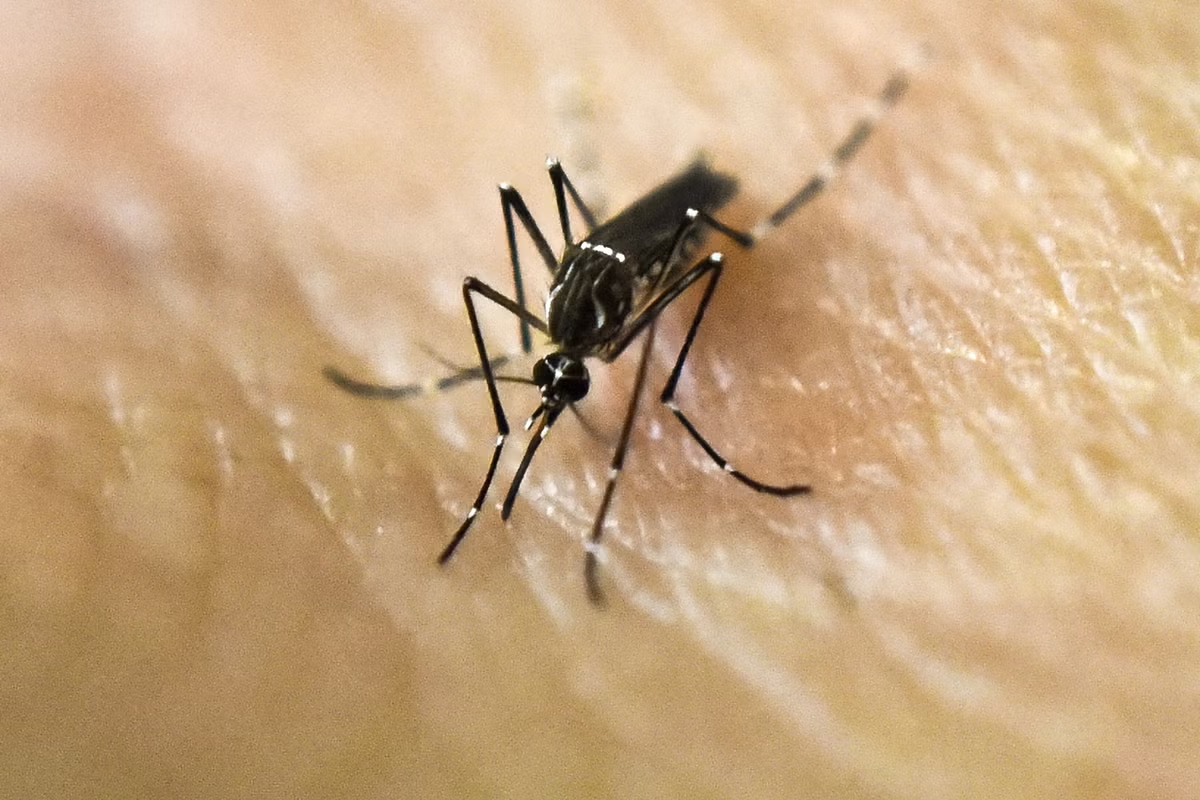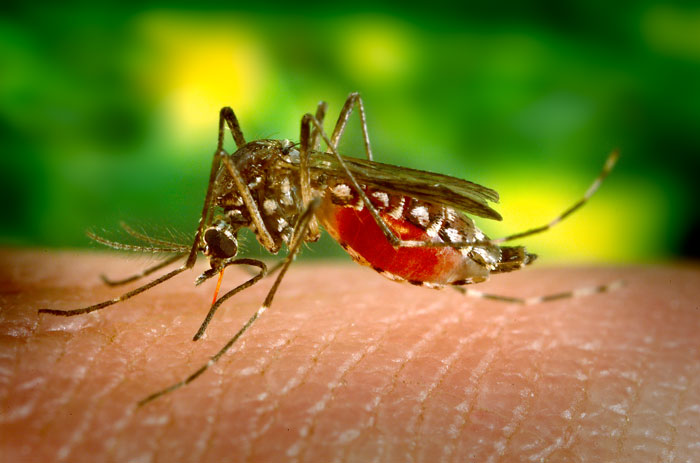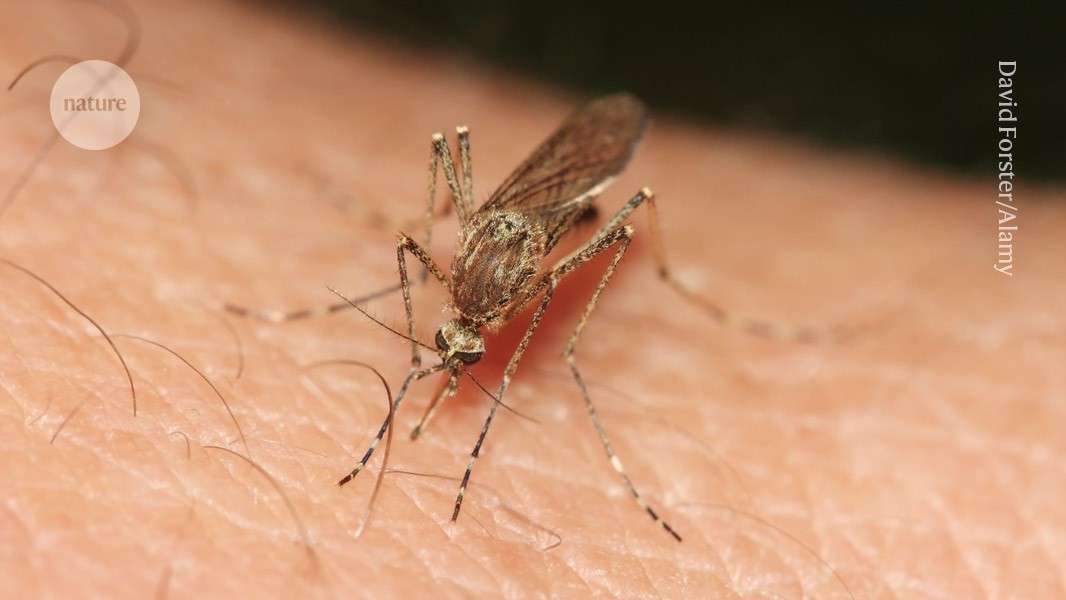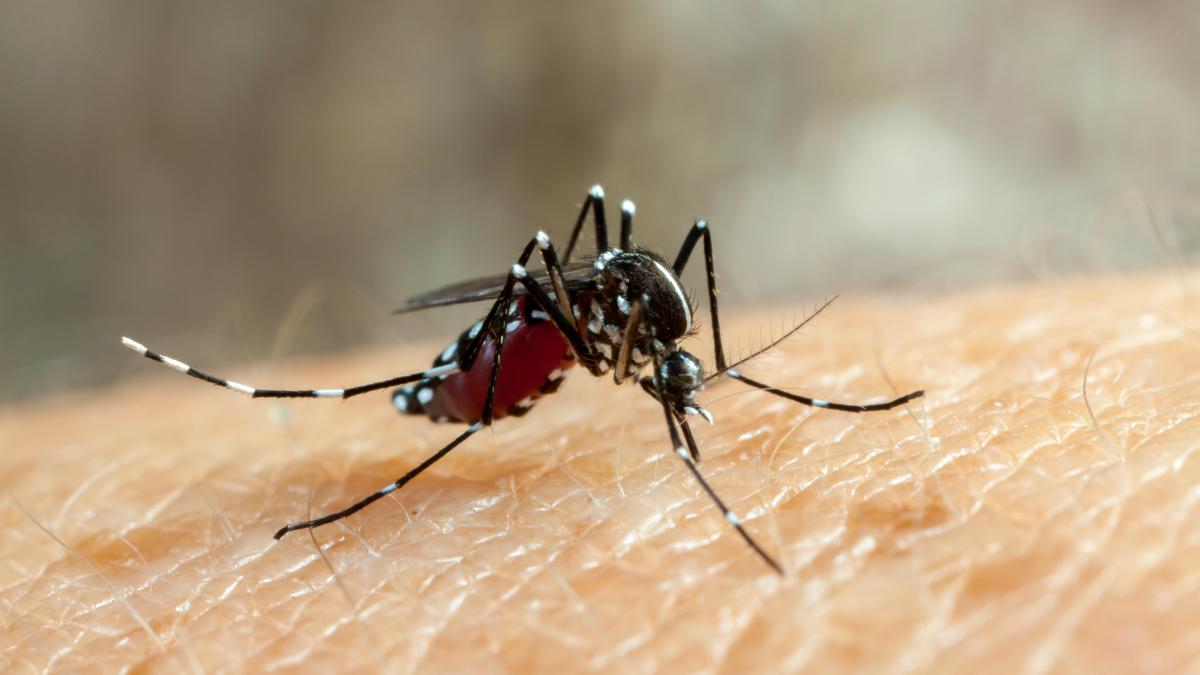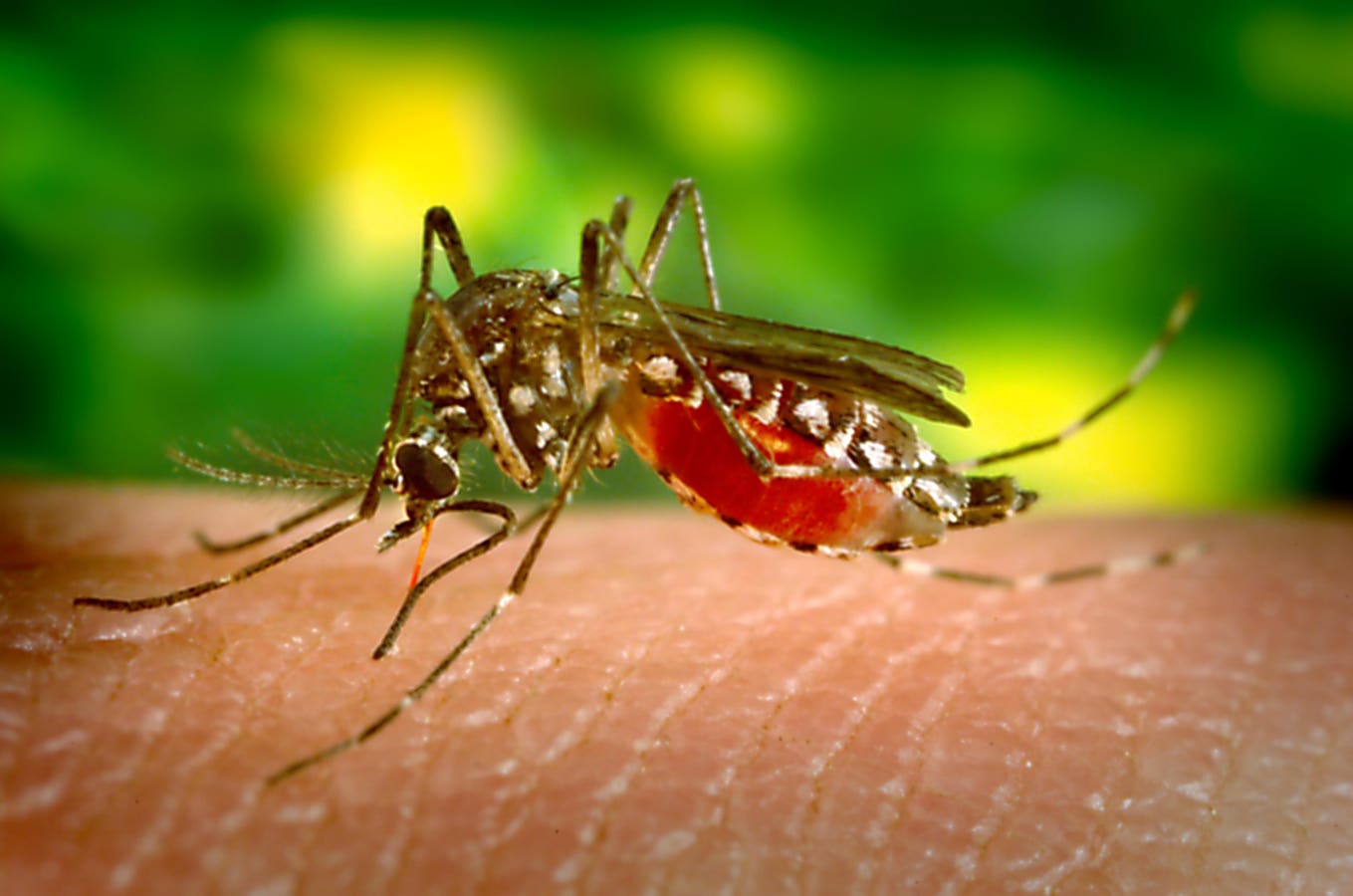
Female Aedes aegypti mosquito, a carrier of the Dengue fever, feeding on the human skin, 2005. Image courtesy Centers for Disease Control (CDC) / James Gathany. (Photo by Smith Collection/Gado/Getty Images)
... More
For the past century, most mosquito-borne diseases like dengue, malaria and yellow fever have been considered problems of the tropics, not the continental United States. That is starting to change. Florida began dealing with locally acquired dengue over a decade ago. Malaria cases acquired in Texas and Florida made headlines in 2023. And now a new paper in the CDC journal Emerging Infectious Diseases documents what may be the most telling example in a seven-week chain of sustained dengue transmission in Los Angeles County.
Fourteen people contracted dengue in LA County in the fall of 2024. Eight of them clustered within a mile of each other in the San Gabriel Valley. The other six were scattered across five neighborhoods more than 20 miles apart, each possibly a separate introduction from a returning traveler.
Much of the southern United States sits at the environmental margin for vector-borne disease transmission. The mosquitoes are present. The climate is warm enough for part of the year. Infected travelers arrive regularly. What has kept dengue from establishing is that conditions have been just barely insufficient to sustain local chains. The LA outbreak shows what happens when “just barely insufficient” tips the other way, even briefly.