Disease outbreaks from South America to Europe have been worsened by rising global temperatures, experts say
Surging cases of yellow fever and dengue in South America highlight the growing assault on people’s health from the climate crisis, with infectious diseases spread by mosquitoes and deadly heat also now pushing into temperate regions such as Europe, experts have warned at the Cop30 climate summit.
There have been 356 cases of yellow fever in South America and 152 deaths so far this year, largely in the Amazon region, according to Pan American Health Organization figures. Apart from a large spike in 2017 and 2018, this is the largest number of yellow fever cases for any year in the continent, bar one, since 1960.
The current wave of yellow fever, which can cause fever, nausea and even organ failure, comes on the back of one of Brazil’s worst ever years for dengue. In 2024, nearly 6.5m cases of dengue and about 5,000 deaths were reported in Brazil. Last year was also a startling record year for dengue in Europe, with 304 reported cases – more than the 275 cases reported in the previous 15 years combined.
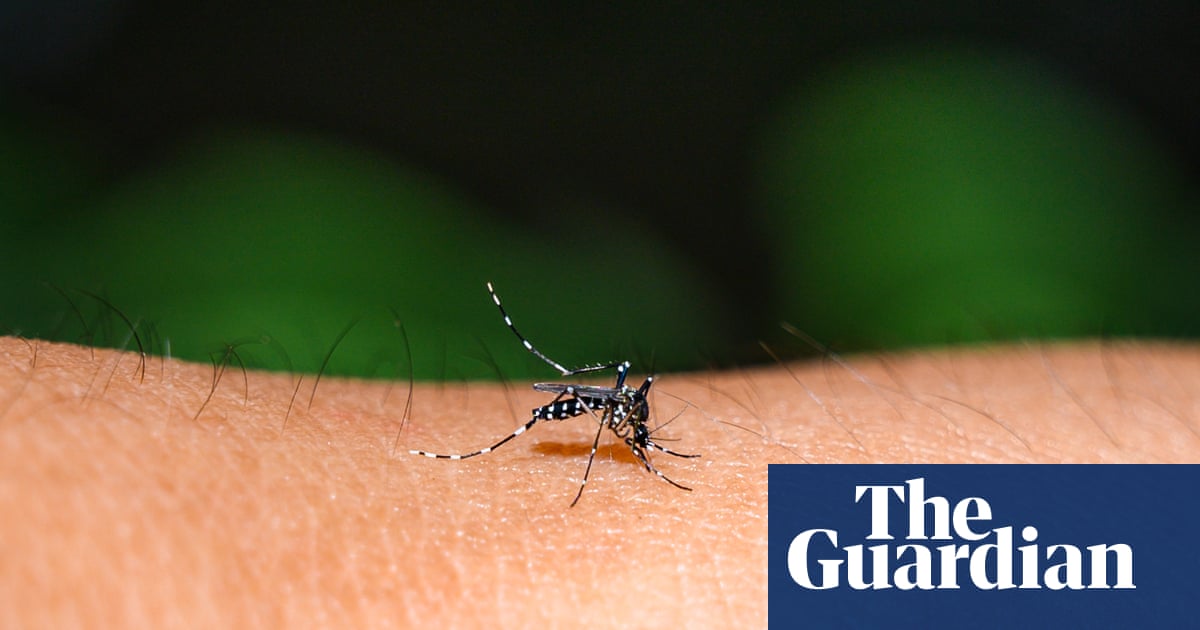
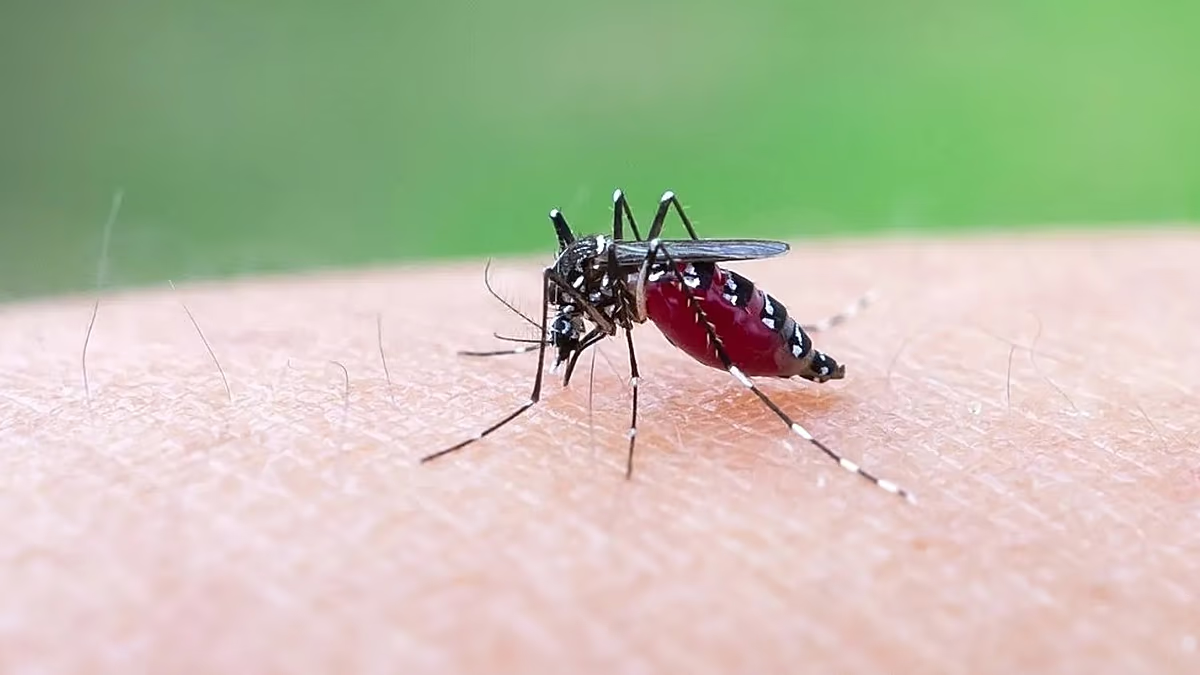
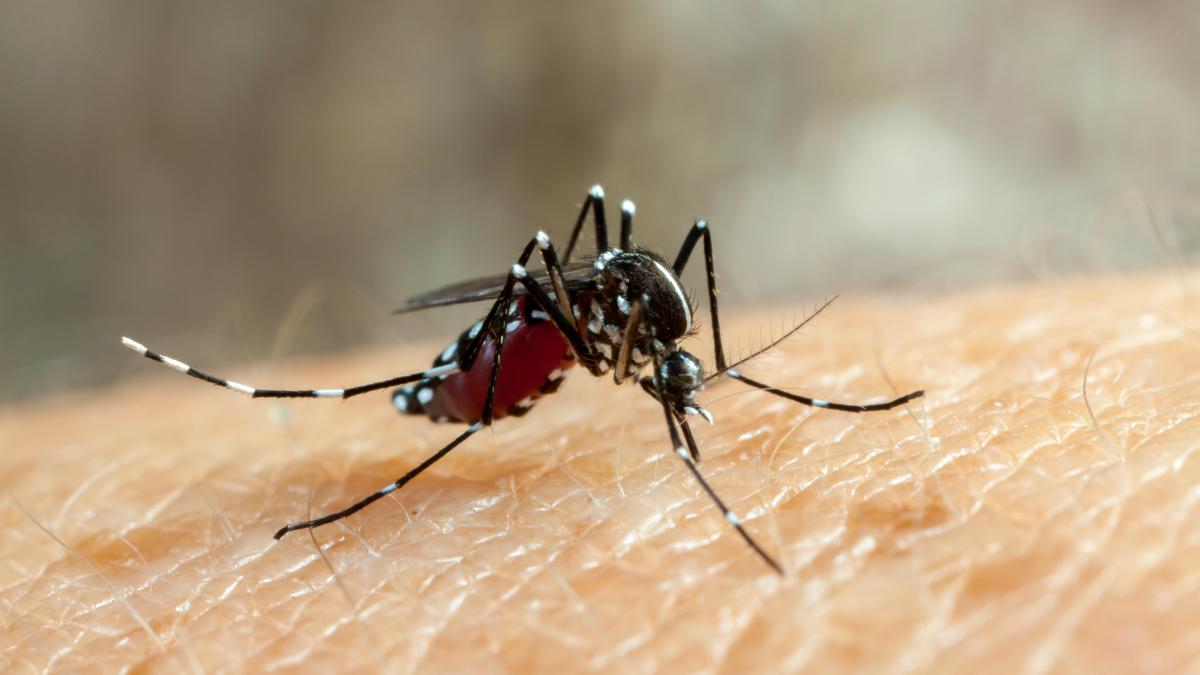
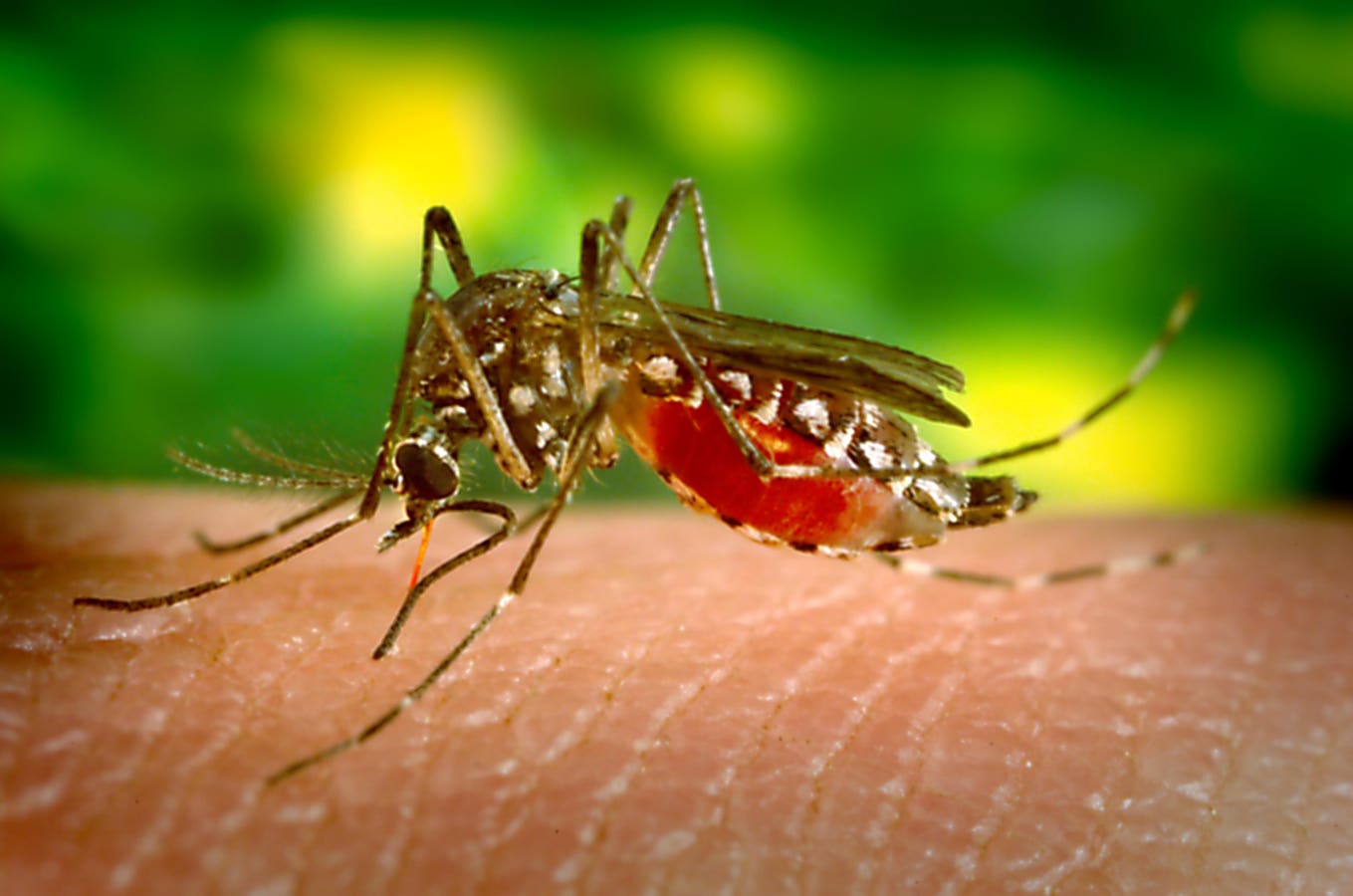
Both yellow fever and dengue are transmitted by the Aedes species of mosquito, which thrive in warm conditions and stagnant water. The climate crisis, which is raising global temperatures and causing more ferocious rainfall, is aggravating around half of known human pathogenic diseases, scientists have determined, as disease-carrying mosquitoes expand their range across a rapidly heating world.