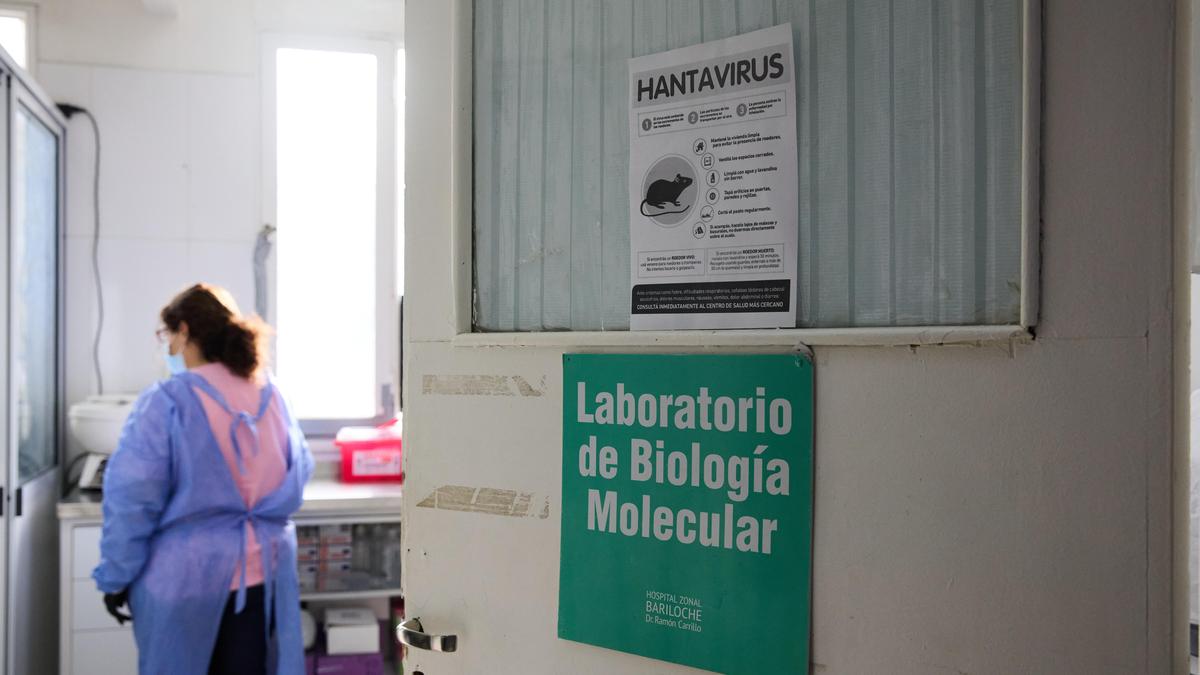
May 7 (UPI) -- A sustained increase in hantavirus infections in Argentina and a sharp rise in fatal cases in Chile this year have raised concerns among health authorities, who link the situation to climate change and the transmission capacity of the Andes strain of the virus.
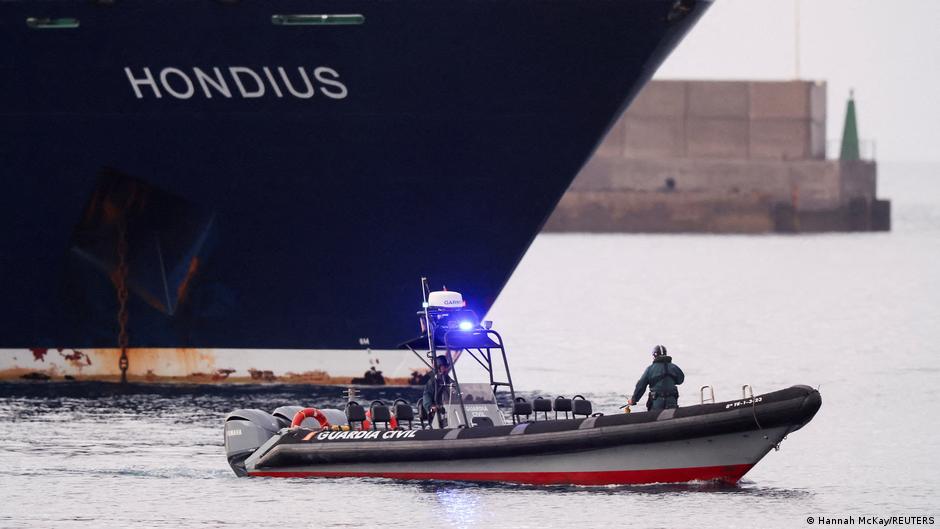
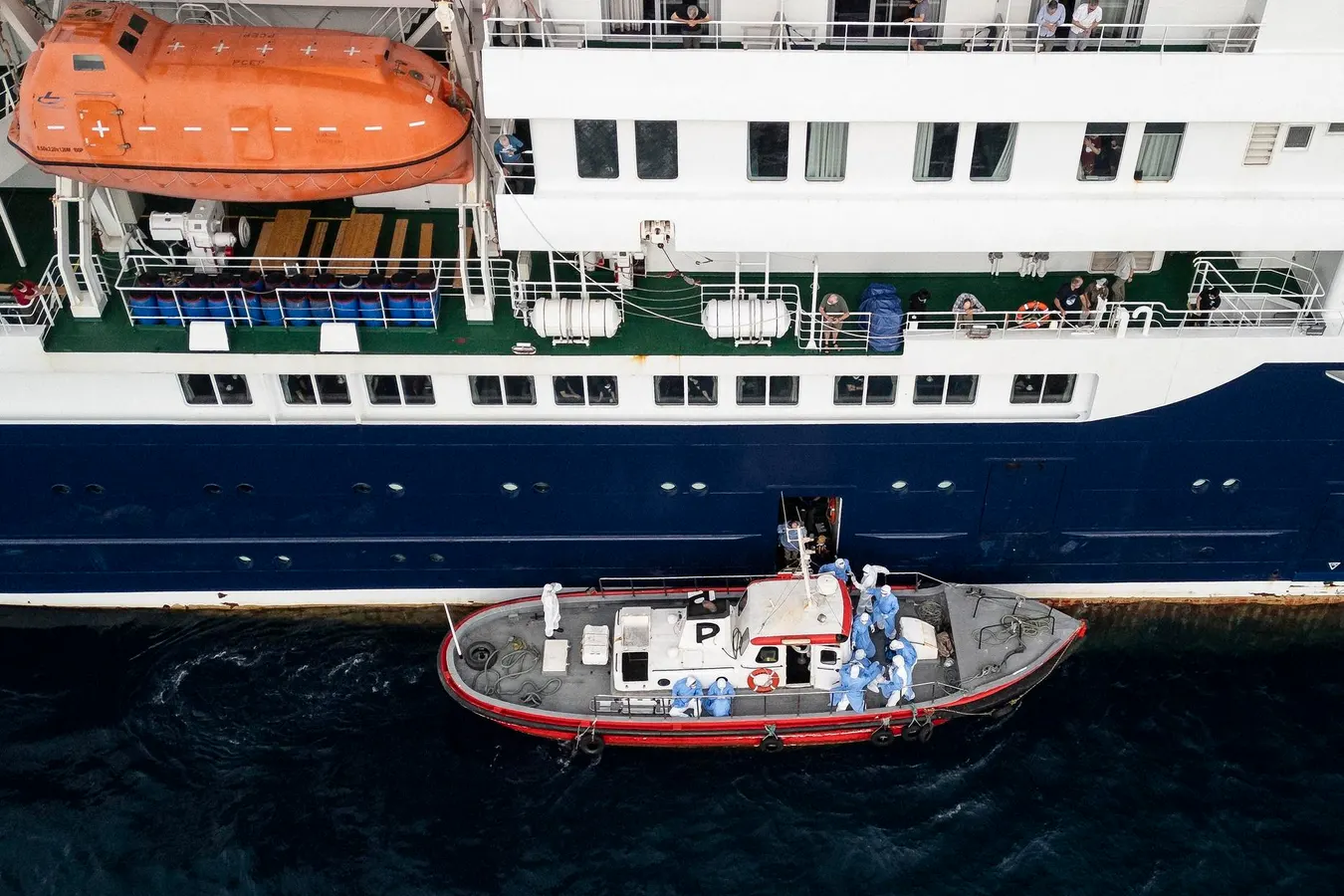
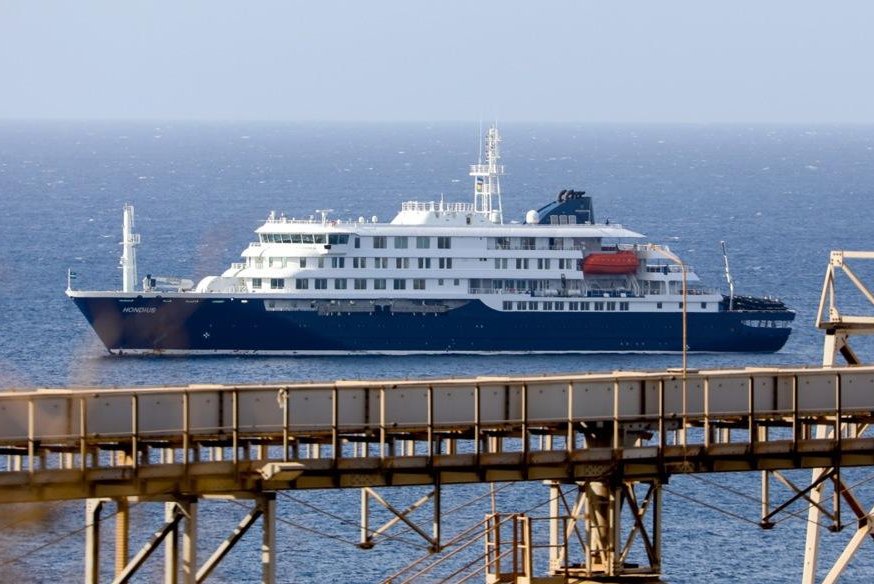
What began as a seasonal concern in rural areas of South America's Southern Cone has evolved into an international health alert after an outbreak detected aboard the expedition cruise ship MV Hondius.
The vessel, which departed from Ushuaia, Argentina, in March on a voyage toward the Arctic, has become a symbol of the risks associated with the Andes strain, the only hantavirus variant known to spread between humans through close contact, according to the World Health Organization.
WHO Director-General Tedros Adhanom Ghebreyesus said Thursday that five confirmed hantavirus cases and three suspected cases linked to the cruise have been identified. Three of the infected passengers have died, while one remains in intensive care in Johannesburg, South Africa, and another is hospitalized in Switzerland, Spanish newspaper El País reported.
So far in 2026, Chile has confirmed 39 hantavirus cases through May, with a fatality rate of 33%. The figures surpass 2025 totals, when Chile recorded 44 cases and eight deaths during the entire year. Most of the infected patients are men involved in rural and forestry activities, according to Chile's Health Ministry.