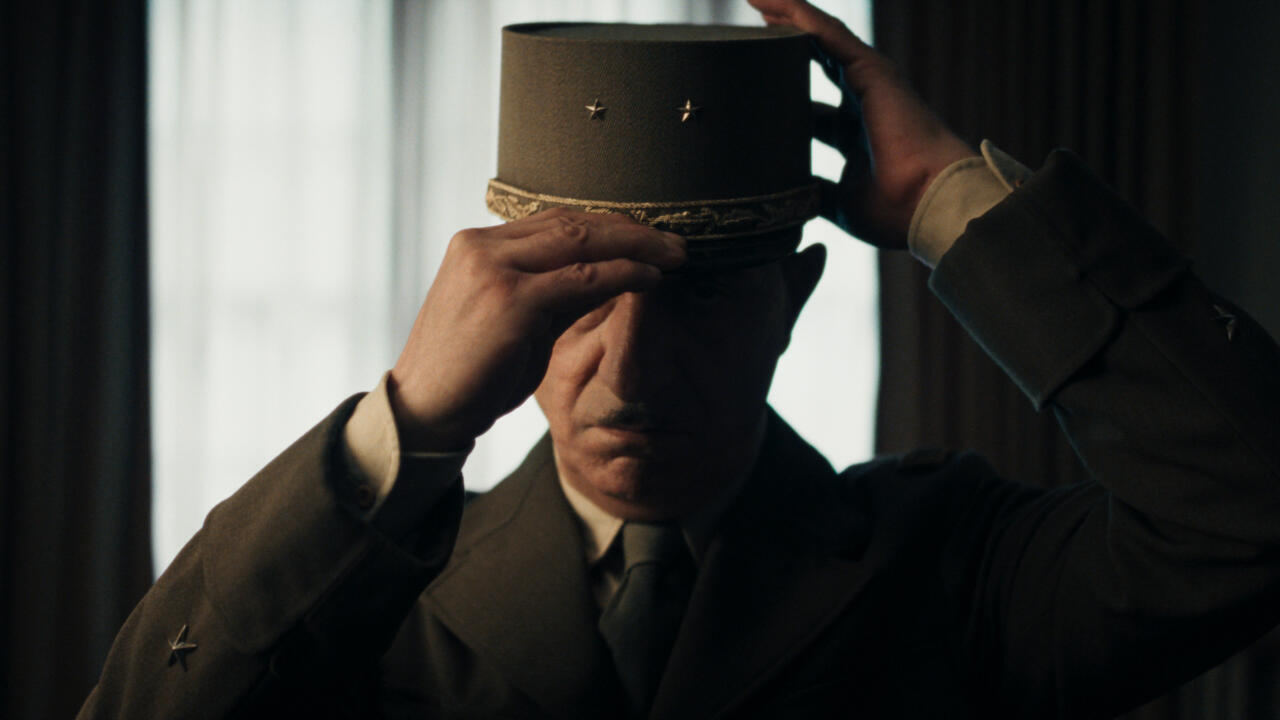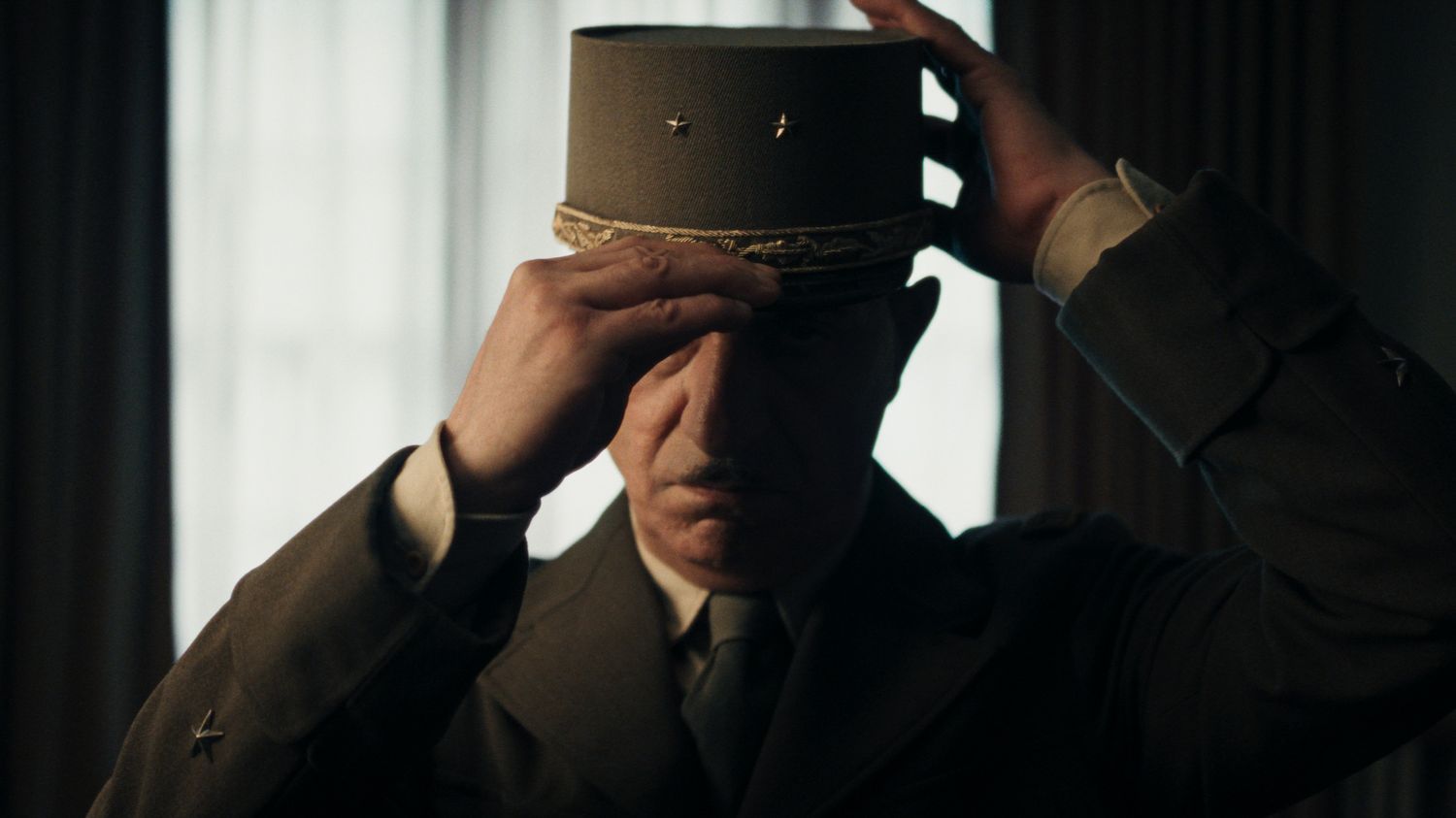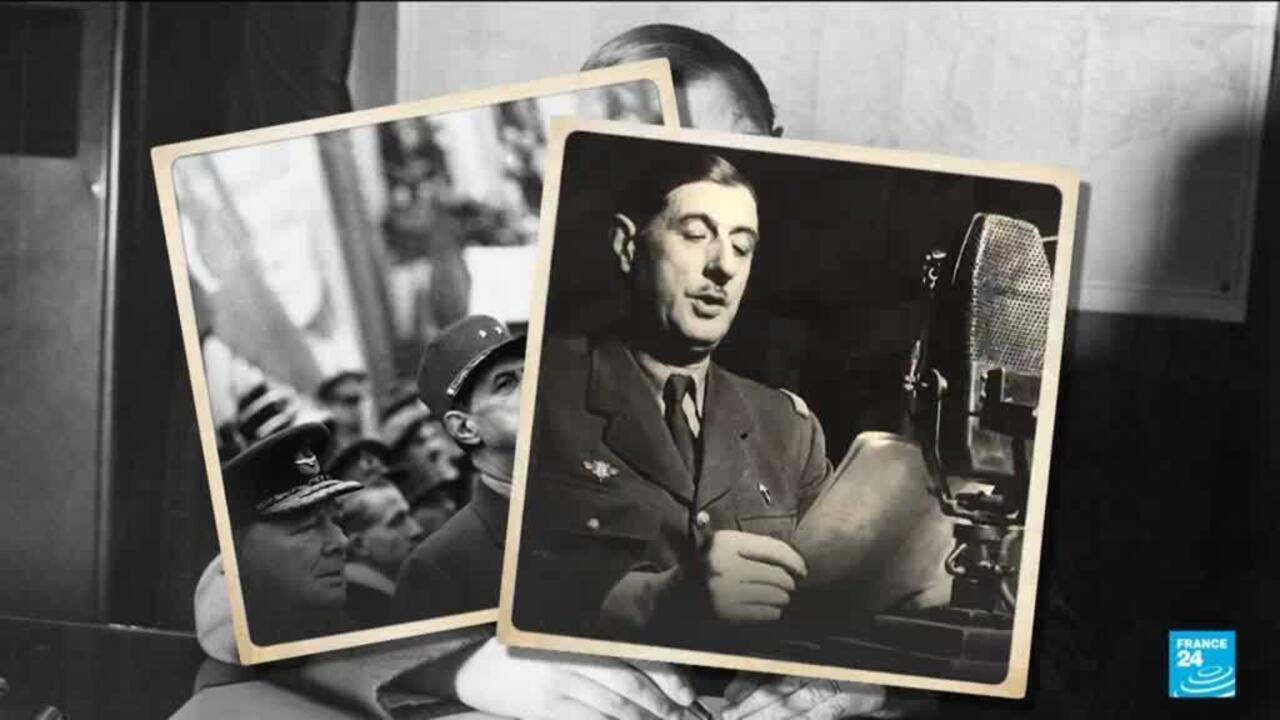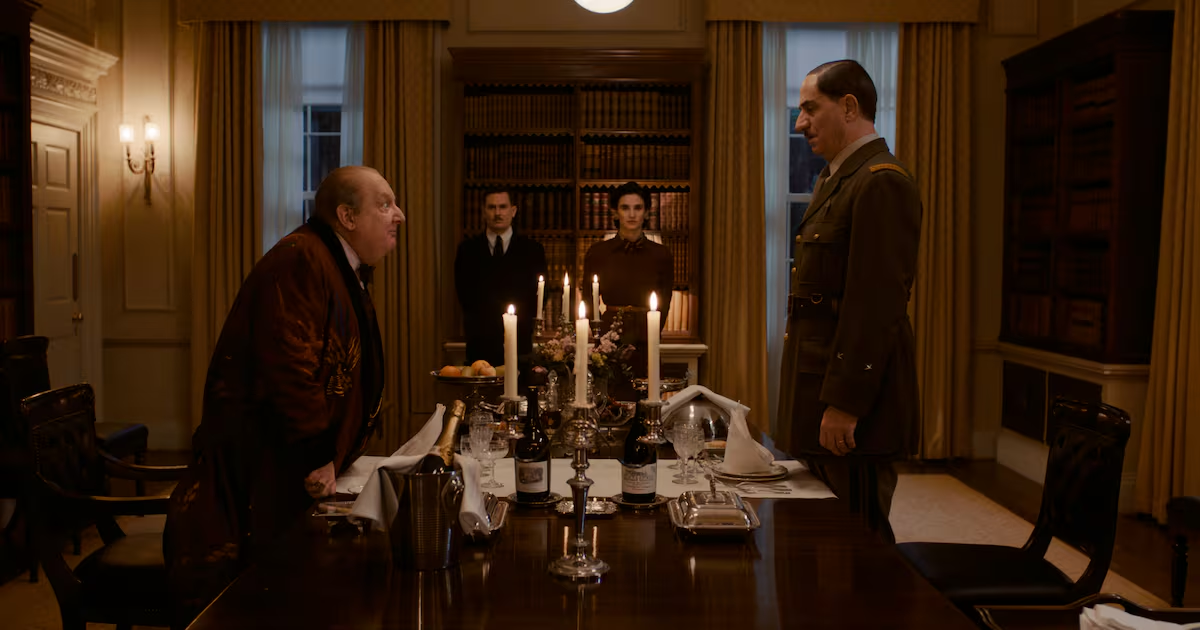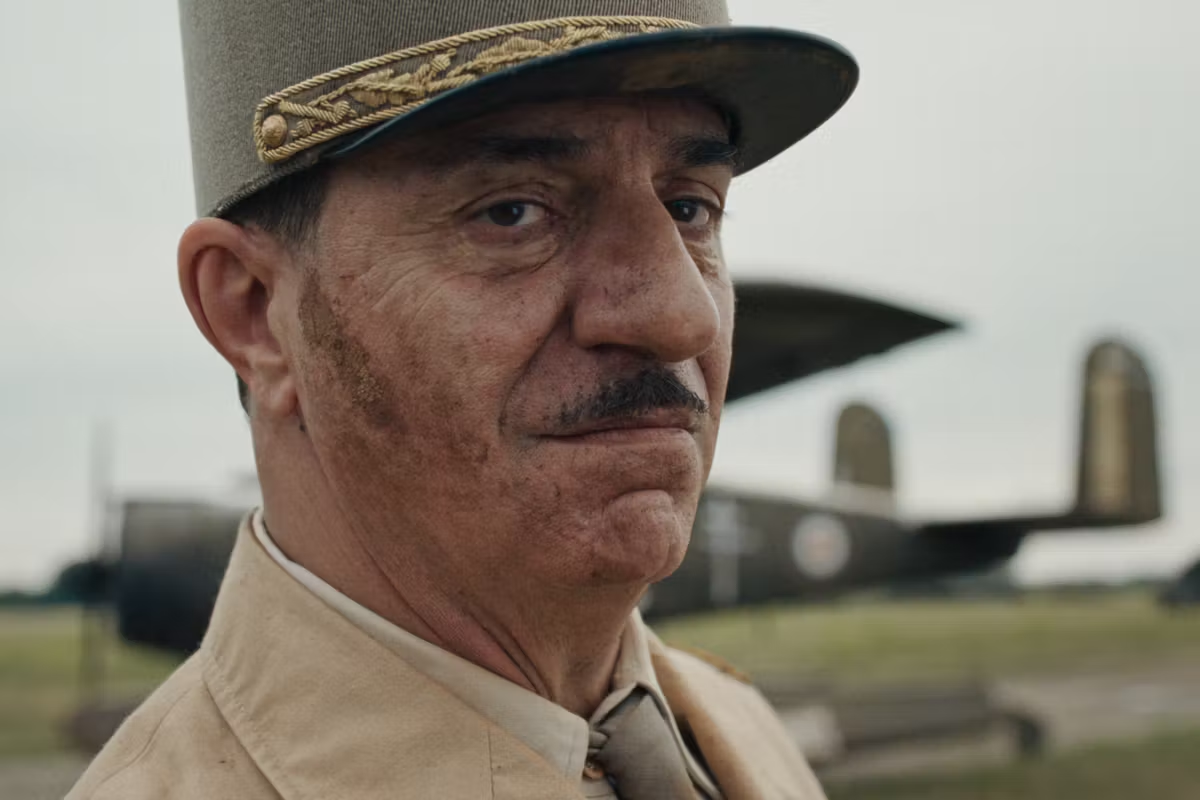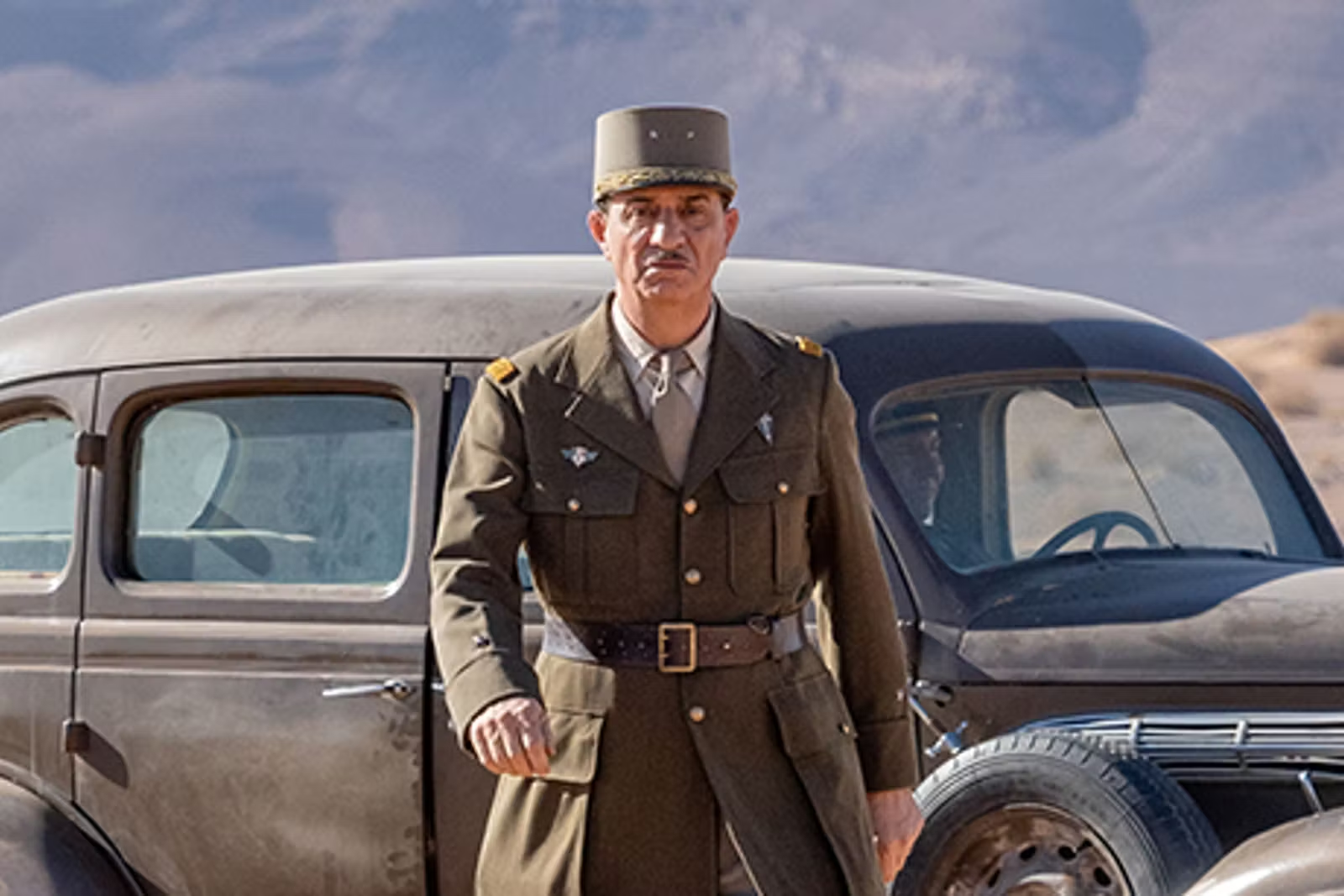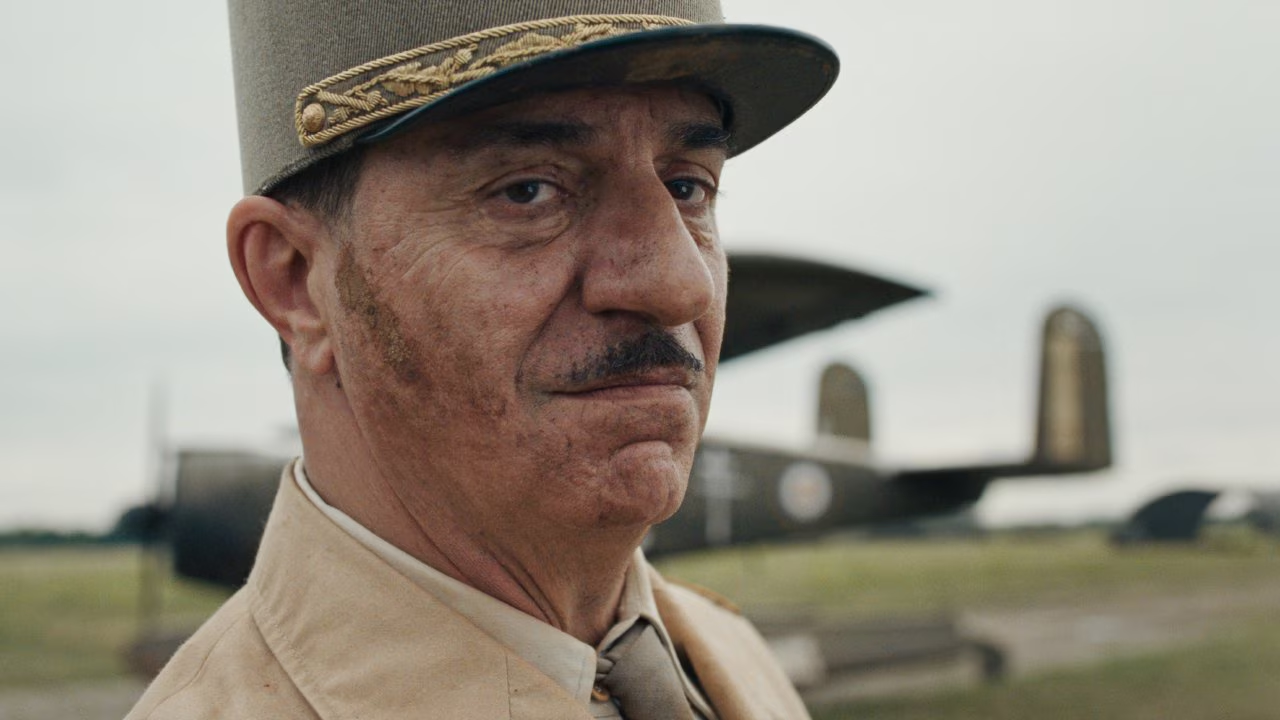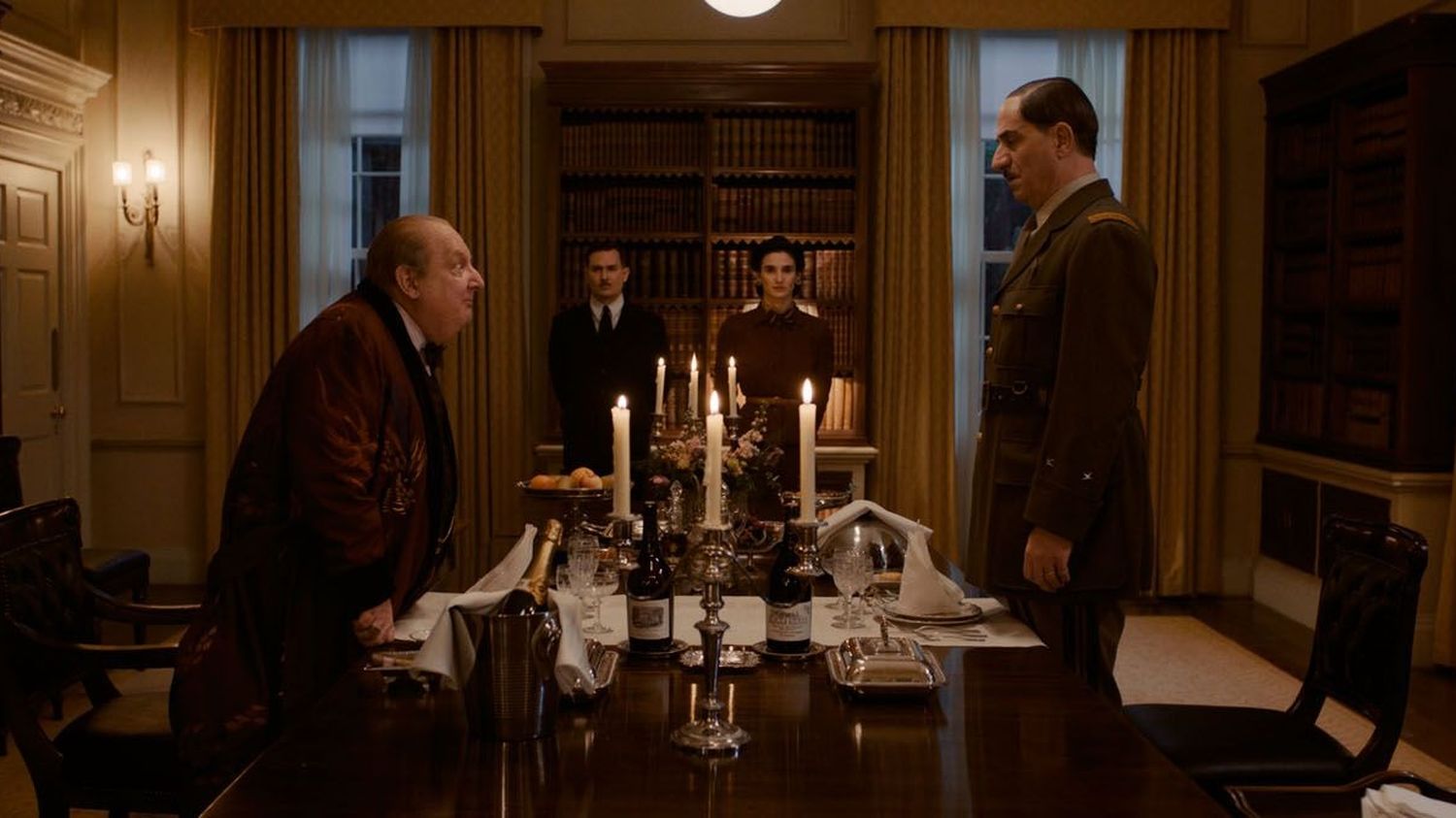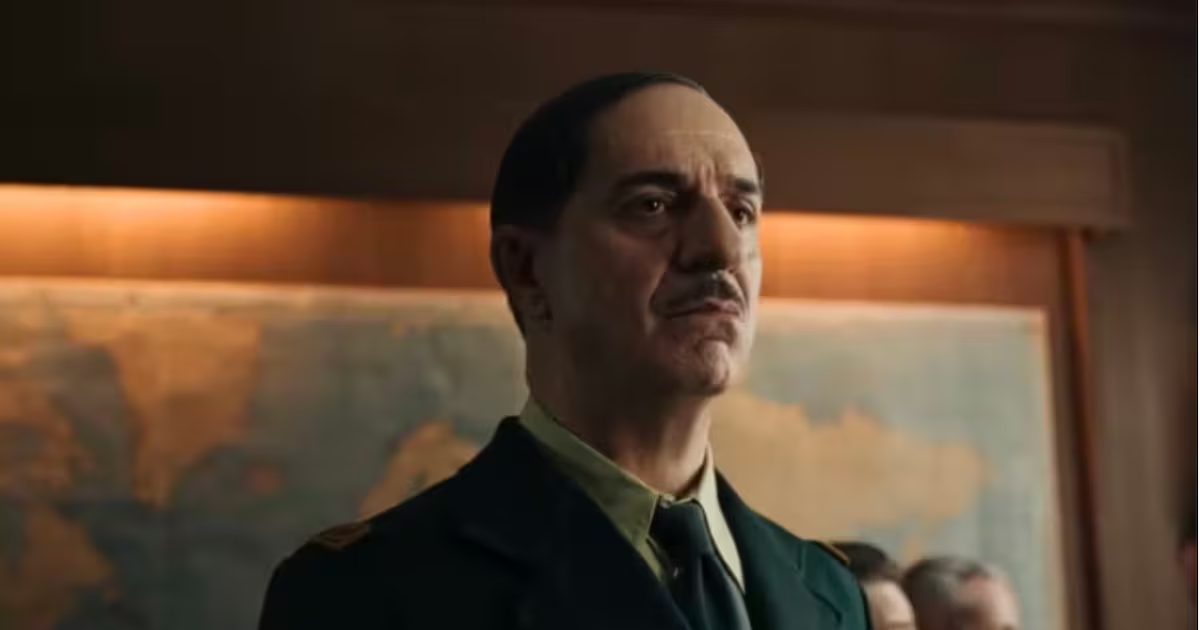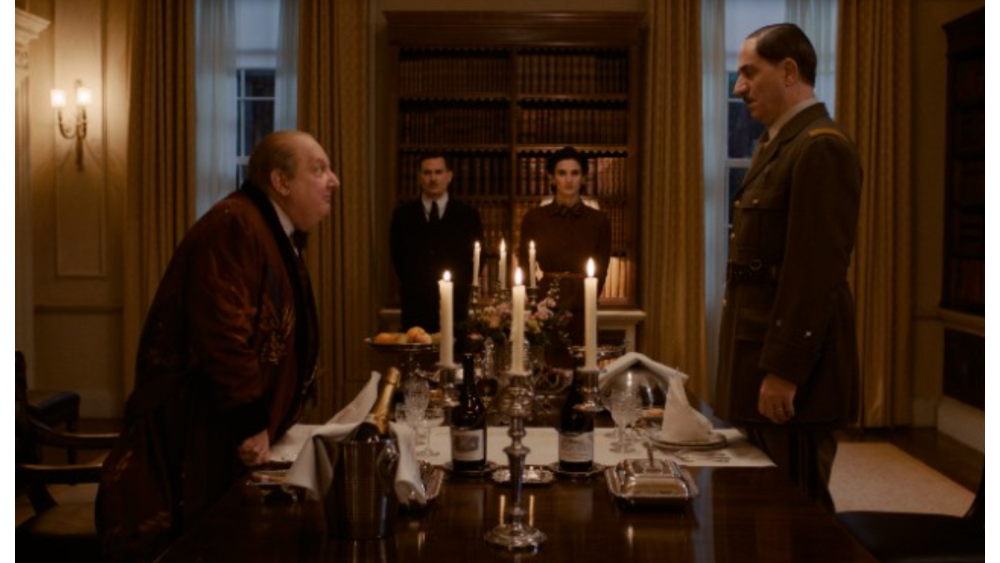
As French cinema continues to embrace large-scale event filmmaking, Antonin Baudry’s “De Gaulle: Résistance” arrives as Pathé’s latest ambitious historical epic, following the blockbuster success of “The Count of Monte Cristo” and “The Three Musketeers” diptych.The first installment of a two-part saga chronicling Charles de Gaulle’s wartime years, the film world premiered out of competition at the Cannes Film Festival, where it drew warm reviews. Variety hailed it as “a proudly French and massively scaled production with the energy of a vintage Hollywood blockbuster” — one that “interrogates the past and sheds some light on the present.” The film has also been critically praised for Simon Abkarian’s performance as De Gaulle, as well as its exploration of the French leader’s tumultuous relationship with Winston Churchill.
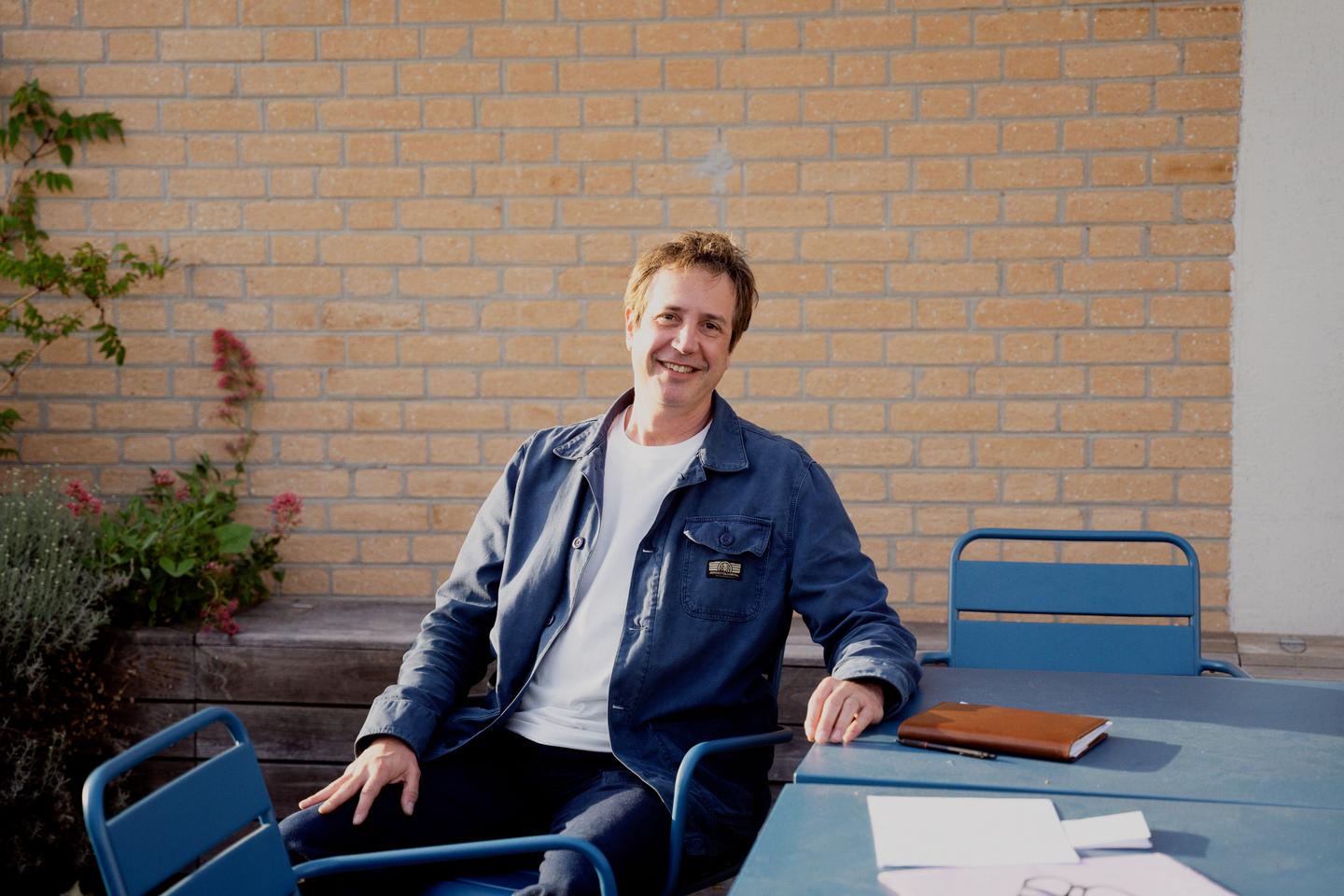
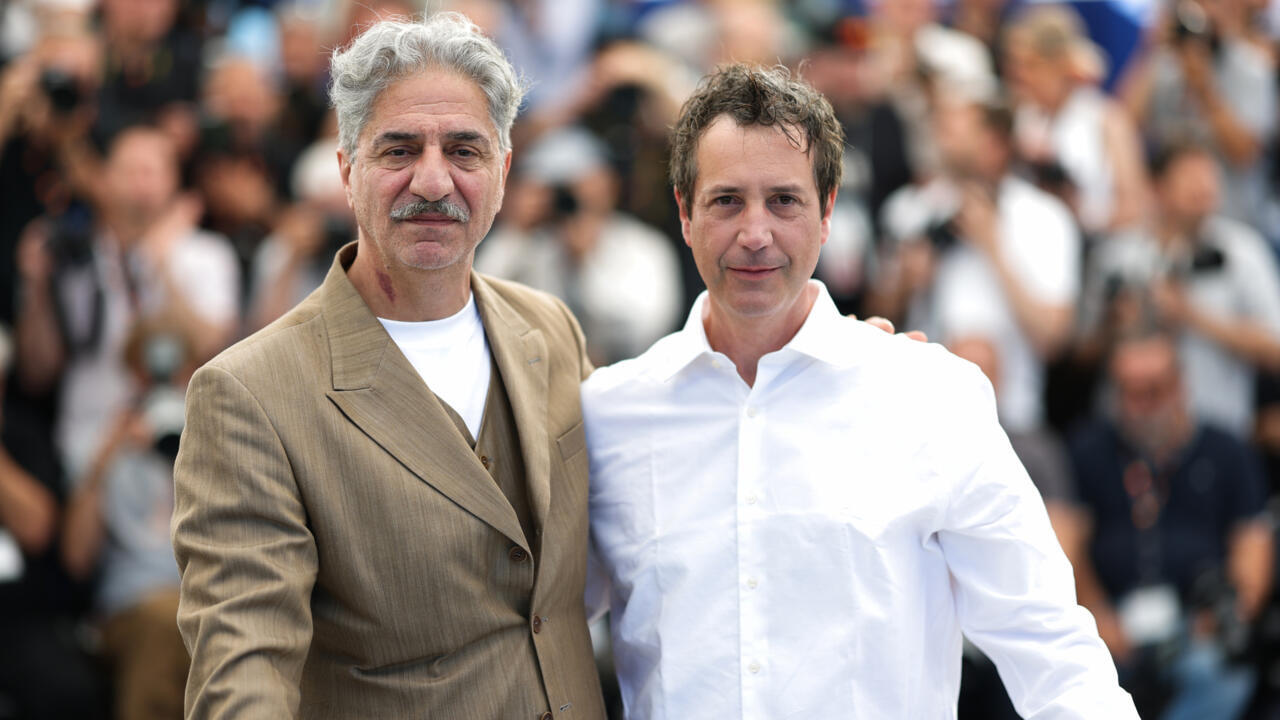
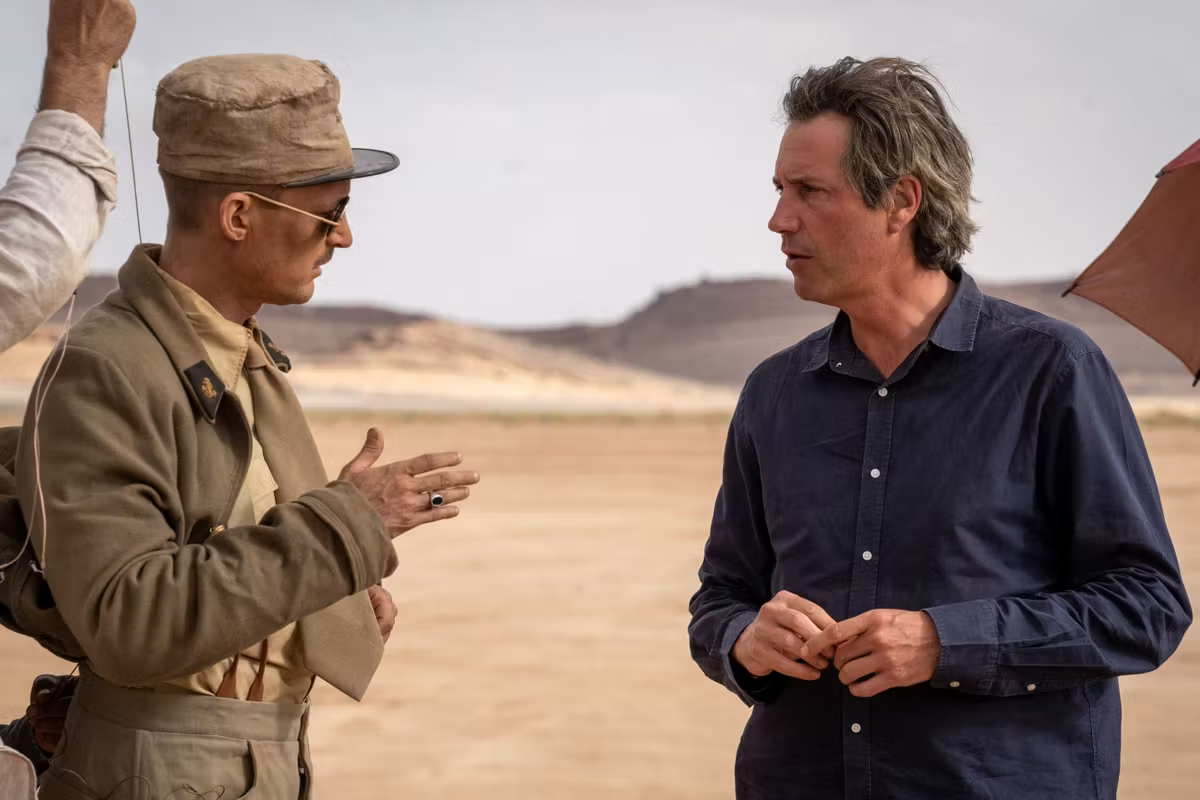
Released in French theaters on Wednesday, the big-budget feature has gotten off to a healthy start at the box office and is expected to be one of the country’s major local hits of the summer, with “The Sovereign Edge” set for a July 3 rollout.Baudry is no stranger to ambitious filmmaking. The former diplomat, who worked at France’s Foreign Ministry, the Quai d’Orsay, before turning to cinema, previously directed the acclaimed submarine thriller “The Wolf’s Call,” widely regarded as the first French film of its kind. His background in international affairs has continued to inform his work, and nowhere more so than in “De Gaulle: Résistance,” which explores the political maneuvering that shaped France’s future during World War II.Ahead of the film’s release, Baudry spoke with Variety alongside his producer Axelle Boucaï (“An Officer and a Spy”) about revisiting one of France’s most iconic historical figures, challenging conventional narratives of World War II, and why he believes de Gaulle’s story resonates in today’s fractured world.