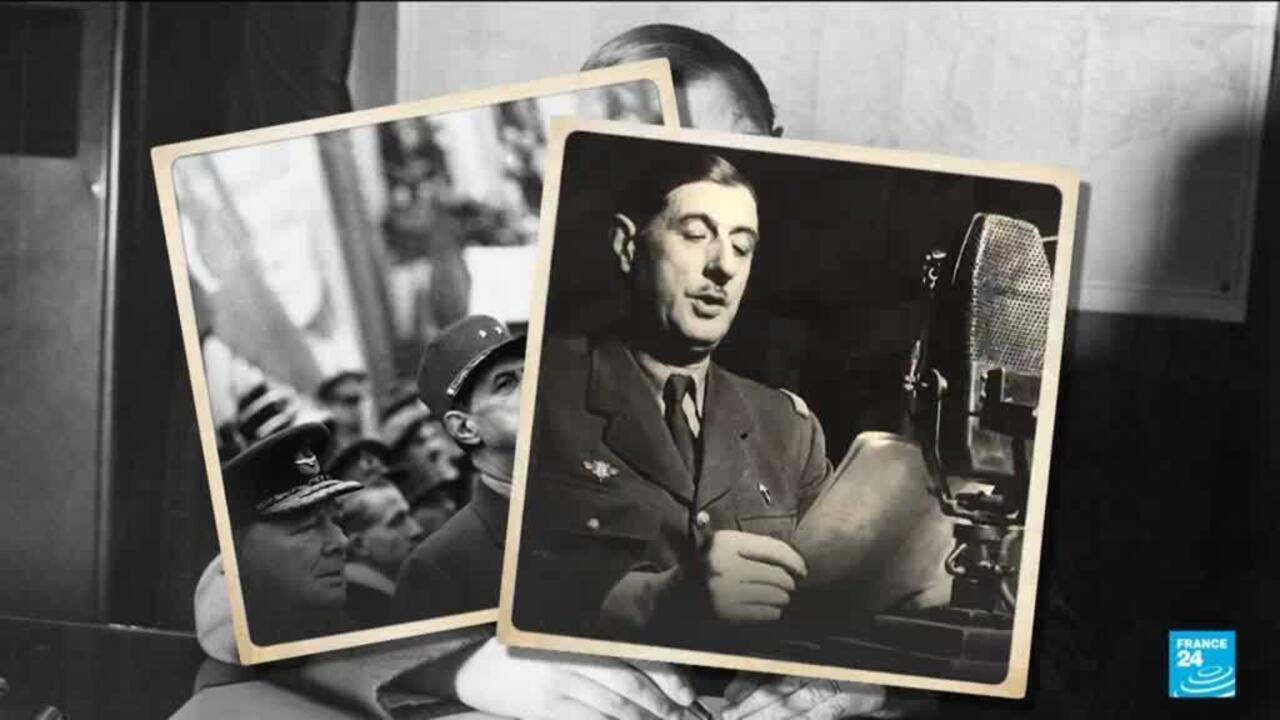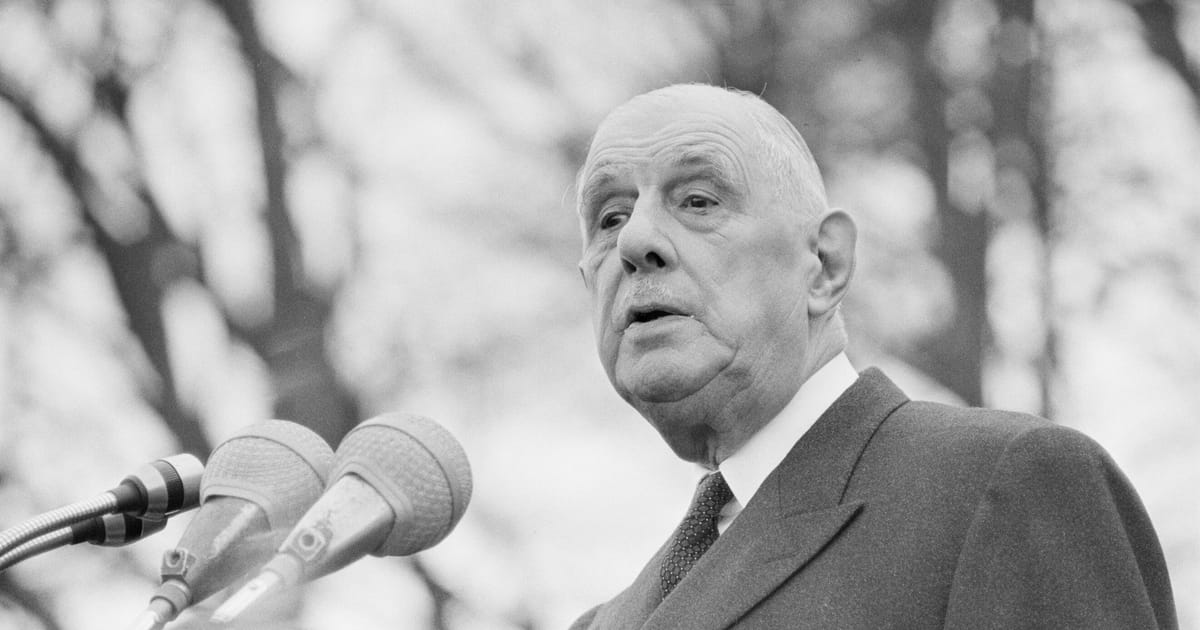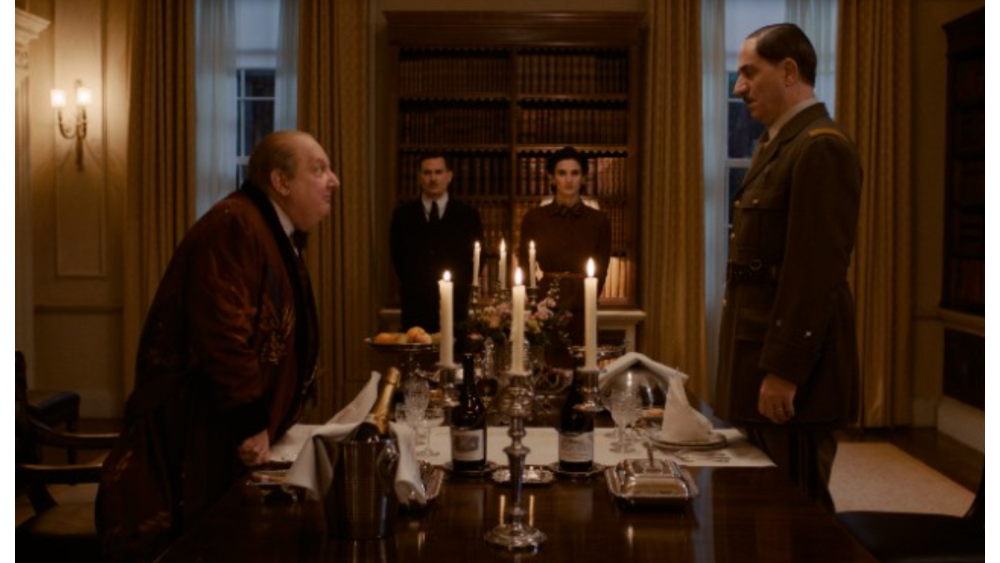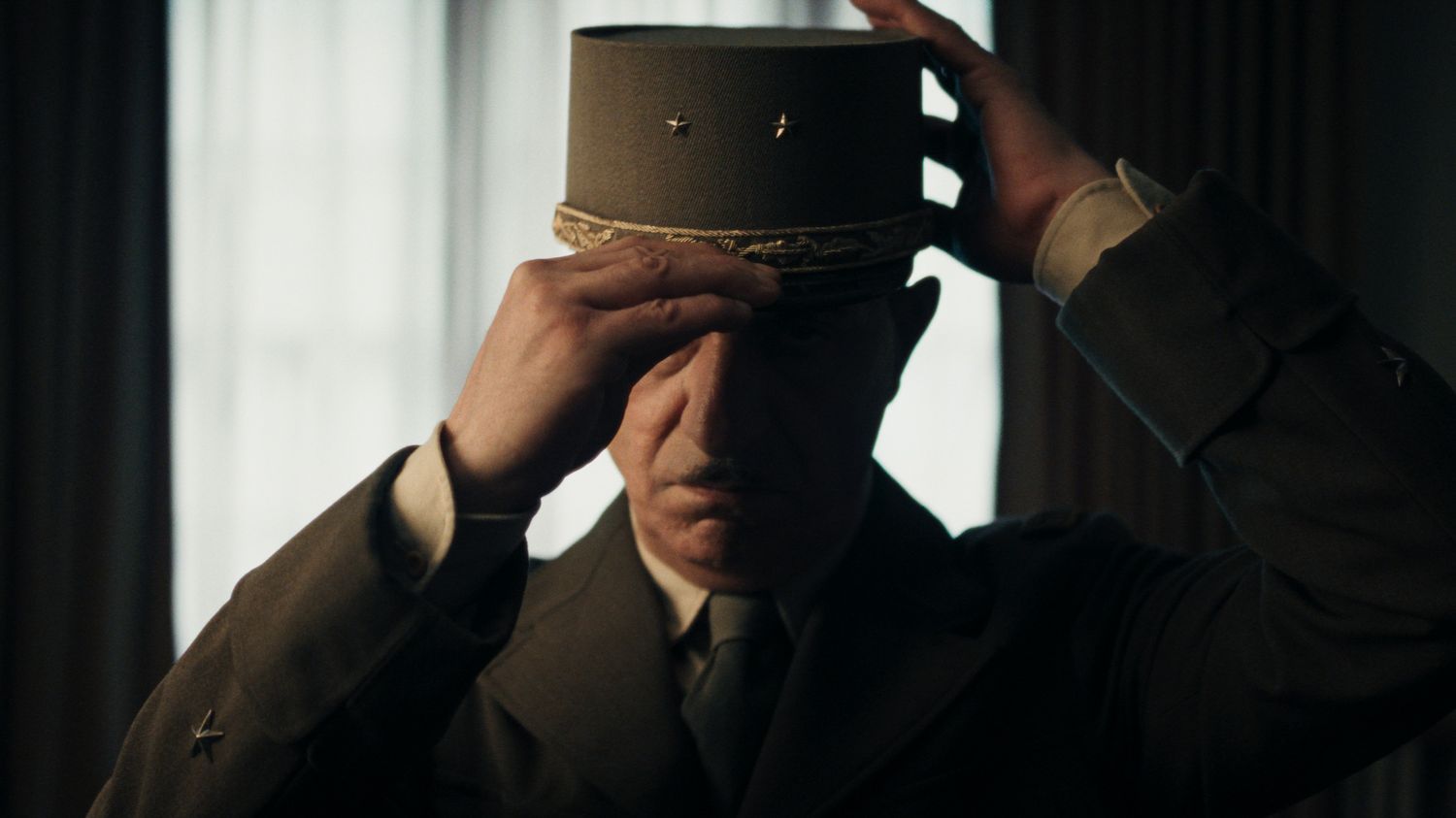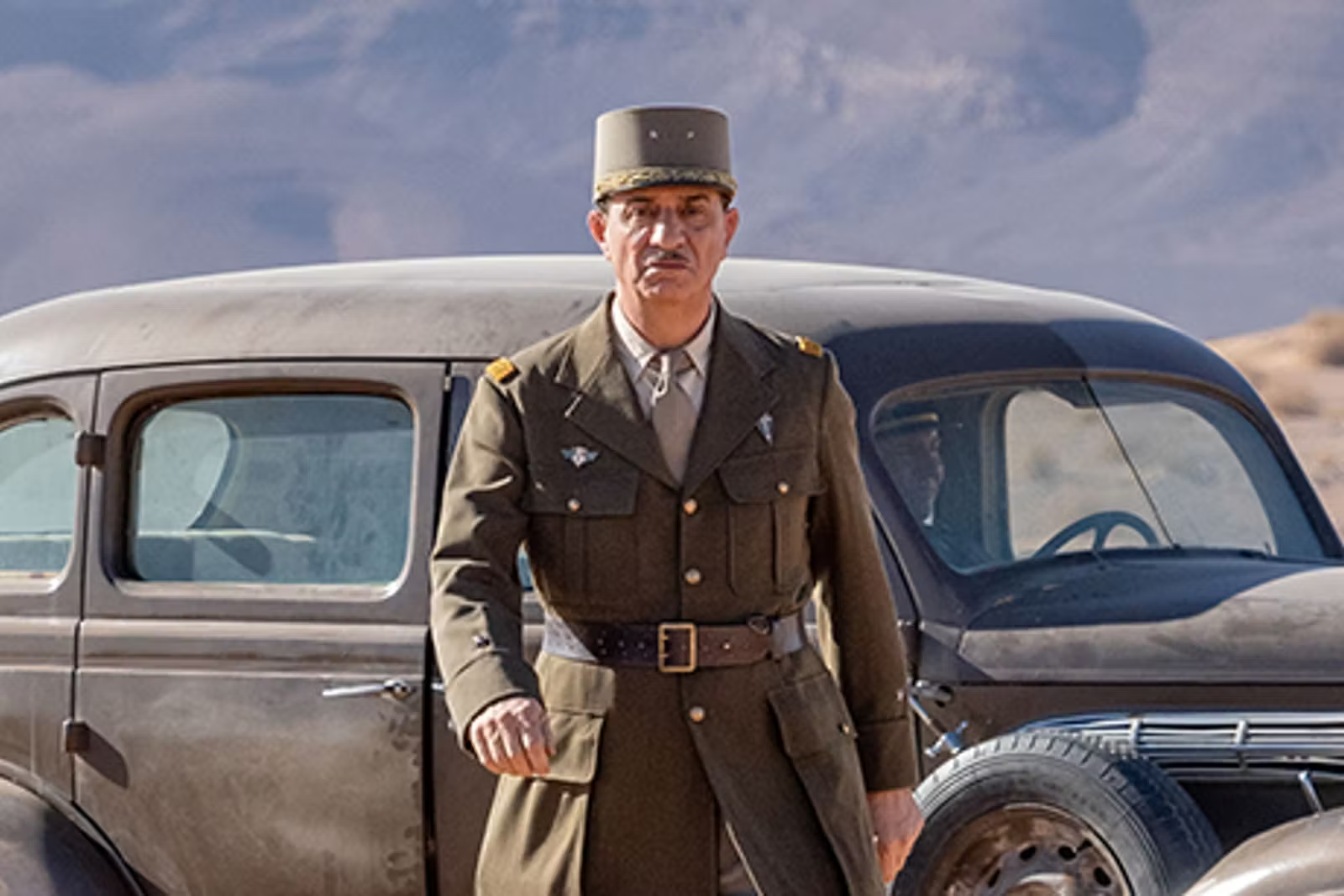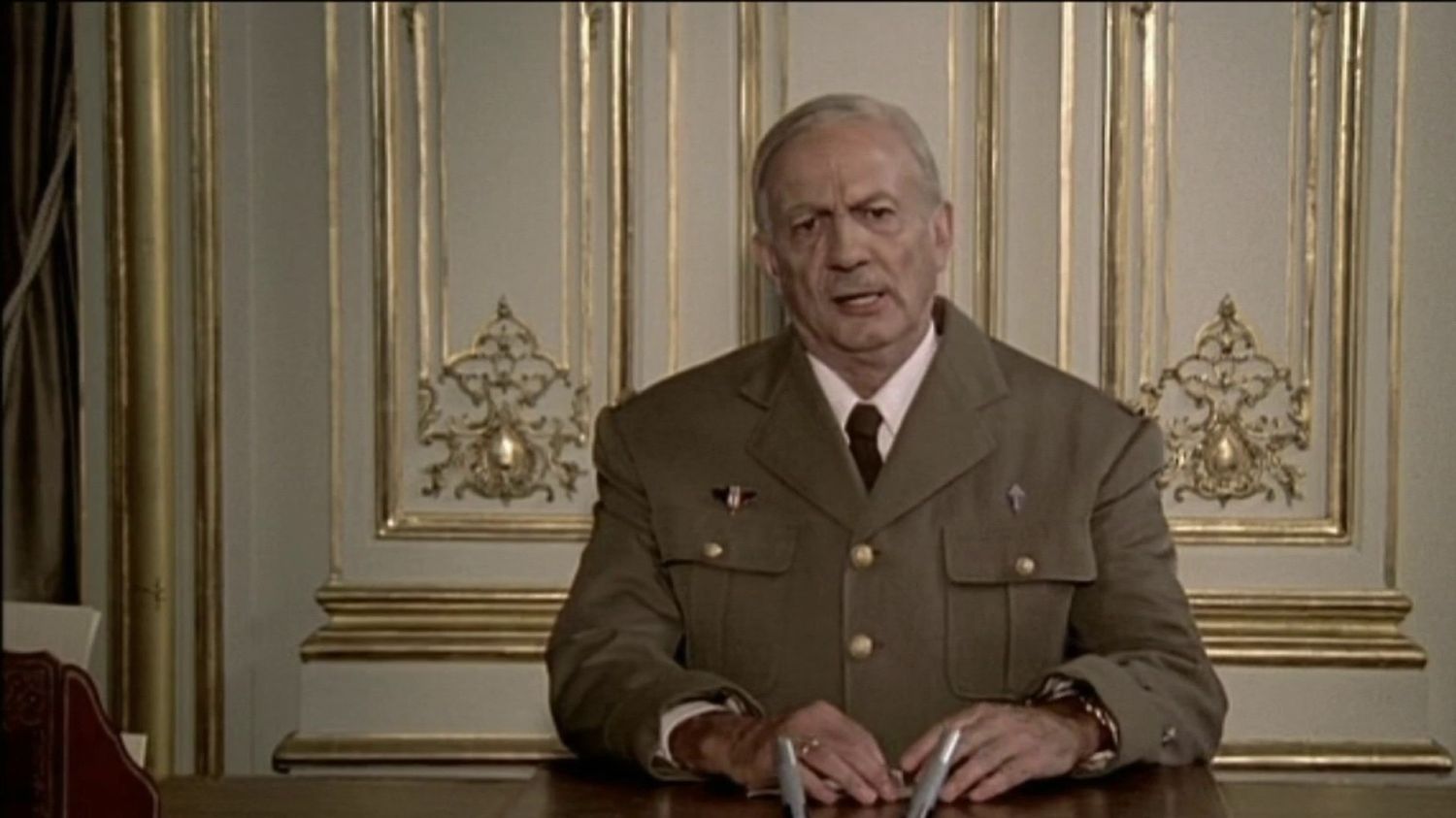
When US President Franklin Delano Roosevelt first met General Charles de Gaulle in Casablanca in 1943, he was unimpressed. Allied troops had seized French North Africa from Vichy forces, and Washington had its own plans for who would oversee the colonies until Paris could be delivered from Nazi hands. De Gaulle, the proud and prickly leader of the Free French, was not on Roosevelt’s list. When the two men came face to face, the US president accused De Gaulle of trying to set himself up as the sole legitimate representative of France – despite the fact, he pointed out, that the general had never actually been elected. “Neither was Joan of Arc,” De Gaulle replied. The comparison might be more apt than it first seems. Adopted by Marshal Philippe Pétain and the ultra-nationalist collaborators of the Vichy regime as a symbol of an eternal Catholic France betrayed by domestic subversives, the virginal warrior-saint was taken up in turn by the Resistance as a figure who fought to free France from foreign occupation.
A year before the French election, De Gaulle remains politically fashionable
To display this content from YouTube, you must enable advertisement tracking and audience measurement.