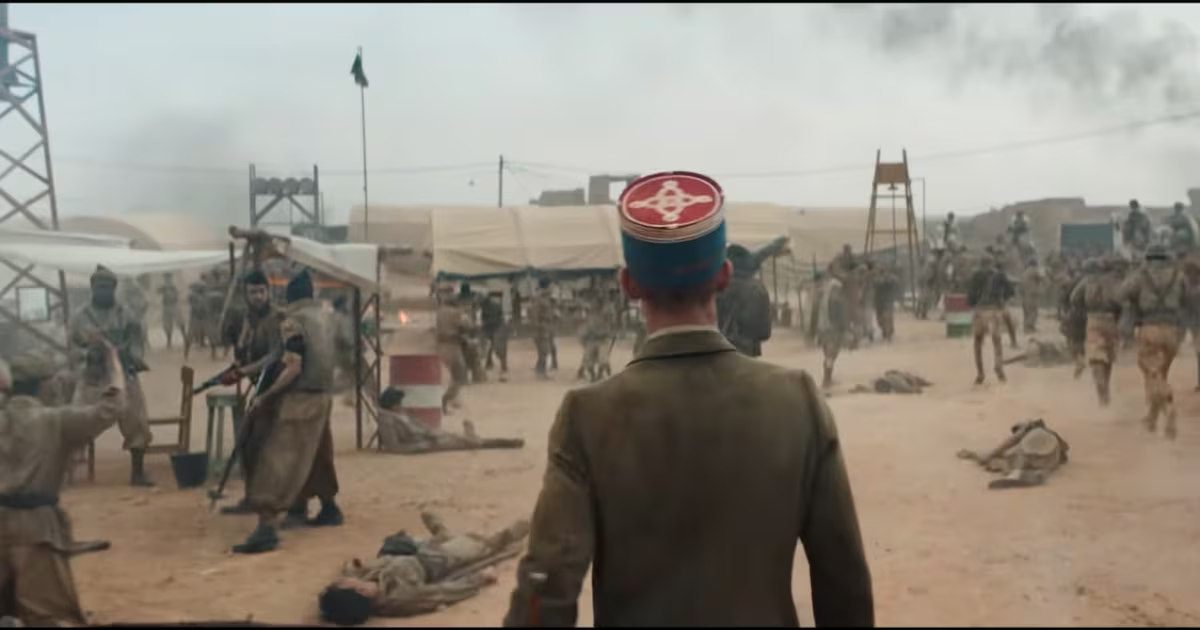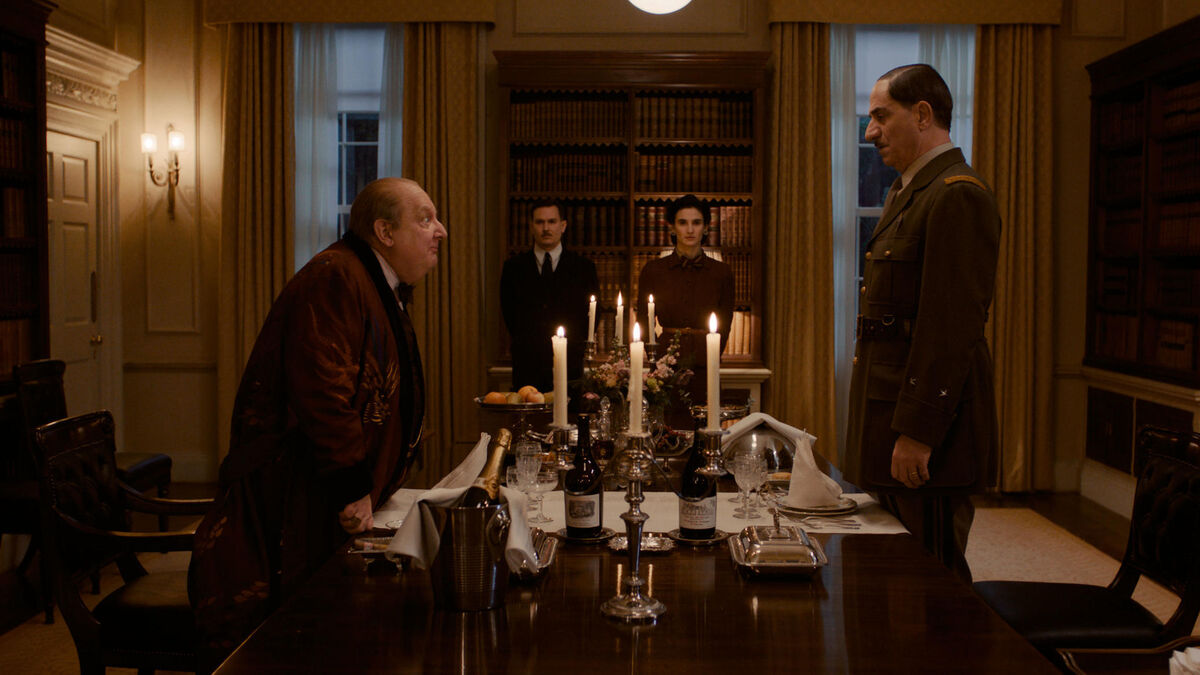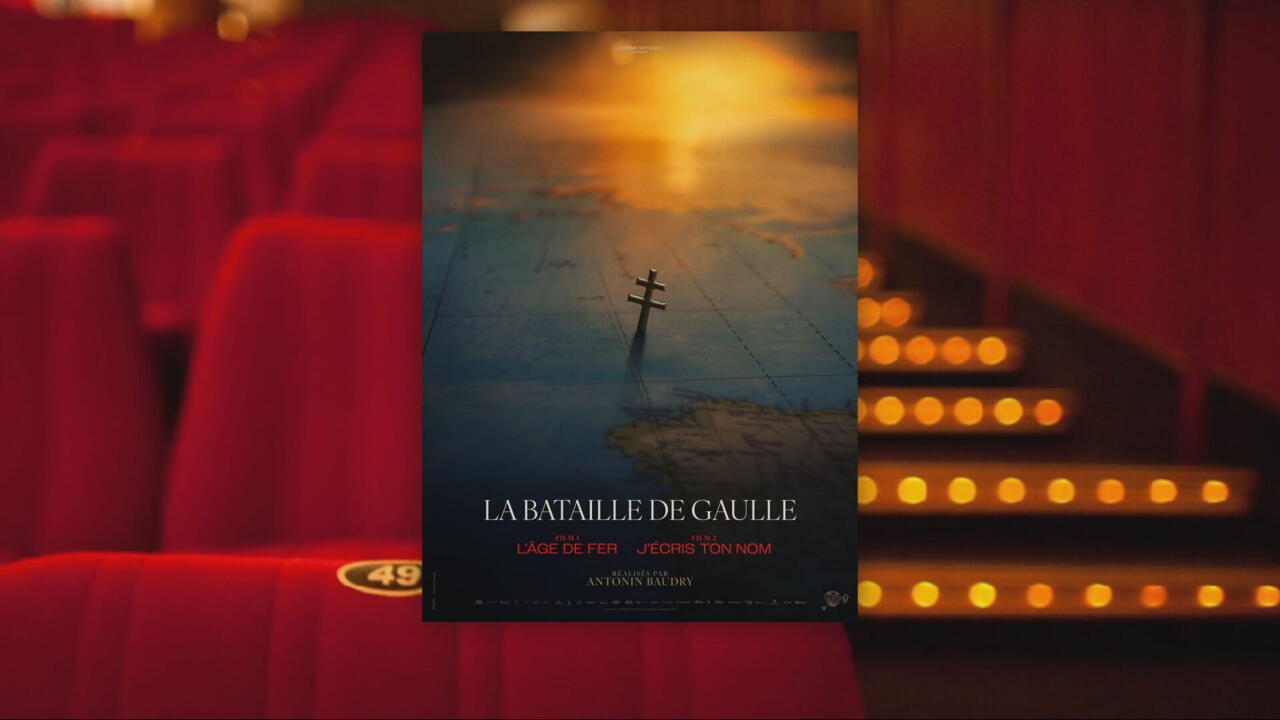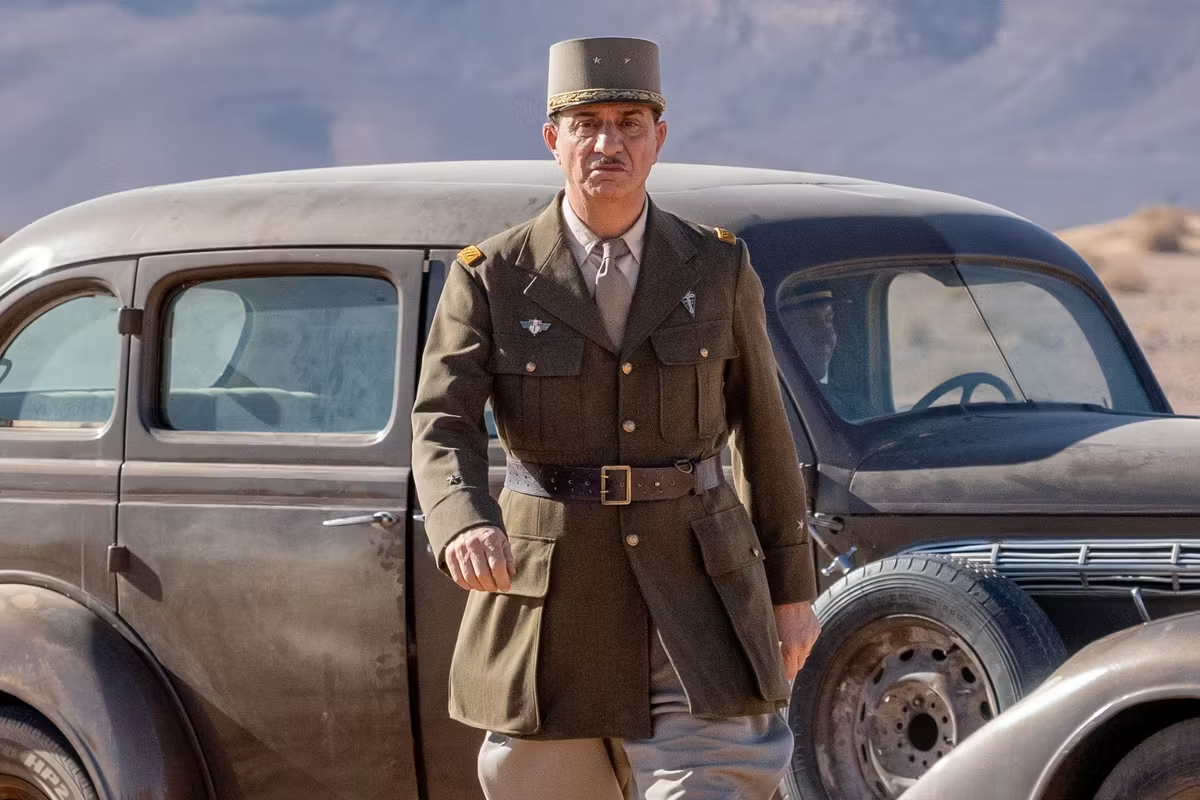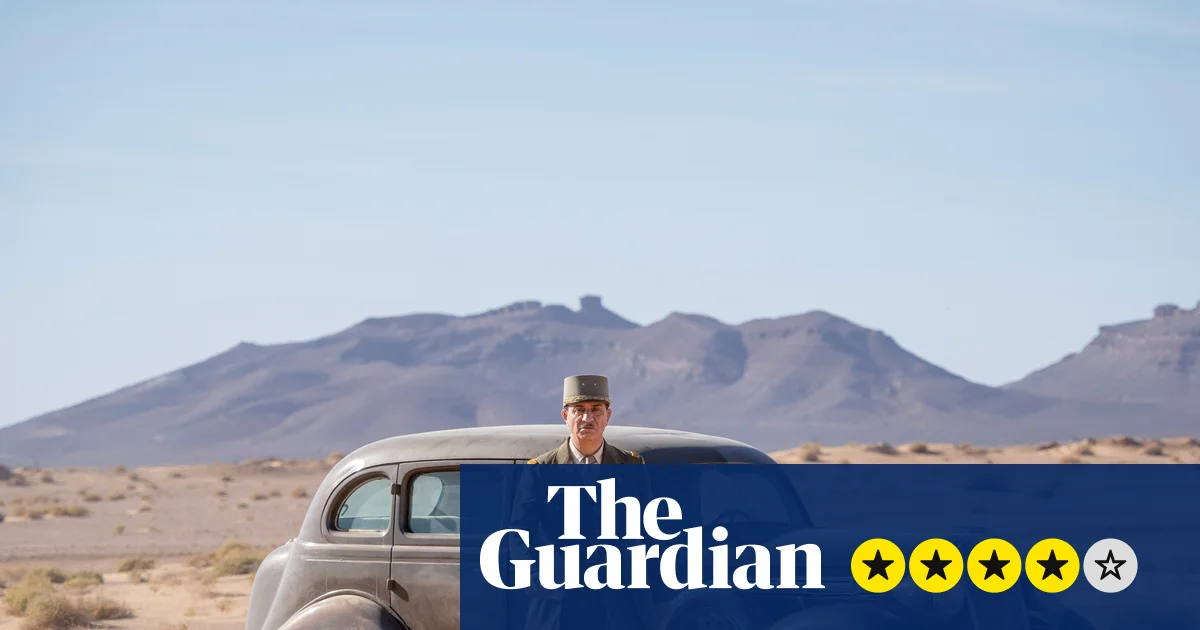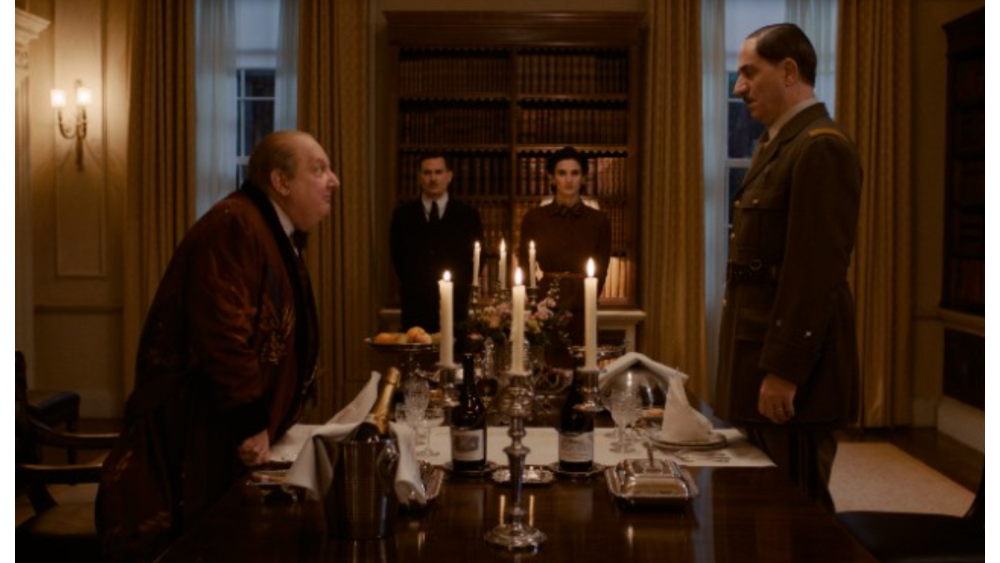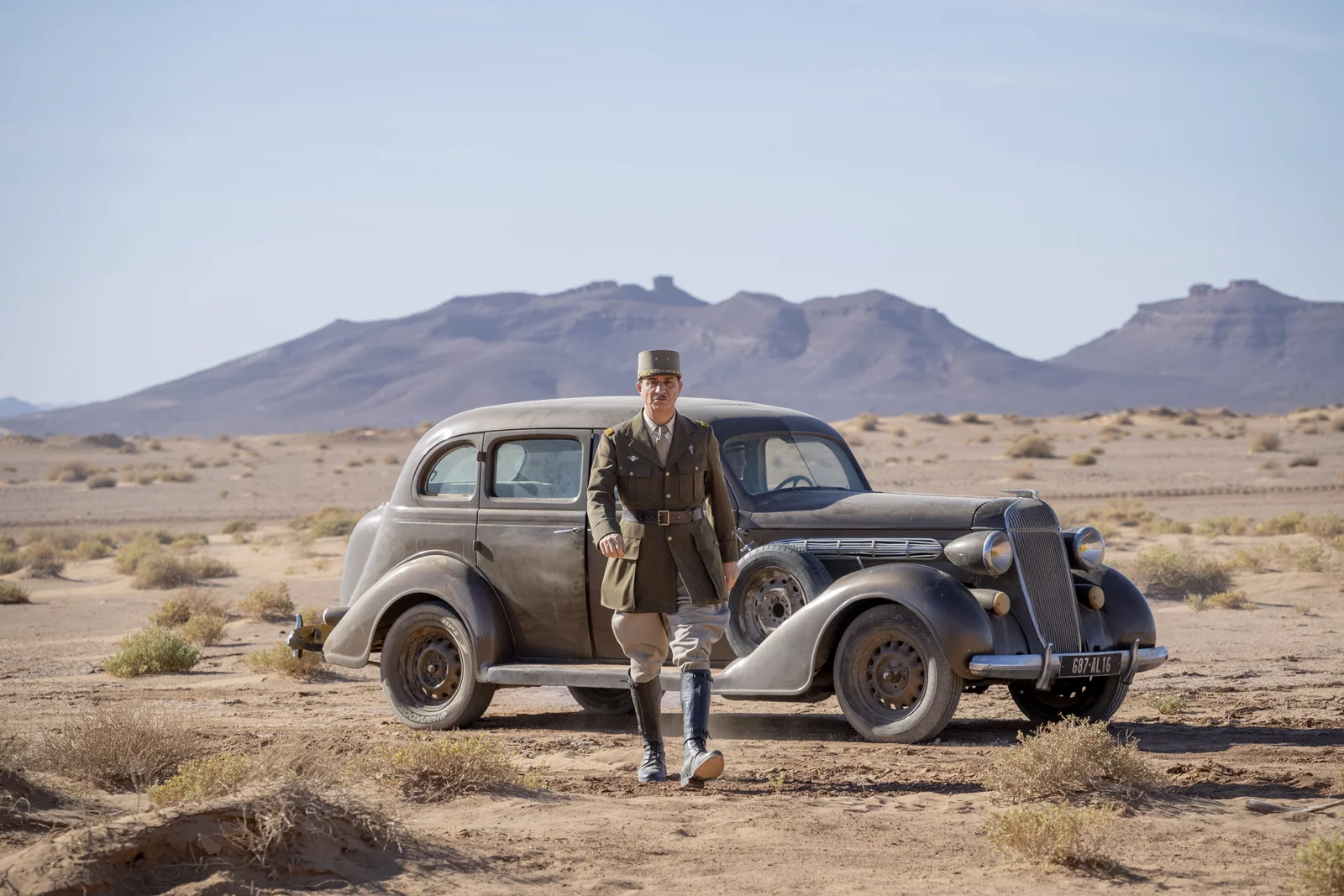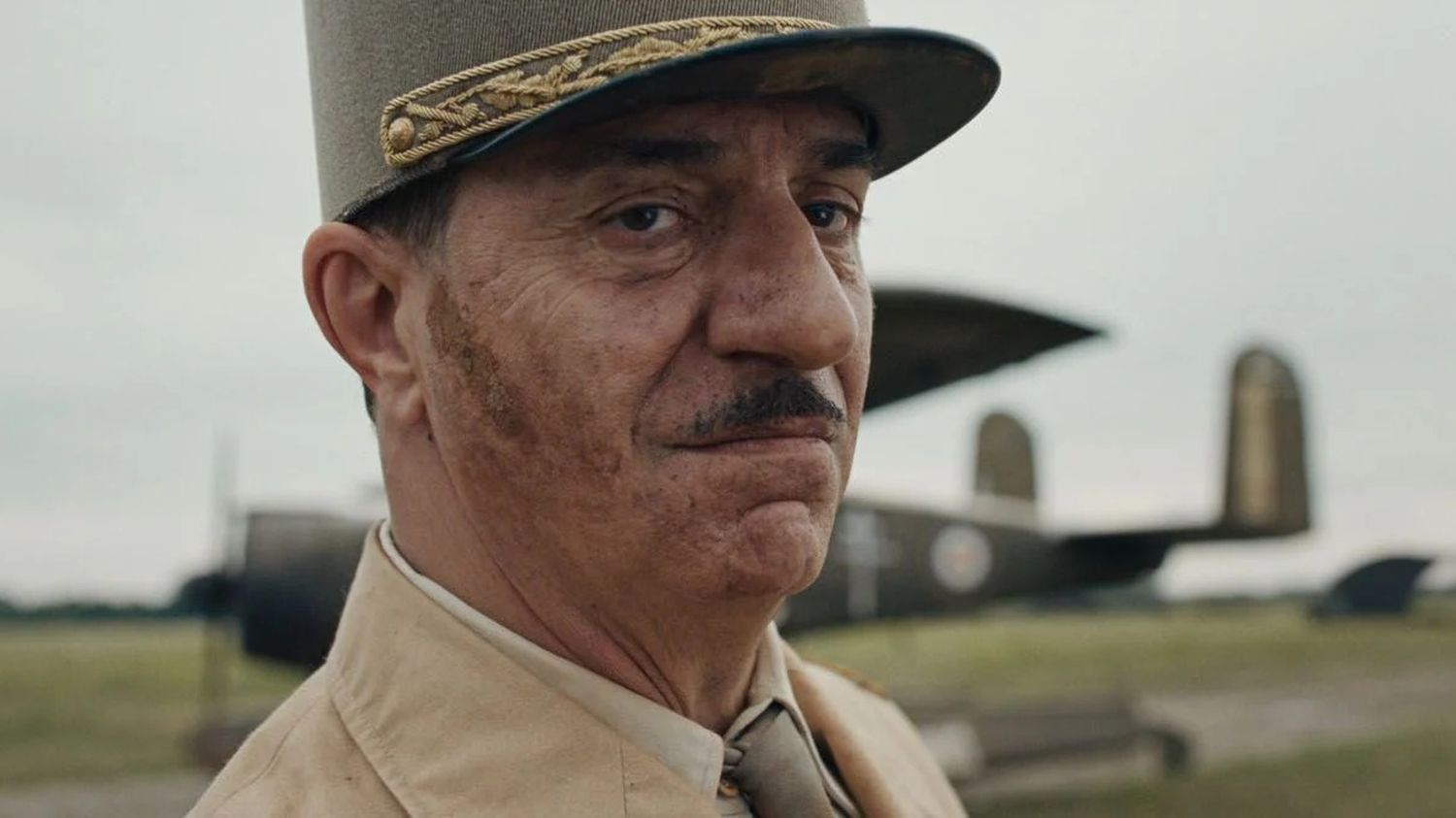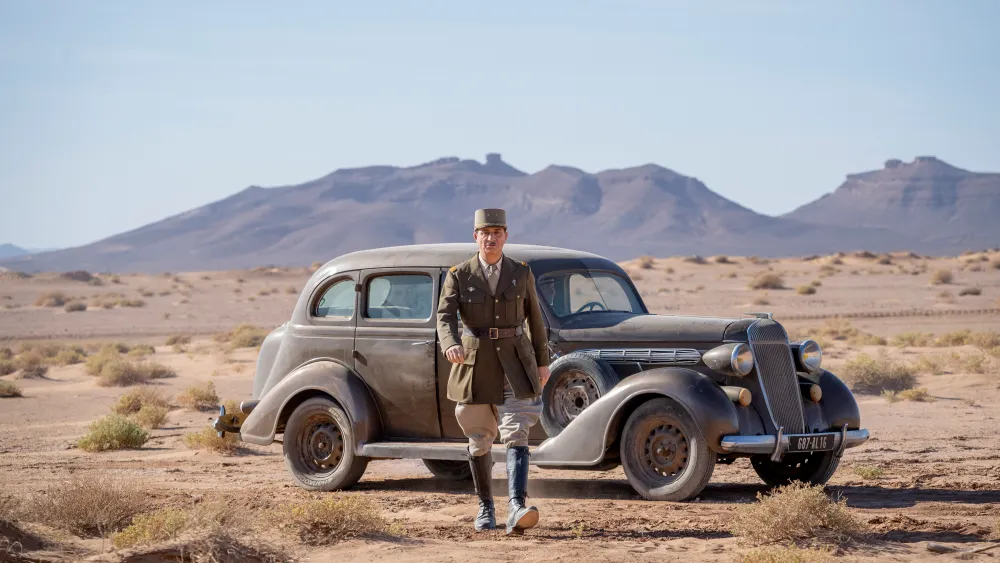
Every Cannes Film Festival needs a film like “De Gaulle: Résistance,” a proudly French and massively scaled production with the energy of a vintage Hollywood blockbuster. Indeed, Antonin Baudry’s old-fashioned epic flaunts all these big-screen qualities in delicious excess, dispensing a traditionally entertaining biopic on France’s eponymous Great Man and his consequential years in the early 1940s as an exiled general with a romantic vision of his country that has just capitulated to Germany.
It takes bravery and uncommon intelligence to see beyond the immediate reality of defeat. In 160 minutes — a runtime that isn’t entirely earned, though the film is flashy and inspiring — “De Gaulle: Résistance” enthusiastically engages with both the heroism and strategic acumen of this former French president. A very likely hit in France, Baudry’s movie also has enough conventional ingredients for widespread theatrical appeal internationally.
It’s worthwhile to mention early on that “Résistance” isn’t solely a portrait of De Gaulle, but also of the anti-Vichy monarchist Fernand Bonnier de La Chapelle, a fiery member of the French resistance. Bonnier de La Chapelle was only 20 years old when he assassinated Vichy French Admiral François Darlan in Algiers, when Darlan, largely seen as a Nazi collaborator, signed a controversial deal with Eisenhower. The young man was promptly executed by firing squad days later, the events leading up to which Baudry smartly braids into the main narrative of the film, written by the director with Julian T. Jackson and Bérénice Vila.