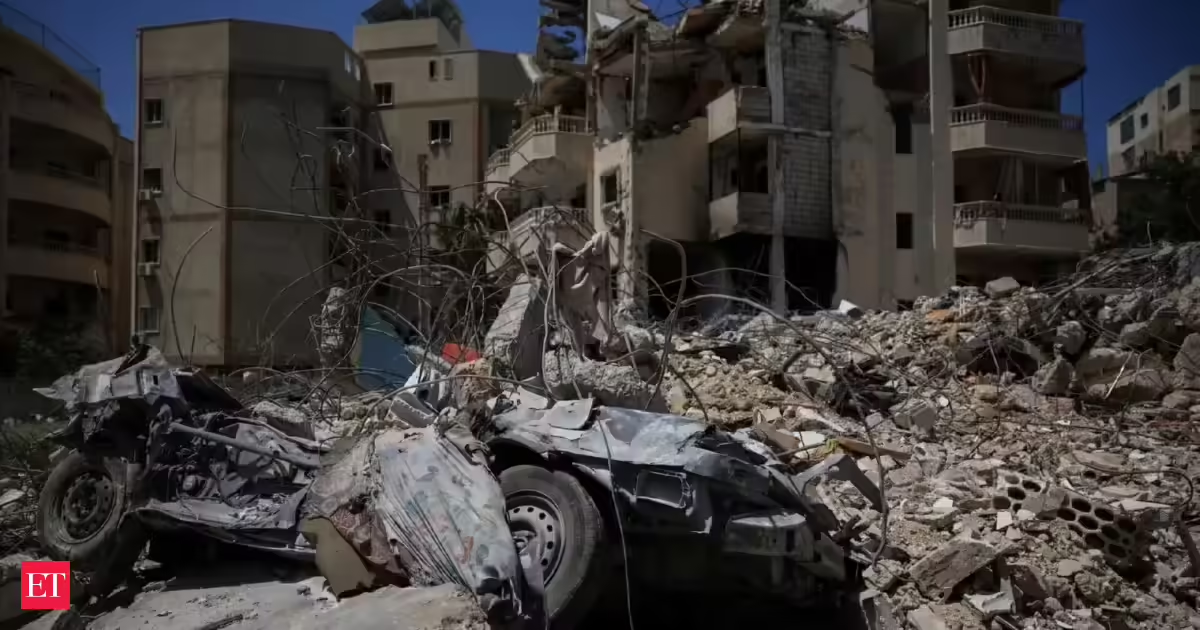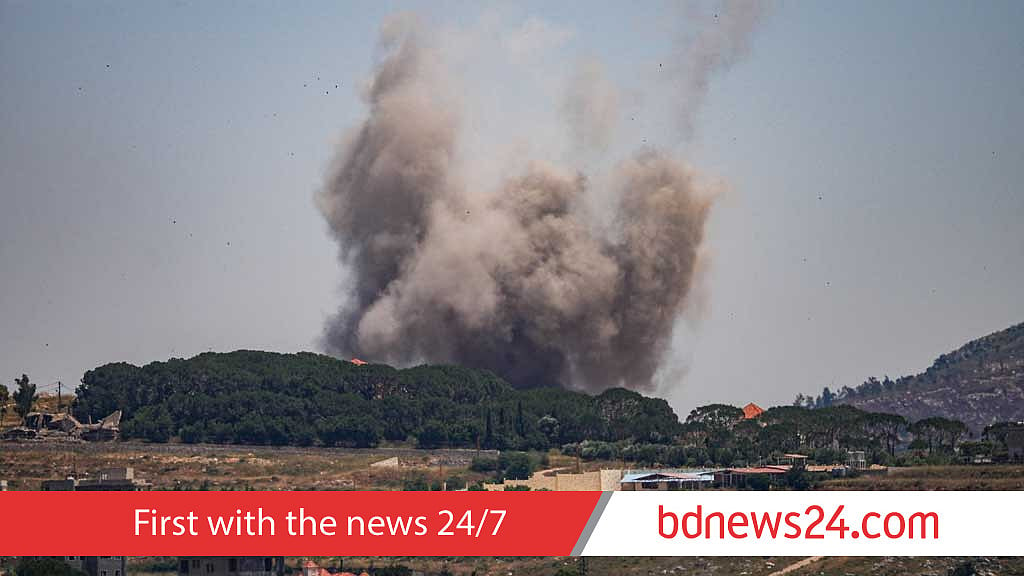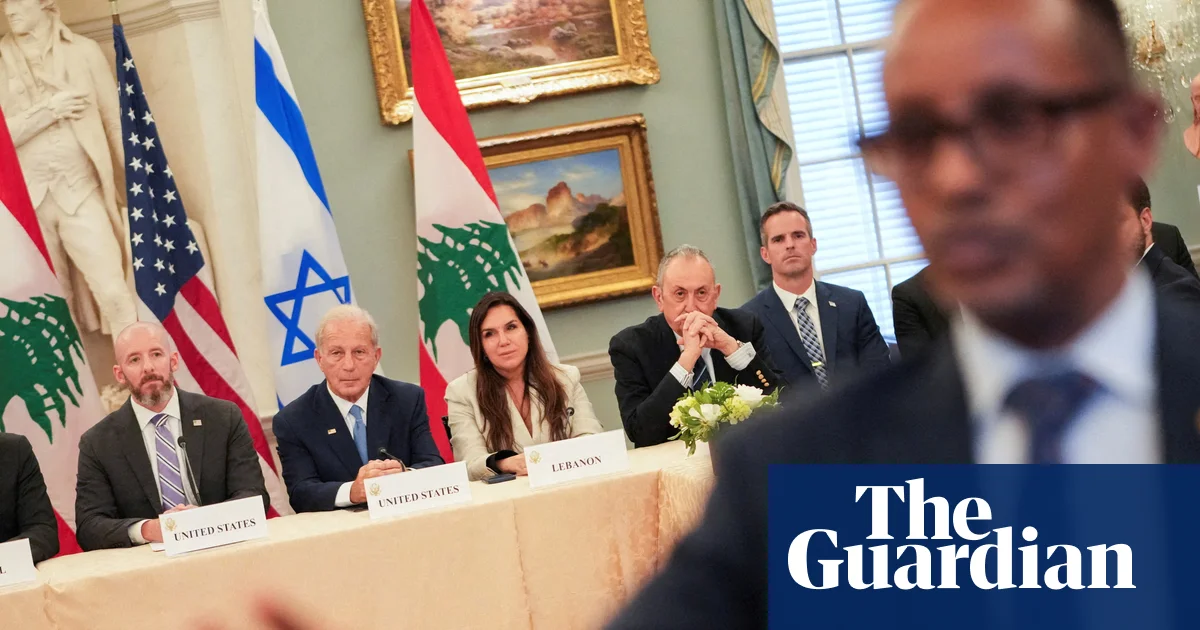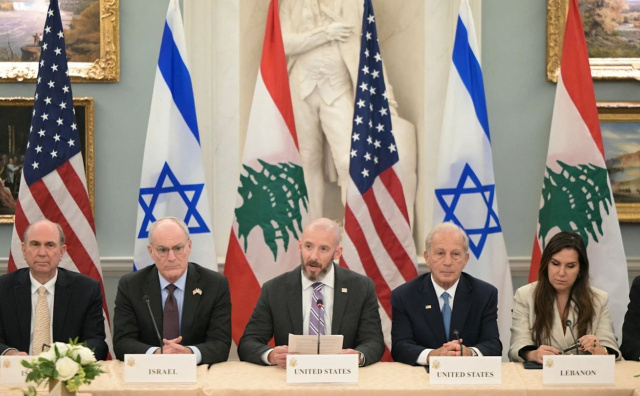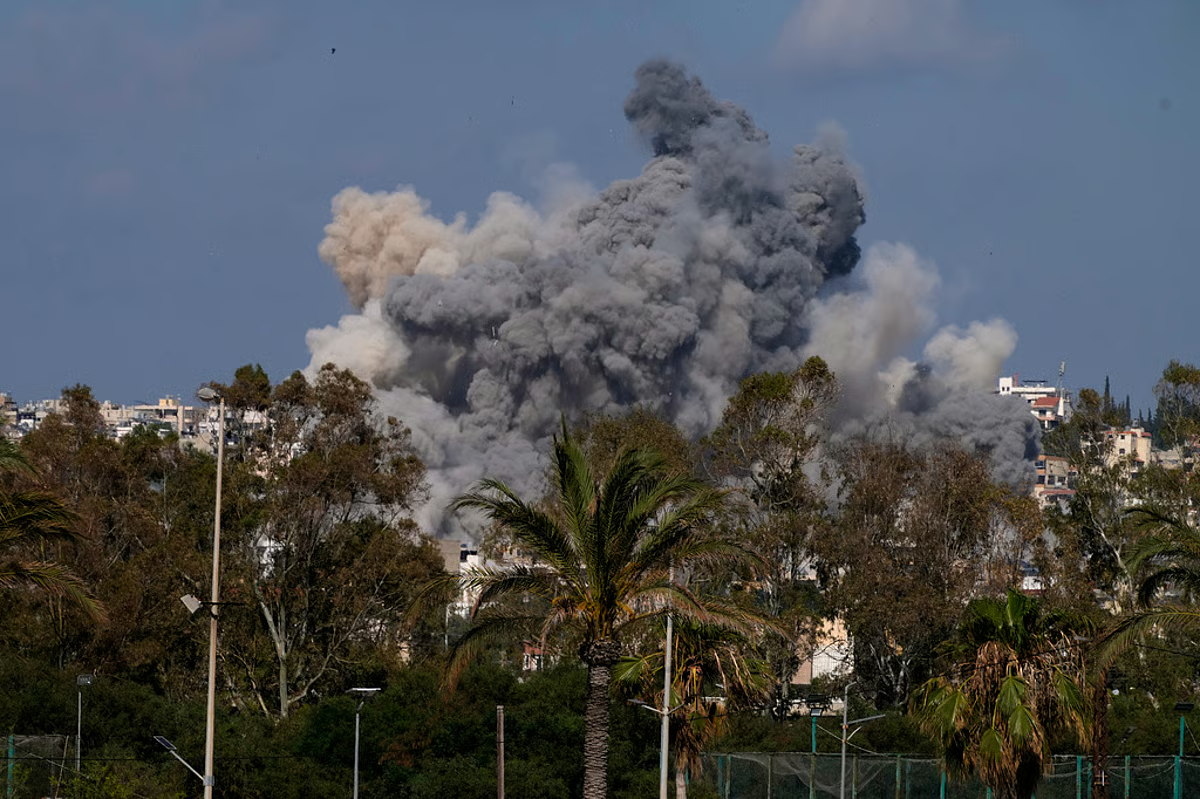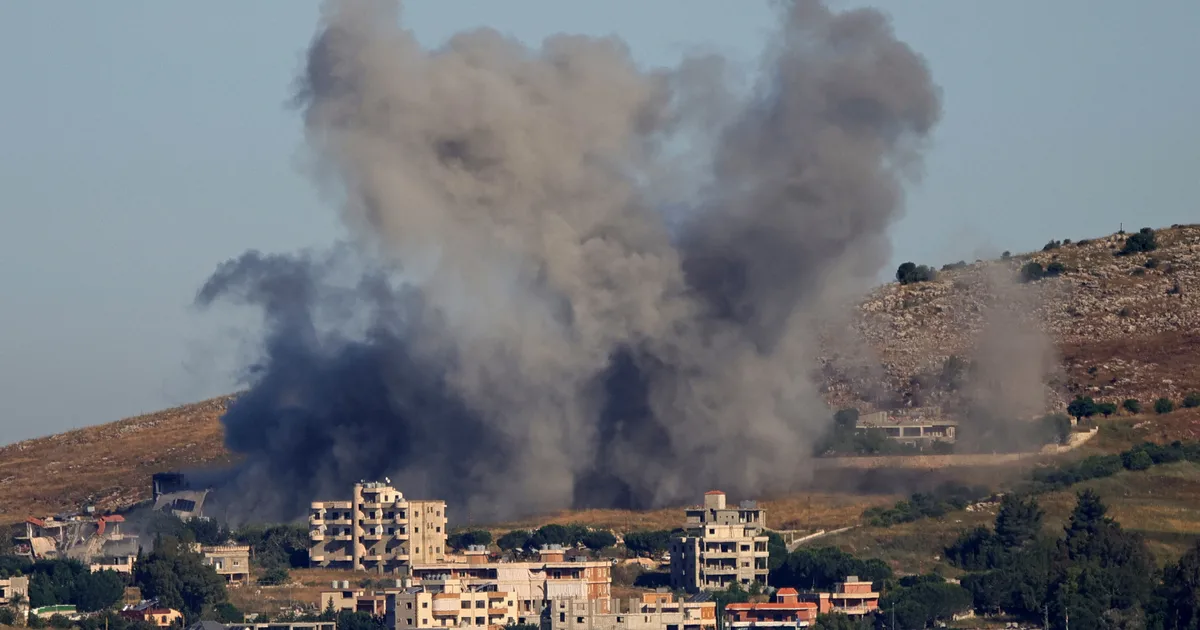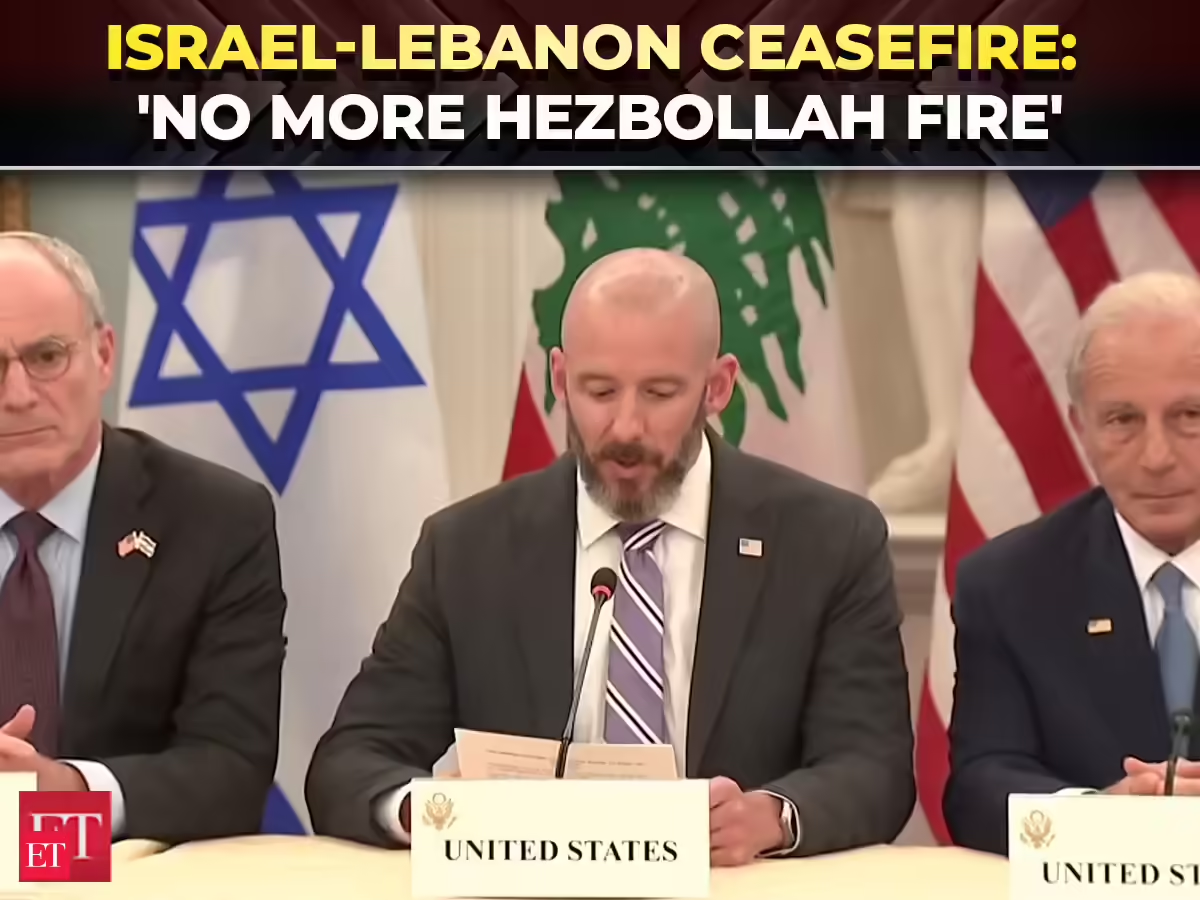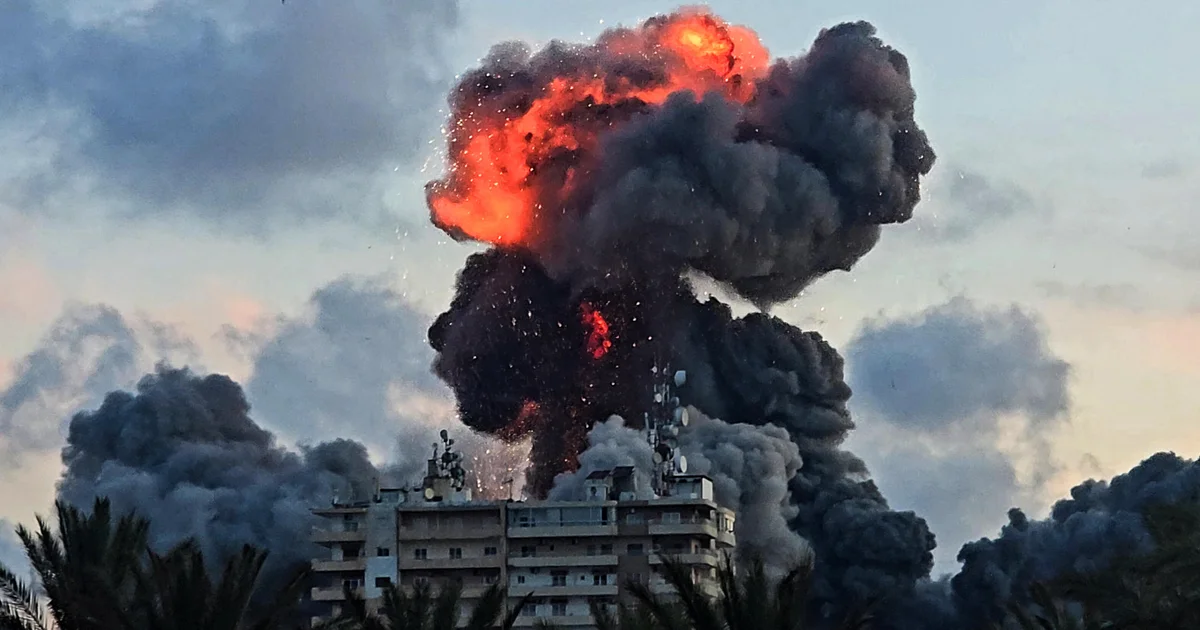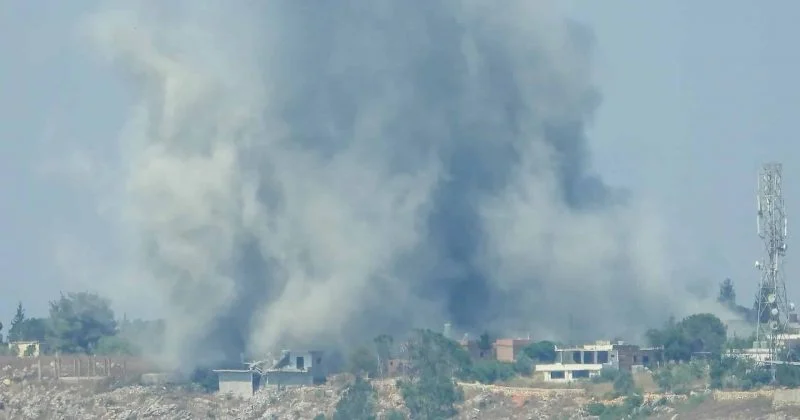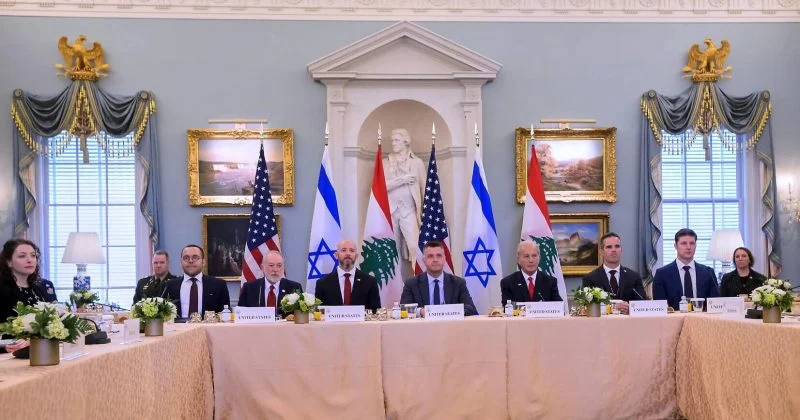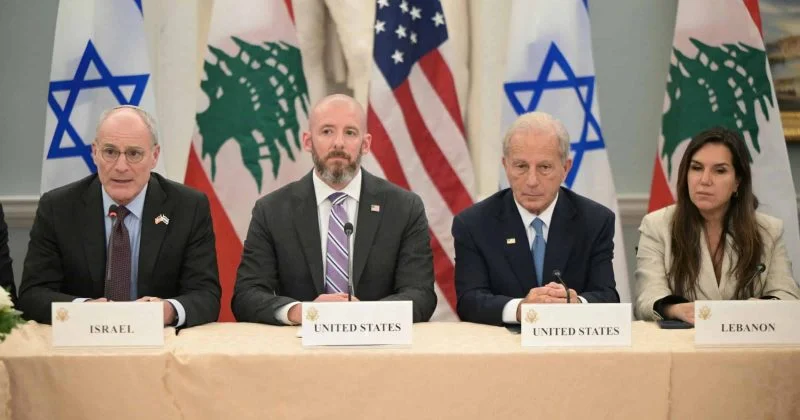
Israel and Lebanon have agreed to implement a ceasefire, contingent on Hezbollah ceasing all hostilities and pulling its operatives south of the Litani River. The deal, announced on June 3, represents the first direct talks between the two nations in Washington in decades.
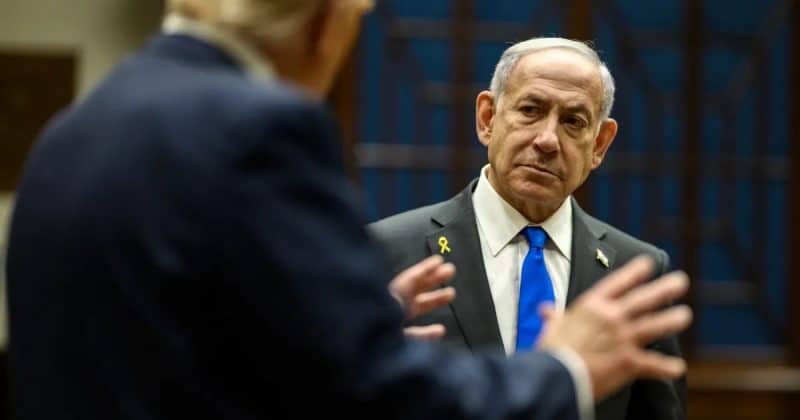
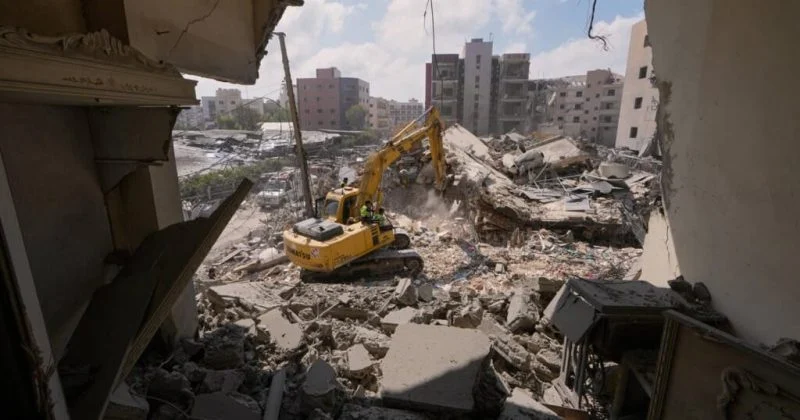
But here’s the thing: the Trump administration isn’t treating this as a standalone peace deal. It’s positioning the ceasefire as a lever to restart indirect negotiations with Iran, talks that had stalled in large part because of Israel’s military operations in Lebanon.
A ceasefire built on shaky ground
This isn’t the region’s first attempt at a truce in 2026. A 10-day ceasefire began on April 16, followed by a 45-day extension announced around May 15.
The current agreement demands more than a temporary pause. It requires Hezbollah to withdraw from southern Lebanon entirely, a condition the group has historically resisted. And resistance is exactly what’s happening: Hezbollah has reportedly rejected the ceasefire terms.