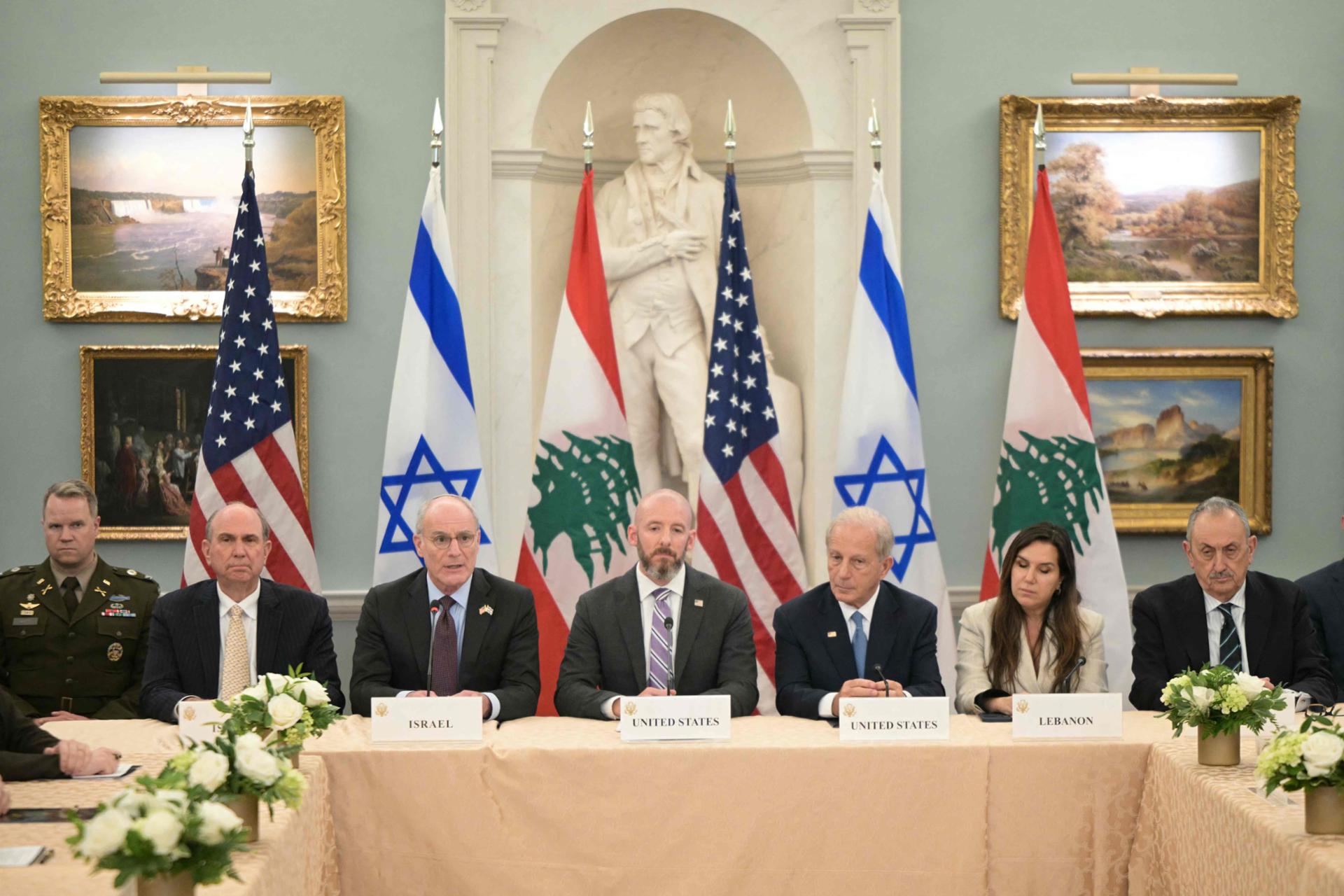
Israel and Lebanon have agreed to move forward with a new ceasefire arrangement aimed at ending months of hostilities along their border, in a development the Trump administration hopes will remove a major obstacle to broader negotiations over the war involving Iran.
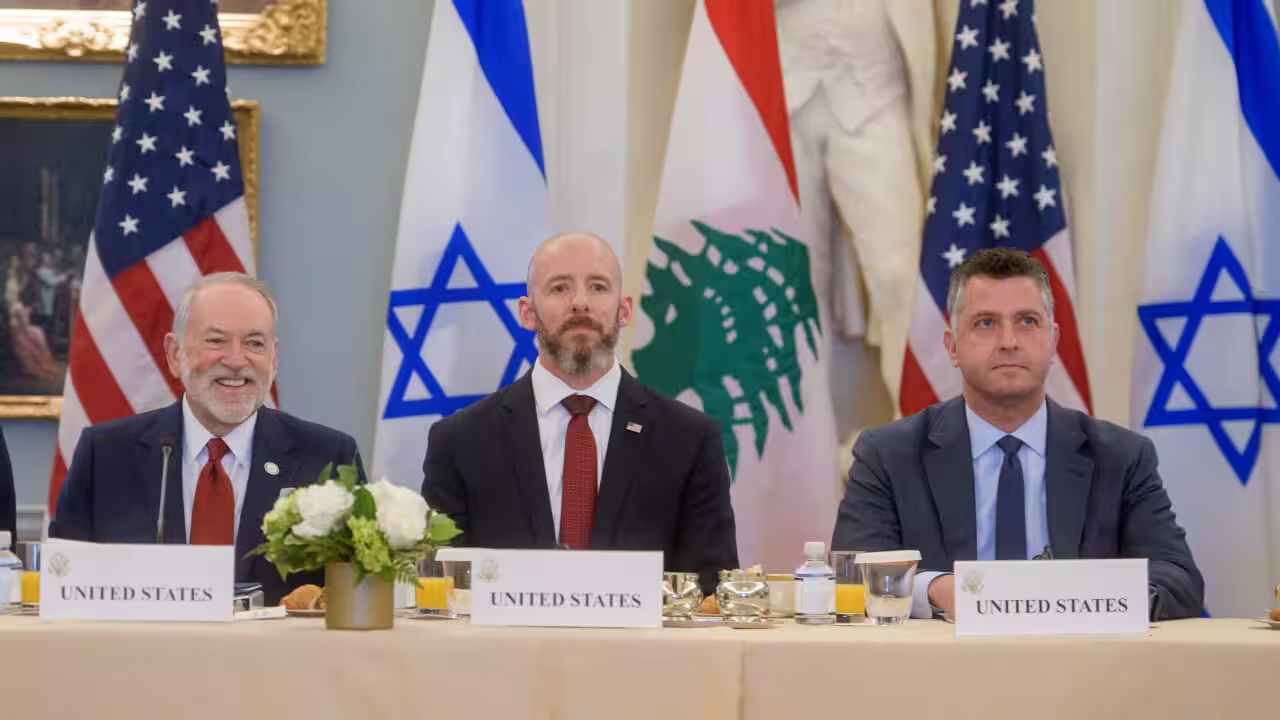
The agreement, announced following U.S.-mediated talks in Washington, is based on a complete halt to attacks by the Iran-backed Hezbollah movement and the withdrawal of all Hezbollah fighters from areas south of the Litani River in southern Lebanon. The deal was formally concluded between the governments of Israel and Lebanon, although Hezbollah itself did not participate in the negotiations.
The Lebanese government has pursued the talks independently as part of a wider effort to reassert state authority across the country and reduce the influence of armed groups operating outside government control. Under the proposed framework, so-called “pilot zones” would be established in southern Lebanon, where the Lebanese Armed Forces would assume exclusive security control, excluding all non-state actors.
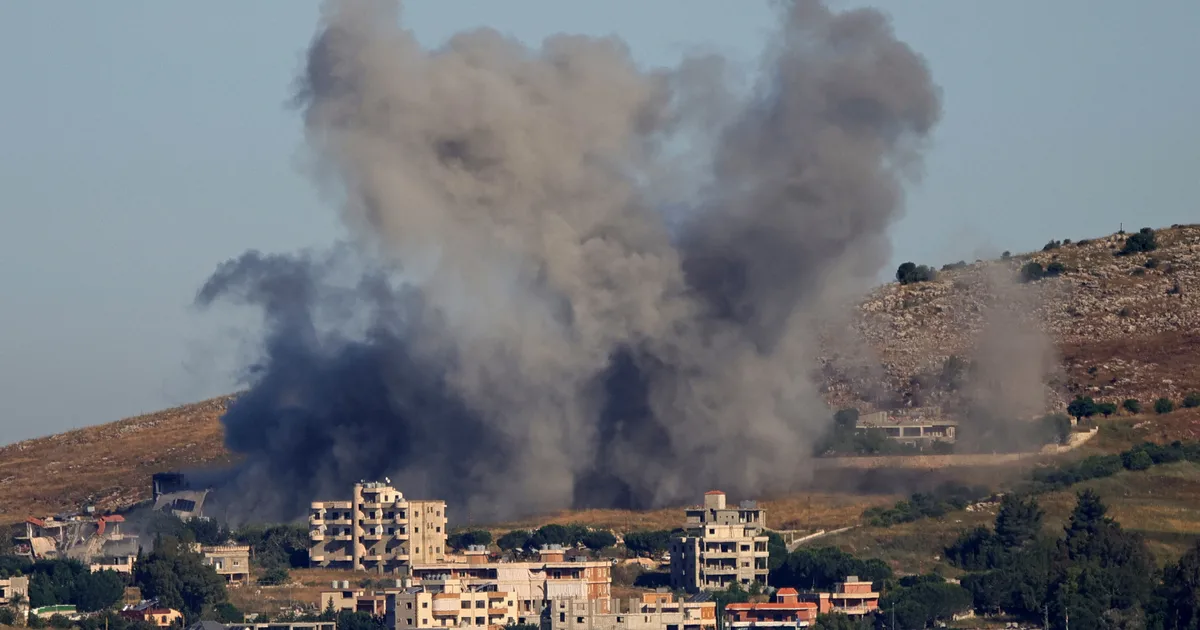
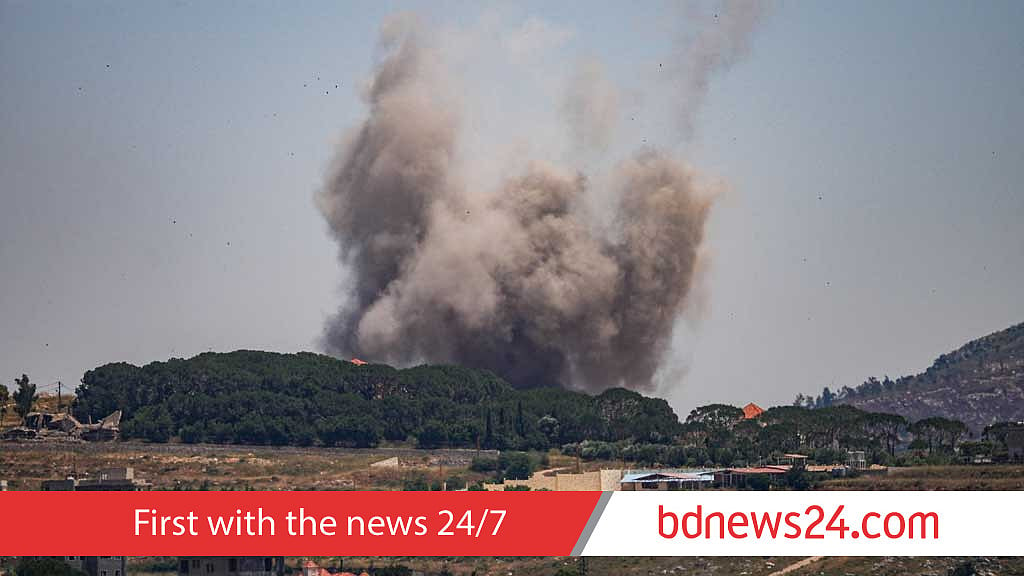
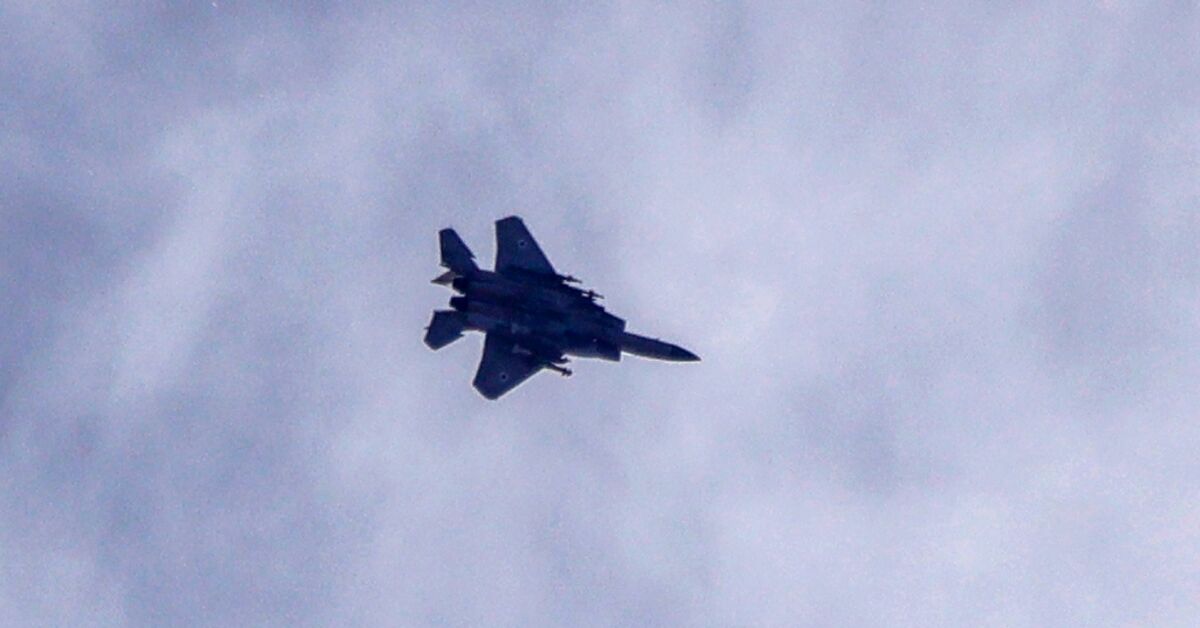
Despite the announcement, the situation on the ground remained fragile. Israeli forces carried out drone strikes in the Nabatieh region of southern Lebanon only hours after the agreement was made public. Air raid alerts were also reported in northern Israel after authorities detected what they described as a suspicious aerial target. No casualties were reported in that incident.