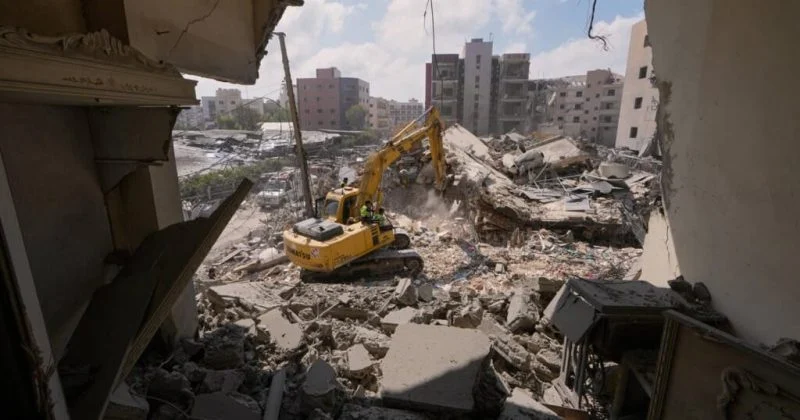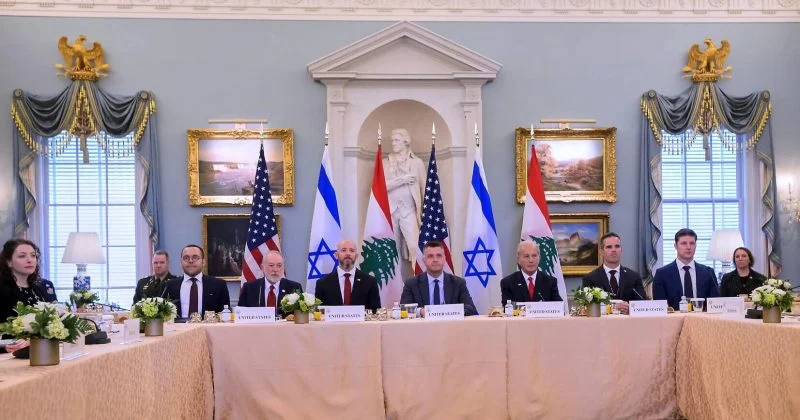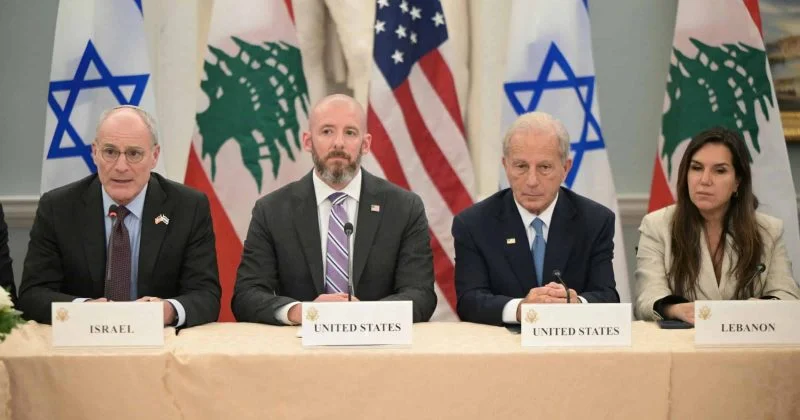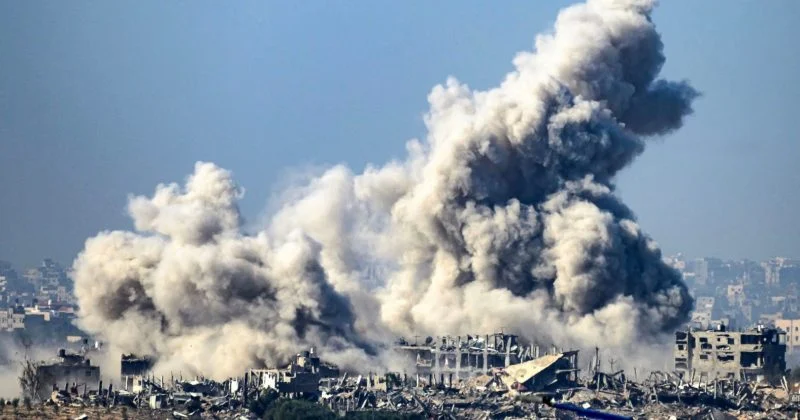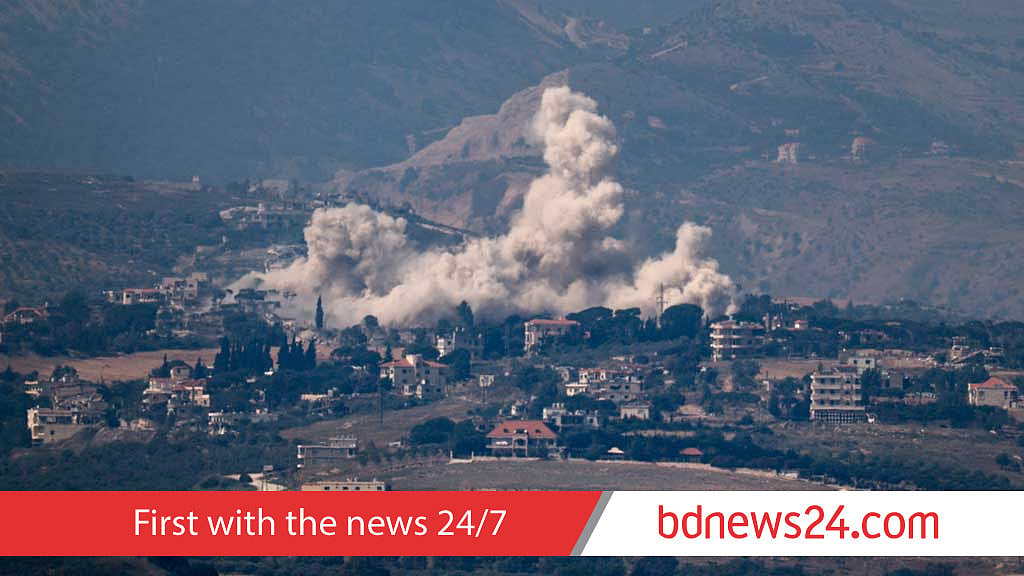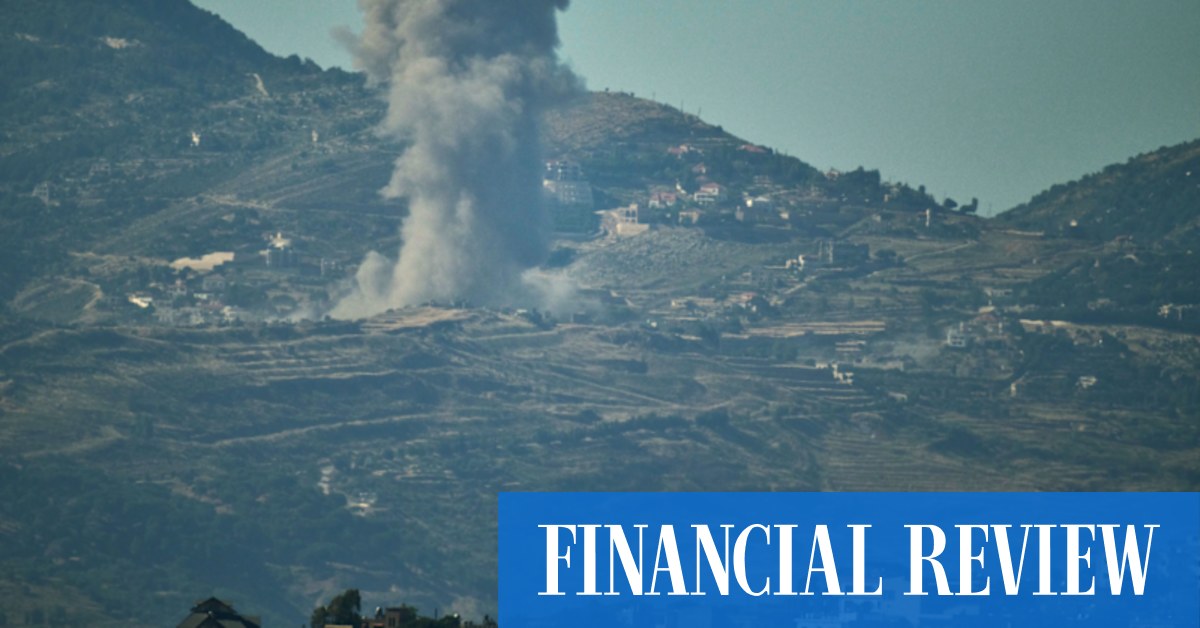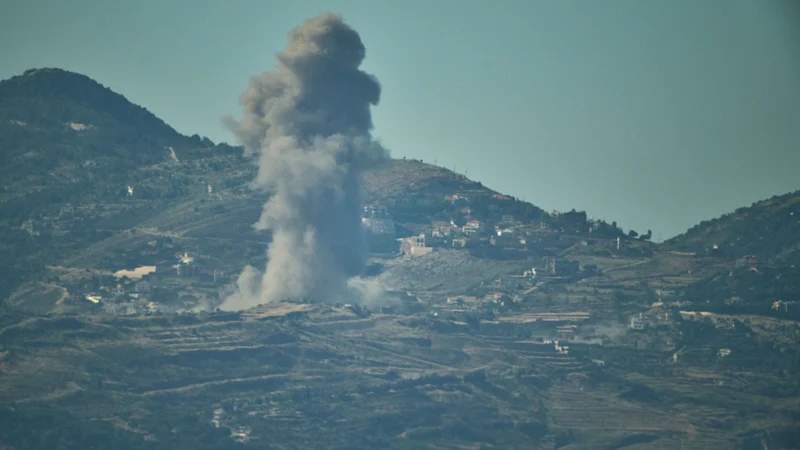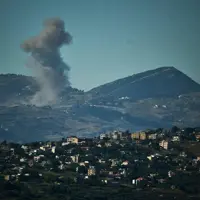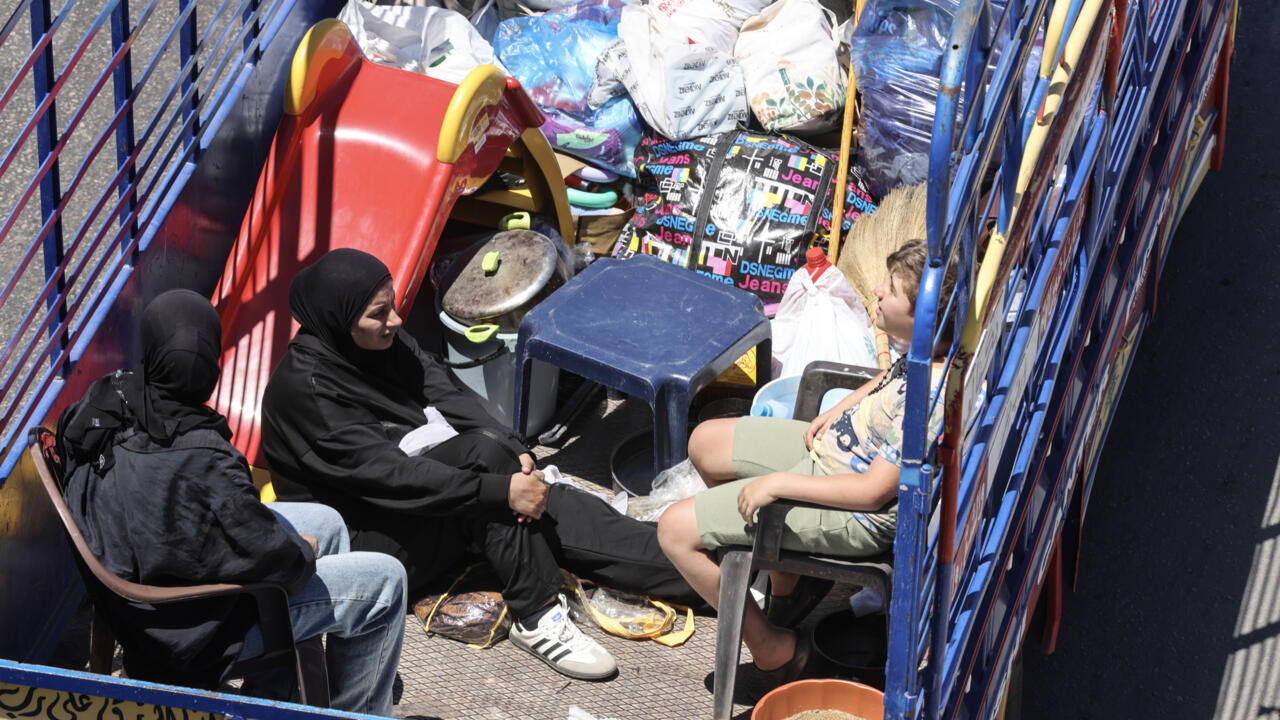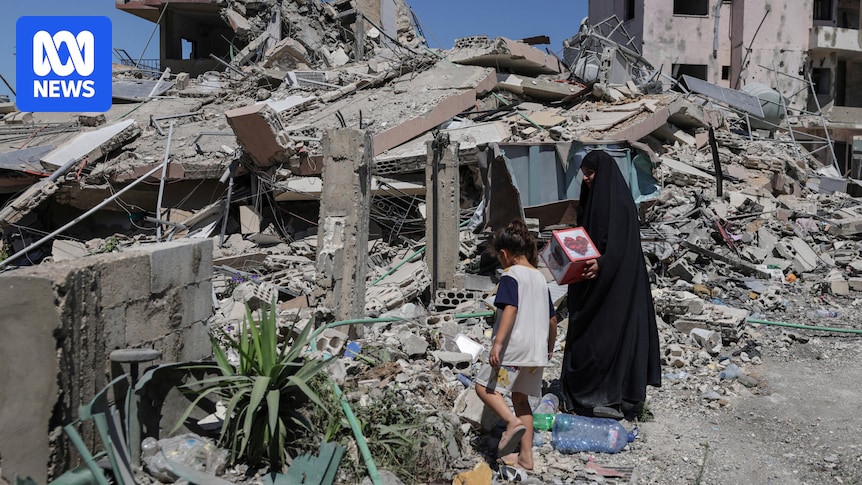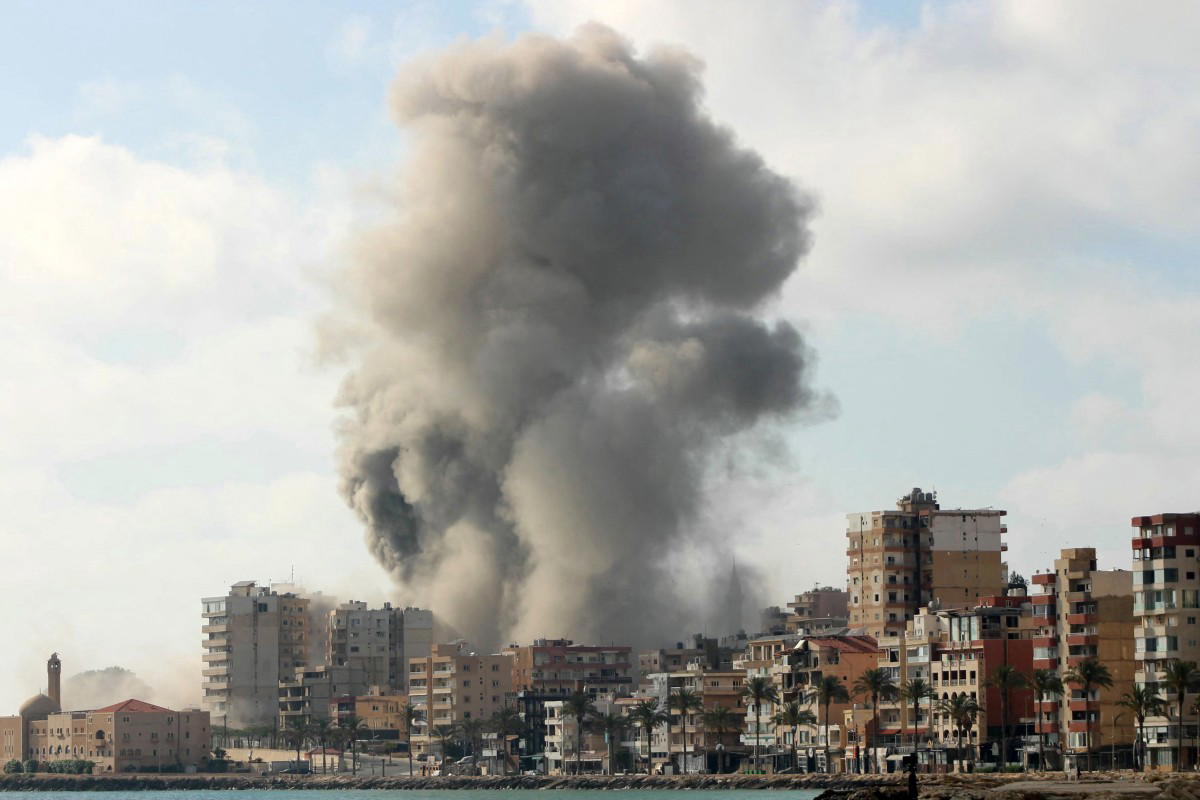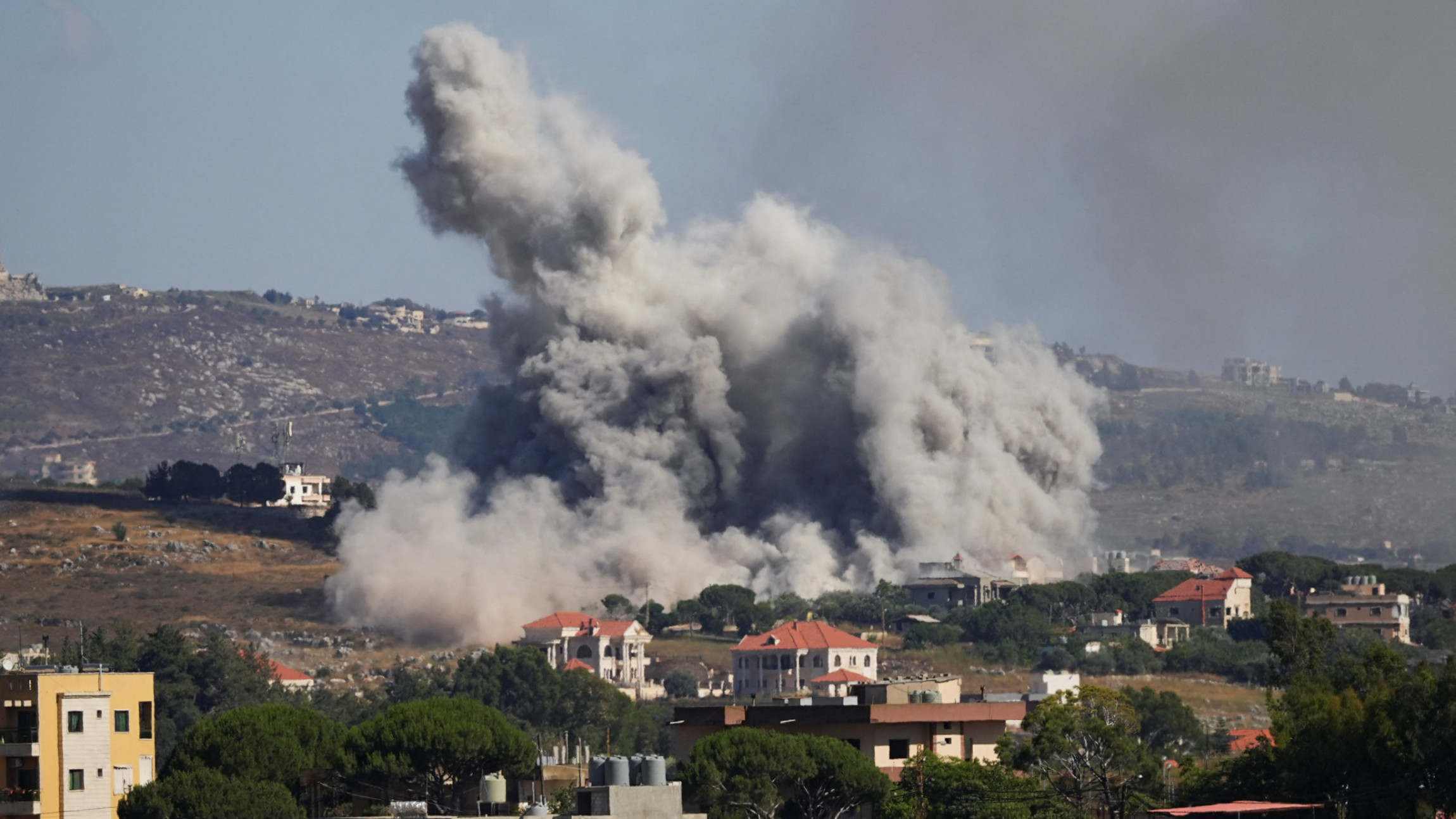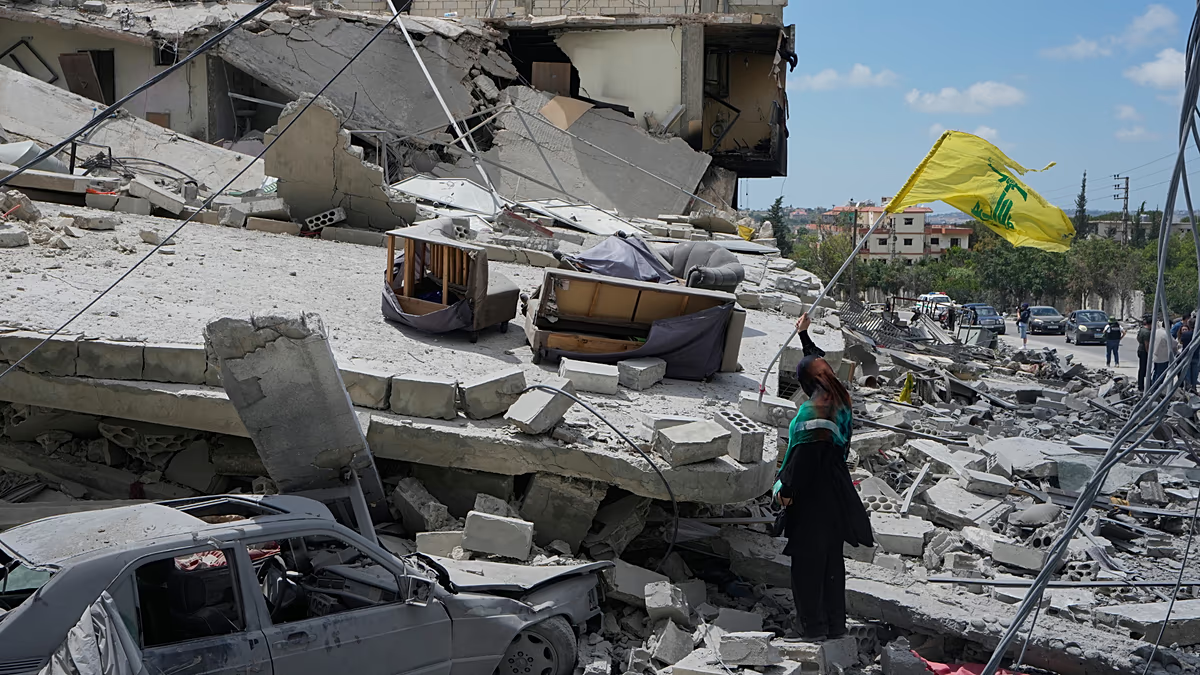
Israel and Hezbollah have agreed to a ceasefire in Lebanon, effective June 19, 2026, after a sharp escalation in cross-border violence that killed four Israeli soldiers and left at least 18 dead in Lebanon. The truce, brokered with US and Qatari mediation, went into effect around 4 p.m. local time.
The agreement arrives at a particularly precarious moment. Broader US-Iran negotiations aimed at a regional peace framework were postponed as the fighting intensified.
What happened and why it matters
The latest ceasefire builds on a pattern that’s become grimly familiar in 2026. Back on April 16, the US brokered a 10-day cessation of hostilities between Israel and Hezbollah. Subsequent negotiations in June attempted to establish a more durable agreement, with conditions reportedly including Hezbollah’s withdrawal south of the Litani River. Hezbollah rejected those terms.
Both sides have publicly expressed willingness to abide by the new ceasefire, though each has also stressed that violations by the other could reignite the conflict.