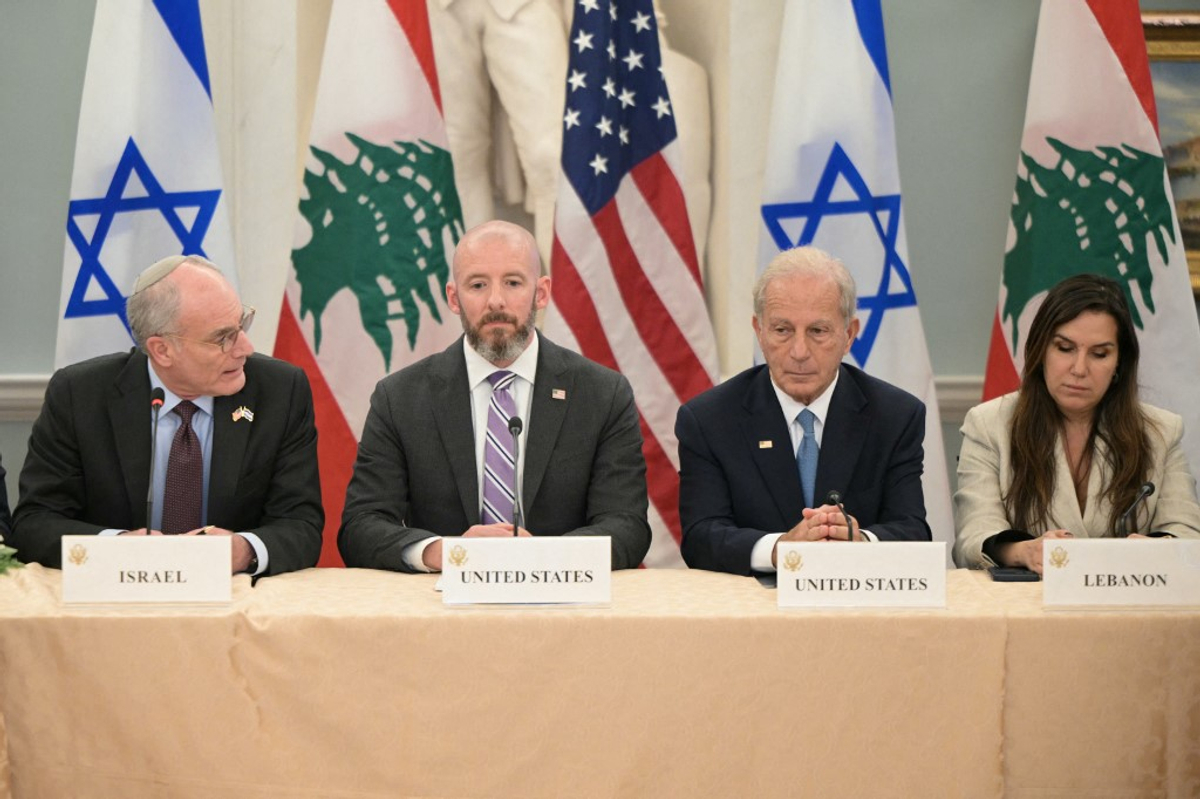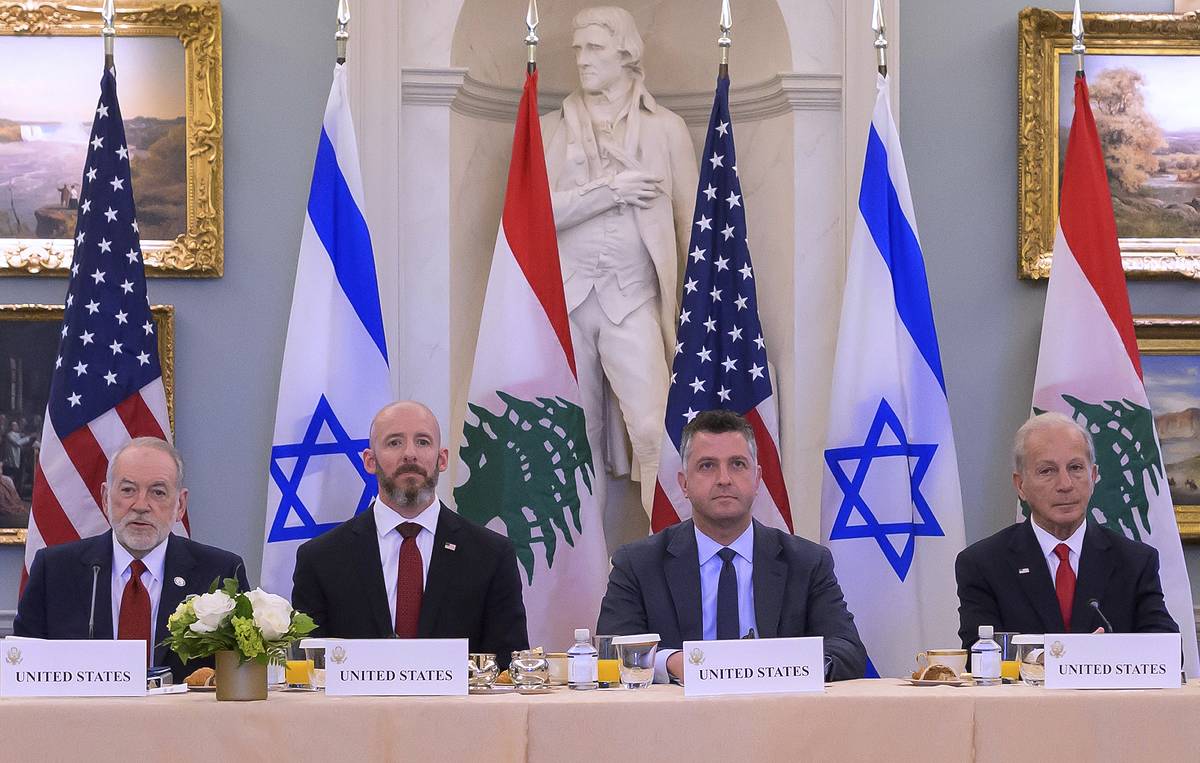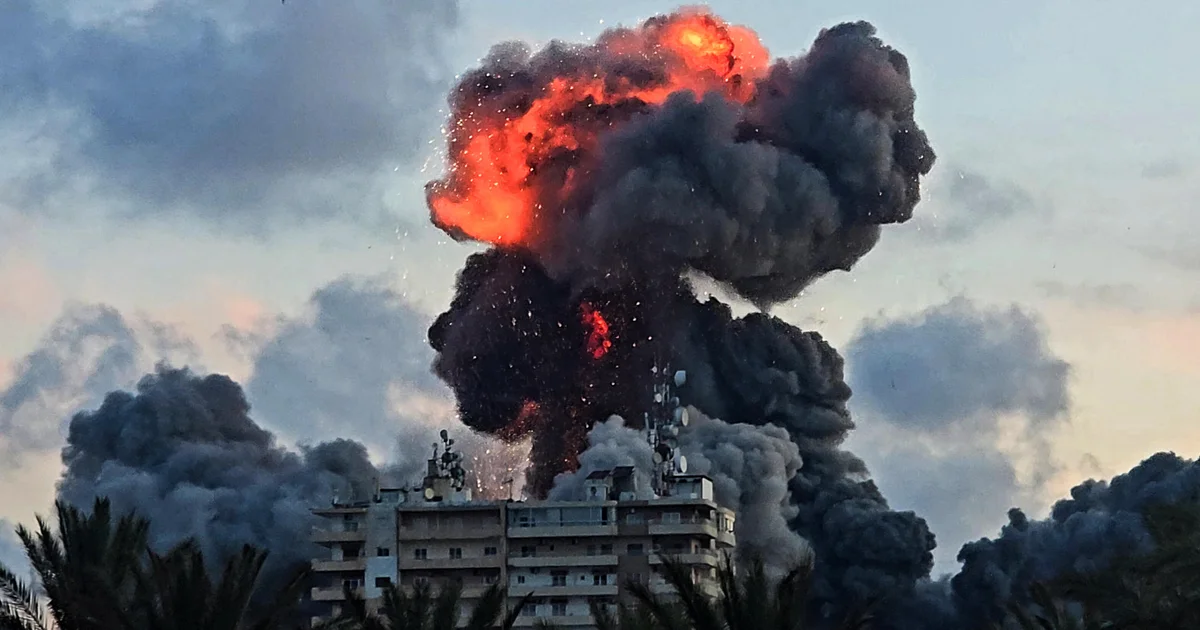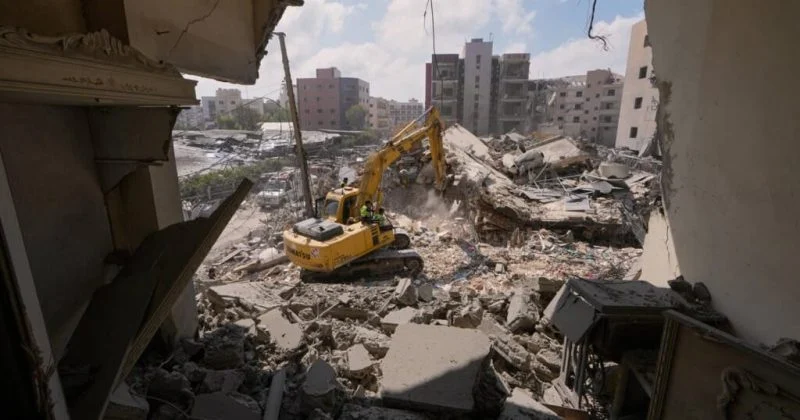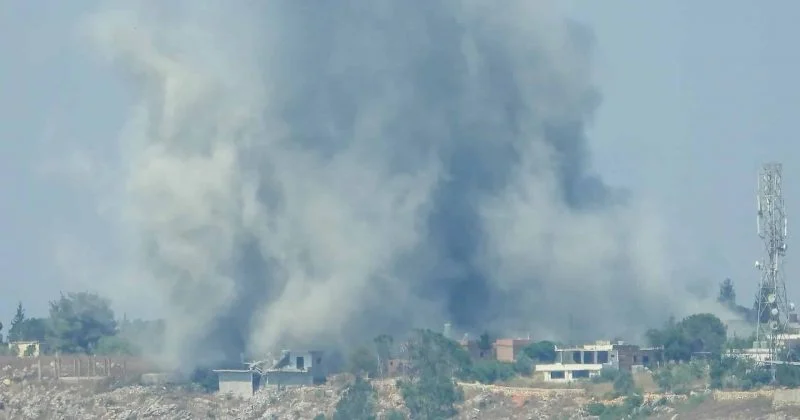
Israel and Lebanon have reached a ceasefire agreement requiring Hezbollah to stop firing and evacuate its positions from the South Litani sector. The deal, finalized on June 3-4, came after the fourth round of US-brokered trilateral negotiations and represents the most concrete step toward sustained calm along the border in months.
What the deal actually requires
Earlier agreements from November 2024 and April 2026 mandated Hezbollah forces to move north of the Litani River within 60 days, overseen by a US-led monitoring mechanism. This latest round builds on a 10-day ceasefire announced in April 2026, essentially graduating a temporary truce into something more permanent.
Compliance has been the persistent sticking point. Reports indicate ongoing tensions even during extension talks. Prediction markets have reflected this uncertainty, with fluctuations corresponding to ceasefire extension odds and compliance expectations.
Why crypto markets are paying attention