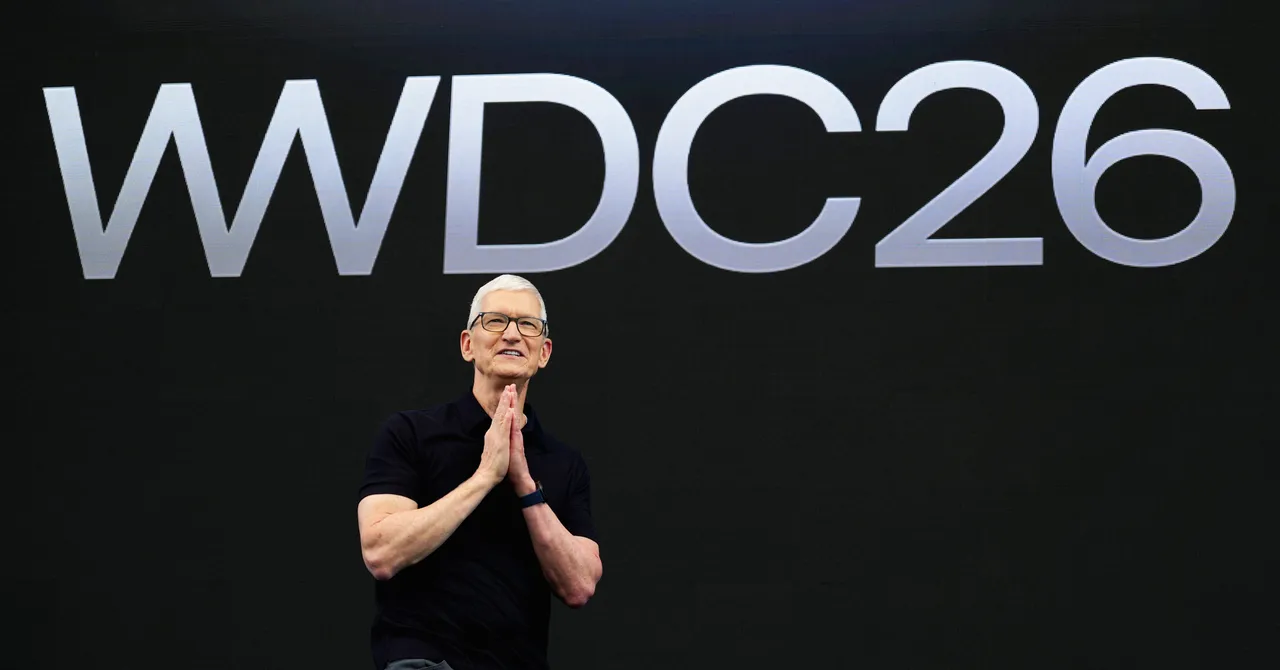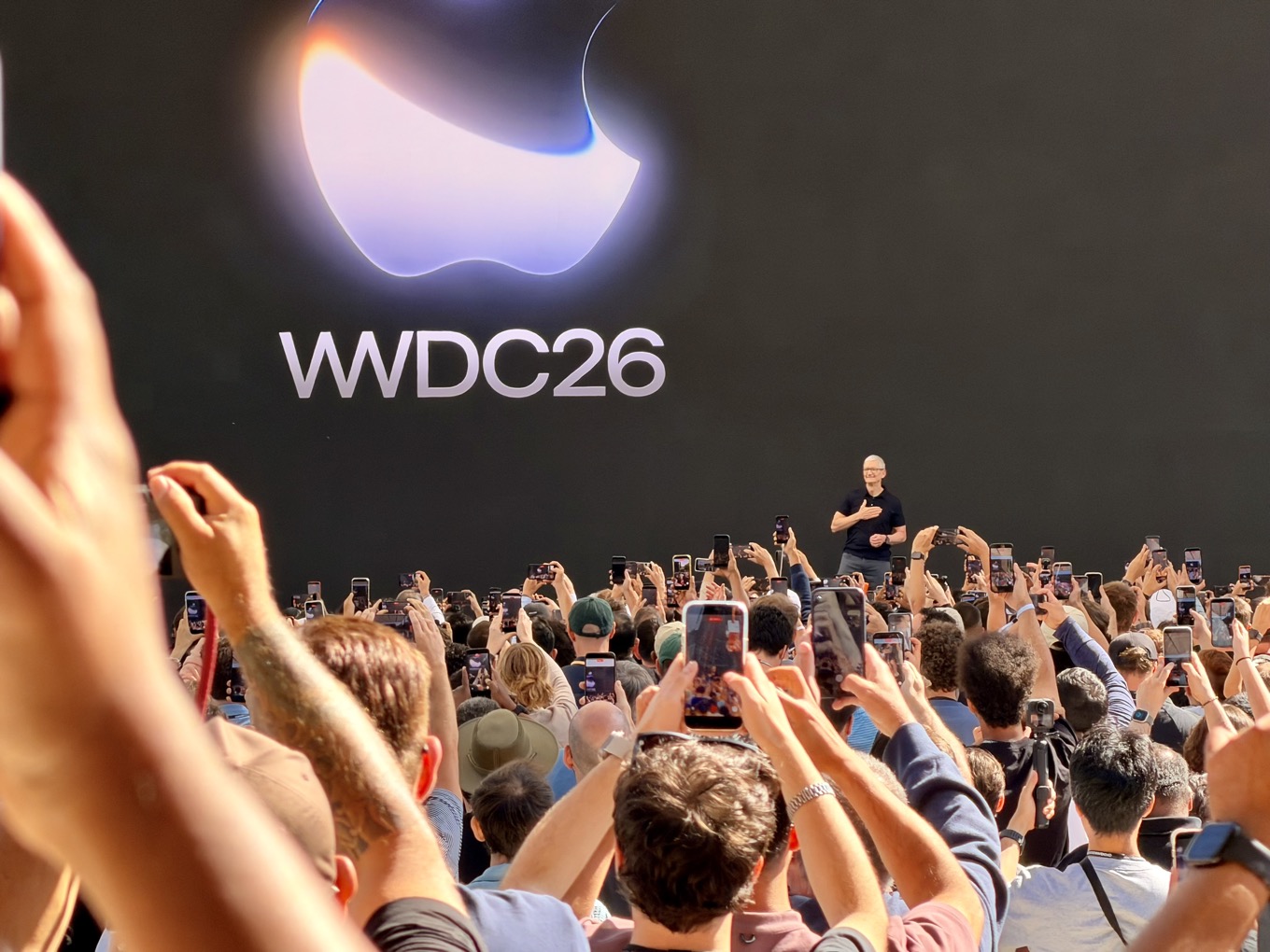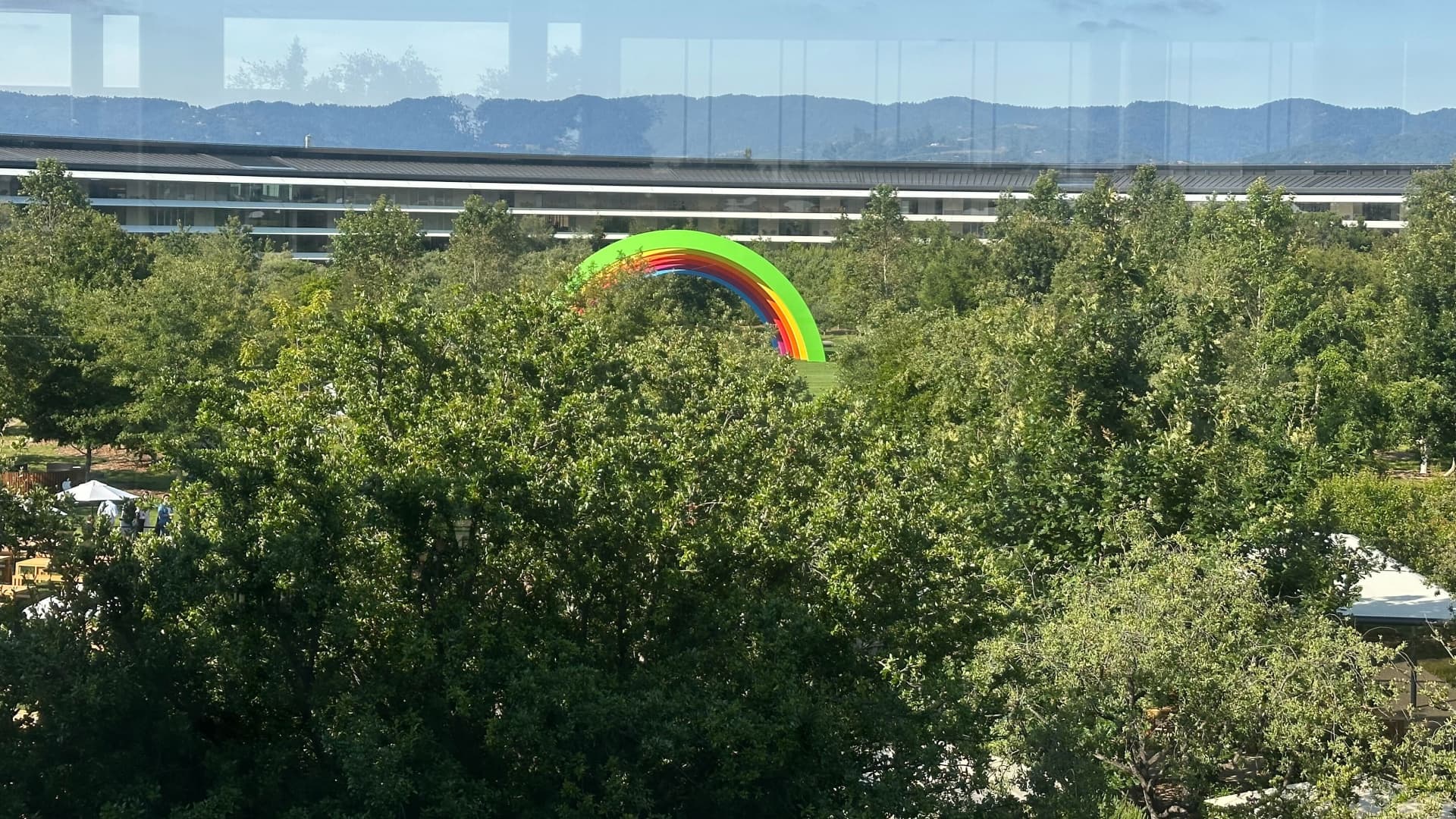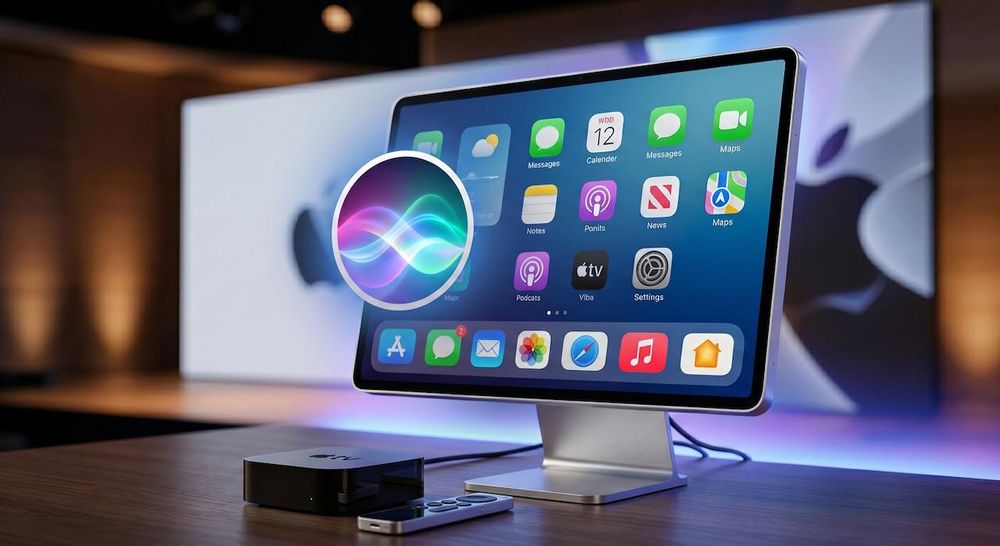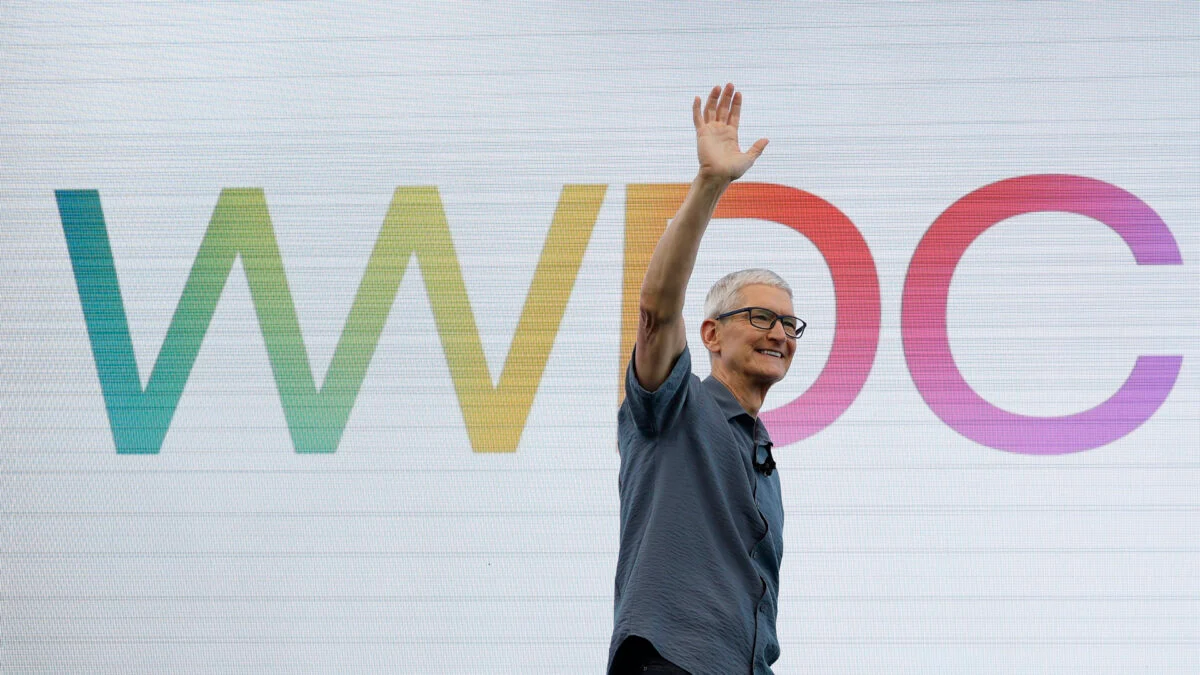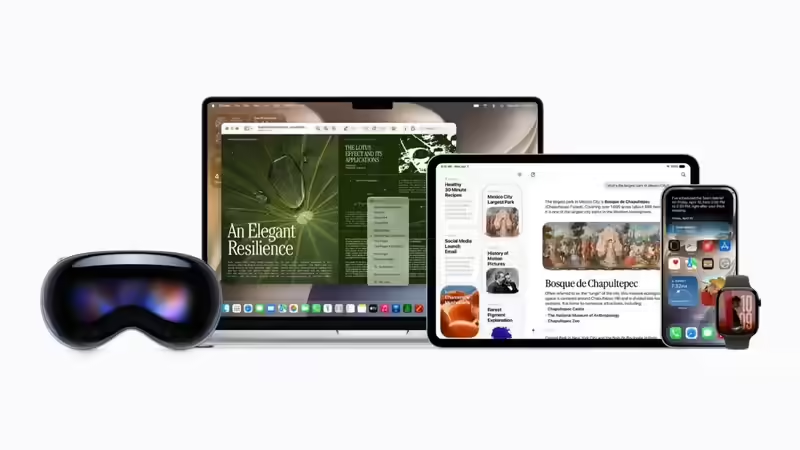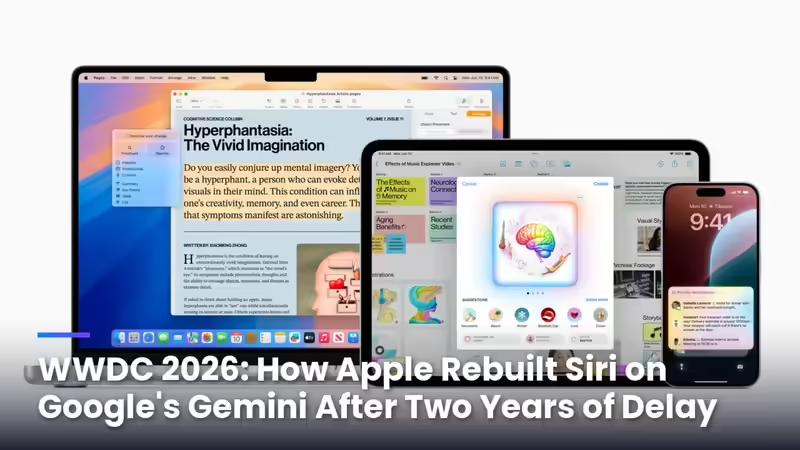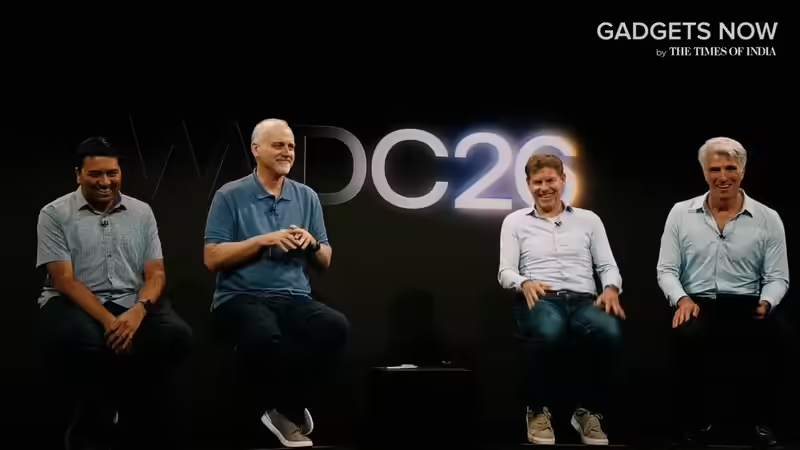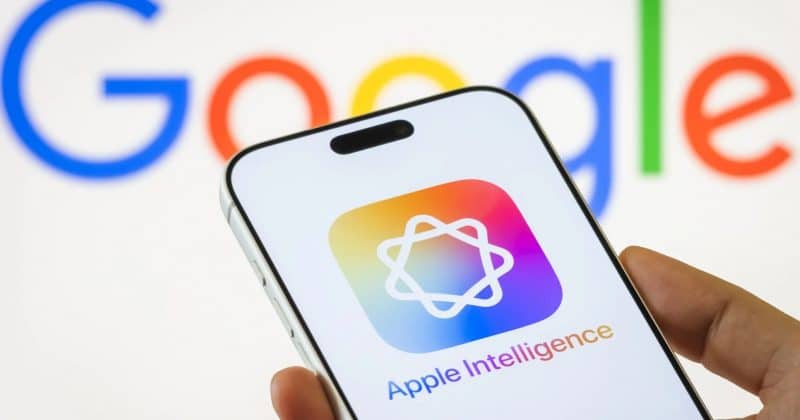
Photo credit: X/@MacTrastThis is the year Apple hands the brain of Siri to an outsider. WWDC 2026 opens on Monday, 8 June, and the centrepiece is a rebuilt, Gemini-powered Siri running on a custom 1.2-trillion-parameter model Apple reportedly licenses from Google for around $1 billion a year. Everything else - the v27 software sweep, the Liquid Glass clean-up, the quiet hardware roadmap - orbits that single decision. I am flying to Cupertino to watch it land from Apple Park, because a company that built a religion out of self-reliance is about to bend the knee to its oldest rival on stage, and Tim Cook is doing it at his final keynote as chief executive. That is worth seeing in the room.Key TakeawaysWWDC 2026 runs 8–12 June. The keynote is Monday, 8 June at 10am PT, which is 10:30pm IST, streamed free on Apple.com, the Apple TV app and Apple's YouTube channel. The format stays hybrid, with a select group of developers and media at Apple Park.The Gemini-powered Siri is the headline reveal. It reportedly runs on a custom 1.2-trillion-parameter Google Gemini model - about eight times the size of Apple's current 150-billion-parameter cloud model - under a multi-year deal announced on 12 January 2026 and valued by Bloomberg at roughly $1 billion a year, struck after Apple's own foundation-models team was gutted by departures to Meta.The whole software family steps to version 27: iOS 27, iPadOS 27, macOS 27, watchOS 27, tvOS 27 and visionOS 27, in a stability-and-polish cycle layered with new Apple Intelligence features.This is Tim Cook's last WWDC as CEO. Apple confirmed on 20 April 2026 that Cook becomes executive chairman on 1 September 2026, with John Ternus taking over as chief executive the same day and Johny Srouji stepping up as Chief Hardware Officer with immediate effect.Hardware mostly stays backstage. A global memory-chip shortage has pushed Mac launches out; the software groundwork for the September iPhone Fold (rumoured at roughly $2,400–$2,500, alongside the iPhone 18 line) is the device tell to watch.When is the WWDC 2026 keynote, and how do I watch it from India?The keynote begins Monday, 8 June at 10am PT, which lands at 10:30pm IST the same night. Apple streams it free on Apple.com, inside the Apple TV app, and on Apple's YouTube channel, with a replay usually up within an hour. The Platforms State of the Union, the more technical session developers care about, follows at 1pm PT. Watching is free for everyone, with or without a developer account. WWDC stays a software show with a hybrid shell: online for the world, with a one-day in-person viewing at Apple Park for invited developers, students and press. The conference itself runs through 12 June with more than a hundred sessions and labs.Why is this the most important WWDC in years?Because Apple has burned its AI credibility once already, and this is the repair job. The "more personal" Siri Apple showed at WWDC 2024 slipped, then slipped again, and Apple Intelligence shipped to a verdict of underwhelming. So Apple did the thing it had sworn off for years: it went to the bank. The Google deal is the Iron Bank arrangement of the decade - two great houses that have circled each other for fifteen years, now trading gold across the table. Google already pays Apple a reported $20 billion a year to sit as the default search engine in Safari. Now the river reverses, and Apple pays Google for intelligence. A debt always comes due, and the price of Apple's AI delay is a cheque written to Mountain View. Cook wants this WWDC to be the moment his long reign stops being associated with a misfiring assistant. The alliance is the instrument; 8 June is the wedding.What exactly is the new Gemini-powered Siri?It is a brain transplant, performed in public, with Apple insisting the patient is still the same person. The new Siri reportedly runs on a custom 1.2-trillion-parameter Gemini model built by Google specifically for Apple, eight times larger than the 150-billion-parameter system powering today's cloud features. Apple's defence against the obvious "is it still Siri" question is architectural: the model runs on Apple's own Private Cloud Compute servers rather than Google Cloud, Gemini stays unbranded inside the interface, and the contract reportedly stops Google training on user queries. This is the Blade Runner trick - more capable than before, while Apple swears the soul under the glass is still Cupertino's. Expect a dedicated Siri app across iOS 27, iPadOS 27 and macOS 27 with an "Extensions" feature, both text and voice input, and saved conversation history; a Dynamic Island that surfaces a "Search or Ask" prompt with a glowing cursor; and the long-delayed personalised Siri demo from 2024, where the assistant pulls your mother's flight time from Mail and a lunch booking from Messages. There is also chatter, which I would treat as a hope rather than a promise, that users may pick which model - Gemini, Claude or ChatGPT - powers their requests. On the last earnings call, Cook said Apple looks forward to "bringing a more personalized Siri to users coming this year." The pod bay doors, at last, are meant to open.Who left, and who Apple brought in to fix itThe Google deal makes sense once you count the empty chairs. Through 2025, Meta's new Superintelligence Labs raided Apple's AI bench the way a rival house buys up the best sellswords. Ruoming Pang, who built and led the roughly 100-strong Apple Foundation Models team behind Apple Intelligence, left for Meta in July 2025 on a package reported at more than $200 million; Apple reportedly let him walk rather than match it. Around a dozen of his researchers followed, among them Tom Gunter and Mark Lee. In October, Ke Yang, who ran Apple's ChatGPT-style answers engine - the World Knowledge Answers project meant to anchor the March 2026 Siri - also crossed to Meta. The brain meant to power the new Siri walked out of the building in instalments.The repair job reshaped the top of the org chart. In March 2025 Apple stripped Siri from AI chief John Giannandrea, the 2018 Google hire, and handed it to Mike Rockwell, the executive who shipped Vision Pro, with Rockwell reporting to software chief Craig Federighi. Giannandrea later lost the robotics team too, and by late 2025 Apple confirmed he would step down, staying as an advisor until a spring 2026 retirement. Apple split his old domain three ways - Federighi over Siri and Apple Intelligence, services chief Eddy Cue and chief operating officer Sabih Khan over the rest - and hired Amar Subramanya, a veteran of Microsoft and Google DeepMind, as vice-president of AI under Federighi. The throughline is plain: Apple moved AI out of a standalone research fief and parked it inside the software group that ships the OS every autumn. The Gemini contract is that same instinct, pointed outward - rent the frontier model while the rebuilt team finds its feet.What is new in iOS 27 beyond Siri?Most of it is polish, and that is the point of a v27 year. Bloomberg likens iOS 27 to Snow Leopard, the 2009 Mac release that fixed bugs and trimmed code rather than piling on features - Apple clearing the decks before the foldable era. The single most-requested change is a system-wide Liquid Glass slider, fine control over the transparency Apple introduced in iOS 26, extended from the lock-screen clock to app folders, home-screen elements and navigation bars. Photos is in line for generative editing tools reported as Extend, Enhance and Reframe, the last designed to shift perspective in spatial images. Genmoji and Image Playground should produce higher-resolution, more coherent results that better match the prompt. The AirPods settings menu, a clutter Apple has left alone for years, gets a full reorganisation for noise modes, battery, spatial audio and firmware. Smaller wins round it out: sharper keyboard autocorrection, a more customisable Camera app, Safari tabs that group themselves, and Apple Maps laid over satellite imagery. And iOS 27 lays the foundations the iPhone keeps hidden until September: two-apps-side-by-side multitasking and an iPad-flavoured interface built for the foldable form factor.What WWDC 2026 means for developersFor developers, the question underneath every Siri demo is whether they can build on Apple's AI without getting burned. Last year Apple opened the Foundation Models framework, giving apps direct Swift access to the on-device model for text generation, summarisation, structured output and tool calling, at no per-request cost - Automattic's Day One journal was an early adopter. This year the wish-list is specific. Top of it: multimodal input, so the framework accepts images, which would let apps drop the hand-bundled vision models they ship today and lean on a system API instead. Next, the Siri "Extensions" layer married to App Intents, the framework that lets an app expose its actions so Siri can run them with the app still closed - the highest-return thing a developer can adopt before the keynote, since it pays off whatever Apple announces. App Intents already gained visual-intelligence support last year, surfacing an app's results inside camera-based search; iOS 27 is expected to widen that. And Xcode is the quiet battleground: the 2025 release wired ChatGPT into the coding pane and let developers plug in their own models, including local ones, with Anthropic's Claude reachable by API key. With Gemini now inside Apple's own stack, the live question is which models Apple lets developers wire into Xcode next, and how far AI-assisted Swift generation goes.Apple's accessibility push, previewed before the keynoteApple front-loaded its accessibility news on 19 May, ahead of Global Accessibility Awareness Day, with a slate of Apple Intelligence-powered features set to ship later in 2026, almost certainly with iOS 27. VoiceOver and Magnifier gain detailed, on-device descriptions of images, text and the camera viewfinder, and Image Explorer can read out a photo, a scanned receipt or a document and take follow-up questions. Live Recognition, launched from the Action Button, lets a user point the camera, ask what is in front of them, and ask again for more. Voice Control learns natural language, so a user can describe an on-screen button in plain words rather than reciting its exact label, a tell for the same language engine driving the new Siri - beginning in English across the US, Canada, the UK and Australia. Auto-generated subtitles arrive for uncaptioned video across iPhone, iPad, Mac, Apple TV and Vision Pro, produced privately on-device. Accessibility Reader and expanded wheelchair controls round out a release Apple is treating as one of its larger accessibility years. The throughline reaches past accessibility: each of these leans on Apple's own on-device models, which is Apple arguing its AI earns its keep even before the Gemini Siri lands.The 2026 Apple Design Award winners and finalistsApple named its 2026 Apple Design Award winners on 2 June, ahead of the keynote - 12 apps and games chosen from 36 global finalists across six categories: Delight and Fun, Inclusivity, Innovation, Interaction, Social Impact, and Visuals and Graphics. India has a winner: Guitar Wiz, by solo developer Bijoy Thangaraj, took Inclusivity for a guitar-teaching toolkit built to support players of differing abilities. The affirmation app grug, by Ocho of the Netherlands, won Delight and Fun alongside the Spanish logic puzzler Is This Seat Taken? from Poti Poti Studio; Pine Hearts, from the UK's Hyper Luminal Games, shared Inclusivity; and Cyberpunk 2077: Ultimate Edition, by CD Projekt, took Visuals and Graphics. The roll also included the puzzle hit Blue Prince, inkle's wartime puzzler TR-49, and the training app The Outsiders. The finalist bench ran deep, with Panic's Blippo+, FuturLab's PowerWash Simulator, Sid Meier's Civilization VII, Hypergryph's Arknights: Endfield, and Not Boring Software's (Not Boring) Camera among the names left standing. Susan Prescott, Apple's vice-president of worldwide developer relations, described the class as the best of what the platform makes possible. Apple also spotlighted four Distinguished Winners of this year's Swift Student Challenge, its annual contest for student coders, in the same pre-show run.Health, rebuilt around the new SiriHealth is the feature most likely to slip, even as Apple keeps teasing it. The marquee project - an AI health coach codenamed Mulberry, sold internally as a "Health+" service with meal logging, camera-based workout-form analysis and video guidance from Apple-hired doctors - was scaled back in early 2026 after services chief Eddy Cue took over the health group from the retired Jeff Williams. Reporting now puts Mulberry's launch later in the iOS 27 cycle rather than at the keynote, while Apple clears regulatory ground with the US Food and Drug Administration. What could still land on 8 June: a redesigned Health app, a watchOS 27 overhaul of heart-rate tracking, iPhone-camera gait analysis, and a Siri able to field health questions across the Health app using on-device data. Cook has called health Apple's greatest contribution to humanity; this is the year the slogan meets a shipping date, or slips past one again.The v27 software lineup at a glancePlatformHeadline change expectedPublic releaseiOS 27Gemini-powered Siri, Liquid Glass slider, generative Photos tools, foldable groundworkSeptember 2026iPadOS 27New Siri, deeper macOS convergence, Continuity expansionSeptember 2026macOS 27Apple Silicon only (Intel Macs dropped), Siri app, touch-ready UI tweaksSeptember 2026watchOS 27New watch faces including a Modular Ultra variant, refined heart-rate trackingSeptember 2026tvOS 27 / visionOS 27Apple Intelligence carry-over; visionOS price-and-platform questions openSeptember 2026Will your iPhone get iOS 27 and the new Siri?Most iPhones from the last five years make the cut, though the headline Siri sits behind a higher wall. A widely-circulated leaked list, yet to be confirmed by Apple, puts the iOS 27 cut-off at the iPhone 12 and its A14 chip, retiring the iPhone 11 family and the second-generation iPhone SE to iOS 26. The new Gemini-powered Siri and the wider Apple Intelligence suite need an iPhone 15 Pro or newer. That splits the installed base into three tiers.Your iPhoneWhat iOS 27 gives youiPhone 15 Pro, 15 Pro Max, and any iPhone 16 or 17Full iOS 27, Apple Intelligence and the new Gemini SiriiPhone 12 through iPhone 15 and 15 PlusFull iOS 27, minus Apple Intelligence and Gemini SiriiPhone 11 family and iPhone SE (2nd gen)Stays on iOS 26 with security updates onlyApple confirms the real list at the keynote, so treat the tiers as a strong leak rather than gospel.Will there be any hardware at WWDC 2026?Expect little, and the cause is supply rather than ambition. A global memory-chip shortage has Apple holding fire on new Macs; the rumoured Mac Studio with an M5 Ultra and the OLED, touchscreen MacBook Pro on the next-generation chip now look like late-2026-or-2027 stories rather than June ones. WWDC stays a stage for hardware only when the story serves developers, so the wild cards remain a Mac Studio refresh or a Vision Pro price move. The device that matters most stays off the keynote slides by design: the iPhone Fold, Apple's first foldable, is expected in September alongside the iPhone 18 line at roughly $2,400–$2,500 in the United States - which, after duties, would make it the most expensive iPhone India has ever seen. Watch the software rather than the spec sheet. Every multitasking demo in iOS 27 is a foldable rehearsal.What does WWDC 2026 mean for India?The new Siri is the part that matters most here. A Gemini-class assistant that reads screen context and reasons across apps travels well across English-heavy Indian usage, though Apple has yet to confirm Hindi or wider Indian-language support - treat that as a wish until the keynote says otherwise. The keynote itself is a 10:30pm IST watch, late-night rather than working-day. There is a second India layer worth tracking: regulatory pressure has reportedly pushed Apple toward letting users set alternative casting protocols and, in time, third-party AI assistants, the sort of opening-up that mirrors the App Store concessions India's competition watchers have wanted. And the foldable's rupee price will reset the ceiling for premium phones here, dragging the whole category's pricing logic up with it.Cook's last keynote as CEOThis is Tim Cook's final WWDC as chief executive, and that is now fact rather than rumour. Apple announced on 20 April 2026 that Cook will become executive chairman of the board on 1 September 2026, with John Ternus, the senior vice-president of hardware engineering, taking over as CEO the same day and joining the board. Apple named Johny Srouji, its long-time silicon chief, Chief Hardware Officer with immediate effect, handing him both hardware engineering and hardware technologies, with Tom Marieb running hardware engineering under him. Cook stays CEO through the summer, which puts him on the Apple Park stage on 8 June one last time in the role he has held since 2011. It gives the keynote a second weight: a leader who wants his final developer keynote to read as triumph rather than apology. Yet the test that counts arrives after the lights go down. A slick Siri demo on stage is a given - Apple rehearses those better than anyone alive. What matters is whether the thing ships on time, doing what the demo showed, on the hundreds of millions of iPhones already in pockets. Apple has spent a decade selling privacy and self-reliance as the product. It now rents the brain of its assistant from the company that pays it $20 billion to stay default in Safari, and it does so with the team that was meant to build that brain scattered across Meta's payroll. That contradiction is the most interesting thing Cook carries onto the stage in his final act, and it lands in Ternus's lap on 1 September.Frequently Asked QuestionsIs the new Apple Siri powered by Google?Reportedly, yes, for its most complex reasoning. Apple is said to license a custom 1.2-trillion-parameter Gemini model from Google under a multi-year deal announced on 12 January 2026, run on Apple's own Private Cloud Compute servers. Simpler requests still run on-device, and Apple keeps Gemini unbranded inside Siri's interface.Why did Apple turn to Google for Siri's AI?Because its own effort stalled and its bench thinned. Apple's Foundation Models team lost its leader, Ruoming Pang, and around a dozen researchers to Meta in 2025, and the in-house models trailed those of OpenAI, Google and Anthropic. Licensing a custom 1.2-trillion-parameter Gemini model buys Apple frontier capability now while it rebuilds in-house.Who runs Apple's AI now?Software chief Craig Federighi holds overall accountability for Apple Intelligence and Siri, with Vision Pro veteran Mike Rockwell running Siri day to day. Apple hired Amar Subramanya, formerly of Microsoft and Google DeepMind, as vice-president of AI in late 2025, as John Giannandrea stepped back toward a spring 2026 retirement.Will my iPhone support iOS 27?A leaked list puts the cut-off at the iPhone 12 and newer, which would drop the iPhone 11 family and the second-generation iPhone SE. Even on supported phones, the new Gemini Siri and Apple Intelligence reportedly need an iPhone 15 Pro or newer. Apple confirms the official list at the 8 June keynote.Can I install iOS 27 on day one?Developers can install the first iOS 27 beta immediately after the 8 June keynote, usually the same afternoon. A free public beta typically follows in July. The stable release for everyone is expected in September 2026, alongside the iPhone 18 series.Does the Gemini deal mean Google sees my Siri data?Apple says Google receives only processed queries, handled through its own Private Cloud Compute servers, with a contractual bar on training from user data. Privacy researchers note that any new cloud pathway is a fresh attack surface, so the safeguard is a claim worth watching once the feature ships.Will Apple announce the foldable iPhone at WWDC 2026?Almost certainly software-only. WWDC is a software conference, and the iPhone Fold is expected at the September launch alongside the iPhone 18 line. What you will see is the groundwork - side-by-side apps and an iPad-style interface in iOS 27 - built to support a foldable Apple has yet to confirm.Who won the 2026 Apple Design Awards?Apple named 12 winners on 2 June, chosen from 36 finalists across six categories. They include grug for Delight and Fun, Guitar Wiz from India for Inclusivity, Is This Seat Taken? and Pine Hearts, and Cyberpunk 2077: Ultimate Edition for Visuals and Graphics. The winners were revealed ahead of the 8 June keynote.Is this Tim Cook's last WWDC keynote as CEO?Yes. Apple confirmed on 20 April 2026 that Cook becomes executive chairman on 1 September 2026, with John Ternus taking over as CEO the same day. Cook stays chief executive through the summer, so the 8 June keynote is his last WWDC in the role. Apple also named Johny Srouji as Chief Hardware Officer, effective immediately.end of article
WWDC 2026: What To Expect As Apple Hands Siri's Brains To Google
Find latest technology news, gadgets reviews & ratings. Popular & latest gadgets specifications, features, prices, photos & videos. Trending mobile phone comparisons, slideshows, how tos and videos for latest mobile phones, tablets, technology news updates.
3,434 words~16 min read