Vibe coding moves from weekend hobby to enterprise change management mandate
Artificial intelligence is rewriting how software gets built inside large enterprises — not just at the tooling level, but at the level of culture, governance and organizational change. The rise of vibe coding, where developers describe intent in natural language and let AI generate working code, is collapsing development cycle times and forcing leadership to rethink how engineering teams measure progress, enforce standards and manage resistance to new ways of working.
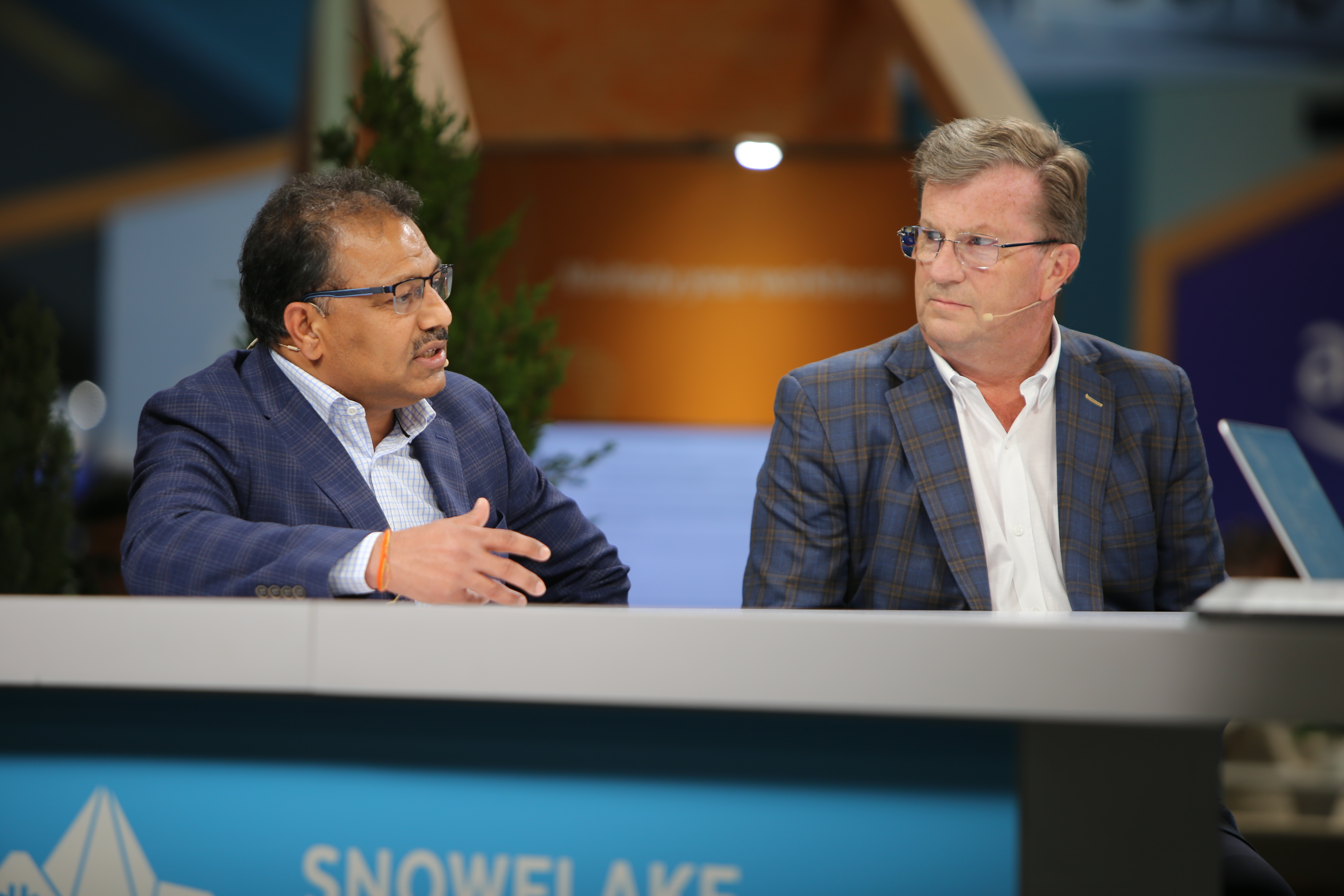
That shift is playing out in real time at both Snowflake Inc. and Clover, a commerce platform and subsidiary of Fiserv Inc. that serves about one million merchants across 12 countries. CIOs at both organizations are discovering that the harder challenge is not getting people to try AI-assisted development — it is managing the cultural transformation once they do, according to Mike Blandina (pictured, right), chief information officer of Snowflake Inc.
“I think you can enforce standards in the model,” Blandina said. “In this particular project, anything we build, here’s a set of boundaries that you as my agent for code development should not cross. Here’s my standards for the type of artifacts we want to use and the type of code we want to use. You can do that upfront, just like you would do on a paper document and enforce through the software development life cycle.”