This article was originally published on aicoderscope.com
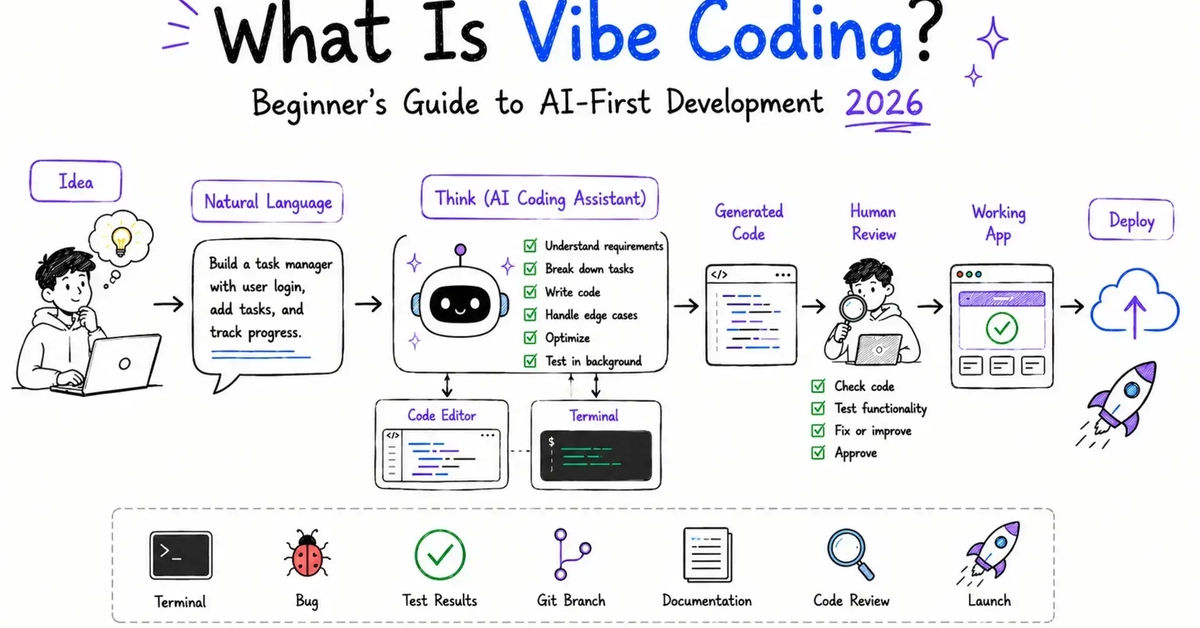
In early 2023, Andrej Karpathy coined the term "vibe coding" to describe a new mode of software development: you describe what you want, the AI writes the code, and you ship without reading every line. He meant it as a genuine observation about where the craft was headed. By 2026, vibe coding is the default mode for most solo developers, with AI tools handling roughly 70% of keystroke work on a typical feature. The other 30%—direction, review, judgment—still belongs to the human.
The pitch is real. Solo developers can now build features that would have taken a week in a day. The bottleneck isn't code volume anymore; it's knowing what to build. That's a genuine productivity unlock.
The problem is also real. Codebases vibe-coded without guardrails develop a specific pathology: inconsistent patterns across files (because each AI session starts with no memory of the last), logic errors masked by plausible-looking code, and no rollback culture because no one committed before letting the AI loose. The developer who vibed their way through six weeks of feature work often can't explain what the codebase does anymore, because they never had to think through it.