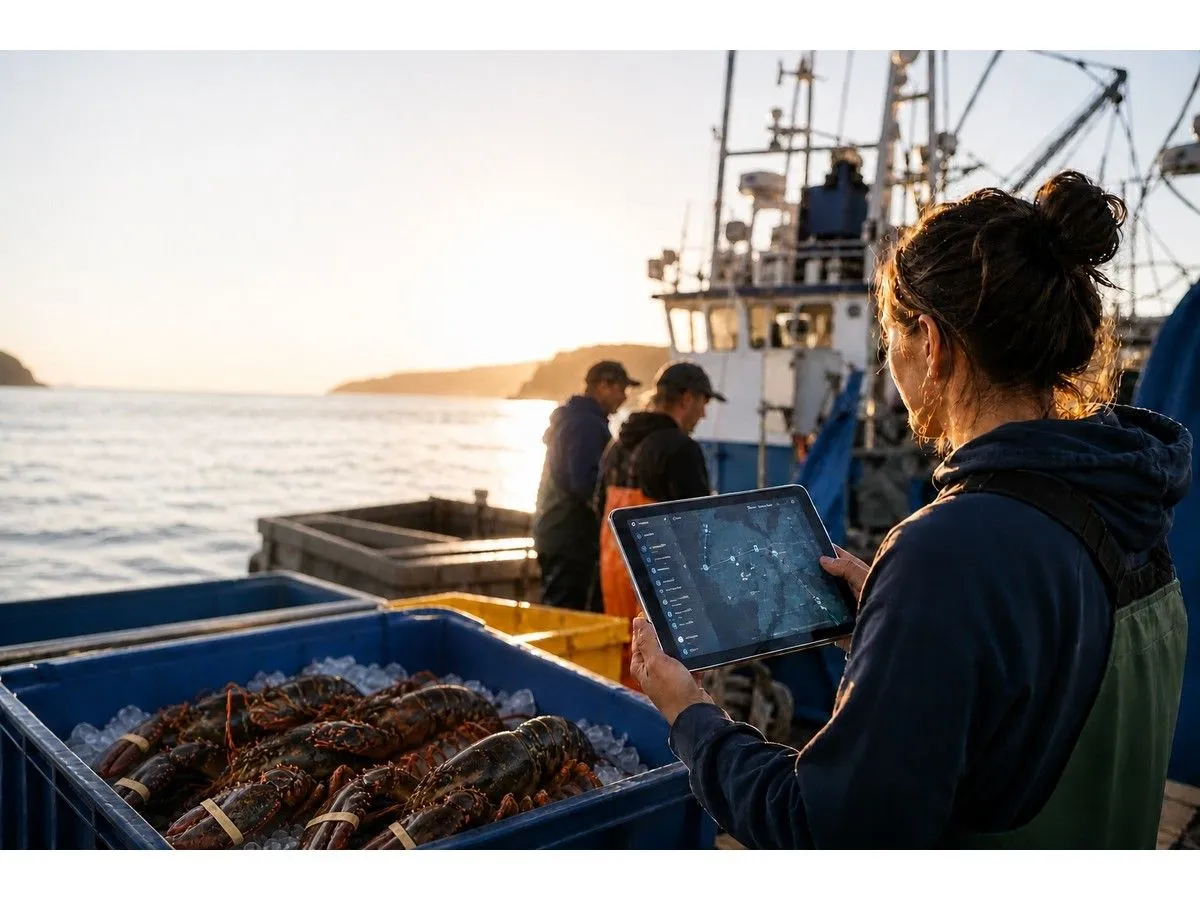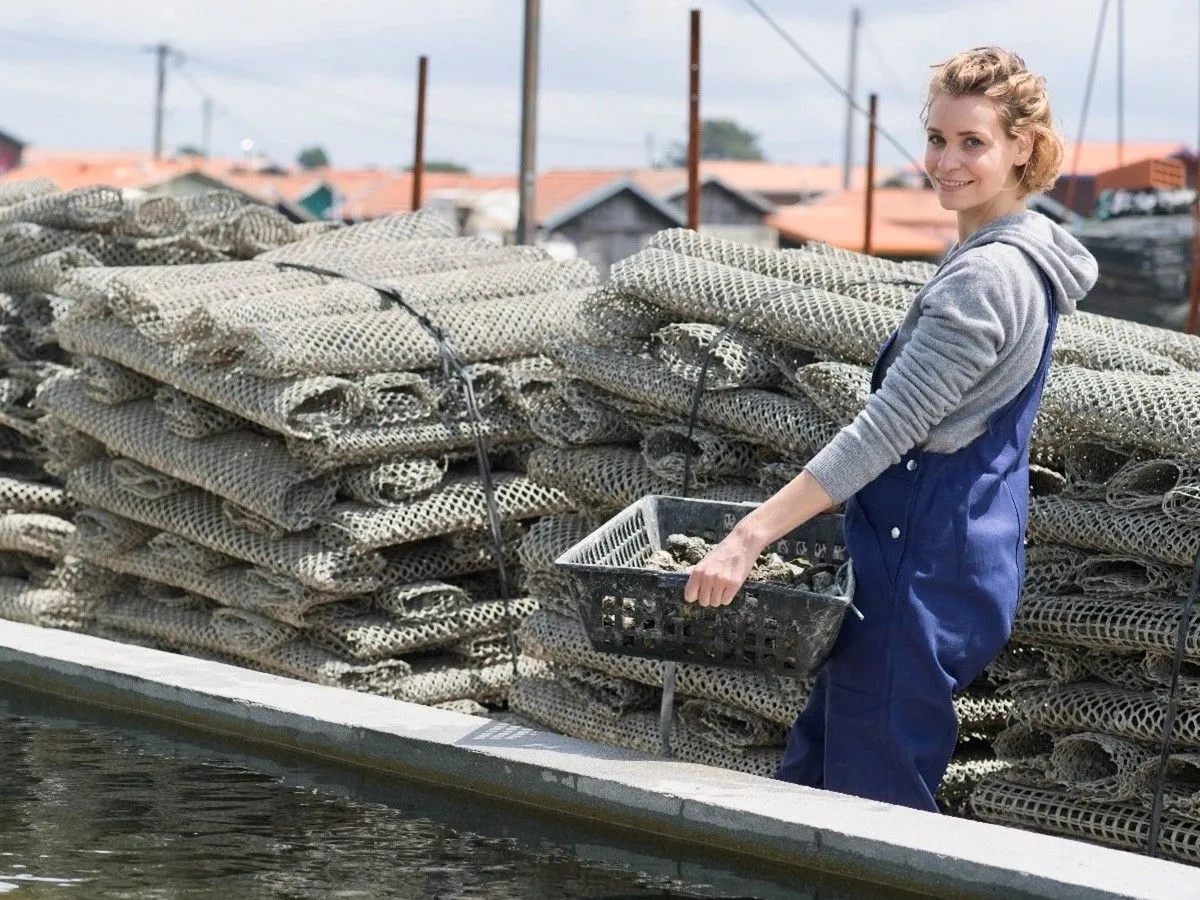
Skip to Content News Archives Economy Energy Oil & Gas Renewables Electric Vehicles Mining Commodities Agriculture Real Estate Mortgages Mortgage Rates Finance Banking Insurance Fintech Cryptocurrency Work Wealth Smart Money Wealth Management Investor Personal Finance Family Finance Retirement Taxes High Net Worth FP Comment Executive Women Puzzmo Newsletters Financial Times Business Essentials More Innovation Information Technology FP500 Podcasts Small Business Lives Told Tails Told Shopping Financial Post Store Obituaries Place a Notice Advertising Advertising With Us Advertising Solutions Postmedia Ad Manager Sponsorship Requests Classifieds Place a Classifieds ad Working Profile Settings My Subscriptions Saved Articles My Offers Newsletters Customer Service FAQ News Economy Energy Mining Real Estate Finance Work Wealth Investor FP Comment Executive Women Puzzmo Newsletters Financial Times Business Essentials HomeAgricultureNewsNova Scotia aims to hook kids on fishery with labour shortages loomingThe multi-billion-dollar industry is expected to need over 7,000 new workers this decadeLast updated 4 hours ago You can save this article by registering for free here. Or sign-in if you have an account.Nova Scotia is casting a wider net to steer young people toward careers in the province's multi-billion-dollar seafood industry. A new classroom program designed to give students an early introduction to careers in fisheries and aquaculture will be introduced this fall in schools across the province. Photo by Province of Nova ScotiaWith Canada staring at a shortage of workers in the seafood sector, Nova Scotia is casting a wider net to steer young people toward careers in its multi-billion-dollar fishery.Subscribe now to read the latest news in your city and across Canada.Exclusive articles from Barbara Shecter, Joe O'Connor, Gabriel Friedman, and others.Daily content from Financial Times, the world's leading global business publication.Unlimited online access to read articles from Financial Post, National Post and 15 news sites across Canada with one account.National Post ePaper, an electronic replica of the print edition to view on any device, share and comment on.Daily puzzles, including the New York Times Crossword.Subscribe now to read the latest news in your city and across Canada.Exclusive articles from Barbara Shecter, Joe O'Connor, Gabriel Friedman and others.Daily content from Financial Times, the world's leading global business publication.Unlimited online access to read articles from Financial Post, National Post and 15 news sites across Canada with one account.National Post ePaper, an electronic replica of the print edition to view on any device, share and comment on.Daily puzzles, including the New York Times Crossword.Create an account or sign in to continue with your reading experience.Access articles from across Canada with one account.Share your thoughts and join the conversation in the comments.Enjoy additional articles per month.Get email updates from your favourite authors.Create an account or sign in to continue with your reading experience.Access articles from across Canada with one accountShare your thoughts and join the conversation in the commentsEnjoy additional articles per monthGet email updates from your favourite authorsSign In or Create an AccountorA new program designed to give students an early introduction to careers in fisheries and aquaculture will launch this fall in schools across the province.The youth will be exposed to opportunities that industry leaders say are often overlooked by younger generations.A 2024 report by the Fisheries Council of Canada predicted the country would need 7,300 new hires to fill vacancies caused by both expansion and replacement (retirements and deaths) between 2023 and 2030.Breaking business news, incisive views, must-reads and market signals. Weekdays by 9 a.m.By signing up you consent to receive the above newsletter from Postmedia Network Inc.A welcome email is on its way. If you don't see it, please check your junk folder.The next issue of Posthaste will soon be in your inbox.We encountered an issue signing you up. Please try againIn Nova Scotia, the seafood industry directly employs nearly 19,000 people in rural and coastal communities.“Everybody is looking for the workforce of the future,” Jeff Bishop, the Aquaculture Association of Nova Scotia executive director, said following a Tuesday news conference introducing the Coast to Classroom program.“It’s not easy to round up a bunch of students and get them out to an oyster farm or a salmon farm or into a laboratory, to understand a sector like aquaculture or other parts of the fishery, on the water and the wharves.“There are certainly more choices for kids to think about what their career path and education path could be. This is an opportunity for students to see what’s possible in terms of making that connection between the education that they’re getting and what’s next in career opportunities. It’s a valuable asset, no matter the sector.” Nolan Young, minister of Labour, Skills and Immigration, speaks at a news conference to introduce Coast to Classroom, a program that gives teachers ready-to-use resources for Grades 7 to 12 that can be used across more than 100 courses in the public school system. Photo by Province of Nova ScotiaCoast to Classroom gives teachers ready-to-use resources like lesson plans, activities and virtual tools for Grades 7 to 12 that can be used across more than 100 courses in the public school system.Students will learn about Nova Scotia’s coastal resources, marine ecosystems, sustainable seafood practices and the careers connected to fisheries and aquaculture, from harvesting and processing to ocean technology and related fields.“Programs like Coast to Classroom … build skills, introduce students to career paths and deepen understanding of the important role coastal communities play in our province,” said Kent Smith, the provincial minister of Fisheries and Aquaculture. “With so many people in this region working in the seafood industry, this program makes good sense for the students and for local communities.”The courses offered include aquaculture fundamentals, innovation and business, deconstructing the Old Salt stereotype, designing and building for a sustainable ocean, Nova Scotia’s lobster fishery, marine trades, responsible aquaculture, global seafood supply chain and the marine entrepreneur.While many students may associate seafood jobs with working on fishing boats or in processing plants, organizers say the program is intended to broaden that perception. Students might take part in a virtual field trip to an aquaculture or seafood processing facility. Or they might use classroom activities to explore how seafood products move from harvest to market.Bishop said this program could strengthen awareness in Nova Scotia’s youth that they can build long-term professional careers in the seafood sector without leaving their home communities.“The great thing about these resources for educators and students alike is that they can take advantage of things that aren’t in their own backyards,” Bishop said.“You may not have an aquaculture business in your home community, or you might not be somewhere where lobster fishing is a primary industry. It’s the same as agriculture or forestry, or mining. If it’s not in your backyard, you might not have a connection to it.“But this shows the students that there are opportunities available for them, that they can have a future here and have a good career in Nova Scotia, no matter what they choose.” Andrew Locke, a local fisher and business owner, shows students how to splice rope following the announcement of the Coast to Classroom program at Shelburne Regional High School. Photo by Province of Nova ScotiaShowcasing the seafood sector to students at a younger age is critical as competition for skilled workers intensifies.In 2025, Nova Scotia seafood exports like lobster, scallops, shellfish, and farmed seafood products were valued at about $2.2 billion.Aquaculture and fisheries organizations say the industry is evolving rapidly, becoming increasingly technology-driven and reliant on specialized expertise.“Our ocean environment has always shaped Nova Scotia’s communities, economy and way of life,” said Nolan Young, the provincial minister of Labour, Skills and Immigration. “Coast to Classroom helps students better understand the opportunities connected to our oceans and coastal industries, while encouraging the next generation to explore rewarding careers in sectors that are so important to our province’s future.” Kent Smith, minister of Fisheries and Aquaculture, announces the new Coast to Classroom program at Shelburne Regional High School. Photo by Province of Nova ScotiaAt a time when many rural communities in Atlantic Canada are trying to retain younger workers and address population challenges, educators and leaders involved in Coast to Classroom say the program helps students understand the diversity of careers available, which could encourage more students to stay in the province after graduation.Students enrolled in Local Industries 11 — a new program piloted this school year at two rural high schools — are currently using the Coast to Classroom resources.When the program rolls out in the fall, students will learn through interactive learning modules, industry presentations, and hands-on activities in fisheries and aquaculture.“We need accountants,” said Bishop. “We need lab technicians. We need veterinarians. We need all of those other jobs that people may not think (are) directly connected to an industry like aquaculture but are definitely part of it.”As the seafood industry continues to modernize, attracting the next generation of workers will be essential to maintaining the country’s global competitiveness.“Seafood is still a big industry in Nova Scotia, from lobsters to oysters and everything in between,” Bishop said. “Aquaculture specifically is a smaller part of it. But there’s lots of growth opportunities right across the province. We’ve got to be out there, talking about what those opportunities are.“Like every sector in Nova Scotia, we’re just one piece of the pie. As folks begin to retire and move on, so many opportunities open up for young people to consider today for their careers. Maybe they don’t want to sit behind a desk. Instead, they want to be out in the world, on the water, on a boat. Those outdoor opportunities appeal to a lot of folks, and those opportunities are here.” Join the Conversation This website uses cookies to personalize your content (including ads), and allows us to analyze our traffic. Read more about cookies here. By continuing to use our site, you agree to our Terms of Use and Privacy Policy.
Nova Scotia aims to hook kids on fishery with labour shortages looming
A new classroom program designed to give students an early introduction to careers in fisheries and aquaculture will be launched this fall.
1,633 words~7 min read