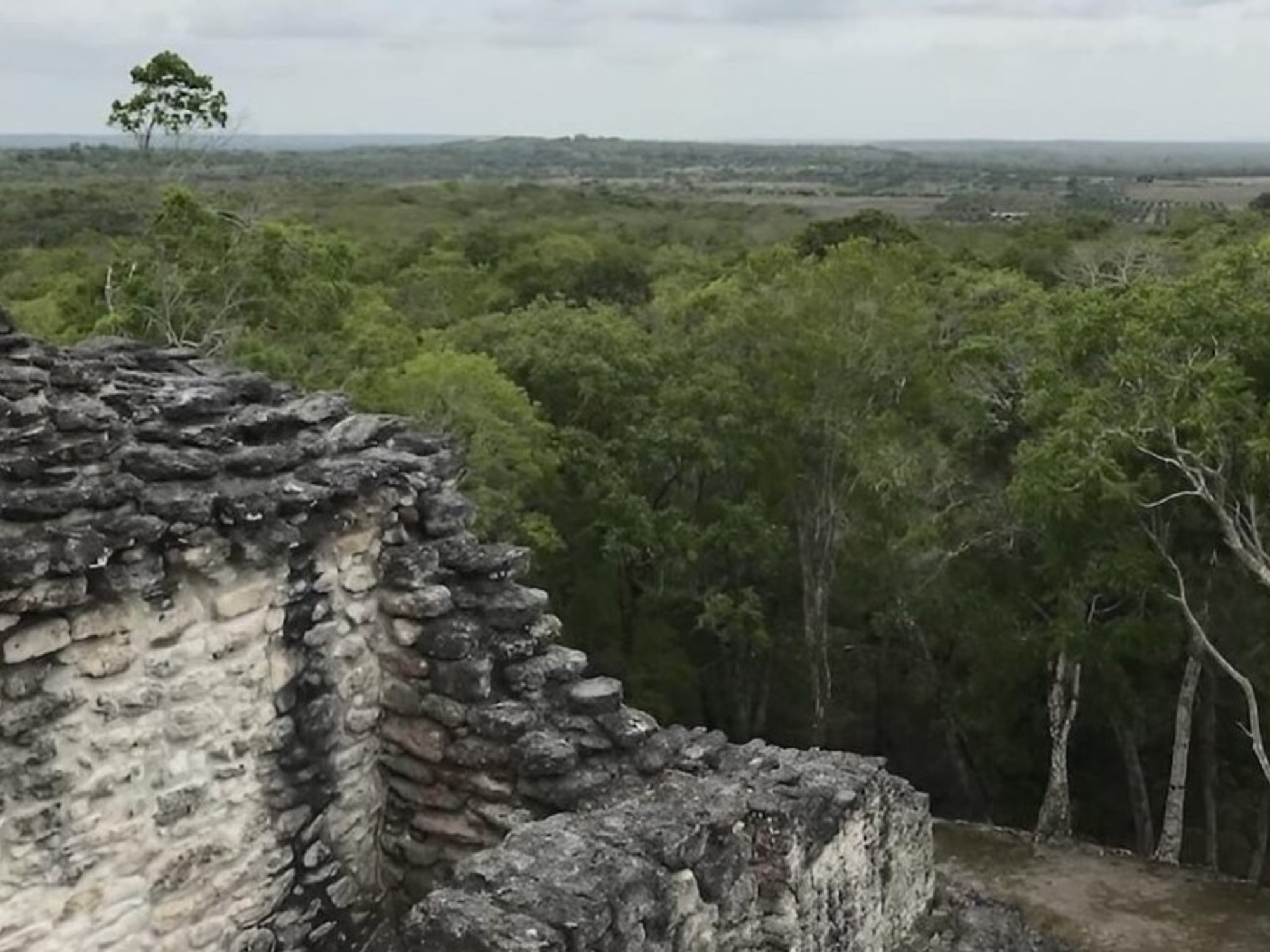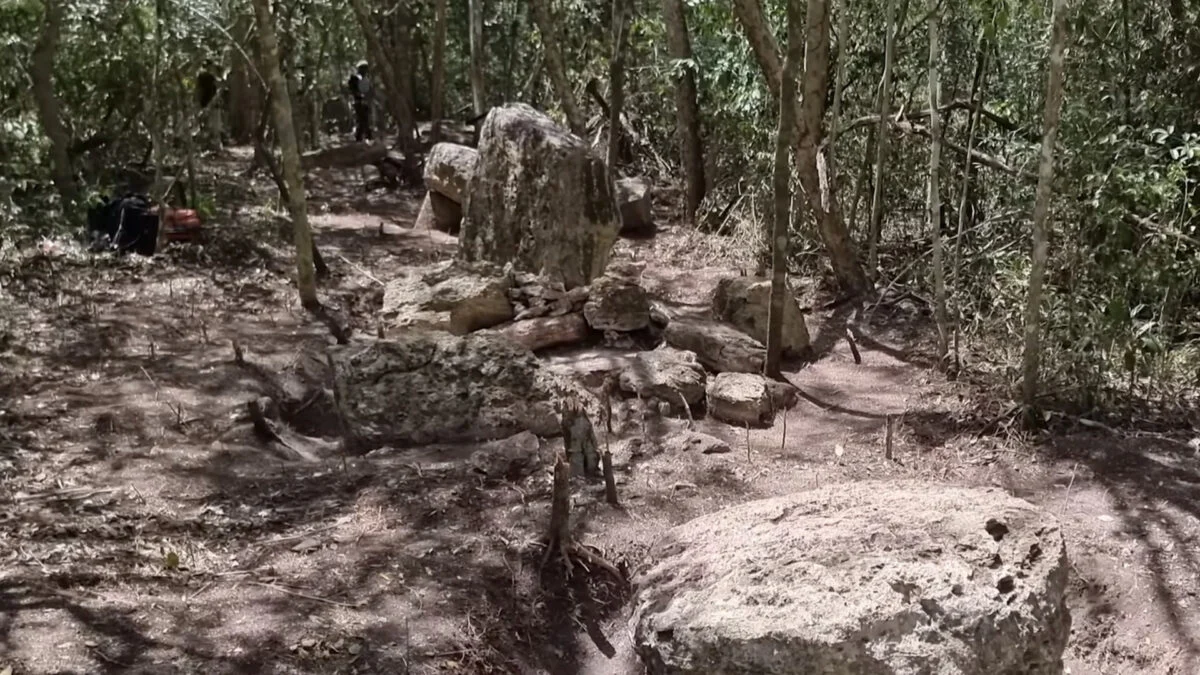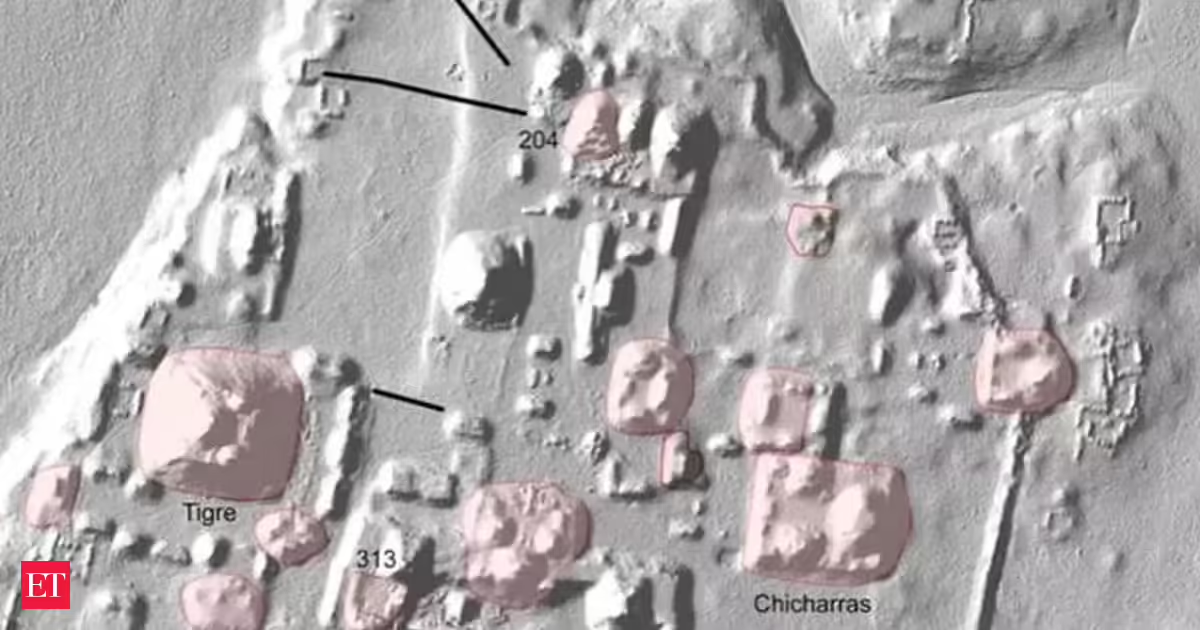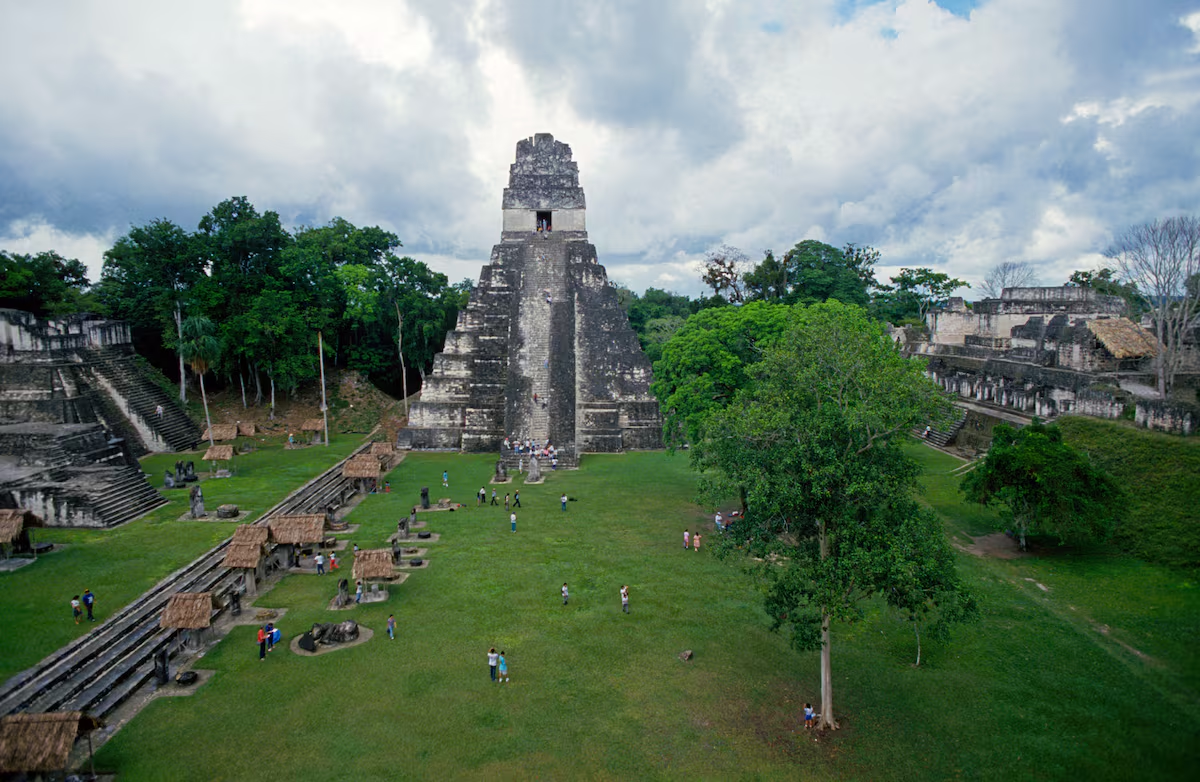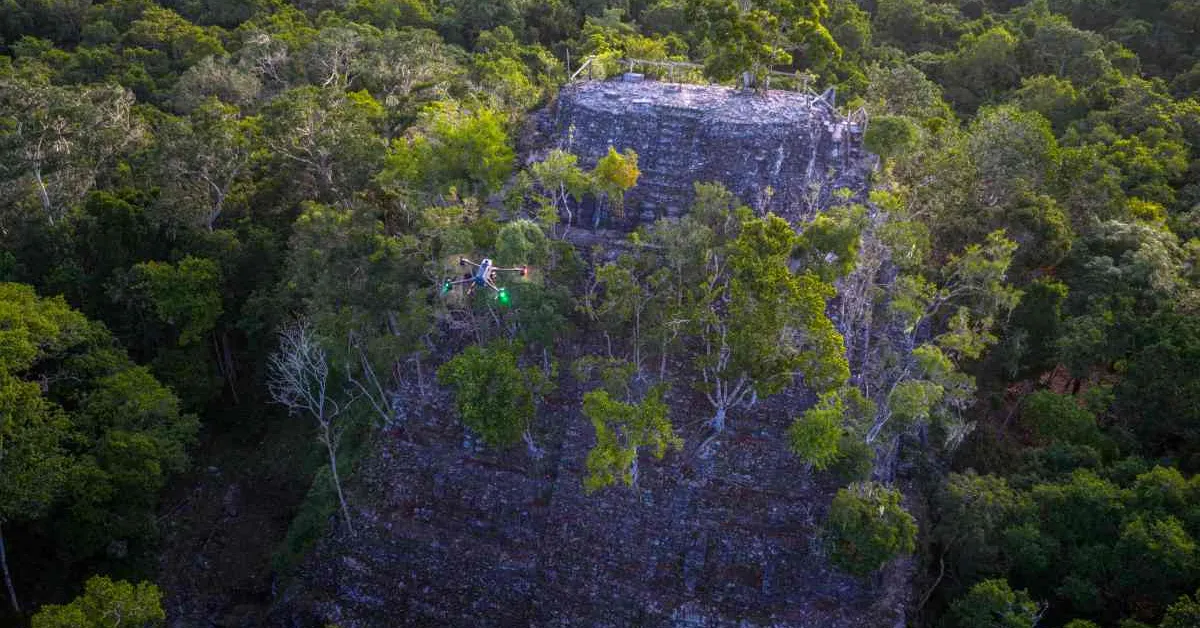
For decades, archaeologists knew something extraordinary was hiding beneath the dense rainforests of northern Guatemala. The challenge wasn’t finding clues. It was seeing through a jungle so thick that much of what remained of the ancient Maya world was effectively invisible. Now, a combination of cutting-edge drone technology and LiDAR scanning is helping researchers uncover what may be one of the most important archaeological stories of our time.
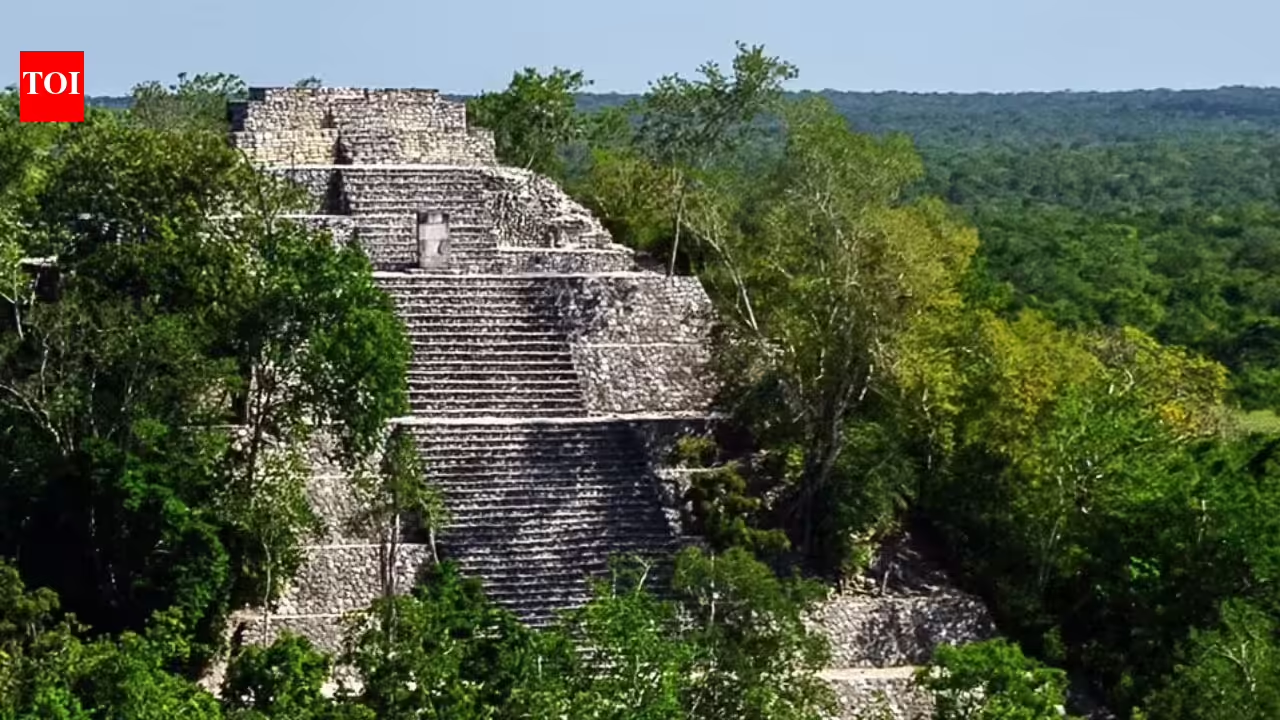
The work is taking place in the Mirador Basin, a remote region deep within Guatemala’s rainforest that contains one of the largest concentrations of ancient Maya settlements ever discovered. Led by the Foundation for Anthropological Research and Environmental Studies (FARES), researchers have spent nearly five decades studying the area under the leadership of archaeologist Dr. Richard Hansen.
Their findings are staggering. So far, the team has documented 964 archaeological sites that collectively form 417 ancient cities, towns, and villages. At the center of the basin sits El Mirador, considered one of the largest ancient cities in the Western Hemisphere and a key site for understanding how complex societies emerge, thrive, and eventually collapse.