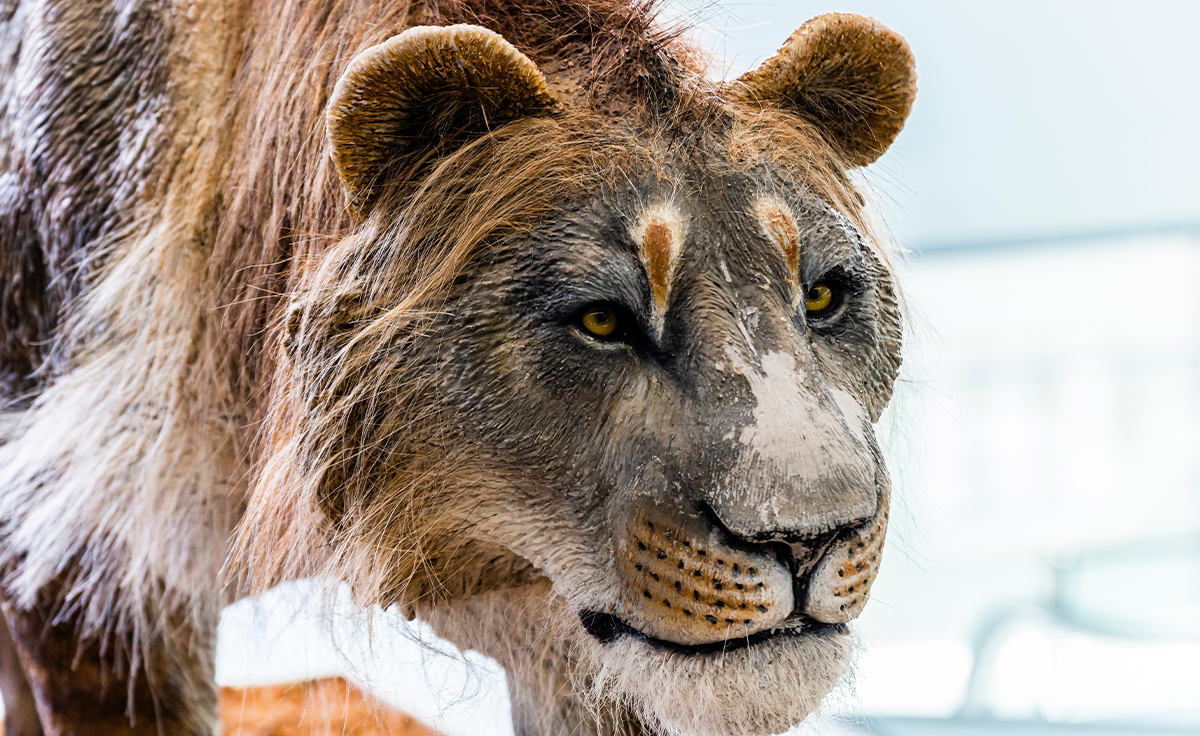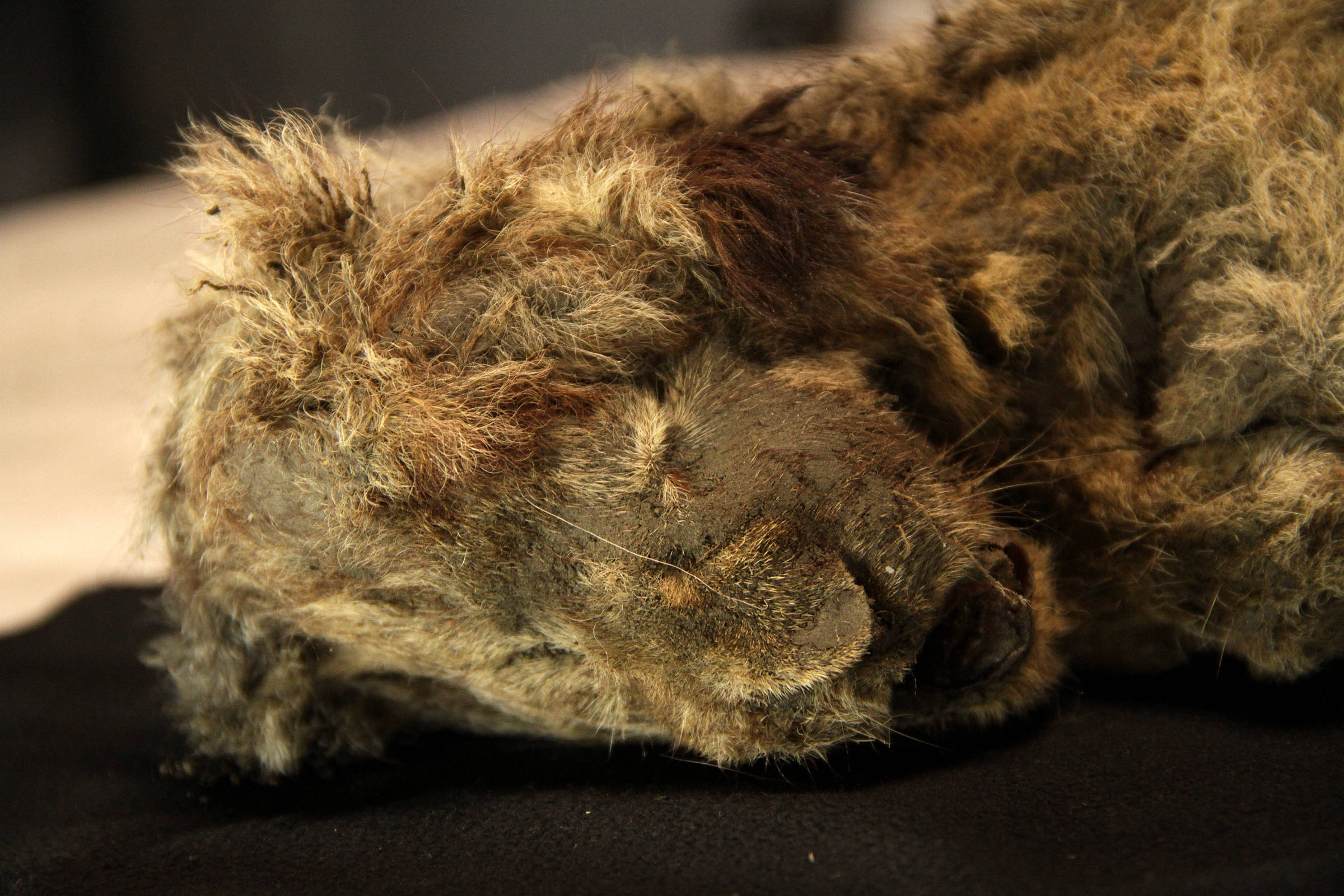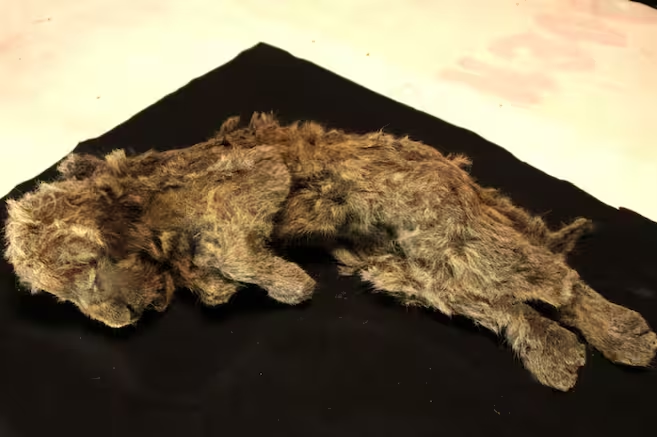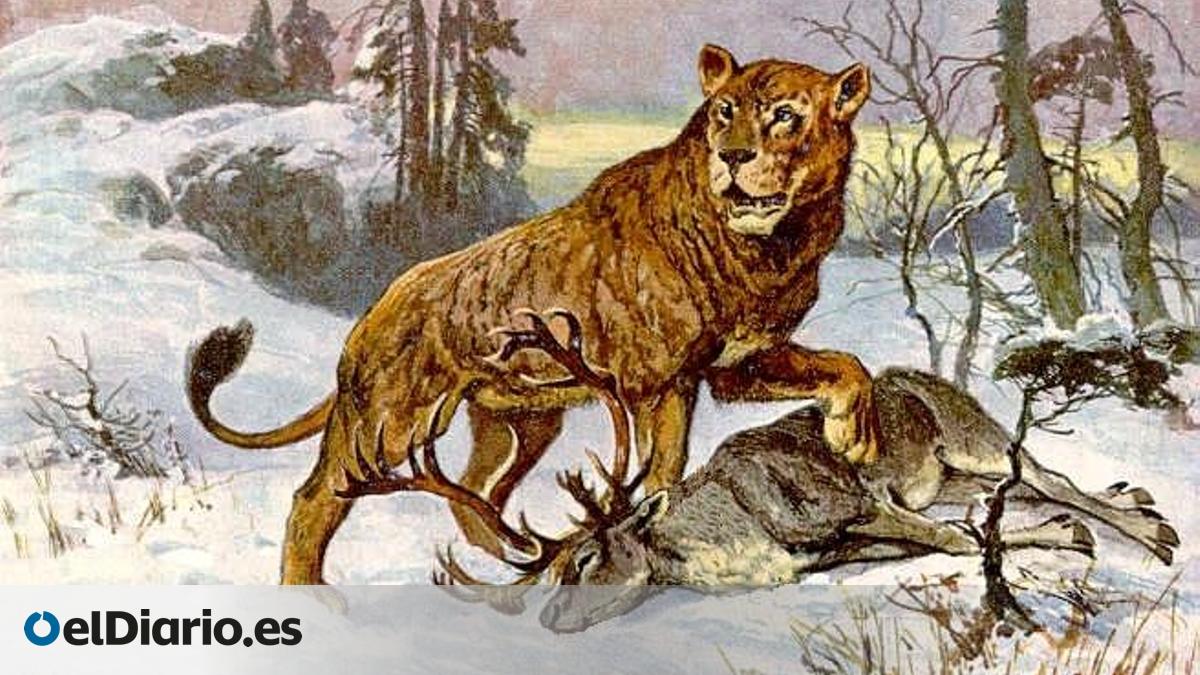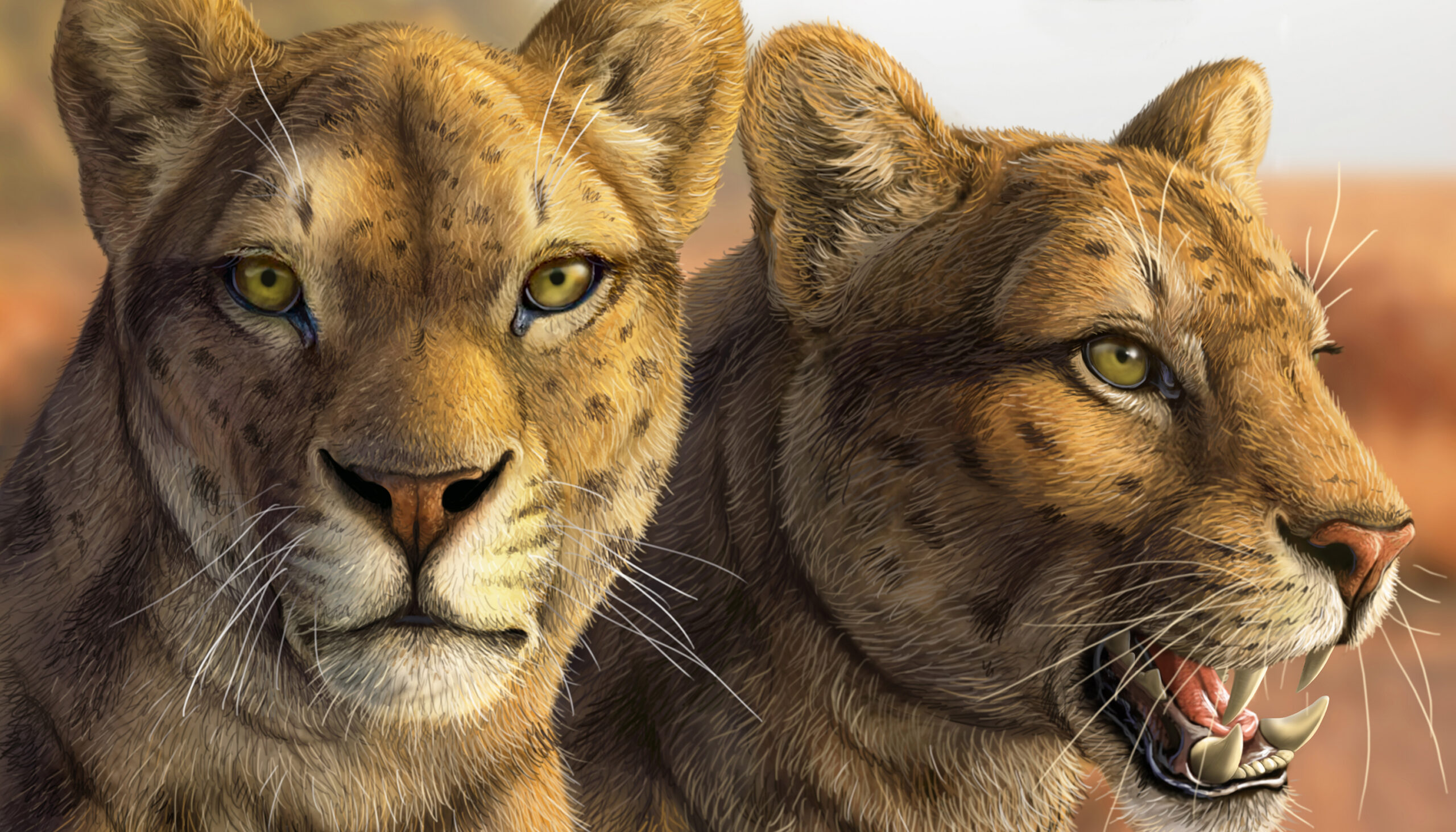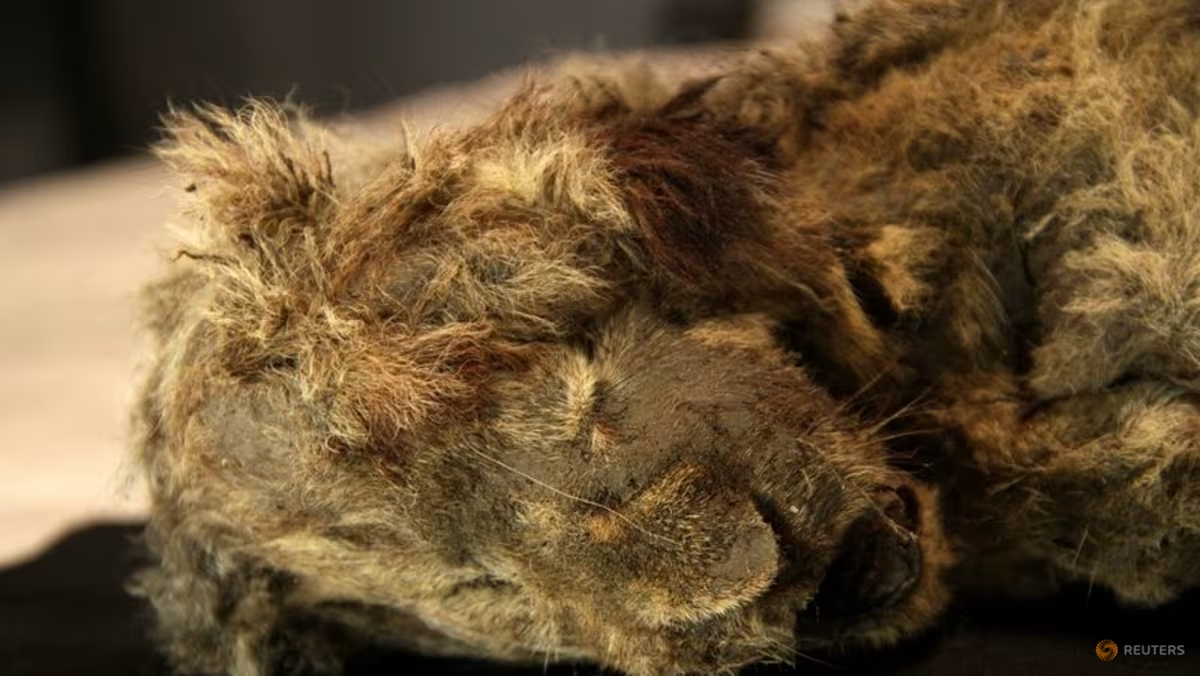
June 4 : The cave lion was one of the biggest cats to ever live, prowling a huge swathe of territory from Western Europe across Siberia and into North America and hunting large prey - and perhaps even people - before going extinct around the end of the Ice Age.New genome research reveals what made this big cat unique and how it differed from the modern lion, its smaller cousin, though the two species did sporadically interbreed. The cave lion, whose scientific name is Panthera spelaea, died out roughly 14,000 years ago.The researchers compared the genomes of 12 cave lions that lived from 17,000 to 148,000 years ago in places such as Russia, Austria and Canada's Yukon territory with the genomes of 20 modern lions. Cave lion DNA was extracted mostly from bones and teeth, but also from soft tissue in well-preserved frozen cubs from Siberia, where cold conditions helped preserve ancient genetic material. One of these, a female called Sparta, is among the best Ice Age specimens ever found."We show that cave lions were not simply Ice Age versions of modern lions, but instead represented a highly distinct evolutionary lineage," said evolutionary geneticist Love Dalén of the Centre for Palaeogenetics, a collaboration between Stockholm University and the Swedish Museum of Natural History, senior author of the study published in the journal Cell.
Genome study shows what made the extinct Ice Age cave lion unique
June 4 : The cave lion was one of the biggest cats to ever live, prowling a huge swathe of territory from Western Europe across Siberia and into North America and hunting large prey - and perhaps even people - before going extinct around the end of the Ice Age.New genome research reveals what made this big ca
711 words~3 min read