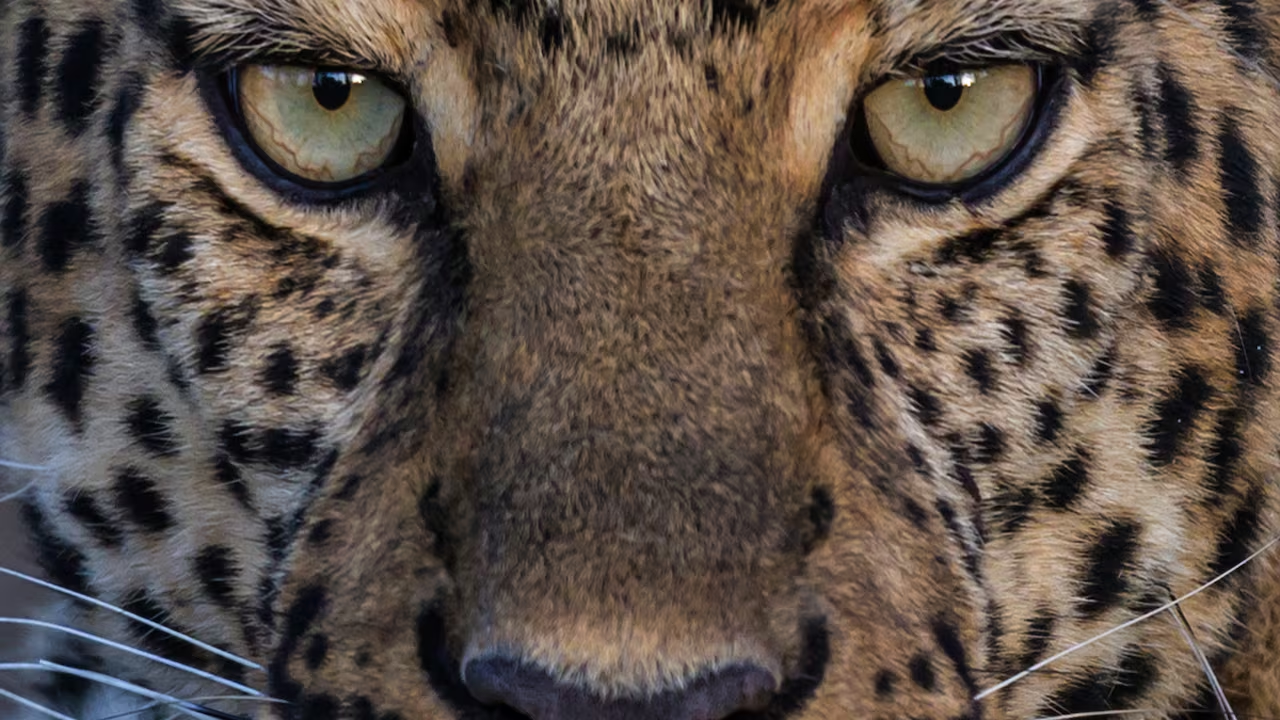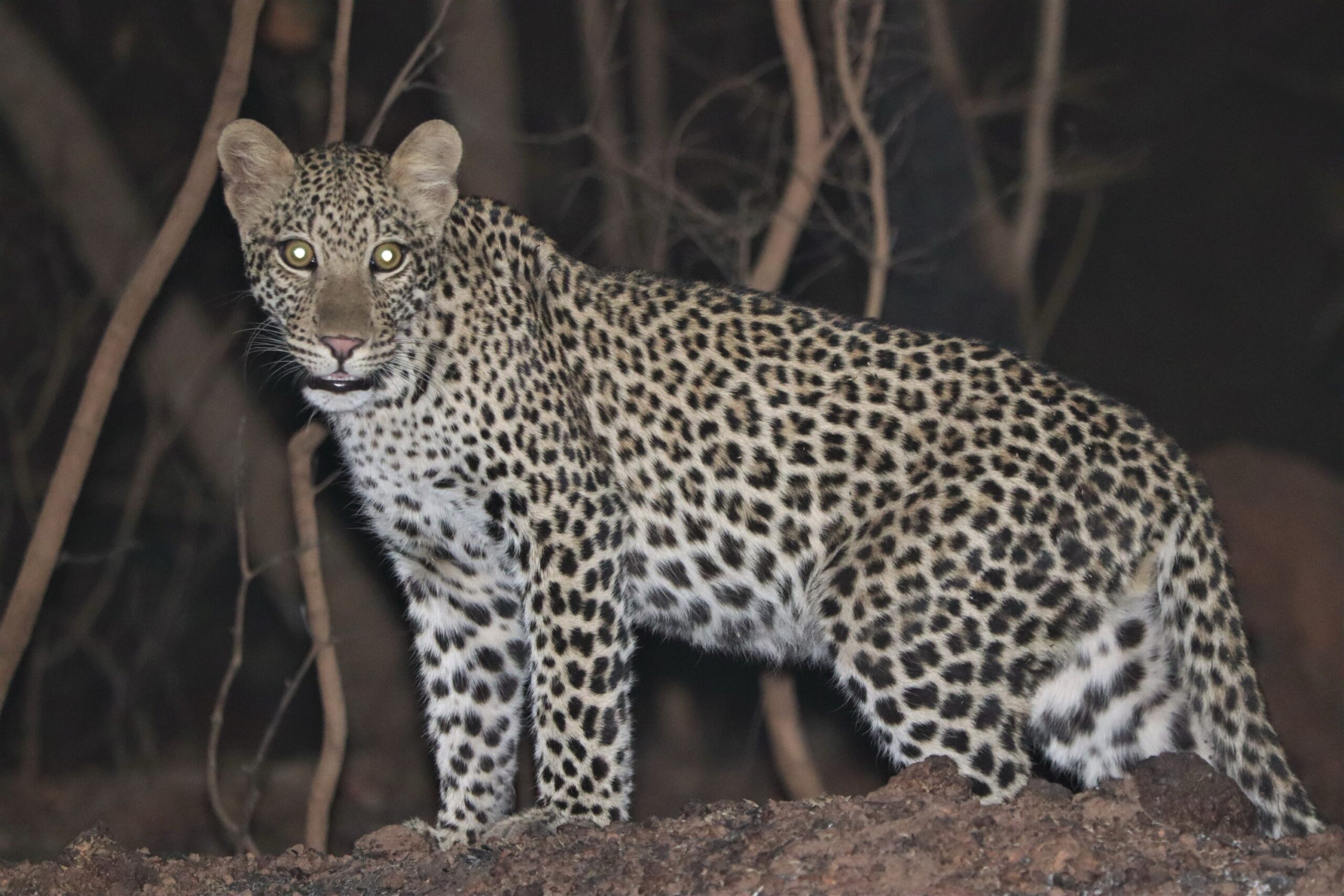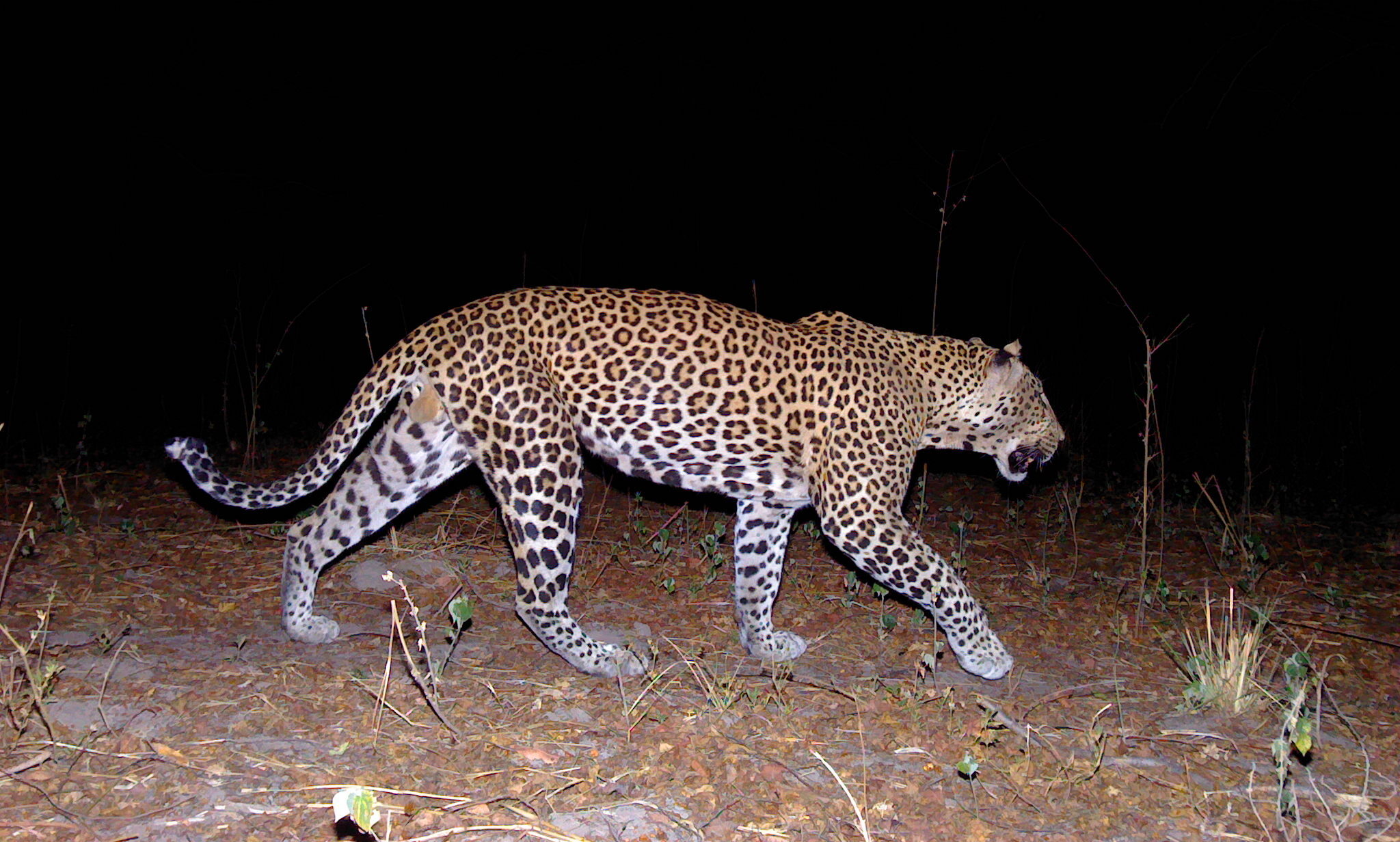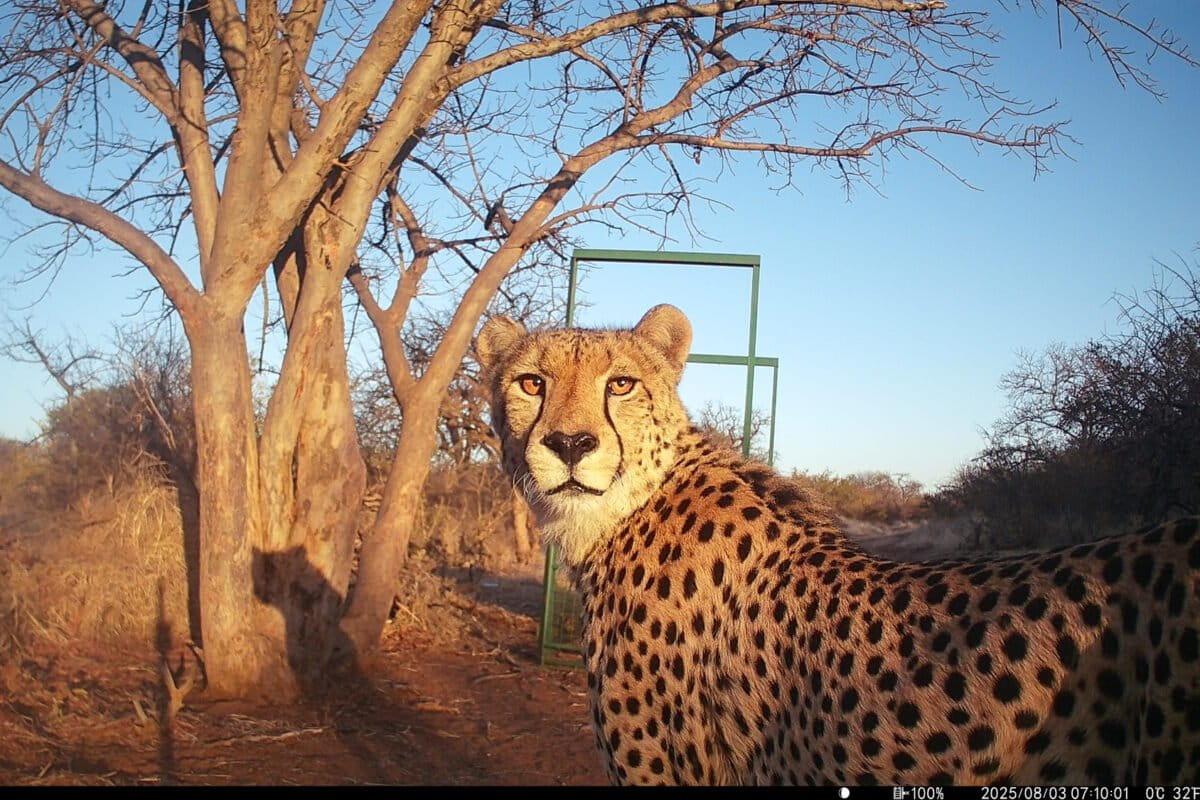
Animals of the same species don’t always look the same. From birds with different beak shapes to mammals that vary in size or color, populations living in different places can often look very different.
What’s much harder to pin down is why these differences arise. Are they shaped by local environments? Or driven by natural or sexual selection? Or are they simply the result of the random loss of gene variants as populations become isolated and slowly diverge over time?
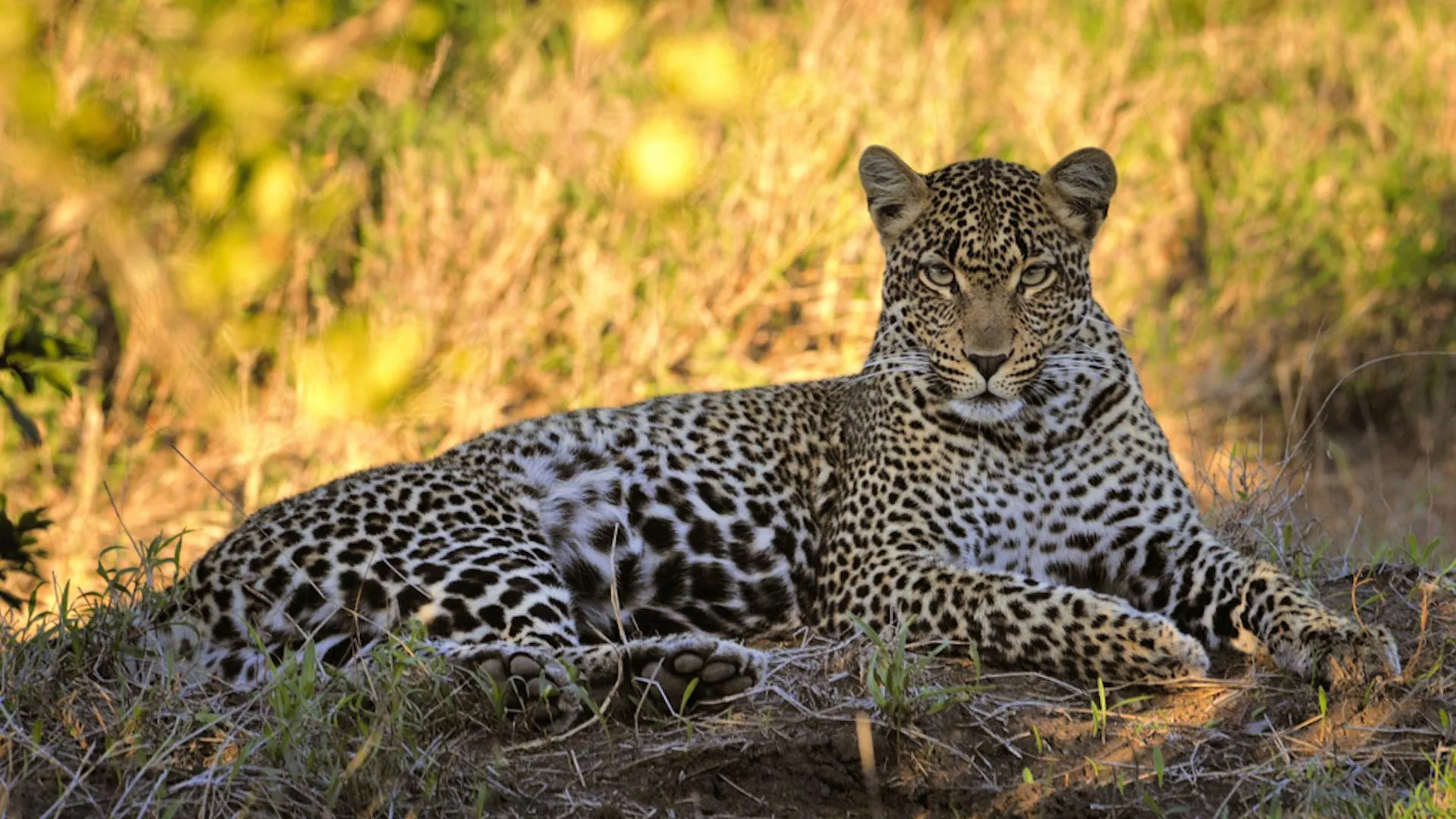
I’m part of a team of leopard conservationists and researchers who set out to answer some of these questions when we investigated a remarkable population of fewer than 1,000 leopards in South Africa’s Cape Floristic Region, an area that covers the country’s Western Cape, and parts of the Eastern Cape and Northern Cape.
These leopards are much smaller than leopards elsewhere on the continent – in some cases only half the body mass. For decades, researchers and conservationists have debated whether the leopards of this region are truly a separate population in terms of their genes, and if so, what might be driving that difference.
Previous genetic studies offered only limited answers. Most relied on a small number of genetic markers – specific spots in the DNA where mutations tend to happen more. This is useful in finding out large-scale patterns, but misses the finer details needed to understand how populations evolve.