The first thorough census of free-roaming cheetahs in South Africa finds less than 100 mature adult individuals, much less than previous estimates.The researchers confirmed cheetahs in less than half of what is currently defined as suitable habitat by the IUCN and called for the adjustment of habitat maps based on current field data.The biggest threats are habitat fragmentation due to development and infrastructure, and persecution by landowners who perceive cheetahs as threats to their livestock.
South Africa’s free-roaming cheetah population is much smaller than previously thought, according to the first coordinated national census of the species living outside protected areas.
Over three and a half years, between 2022 and 2026, researchers from Ashia Cheetah Conservation, the Cheetah Outreach Trust (COT) and the University of Groningen in the Netherlands surveyed almost 100,000 square kilometers (38,610 square miles) of habitat across South Africa’s northern border.
Wild cheetahs that inhabit the unprotected areas of South Africa are considered “free roaming.”
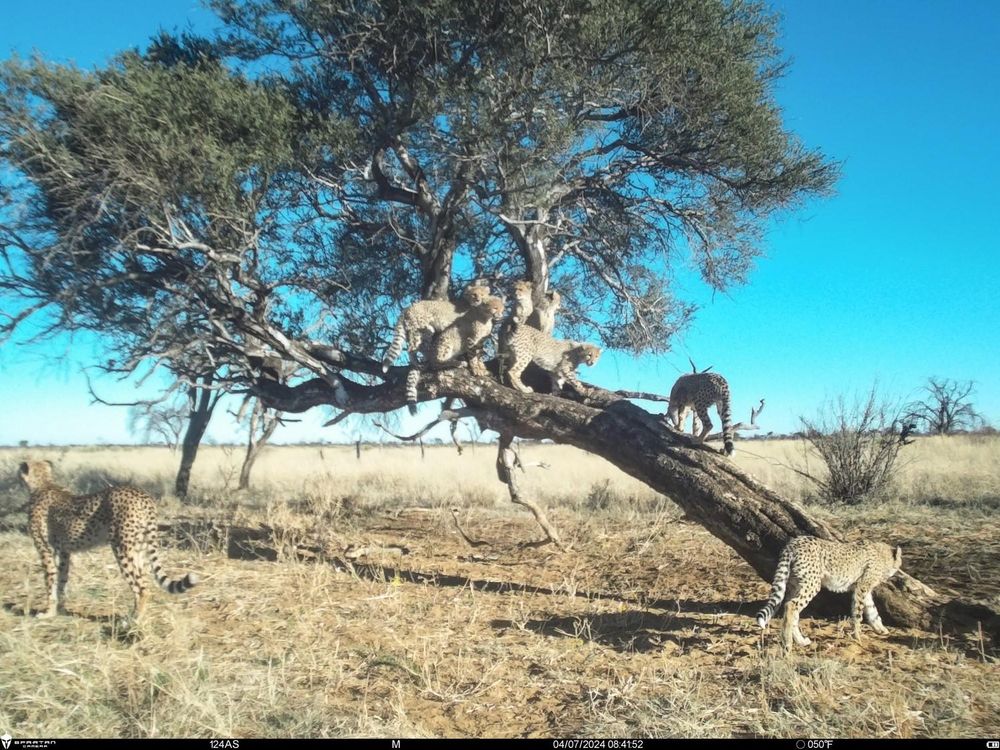
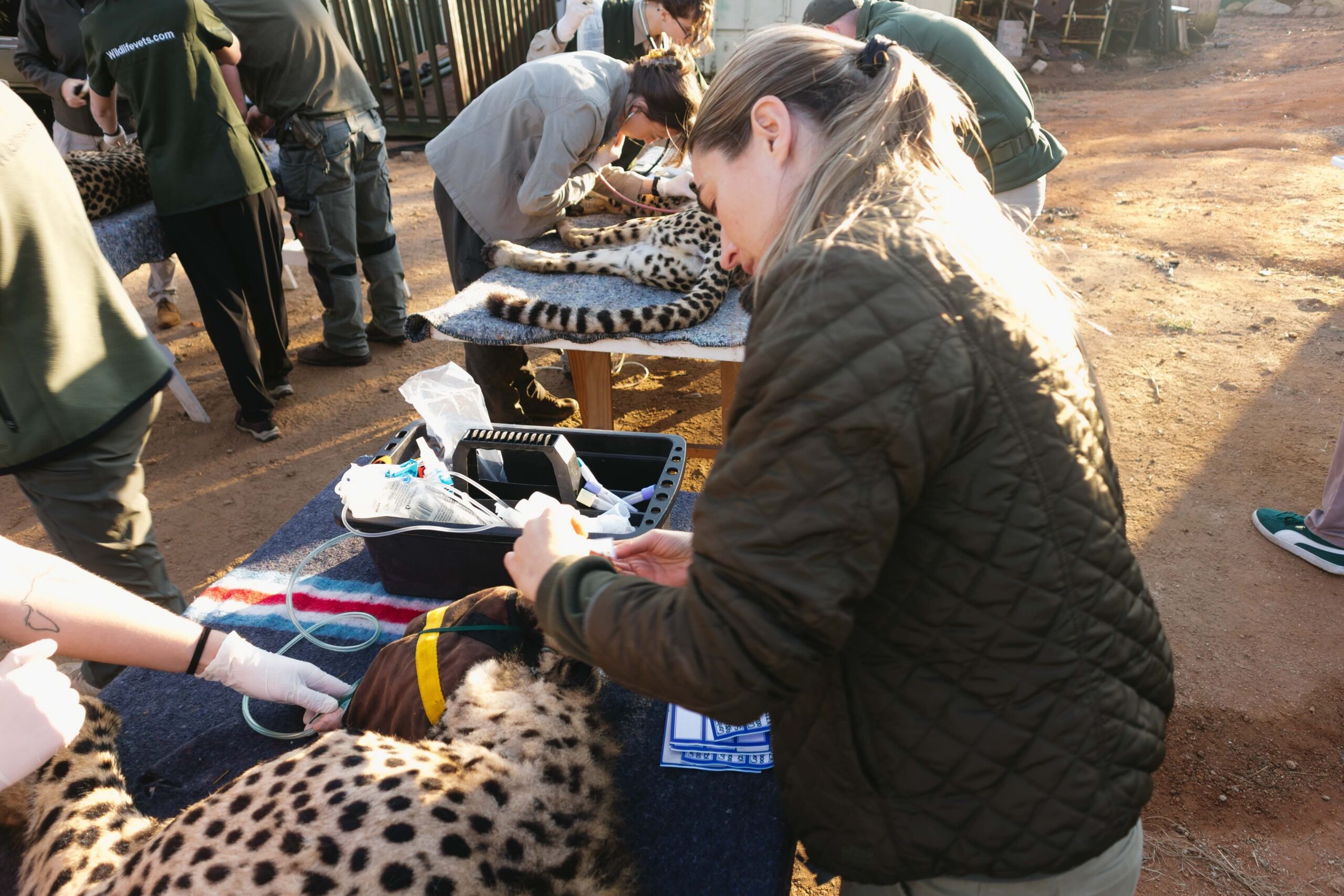
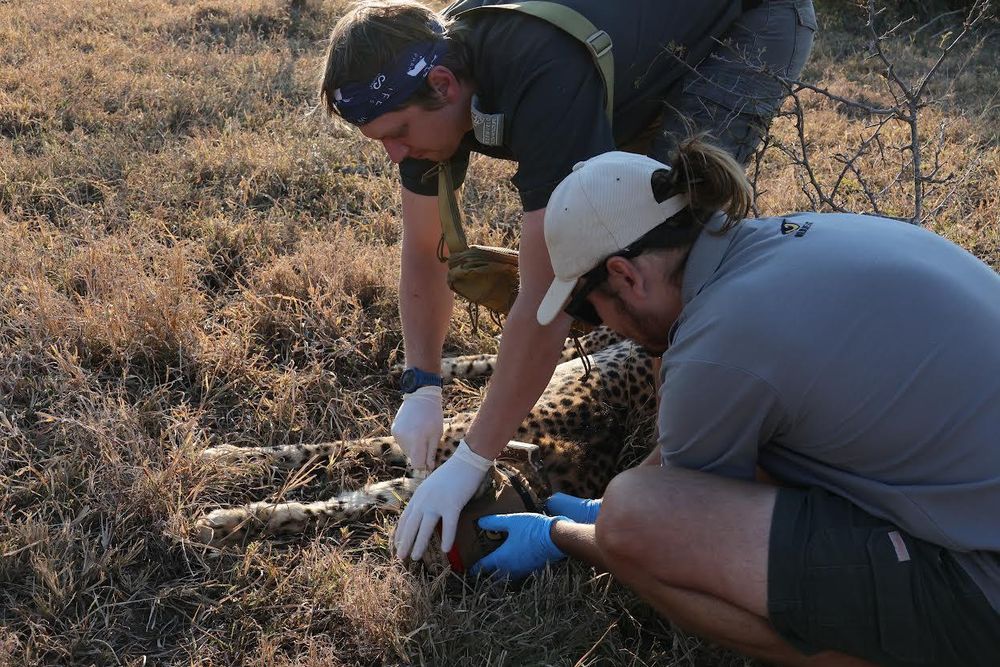
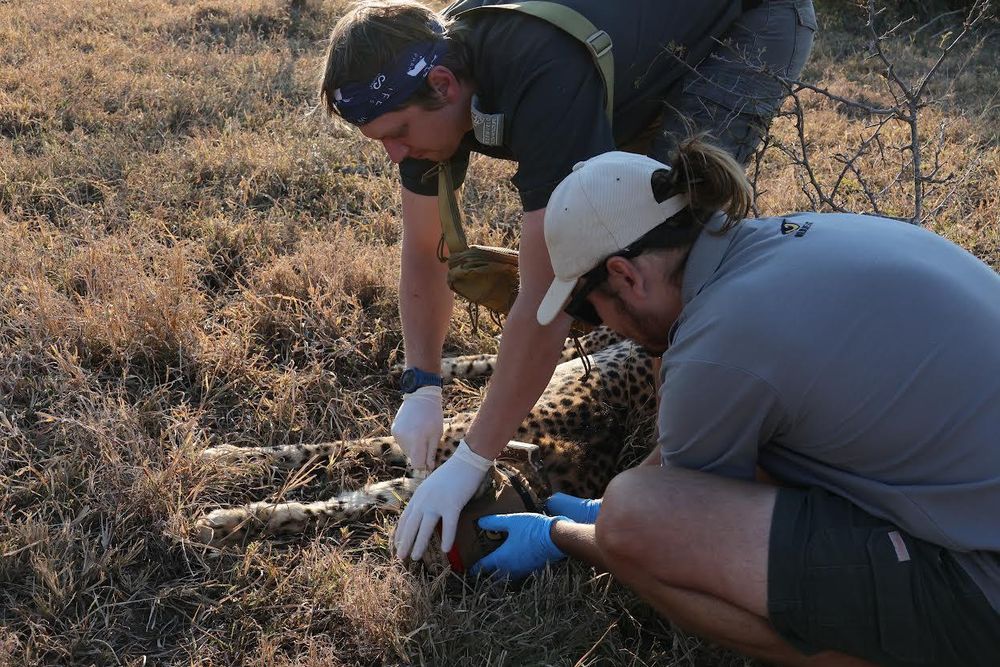
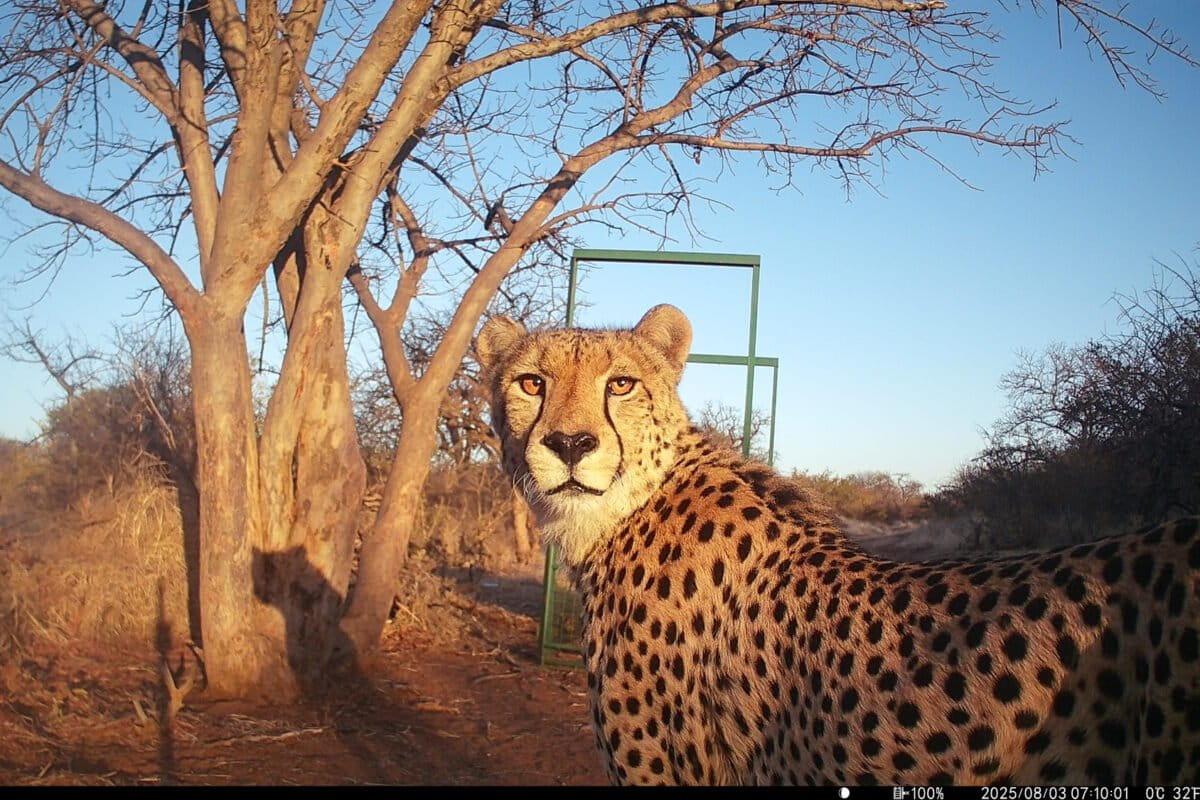
Using camera traps, GPS collars, landowner surveys, genetic analyses, scat sampling and public sighting records, they compiled the Free-Roaming Cheetah Census (FRCC), which they described as the most comprehensive assessment yet of South Africa’s free-roaming cheetahs.