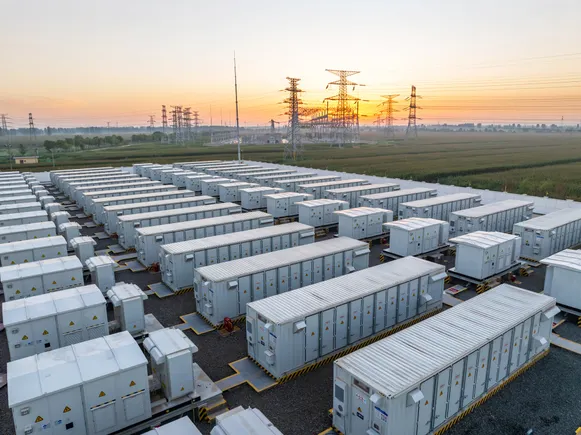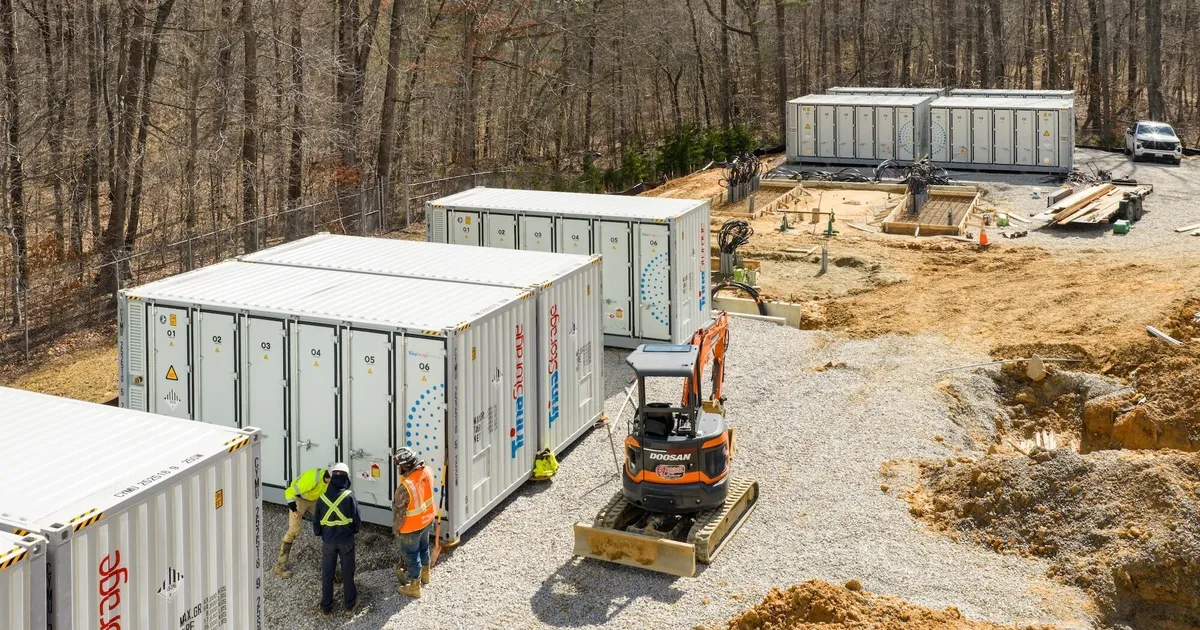
“What these battery systems have been able to do is really save folks money while increasing resilience, and helping with reliability sort of across the footprint,” said Rob Greskowiak, chief commercial officer for Lightshift Energy, a storage developer that has worked with several co-ops outside North Carolina, including in neighboring Virginia. “It’s really an economic story.”
Money isn’t the only motivator. Co-ops often serve far-flung corners of the state, where an investor-owned utility like Duke Energy would earn a meager profit. Many of these areas — from rugged mountains to fragile barrier islands — are also prone to outages from extreme weather.
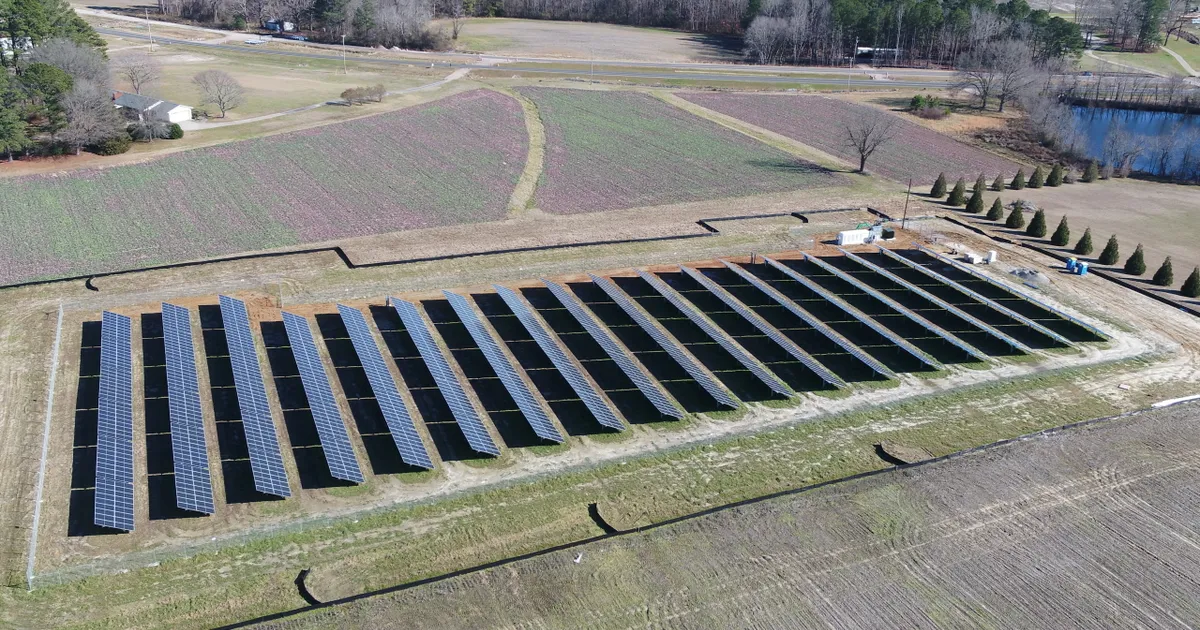
That’s why almost decade ago, Tideland Electric Member Corp. set up the state’s first cooperative-run microgrid on Ocracoke Island — complete with 62 solar panels, a battery pack, and a diesel generator. The system kept the power on for island residents in the summer of 2017, after a construction crew accidentally severed a transmission line to the mainland.
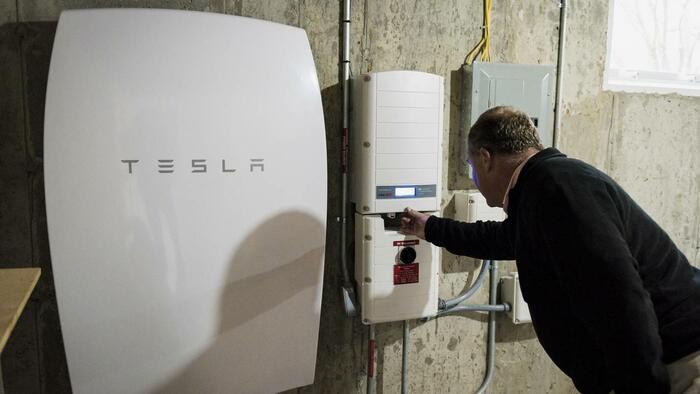
“The solar worked,” Heidi Smith, a Tideland co-op manager, said back then. “The Tesla batteries were able to add power to the system.”
North Carolina’s co-ops also have set a target of zeroing out their carbon emissions by midcentury, though, unlike Duke, they’re not required to by law.