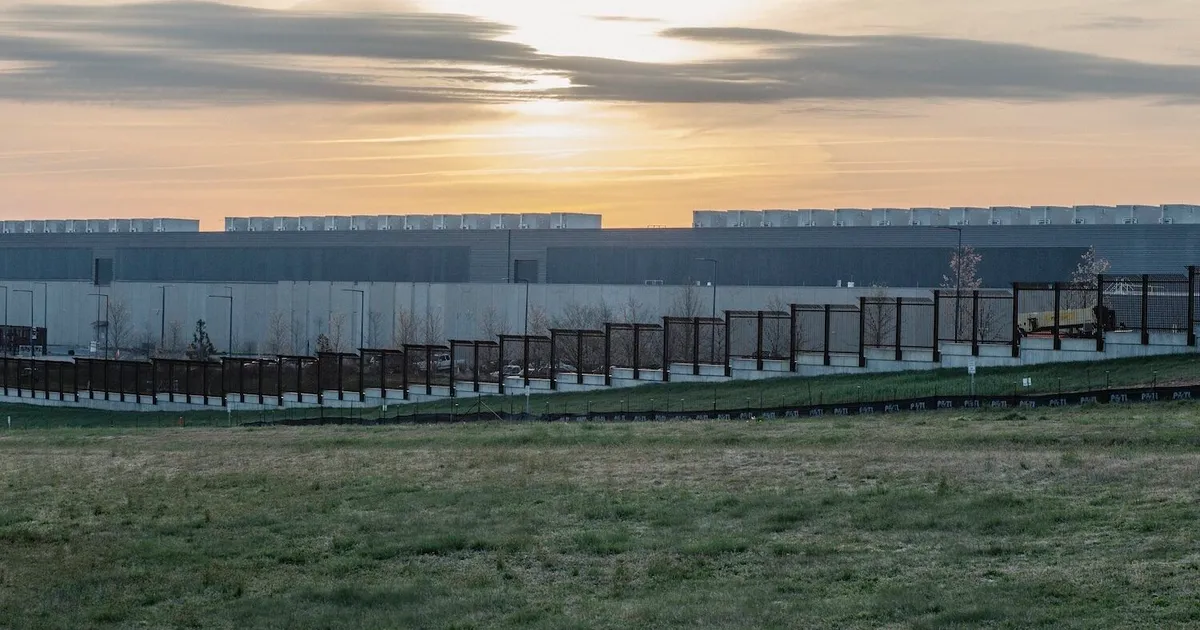
A narrow complaint to a federal energy commission could have wide implications for the solar industry and the electric grid — both in North Carolina, where it originated, as well as nationwide.
At issue is a unique planning scheme that’s been years in the making. Duke Energy, the state’s predominant utility, is moving to proactively upgrade poles and wires to create room for prospective solar farms. Rather than making improvements pegged to specific projects and then charging solar developers for the full cost, as it did in the past, the company is now building in anticipation of future grid needs and spreading the costs among all customers.
In recent years, state regulators have pushed Duke to take this approach to alleviate grid congestion. The company is thought to be the first utility in the country to address local transmission needs in this way, even though it is far from the only one with a long backlog of projects waiting to plug into the grid.
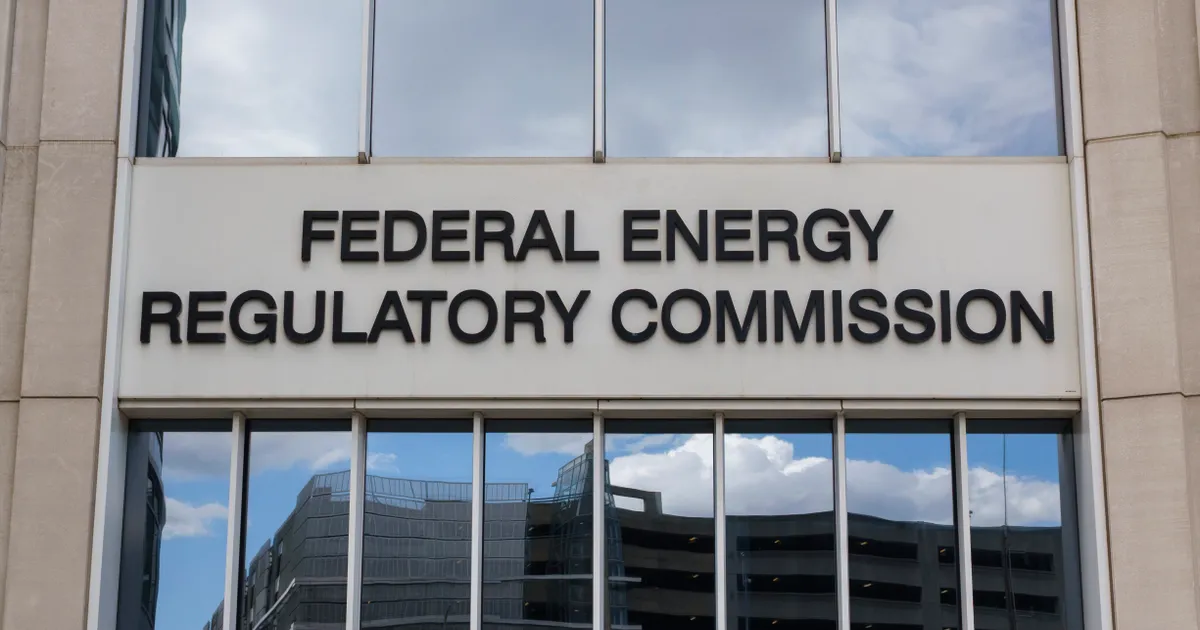
But one set of Duke customers isn’t happy. North Carolina’s electric member cooperatives, which buy most of their power wholesale from the utility, filed a complaint with the Federal Energy Regulatory Commission in February over four grid projects. They argue that the cost of the upgrades — $57 million, in this case — should not be distributed evenly among all customers. Instead, they want solar developers to pay half the total cost.