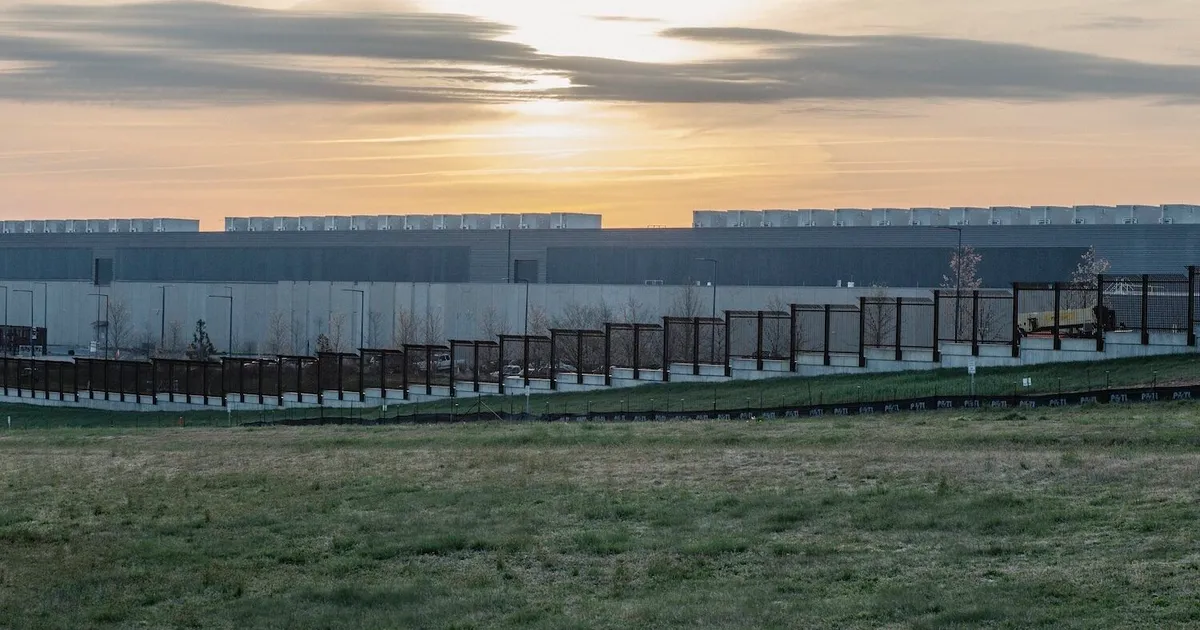
RALEIGH, N.C.—The Ratepayer Protection Act, wending its way through the North Carolina legislature, conjoins two opposing ideas: rein in data centers and their power consumption but liberate Duke Energy from limits on fossil fuels.
The first section of Senate Bill 730 would forbid data center developers from using eminent domain to seize land for their projects. It would prohibit local governments from extending economic incentives to data center developers, who have ravenous appetites for water, electricity and tax breaks. And it would shield North Carolinians from paying higher electric bills as a result of data centers’ operations.
“I couldn’t ask for more in this political climate than what is in part one,” said state Rep. Pricey Harrison, a progressive Democrat from Guilford County. “It’s great.”
Yet like many bills, Harrison said, it includes “a bunch of bad stuff” to persuade conservative Republicans to support it.
Part two of the measure would upend key aspects of state energy policy and in some respects, reverse nearly 20 years’ of painstaking work on climate change: fast-tracking environmental permits for fossil fuel projects, further delaying the retirement of coal-fired power plants and potentially eliminating Duke Energy’s goal of carbon neutrality by 2050.