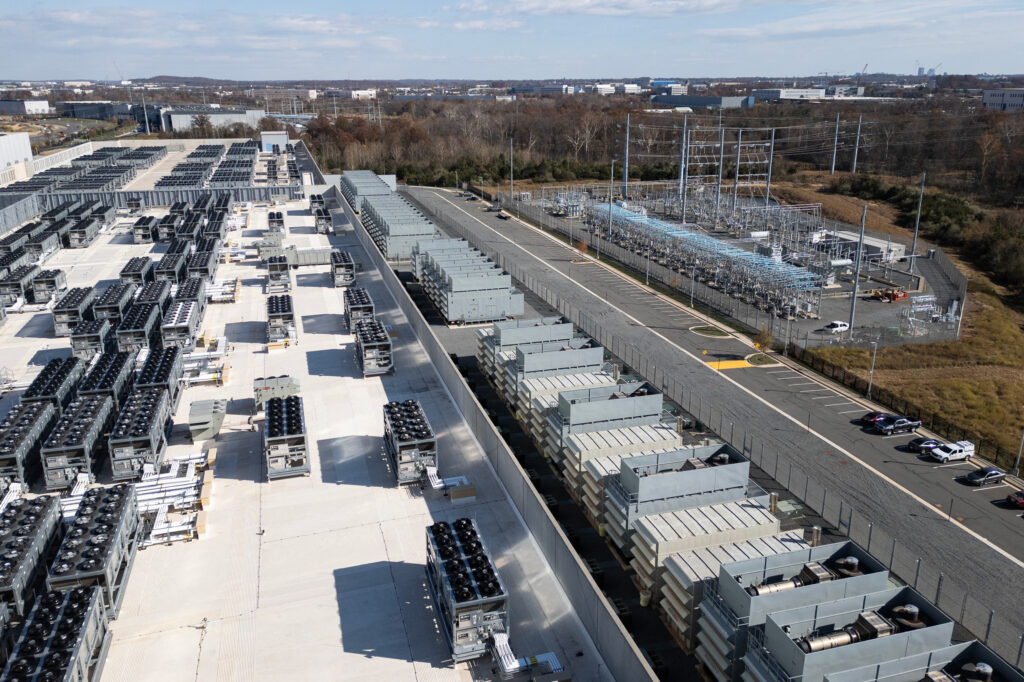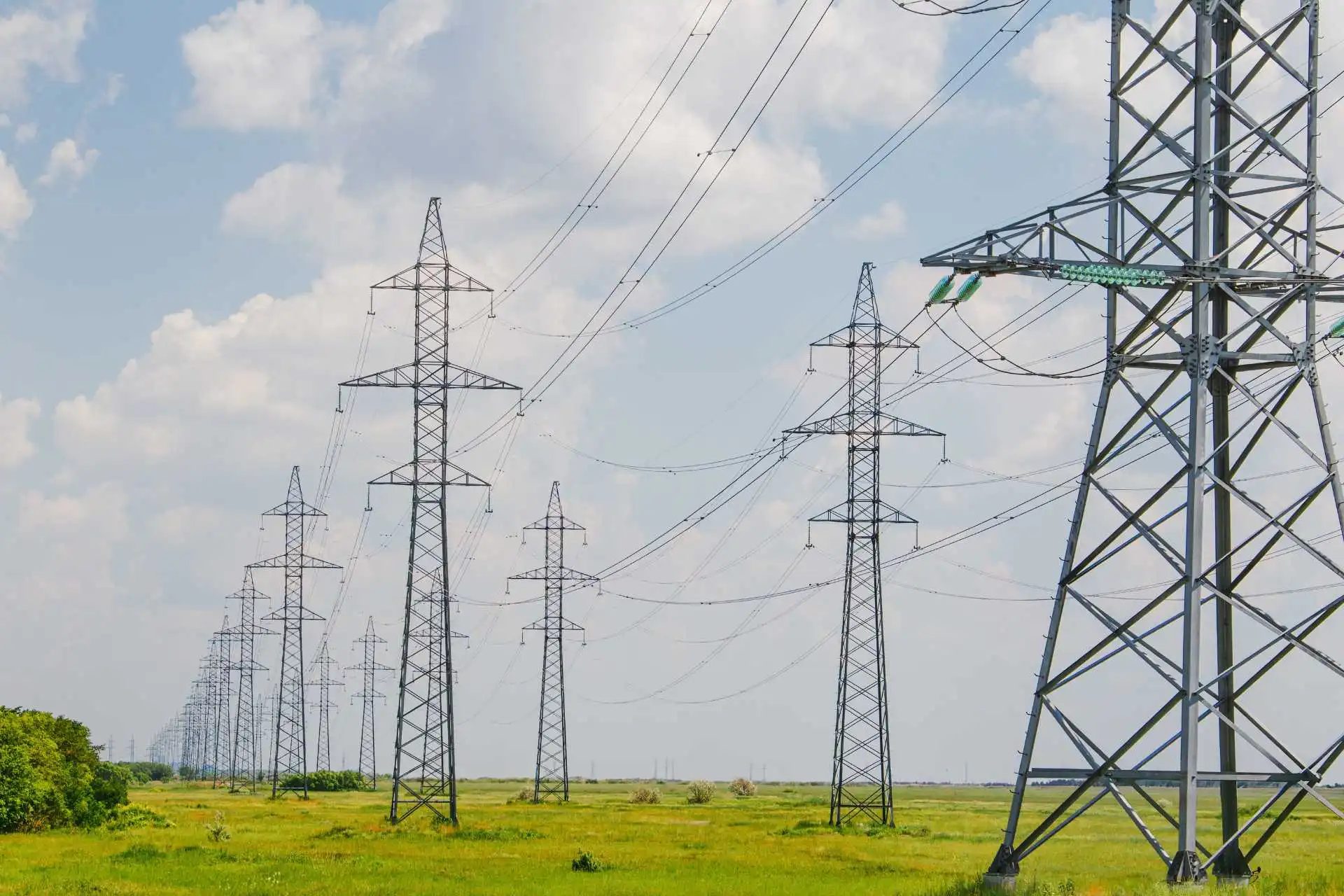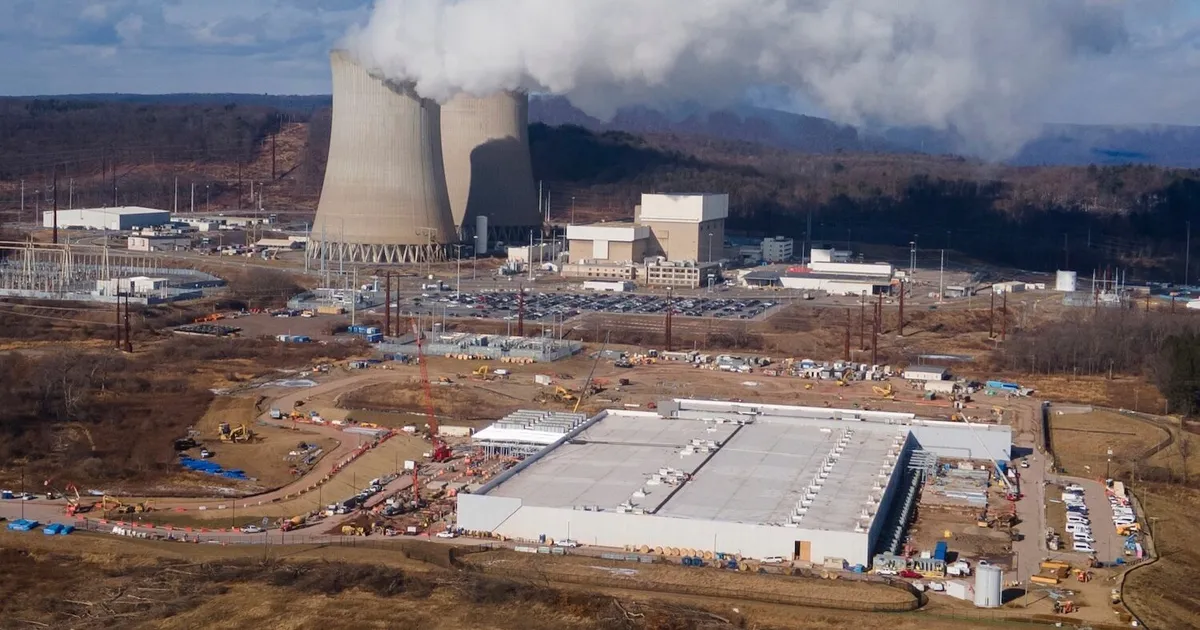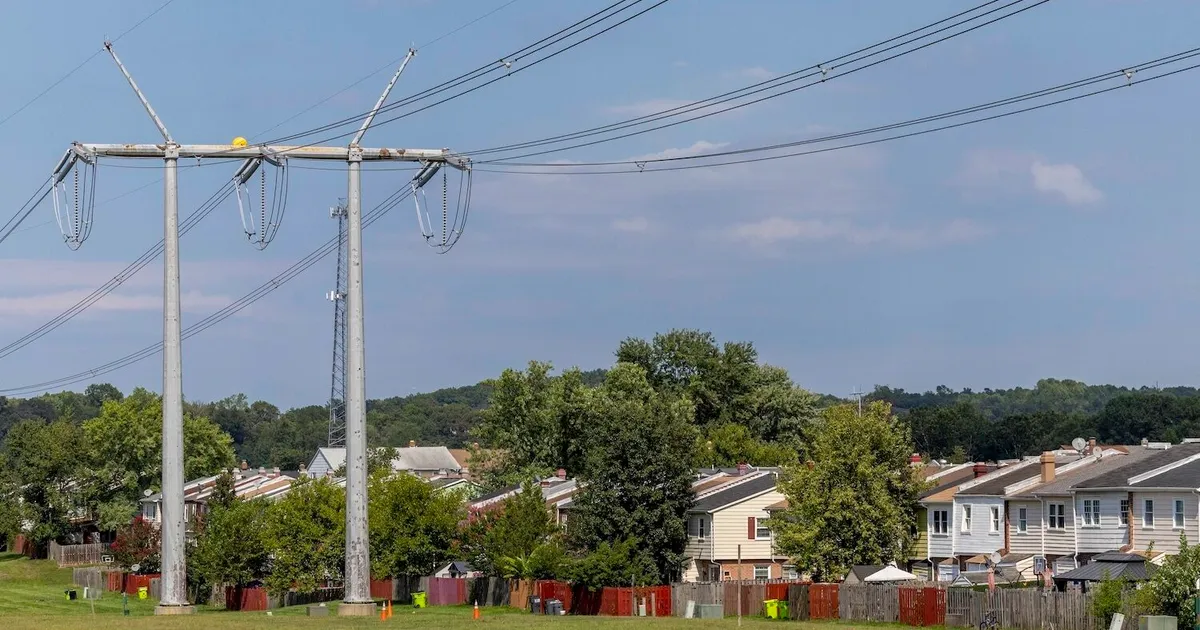
A planned 100-mile, $960-million transmission project in PJM has found itself in the middle of the debate over data center grid investments and who pays for them.
The Mid-Atlantic Reliability Line, which would run from Pennsylvania to Virginia and cross through parts of Maryland and West Virginia, was selected through the electricity market’s 2022 Regional Transmission Expansion Plan process, which is used to evaluate long-term reliability needs and market efficiency.
Projects selected in that process, PJM said, were needed to ensure reliability as load grows, especially in Dominion and FirstEnergy territories. Costs would be shared across all customers in the region, according to the region’s standard cost allocation approach, with an additional share apportioned to the utility zone expected to receive the most benefit from the new line.
At the time, the energy demands of AI hadn’t yet become a defining political issue. OpenAI’s ChatGPT hadn’t been released when PJM published its 2022 plan, and the wave of hyperscaler buildout and massive AI-driven load forecasts hadn’t yet begun.
In the years since, however, the energy landscape has changed dramatically. Data center growth has accelerated; grid constraints have sharpened; and rising electricity costs have become a top political issue nationwide. And in March, hyperscalers had gathered in the Oval Office to sign the president’s “ratepayer protection pledge,” in which they promised to foot the bill for the energy infrastructure required to support their projects, shielding consumers from higher rates.