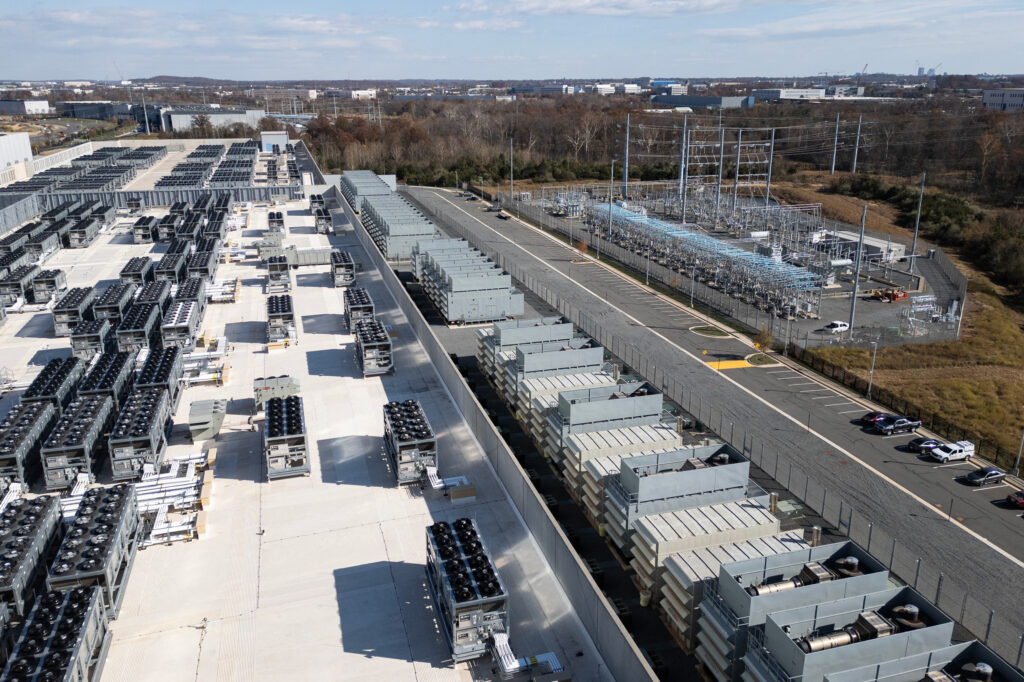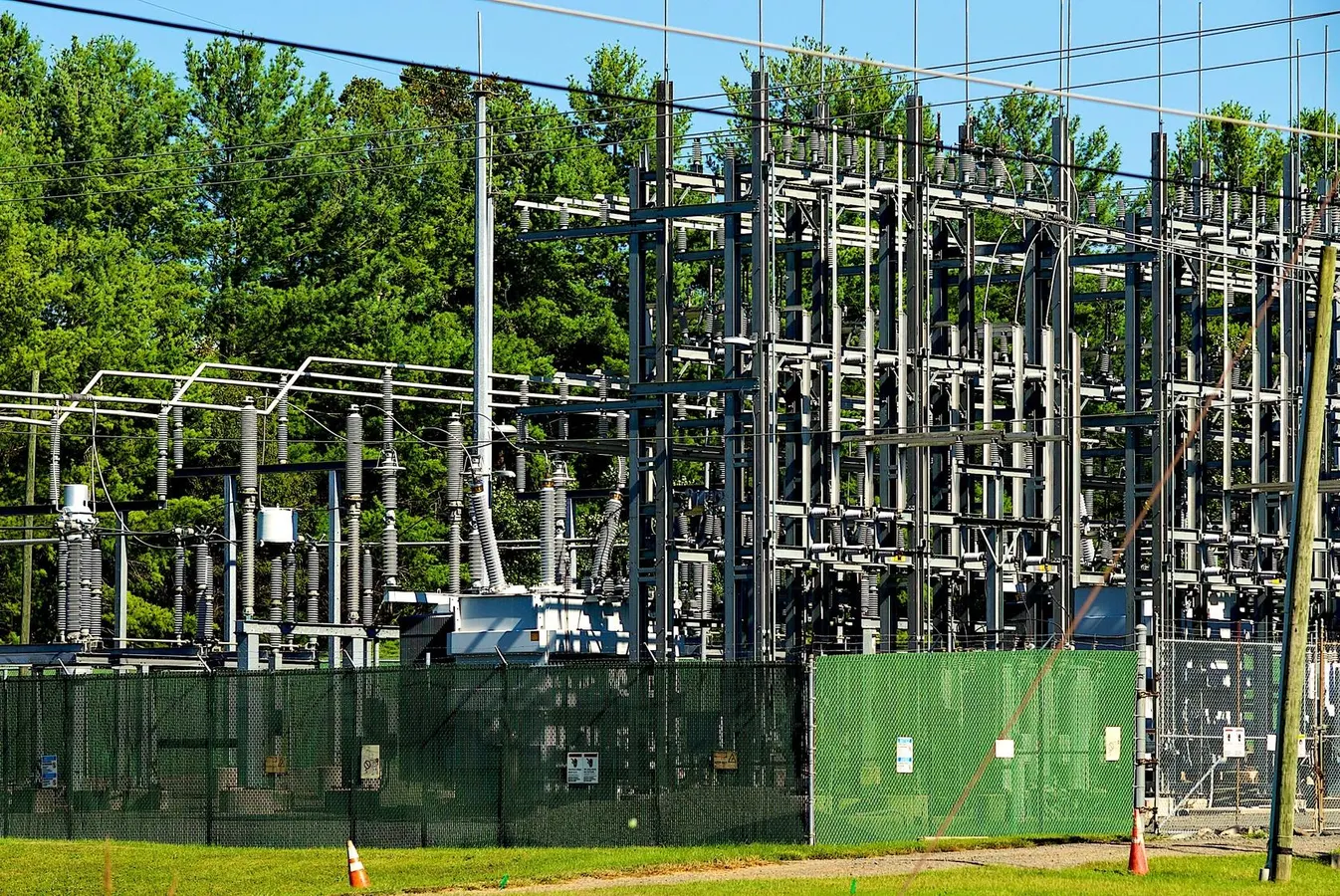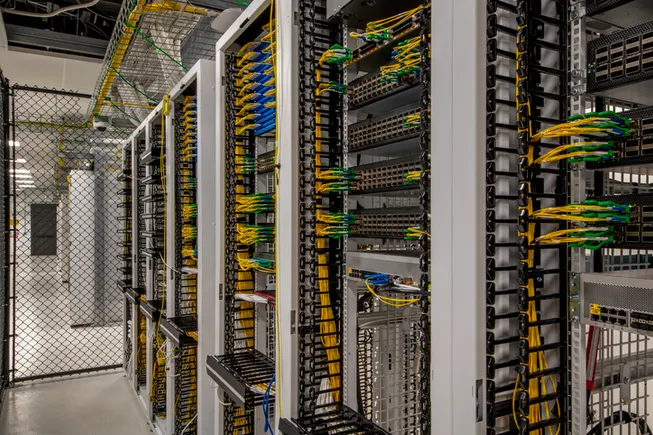
Electric transmission development is notoriously difficult, and these days, NIMBYism gets the brunt of the blame. But as data center loads surge and electricity prices climb, there’s a new roadblock: the messy world of multi-state cost allocation.
The Mid-Atlantic Resiliency Link (MARL) — a planned 100-mile, $960 million transmission line stretching across Pennsylvania, West Virginia, Maryland, and Virginia — was approved by PJM in 2022 under standard rules that spread costs across the entire region. But that plan was made before ChatGPT took off and data center forecasts shot upwards.
Fast forward four years, and now state consumer advocates are asking why local ratepayers should foot the bill for an infrastructure project designed to feed data centers in northern Virginia.
In this episode, Shayle sits down with Maeve Allsup, senior reporter at Latitude Media, to unpack her reporting on the project. They dive into how the rise of generative AI has disrupted traditional grid planning and explore why this challenge has proven to be such an impactful rate limiter for the AI boom.
[Editor’s note: In this episode, Shayle and Maeve refer to MARL as the Mid-Atlantic Reliability Line. The correct name is the Mid-Atlantic Resiliency Link. We regret the error.]