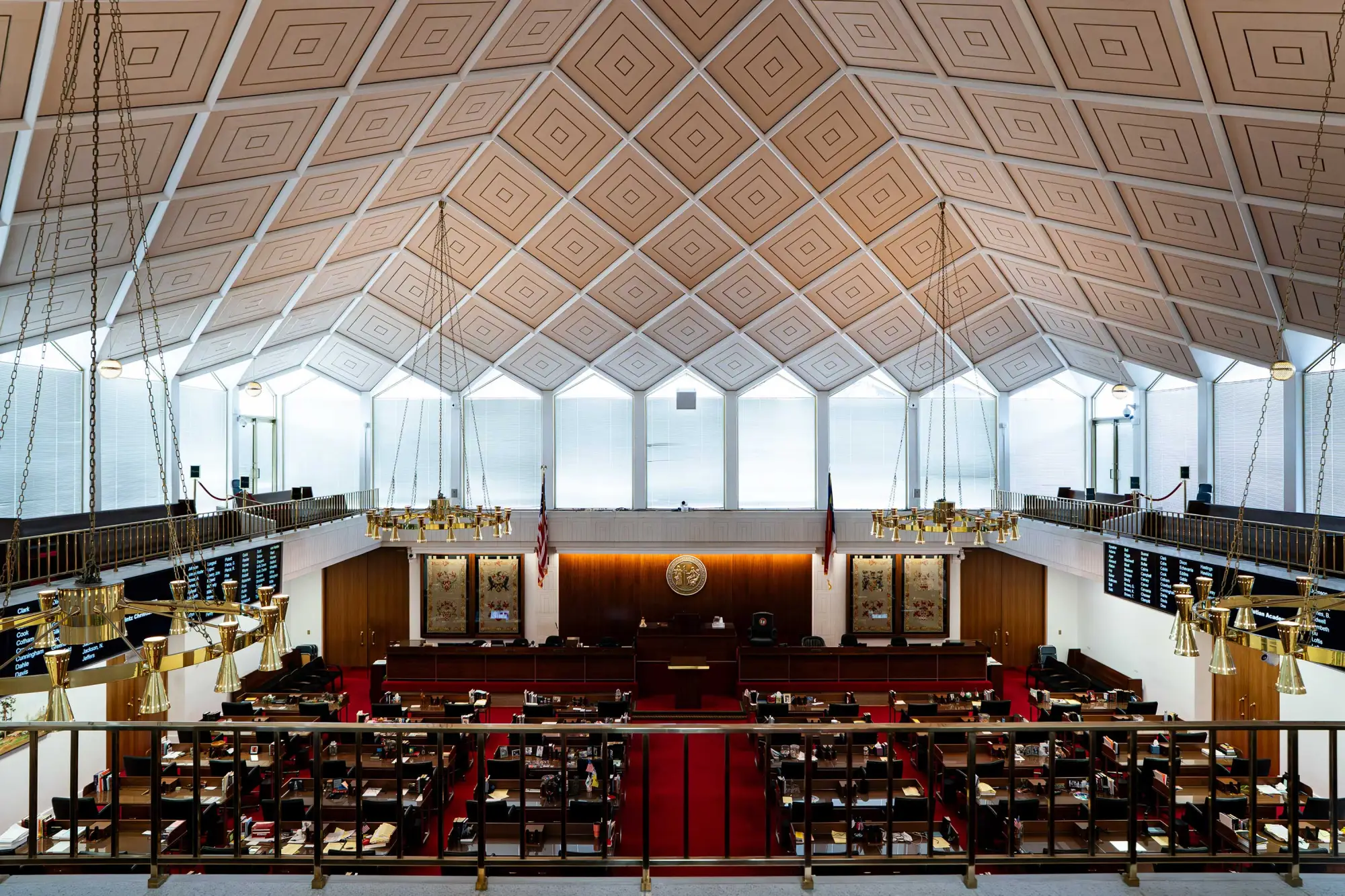
North Carolina’s Republican-led House of Representatives passed a sweeping energy bill last week called the Ratepayer Protection Act, with backers saying it would reduce energy costs for families across the state.
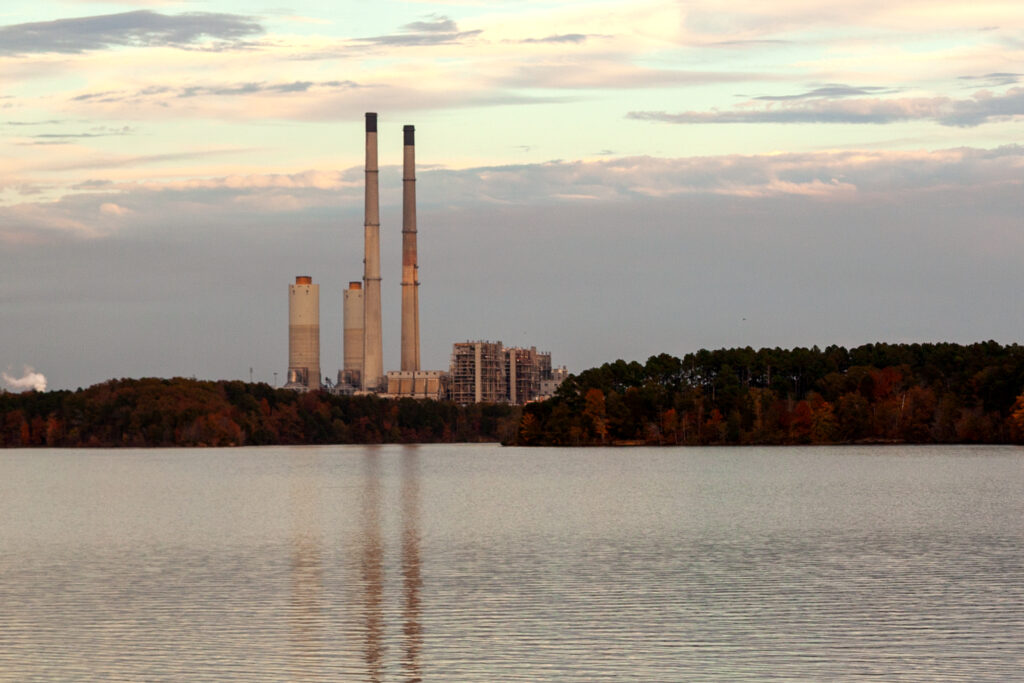
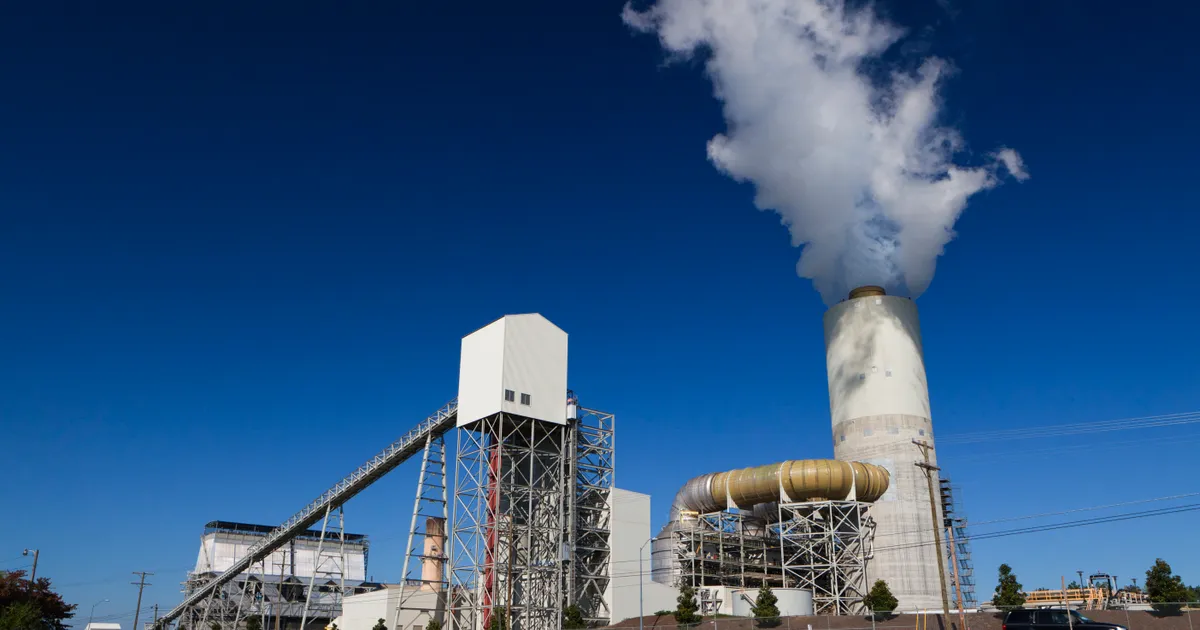
But Democrats and other critics of the legislation, Senate Bill 730, are skeptical of that claim, for one main reason: The measure prevents Duke Energy, the state’s predominant utility, from retiring any of its old, expensive coal plants unless and until it gets a state permit for a new nuclear facility with at least 1 gigawatt of capacity.
“Sometimes the name of something is the opposite of what it is,” Rep. Abe Jones, a Democrat from Raleigh, said to his colleagues on the House floor. Jones predicted the coal plant provision, among others, could cause electric bills to rise. “I want to be wrong about that, but I bet you a dime to a doughnut they’re going up.”
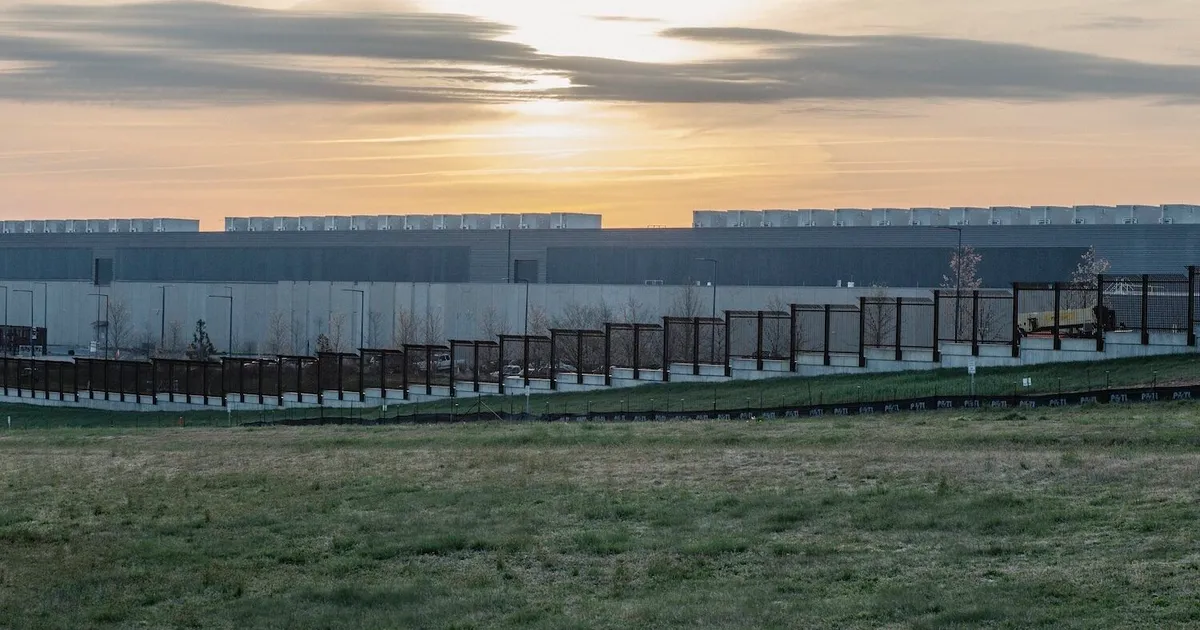
To justify the bill’s title, most SB 730 supporters point to its treatment of data centers, which threaten to raise electricity rates and overwhelm the grid in North Carolina. The measure would require tech companies to pay Duke a minimum amount for infrastructure, prohibit local tax incentives for the facilities, and take other steps to shield consumers.