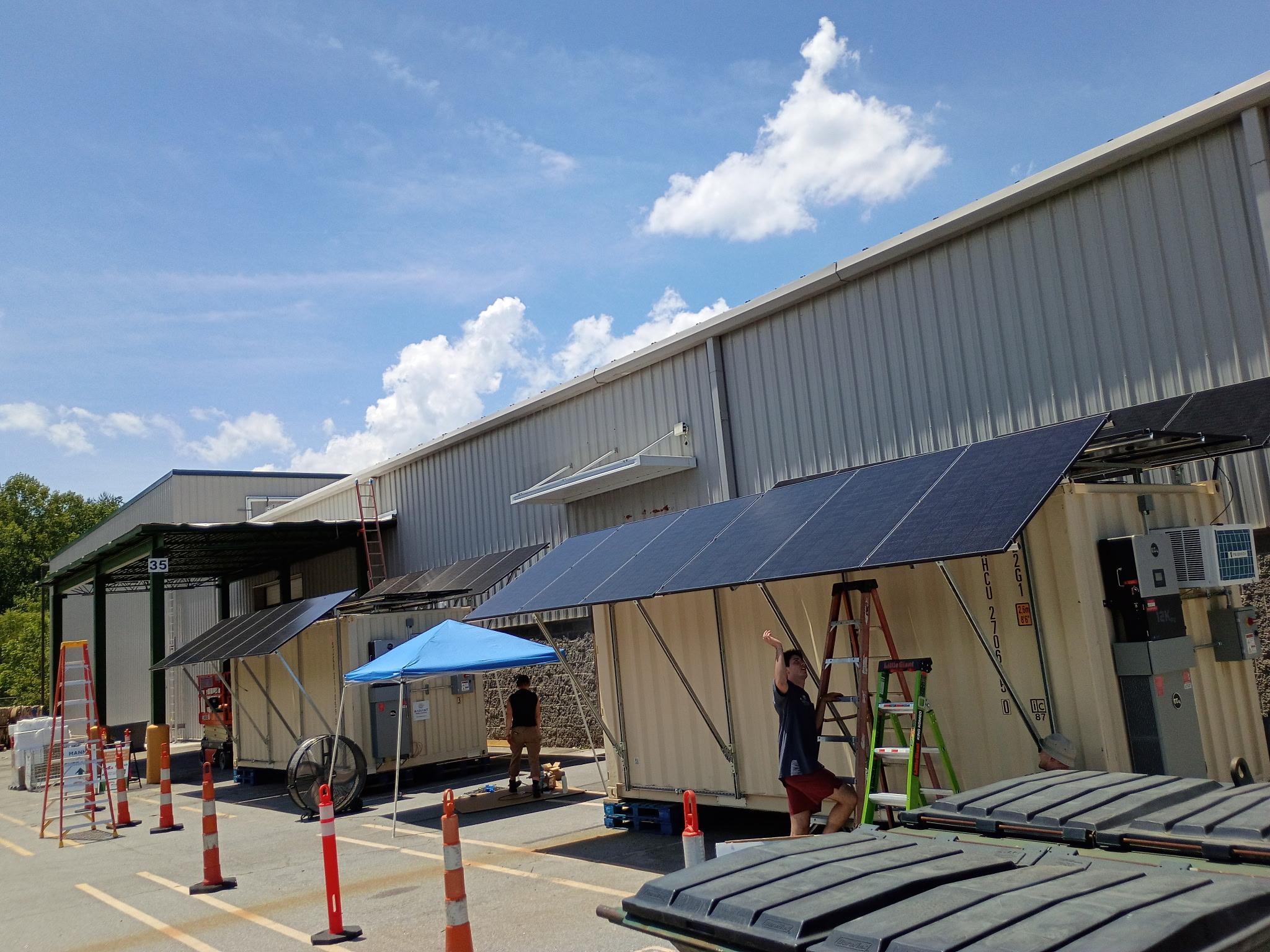
Nearly two years ago, Hurricane Helene knocked out power in Burnsville, North Carolina. Fire Chief Niles Howell had to use the station’s generator to keep everything running. Through the storm, and the devastating flooding that followed, the fire department provided a landing pad for helicopters, a base for search-and-rescue operations, and a field hospital to triage and treat the wounded.
But even in less trying times, Howell can’t risk another blackout. The station is a community hub for the small town, and Howell regularly worries about running out of fuel for the generator.
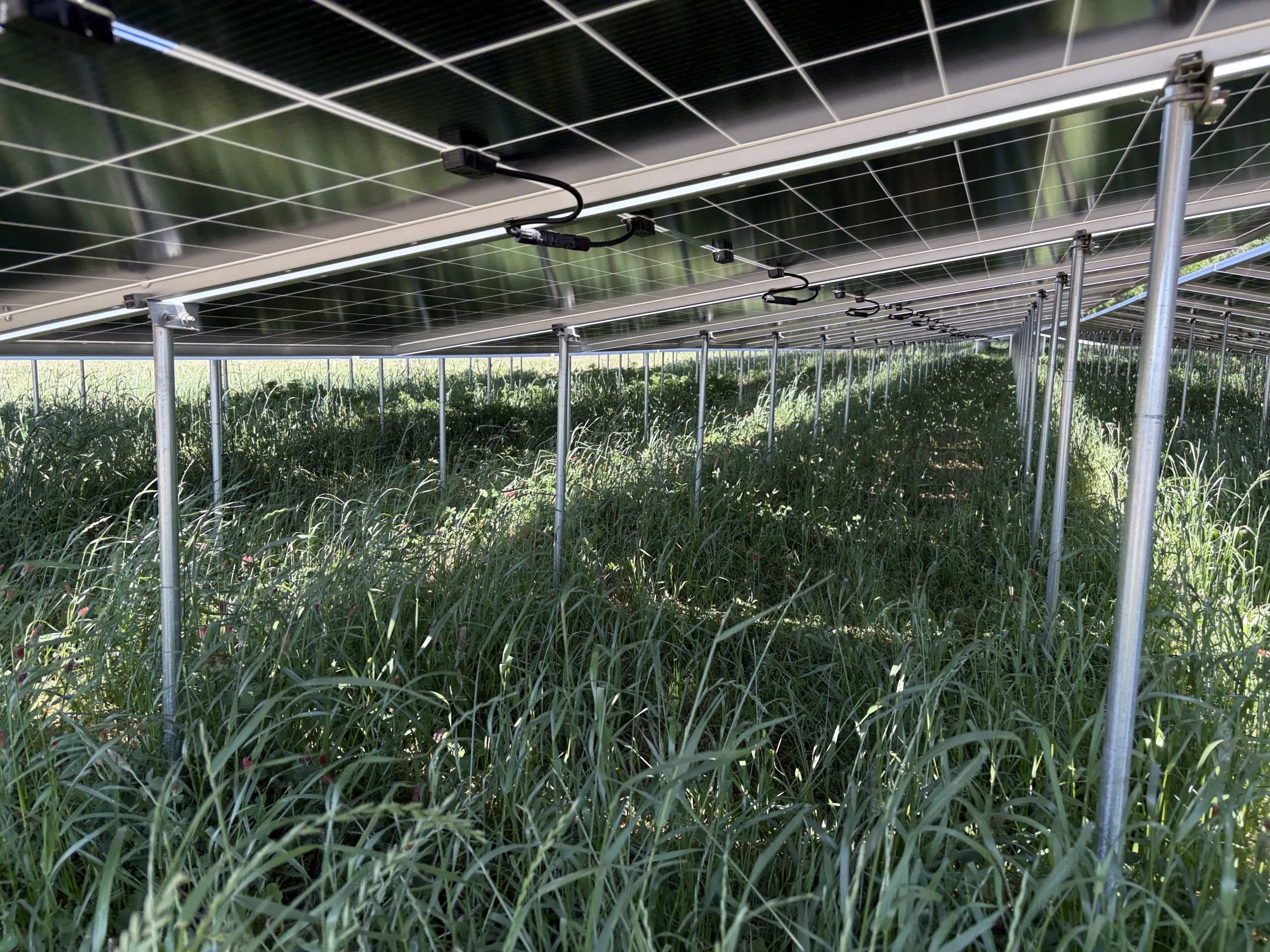
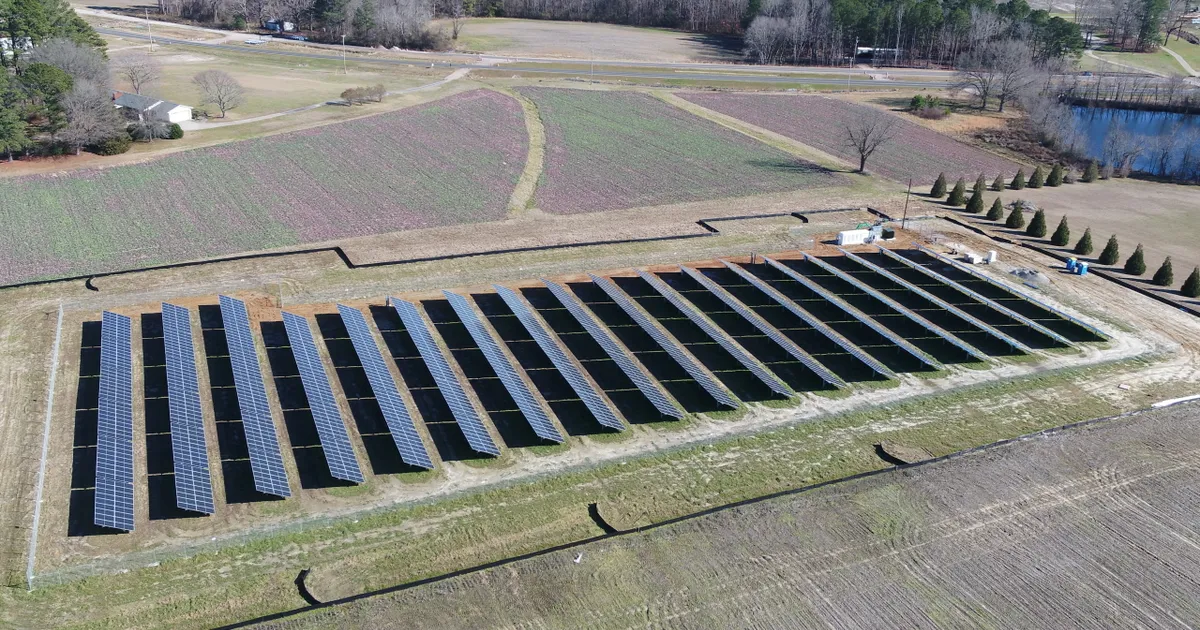
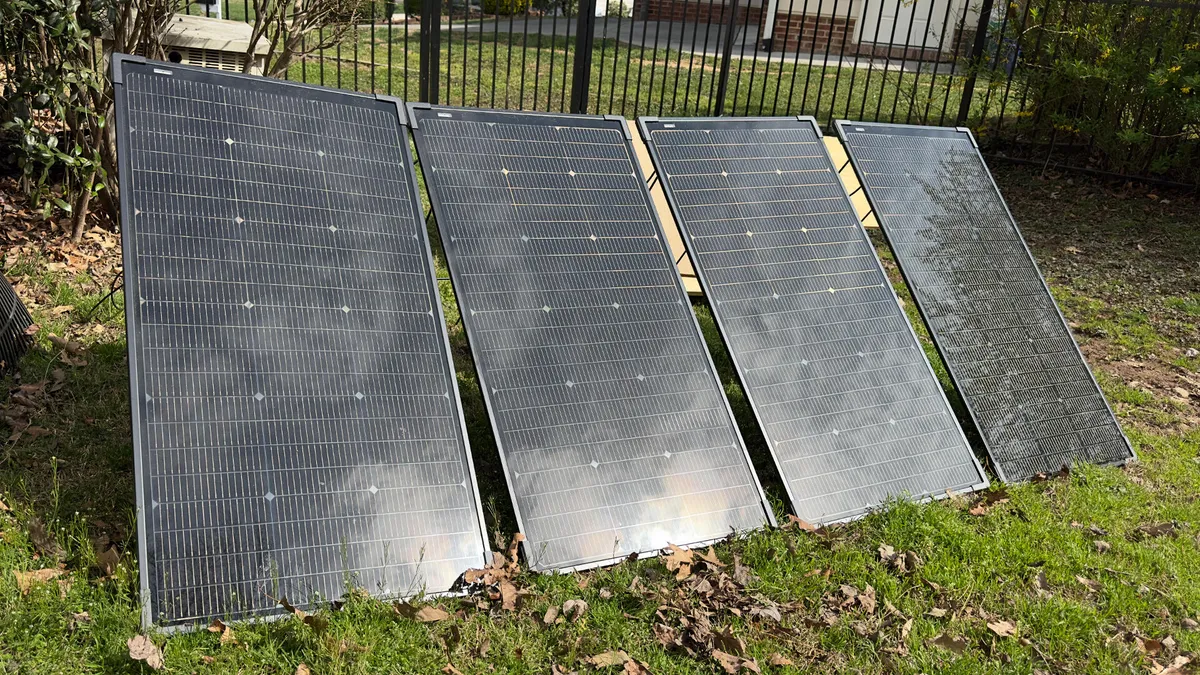
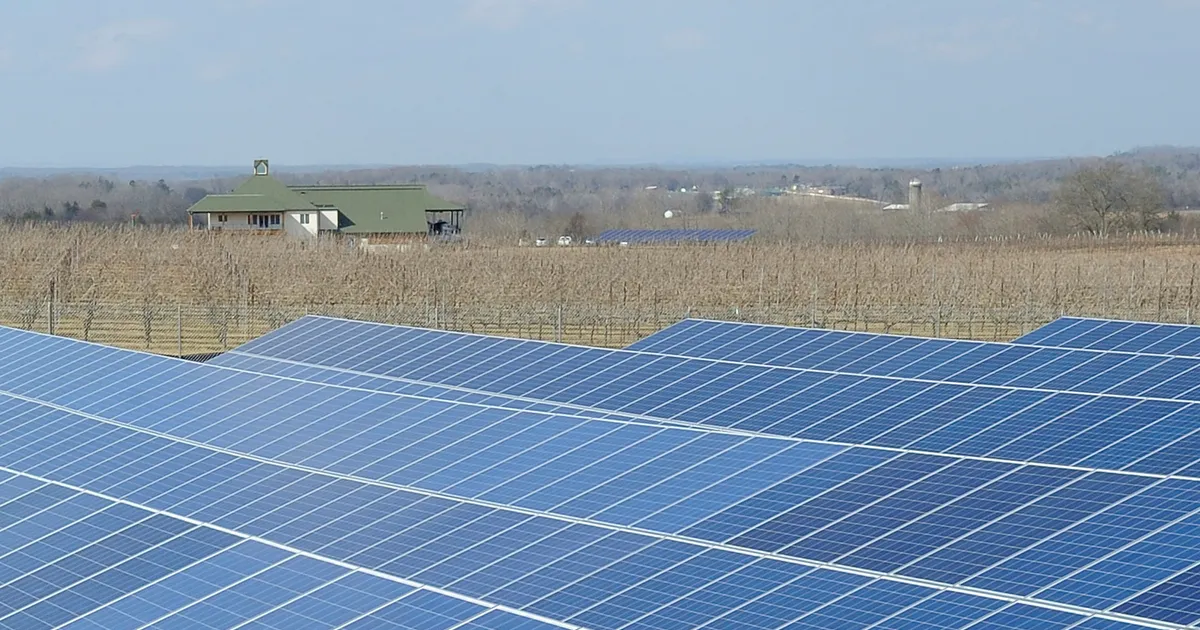
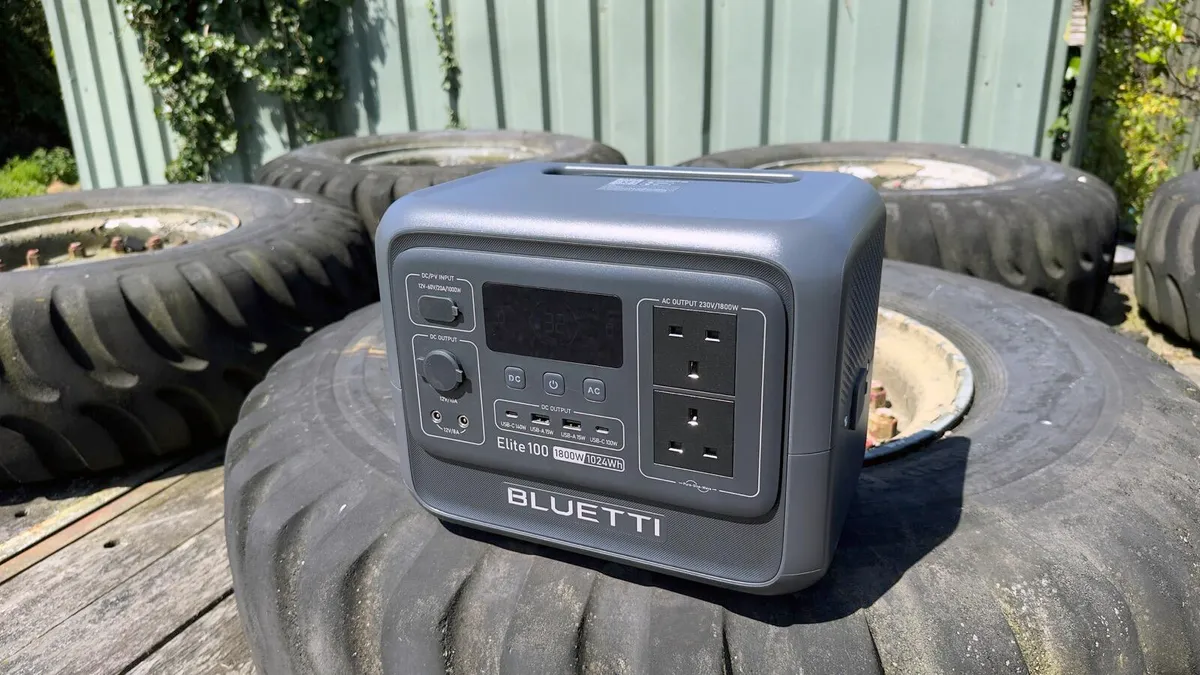
He can stop worrying. The fire department will soon install 40 kilowatt-hours of solar panels and double that amount of battery storage as part of a statewide microgrid project targeted at communities recovering from Helene.
“I love redundancy, because inevitably what you plan for will fail at some point in time, so the more avenues you have to keep things going, the better off you are,” Howell said.
A growing number of organizations and even states are reaching the same conclusion. With the Appalachian mountains repeatedly battered by extreme rain and flash flooding in recent years, i small-scale energy resilience projects are catching on. Many recent developments are popping up along the path Helene tore through western North Carolina.