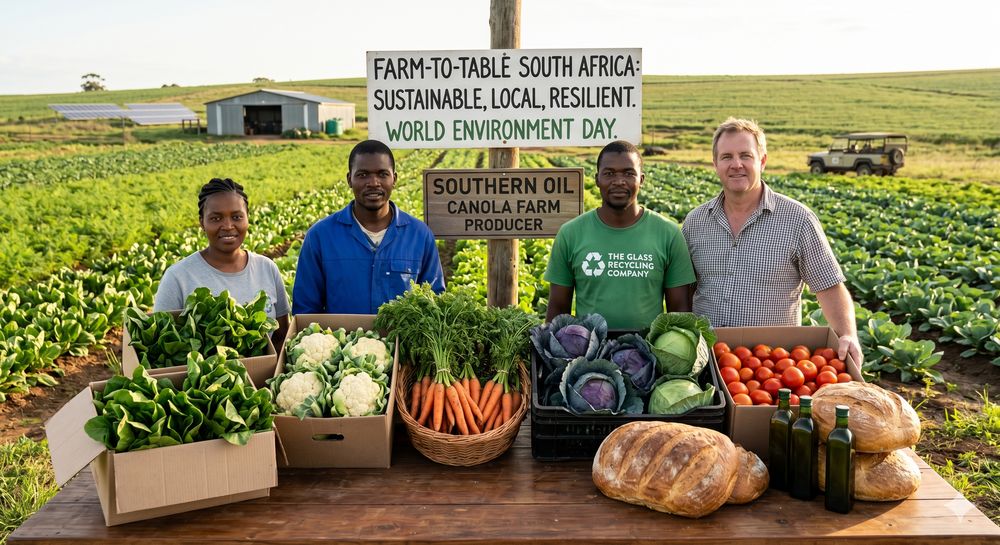
World Environment Day: Why South Africa’s ‘Farm-to-Table’ shift is about survival, not status.
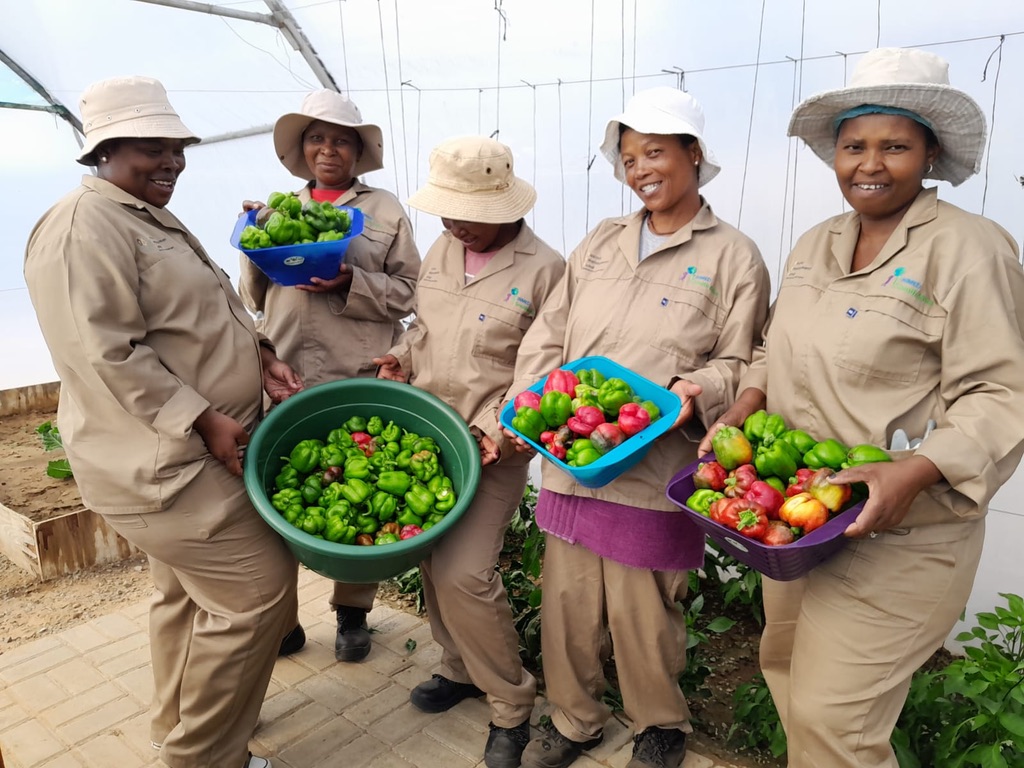
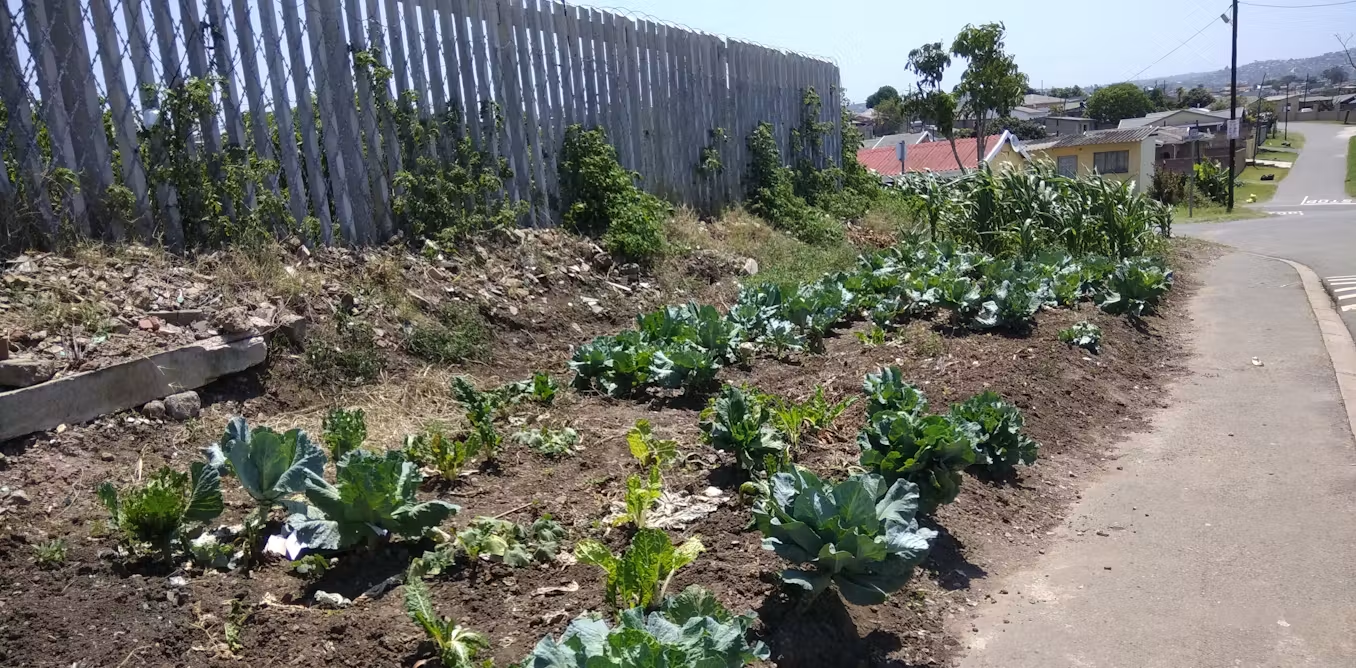
As South Africa marked World Environment Day on 5 June, a profound structural shift is quietly transforming how the nation views its landscapes, its lodges, and its plates. Once dismissed as a premium lifestyle buzzword for affluent foodies, the concept of "farm-to-table" has rapidly evolved into a strategic necessity. In a country navigating severe economic headwinds, volatile global supply chains, and a changing climate, localized sustainability is no longer an optional luxury—it is a baseline survival strategy.
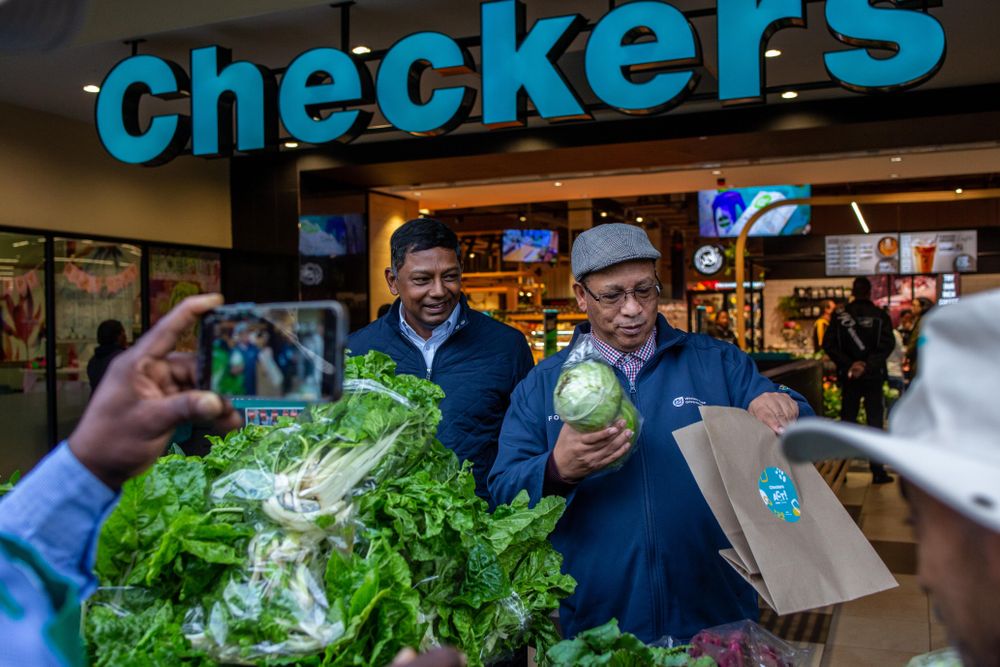
South African consumers are increasingly driving this transformation. Driven by a growing commitment to proactive health management and sustainability, 75 per cent of local consumers now demand cleaner, more transparent food production, whilst 42 per cent cite health benefits as the primary reason they switch brands. Yet, beneath this wellness-driven trend lies a stark socioeconomic reality: roughly 16 million South Africans suffer from inadequate food access.
"Beyond being a buzzword, farm-to-table has an integral role in connecting sustainable farming practices, building resilient food systems and local food sourcing while lessening pressure on the supply chain and reducing carbon footprint," said Zander Spammer, agricultural resource manager at Southern Oil. Spammer highlights the local canola industry—boasting over 600 dedicated producers—as a prime blueprint.