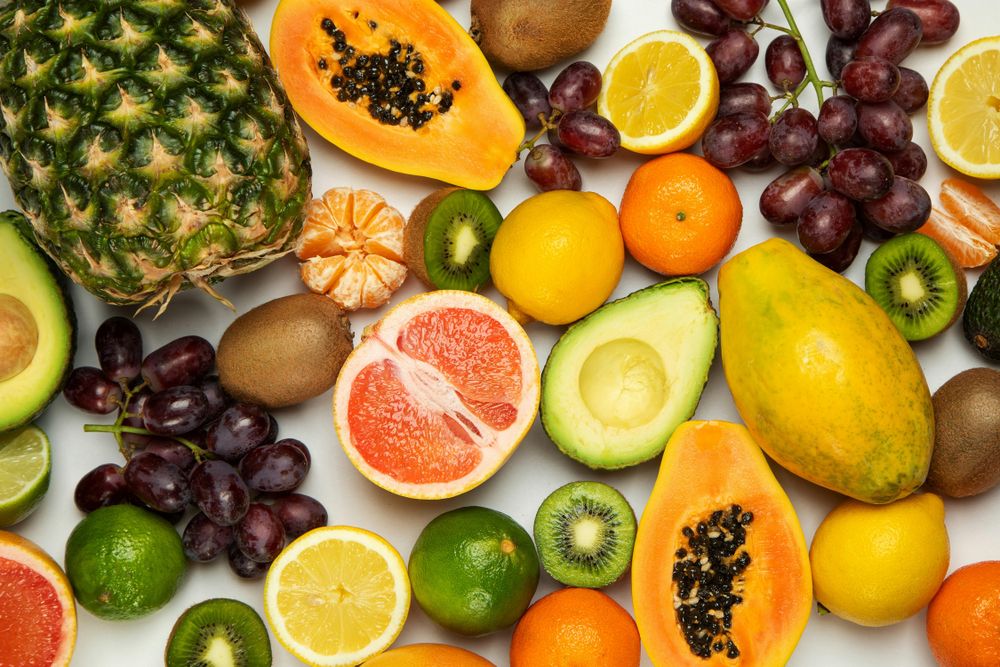
South African fruits have received notable praise from an American traveller visiting the country. The debate about seedless fruit is ultimately not about whether people enjoy seedless grapes. It is about whether food remains something communities can reproduce for themselves.
SOUTH Africans are being sold a dangerous illusion. We are told that seedless fruit is simply a matter of convenience: easier to eat, easier to package, easier to sell.
But in a country where millions struggle to put food on the table, we should be asking a much more serious question: Who benefits when ordinary people can no longer reproduce what they eat?
For poor communities, a seed has never been a nuisance; it has been an asset.
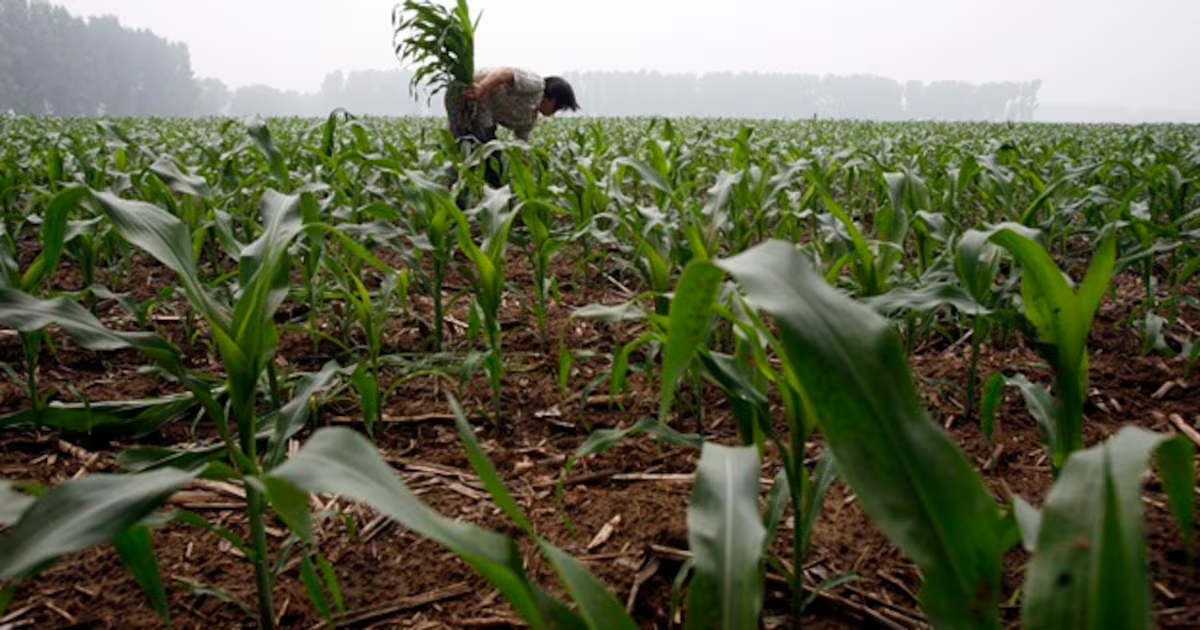
Across rural villages, townships and informal settlements, families have always stretched food beyond a single meal. A pumpkin was not only dinner. Its seeds could be planted. Tomatoes could be replanted. Maize kernels could become the next harvest.