Last summer, the Kiel Institute, a non-profit think tank in Germany, asked me to lead an analysis of the global benefits of international health aid programs, such as the Global Fund, the President's Emergency Plan for AIDS Relief (PEPFAR), and Gavi. My team got to work reviewing the research literature and interviewing experts.
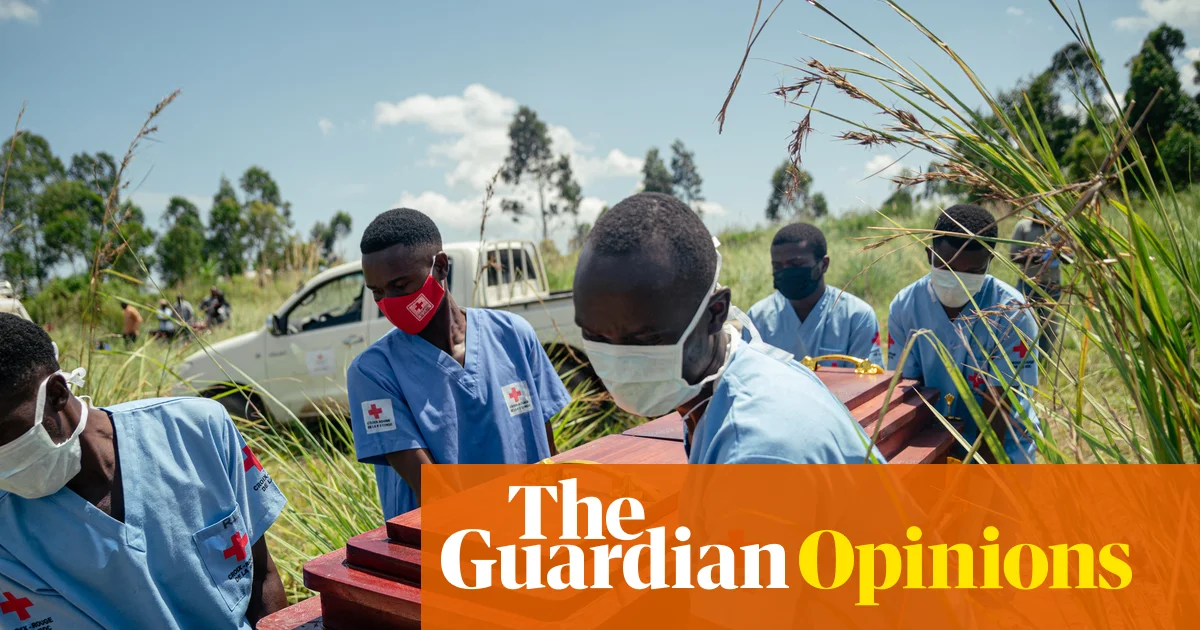
It quickly became clear that the positive impacts of these programs in controlling diseases like HIV/AIDS and malaria in low- and middle-income countries (LMICs) are well proven by research and widely communicated in news reporting. So, when some wealthy nations, including the U.S., France, Germany, and the U.K., slashed their health aid last year, the resulting surge in deaths in LMICs from infections and maternal and health conditions received substantial worldwide media coverage.
What surprised us was how little attention there has been to the enormous benefits that donor countries themselves receive from giving health aid. In other words, health aid brings "mutual benefits" to both recipients and donors.
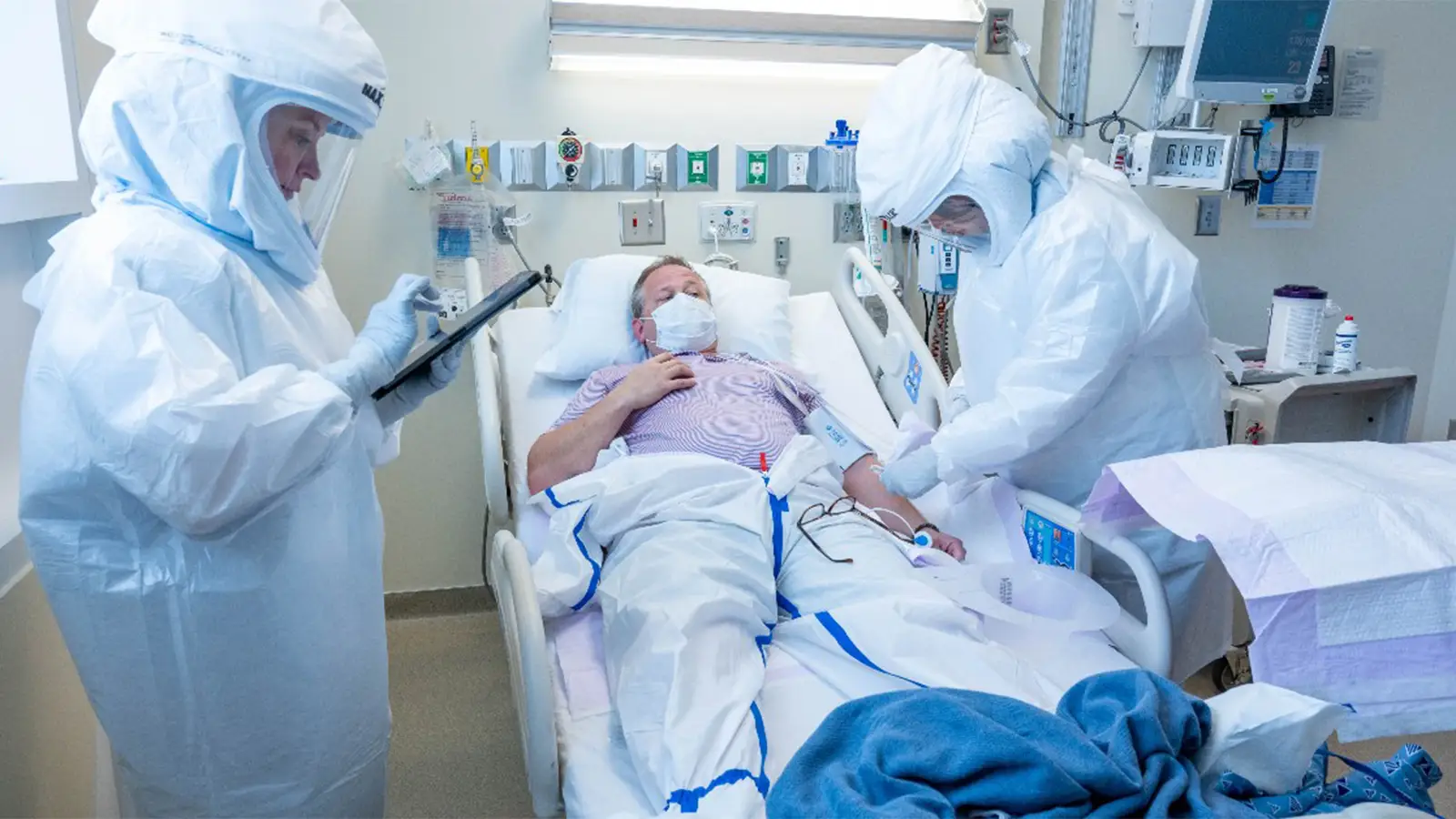
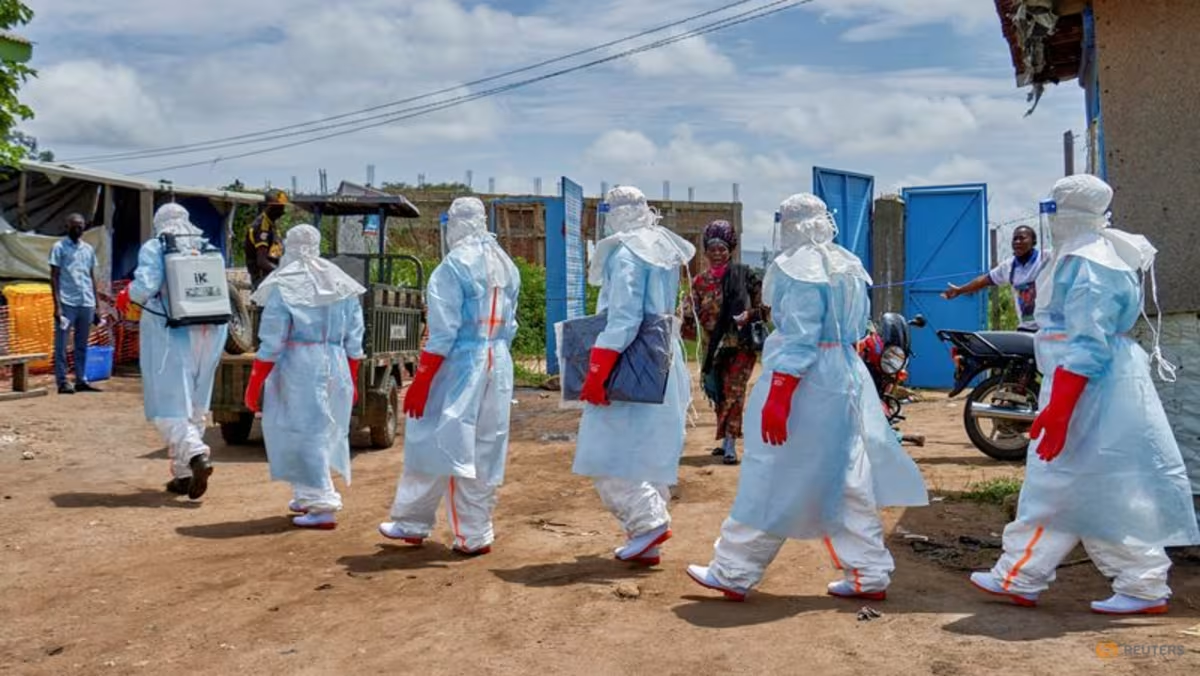
The most obvious benefit to donor nations comes when they invest aid in preventing epidemics and pandemics, thus averting sickness, deaths, and social, political, and economic harms in both recipient and donor countries. As we say in our analysis, "A relatively small amount of investment can go a long way to preventing future loss of life and money." Every dollar invested in pandemic prevention and response is estimated to yield health and economic returns of $14.