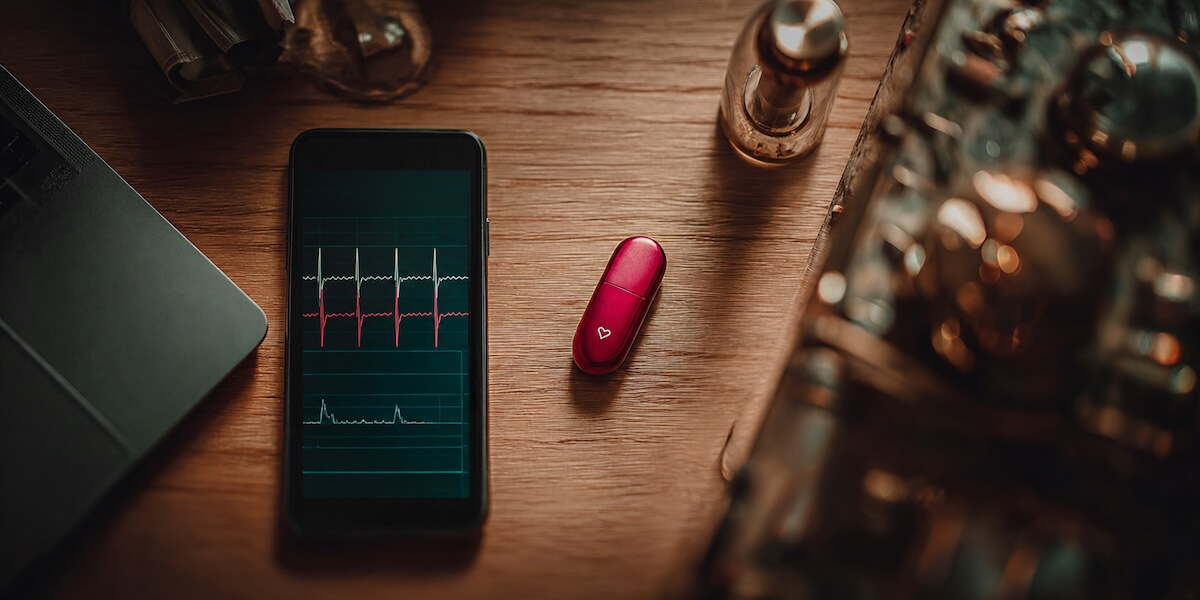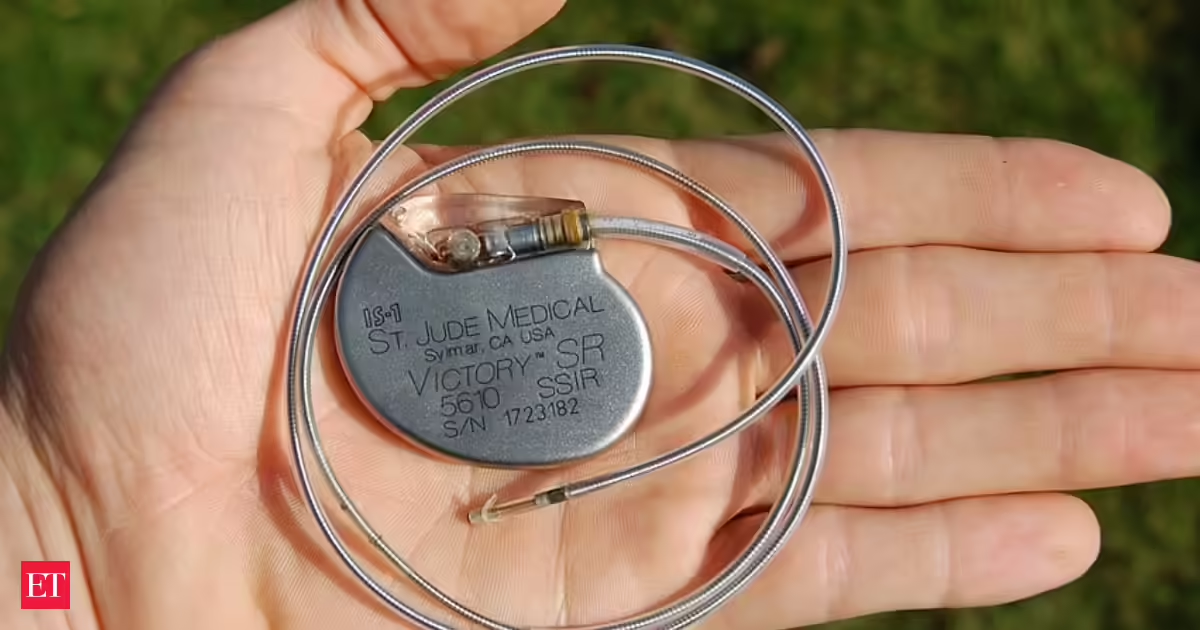
SynopsisAn inventor, Wilson Greatbatch, accidentally created a regular beat while working on a heart sound recorder. He realized this pulse could stimulate the heart. This mistake led to years of engineering and collaboration. Greatbatch's work, along with surgeon William Chardack, transformed external pacing systems into implantable devices. Hundreds of thousands of patients benefit from these life-saving technologies today.The pacemaker | Wikimedia CommonsWhile it is true that history loves to remember those scientific discoveries that seem premeditated, Wilson Greatbatch had his own experience with an accident that led to one of his biggest achievements in life. While developing an oscillator for recording heart sounds in 1956, the inventor found himself selecting an incorrect resistor from the component bin.This action led to a complete change in the device's properties and produced a regular beat instead of the desired signal. This is when other inventors would just replace the faulty part and keep working.The mistake that produced a heartbeatThe story is repeated so many times that one starts thinking of myths; however, scientific reviews of the history of pacemakers consistently support the facts of the discovery. As noted in a historical overview in the Texas Heart Institute Journal, Greatbatch accidentally installed a 1-megohm resistor instead of the significantly smaller one he intended. A changed circuit produced a short pulse and silence lasting approximately one second. Greatbatch understood that the pattern was similar to the heartbeat's rhythm.The pacemaker | Wikimedia CommonsThe point of the story was not even the mistake itself because mistakes happen in electronics all the time. The point is that Greatbatch realized the potential of using such a signal to create something beneficial, namely, stimulating the heart electronically. In fact, the University at Buffalo gives a brief account of the discovery within the context of Greatbatch’s research in medical electronics. It is necessary to mention that Greatbatch did not look for a pacemaker when he mixed up resistors.Turning a pulse into a medical deviceIdentifying a potentially useful operating pattern was just one step in the process, since turning this pulse into a technology took years of engineering, testing, and collaboration. Literature reviews in Europace and other cardiological publications have explained how Greatbatch's work contributed to the development of implantable devices from external pacing systems. While the pulse hinted at potential, building a machine that could keep a heart working required far more effort.One of the most pressing concerns associated with the task had been power. Clearly, an implantable device could not rely on bulky external components; thus, it required a power source capable of operating continuously within the body. Greatbatch also became heavily engaged in addressing this issue. In fact, literature reviews on the evolution of power supplies used in implantable devices show his active participation in developing the batteries that power these devices. Collaboration was another important element. According to historical reports published by the U.S. Department of Veterans Affairs, surgeon William Chardack contributed greatly to the transformation of pacemakers from prototypes to viable devices.The pacemaker located near the heart | Wikimedia CommonsFrom workshop accident to medical historyBy the mid-sixties, pacemakers implanted in patients' bodies were already changing the world of cardiology. Reviews of the history of pacemakers in medical journals invariably emphasize that Greatbatch's contributions have been crucial to the development of contemporary implantable pacemakers. In such circumstances, the importance of his mistaken resistor becomes more obvious. The accidental pulse itself was certainly not responsible for saving people's lives; the subsequent actions were. The appeal of this invention also lies in the fact that it represents a mix of pure luck and great skill. Indeed, while a resistor had been chosen incorrectly, a person with Greatbatch's expertise was needed to understand the significance of that choice.The process of invention often begins with some kind of observation. In the case of Greatbatch, this process started with the observation of an accidental event. An incorrectly chosen component resulted in a pulse that seemed rather familiar. Today, hundreds of thousands of patients can attest to how useful these technologies have proved to be.Read More News on(Catch all the US News, UK News, Canada News, International Breaking News Events, and Latest News Updates on The Economic Times.) Download The Economic Times News App to get Daily International News Updates....moreless
In 1956, an electrical engineer grabbed the wrong resistor and helped create the life-saving pacemaker
An inventor, Wilson Greatbatch, accidentally created a regular beat while working on a heart sound recorder. He realized this pulse could stimulate the heart. This mistake led to years of engineering and collaboration. Greatbatch's work, along with surgeon William Chardack, transformed external pacing systems into implantable devices. Hundreds of thousands of patients benefit from these life-saving technologies today.
706 words~3 min read