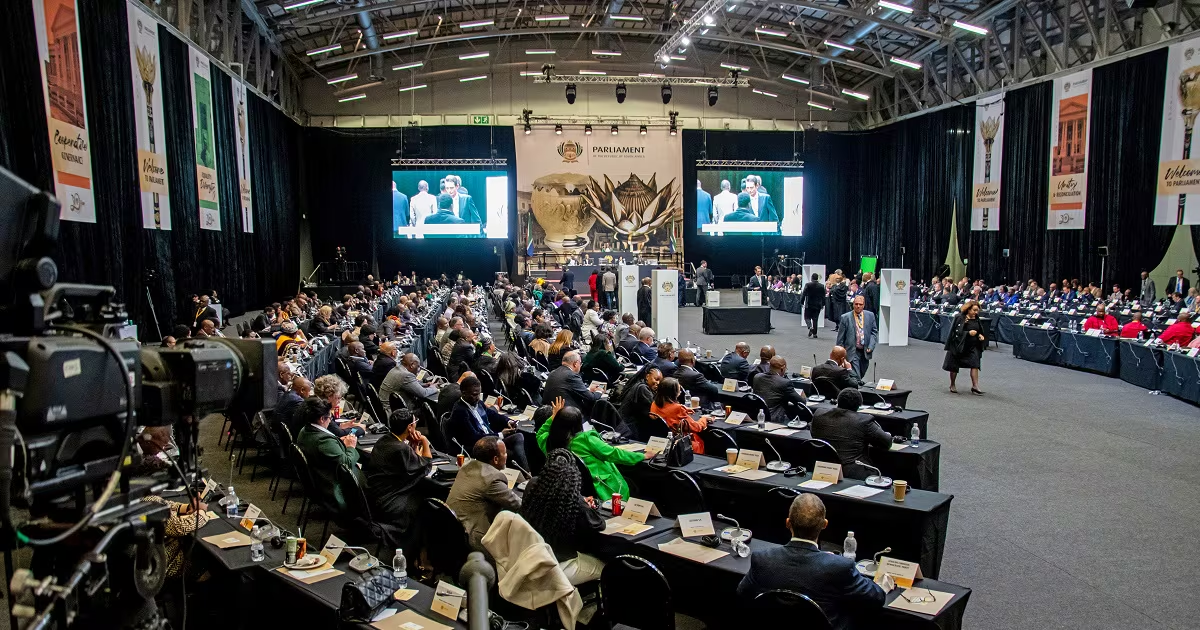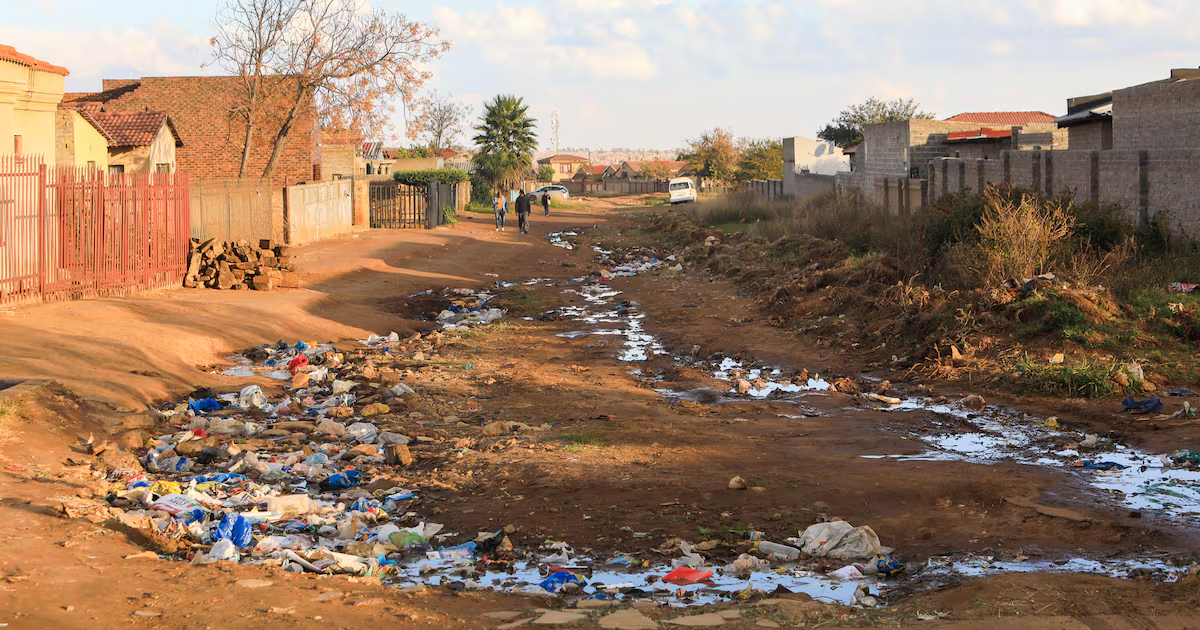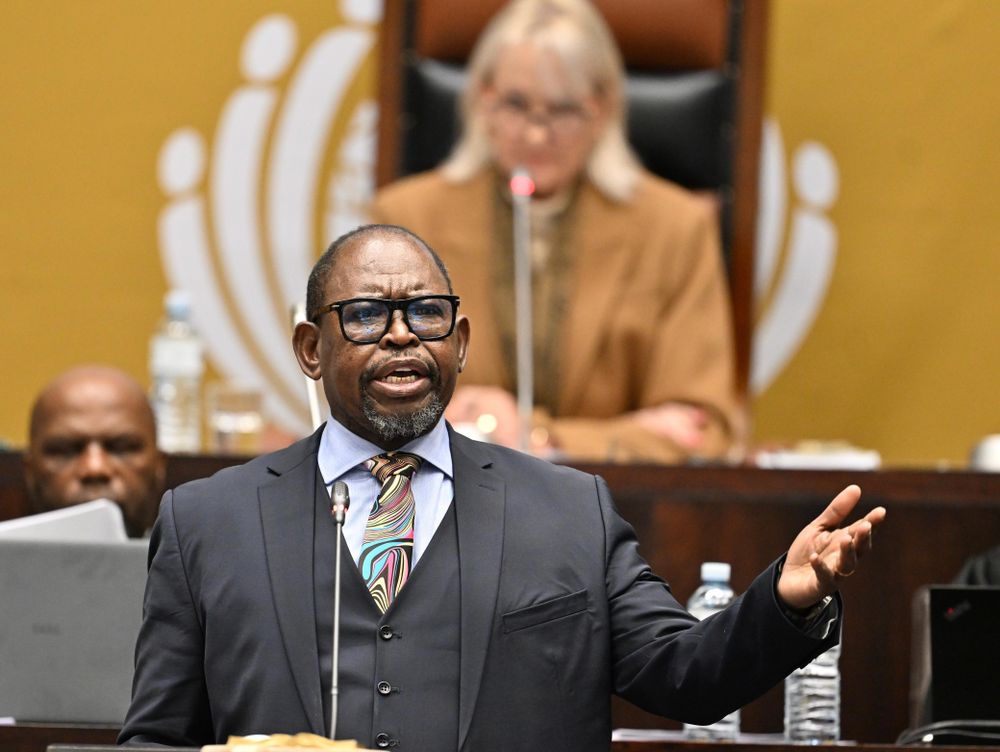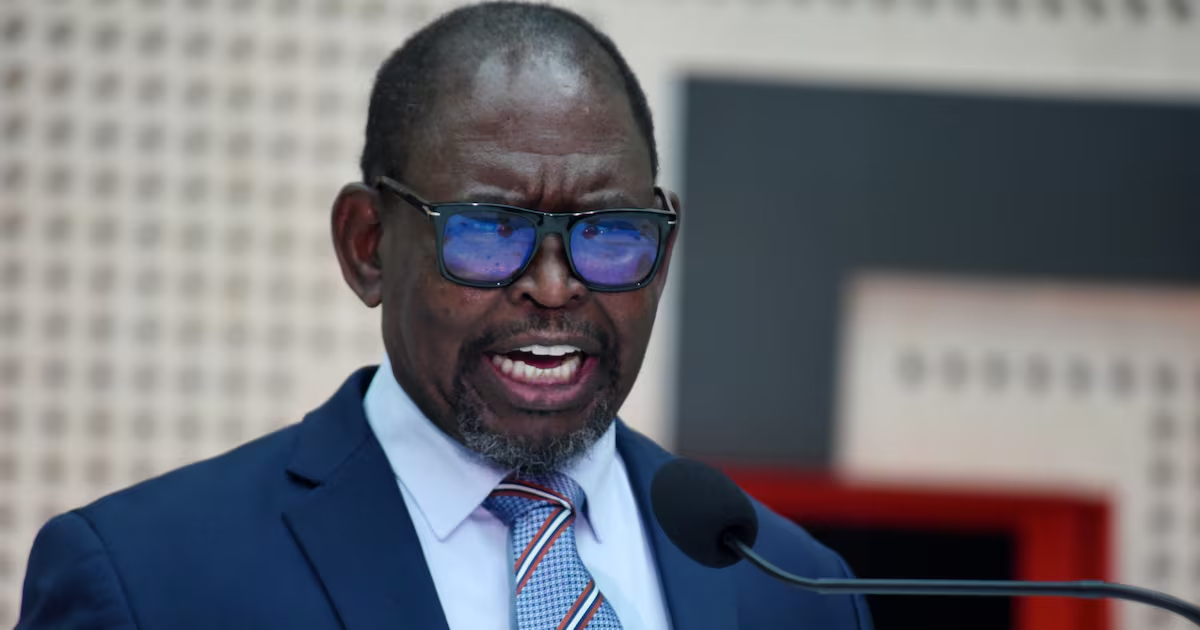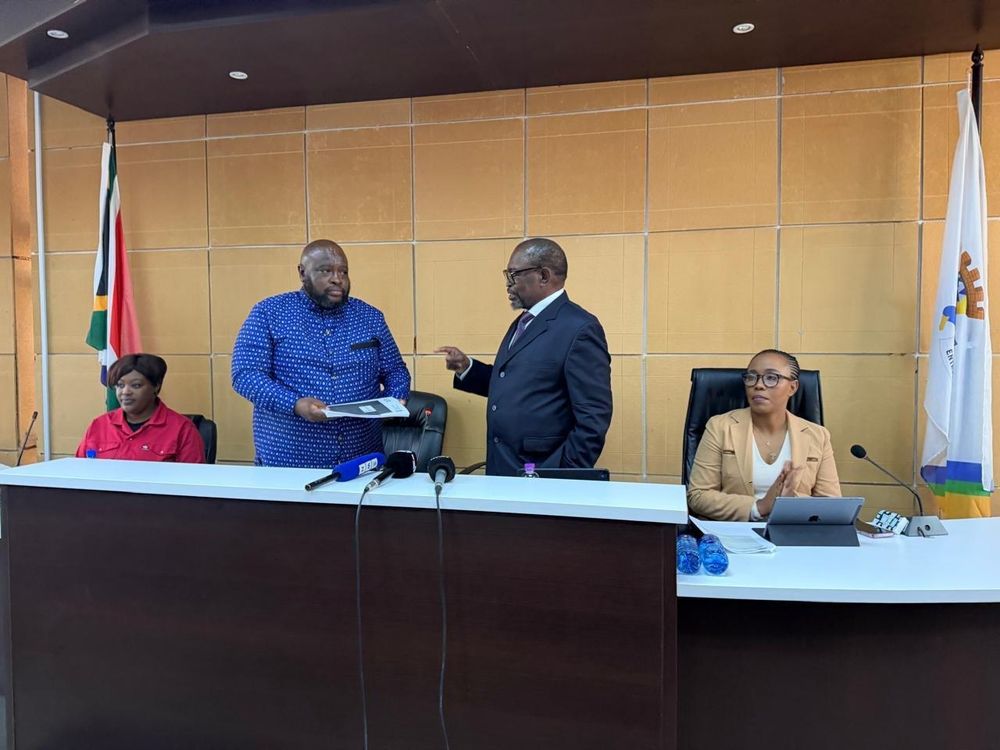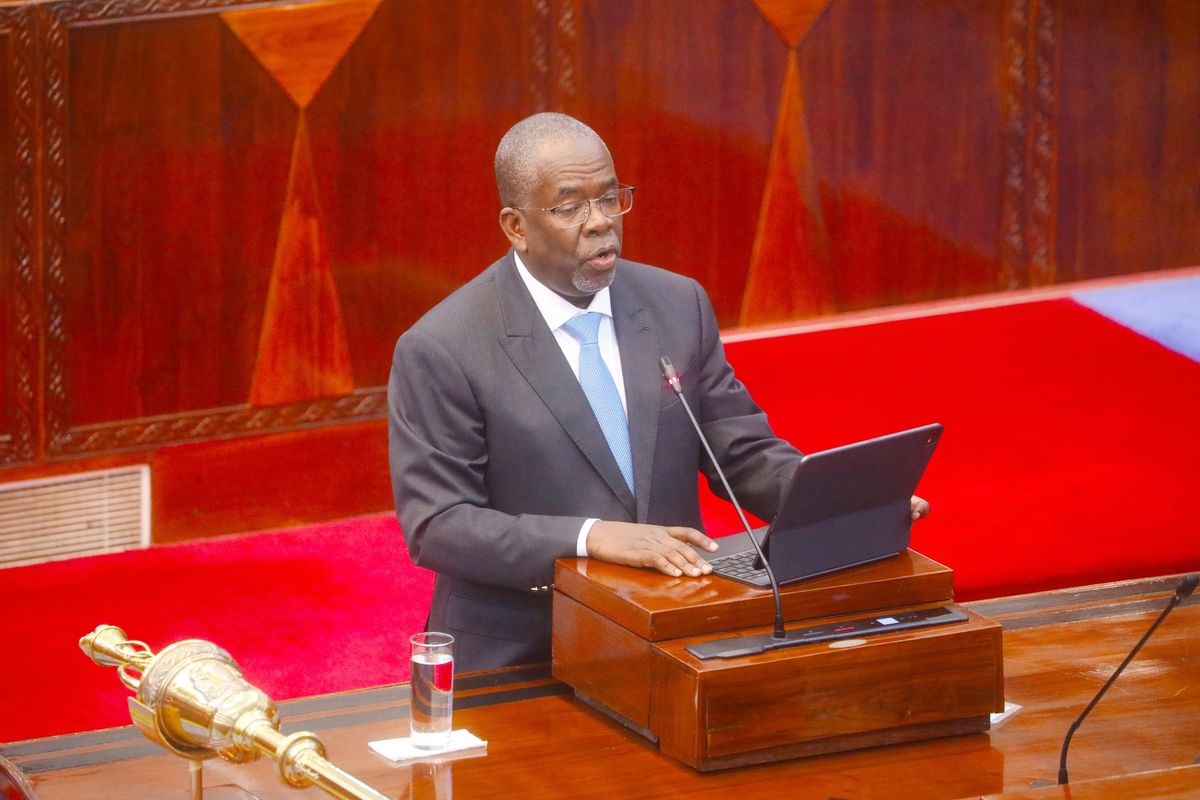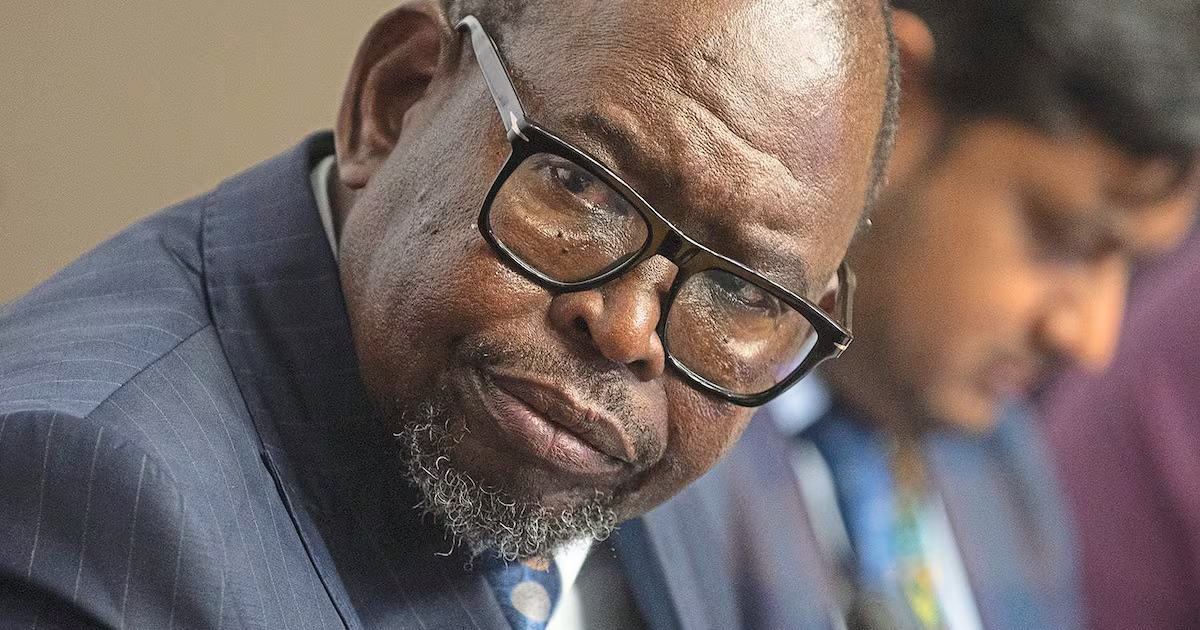
When finance minister Enoch Godongwana delivered the National Treasury’s budget vote speech in parliament recently, commentary rightly focused on macroeconomic headwinds — fuel levies, inflation and a fragile 1.8% growth projection. However, his announcement that a comprehensive review of the Public Finance Management Act (PFMA) of 1999 and the Municipal Finance Management Act (MFMA) of 2003 is at an advanced stage, with amendment bills designed to fundamentally restructure South Africa’s public financial management architecture, also deserves attention. This is arguably the single most significant intervention in South Africa’s public finance governance framework since the original acts were passed during the administration of former finance minister Trevor Manuel, who is regarded as the architect of the democratic state’s fiscal order. To understand why this matters, one must appreciate what these laws did when they were born, and what they have failed to prevent in the decades since. The foundation that changed everything Before 1994 South Africa’s public finances were managed under the apartheid-era Exchequer Act of 1975 — a law built for an entirely different kind of state. The apartheid government’s fiscal machinery was clandestine by design: budgets were inaccessible to the public, parliament functioned largely to rubber-stamp executive decisions and financial management was centralised, rule-bound and focused on inputs rather than outcomes. Considering this, the 1999 PFMA was nothing short of revolutionary. It replaced the Exchequer Act entirely and modernised public sector budgeting through regular financial reporting, independent auditing and the supervision of control systems. Critically, it shifted accountability: accounting officers — directors-general and heads of department — were made personally responsible for the financial health of their institutions. Ministers, as political heads, had a limited role in day-to-day financial management. The intent was to separate political authority from administrative accountability, a hallmark of new public management thinking that was reshaping democratic administrations globally at the time. Four years later, in 2003, the MFMA extended this framework to local government, establishing norms and standards for financial management in the municipal sphere, a domain that, given South Africa’s history of fragmented and racially segregated local administration, needed a coherent financial governance framework. Together, these two pieces of legislation formed the legal backbone of South Africa’s post-apartheid public finance management system. They enabled the medium-term expenditure framework (MTEF) and strengthened the auditor-general’s mandate. Combined with the Intergovernmental Fiscal Relations Act of 1997 it gave constitutional meaning to section 215 of the constitution, which requires that budgets at all spheres of government promote transparency, accountability and effective financial management. Two decades of legislative stagnation What has changed in the intervening 25 years is the scale and sophistication of the governance failure it was meant to prevent. For years, the auditor-general has sounded alarm bells. While the most recent Consolidated General Report on Local Government Audit Outcomes acknowledges pockets of progress, auditor-general Tsakani Maluleke’s overarching conclusion is that local government is in a dire state. In the national and provincial sphere the picture is more encouraging, showing a more sustained trajectory of improvement over successive years, with growing numbers of departments achieving clean audit outcomes. These gains reflect a public sector that at the national and provincial levels is slowly but demonstrably strengthening its financial management disciplines. The Zondo state capture commission exposed critical limitations of the PFMA and MFMA in sobering terms. It revealed that the very structures meant to enforce accountability had been systematically undermined: supply chain management processes were manipulated, financial oversight bodies were captured, and accounting officers — the officials the PFMA placed at the centre of financial responsibility — were either complicit, intimidated or sidelined. Although the 2019 amendment to the Public Audit Act expanded the auditor-general’s powers to issue referrals to law enforcement and, ultimately, certificates of debt against accounting officers personally, the response is seen as limited in value if the broader governance architecture enabling malfeasance remains structurally unchanged. The Zondo imperative — reform as a constitutional obligation The Zondo commission was the most defining institutional reckoning in South Africa’s democratic story. As the most exhaustive forensic examination of state dysfunction this country has ever conducted, it implicated nearly every arm of government and left no doubt about what had gone wrong: the legislative framework governing public funds had not merely failed to prevent systemic abuse, in some cases it had enabled it. At the heart of the commission’s verdict was a single, damning finding: consequence management had collapsed. Officials who misused public resources faced little more than inconvenience. Laws without enforceable consequences, the commission made plain, are not laws at all. Godongwana’s announcement that the proposed amendment bills seek to “strengthen financial management, governance and enhance oversight; improve transparency and accountability; enhance enforcement mechanisms; and address systemic weaknesses in public financial management and enhance consequence management” is therefore a direct response to the damning institutional diagnosis. Why this reform is different There are several reasons why this intervention merits a more hopeful assessment besides the understandable cynicism that usually accompanies reforms: President Cyril Ramaphosa’s transformative agenda directs the 7th administration to deliver credible governance reform. Reforms within the public finance management system followed extensive stakeholder consultations suggesting legitimacy of broad engagement ahead of tabling of the amendment bills. The reforms are not occurring in isolation. The Public Procurement Act, signed into law by Ramaphosa in July 2024 and representing the most comprehensive overhaul of public procurement since the PPPFA of 2000, is moving steadily toward full implementation. Proposed changes to the Auditing Profession Act of 2005 are also expected to strengthen the professional environment in which financial oversight operates. These are not disparate interventions; they constitute a coherent, interlocking reform agenda. The unfinished business of the democratic fiscal project South Africa’s public finance management system was always understood to be a work in progress. The architects of the post-apartheid fiscal state – including scholars, Treasury officials and legislators who built the PFMA on the foundations of the 1996 constitution — knew they were constructing an institution, not completing one. The MTEF, the intergovernmental fiscal framework and the creation of the South African Revenue Service as a high-performing revenue authority were milestones, not endpoints. What the Zondo commission and 25 years of auditor-general reports have confirmed is that the legislative framework, however well-designed for its time, was not equipped to prevent the corrosive effects of sustained political interference in public financial management, the erosion of institutional independence, or the normalisation of impunity in the face of financial misconduct. The proposed reforms to the PFMA and MFMA are therefore best understood as a necessary maturation of the democratic fiscal project. The question before the South African citizen is whether the amendments will go far enough. Will consequence management provisions have sufficient teeth to deter financial misconduct? Will local government receive sufficiently targeted reform to reverse the trajectory of municipal collapse? These are the questions that must animate public engagement with the reform process in the months ahead. The announcement by the minister is the beginning of an important conversation with South Africans, not the end of it. A moment worth marking South Africa’s public finance management system was built on the ruins of an apartheid fiscal apparatus designed for oppression and exclusion. It was designed for a constitutional democratic order. The PFMA and the MFMA were central pillars of that construction. What Godongwana announced is the first comprehensive effort to rebuild those pillars since they were first erected, driven by the most consequential commission of inquiry in the country’s democratic history, at a moment when public patience with financial mismanagement has run out. Political will, institutional diagnosis and public expectation rarely converge like this. Ramaphosa’s state of the nation address earlier in the year called for a rising tide that lifts every South African. But tides need strong ground beneath them. These reforms are how South Africa builds it.• Cerf is a director at the Government Communication & Information System.
LIEZIL CERF | Fiscal reforms will enhance public financial management
Why reforming the PFMA and MFMA is the most important financial governance decision since democracy
1,312 words~6 min read