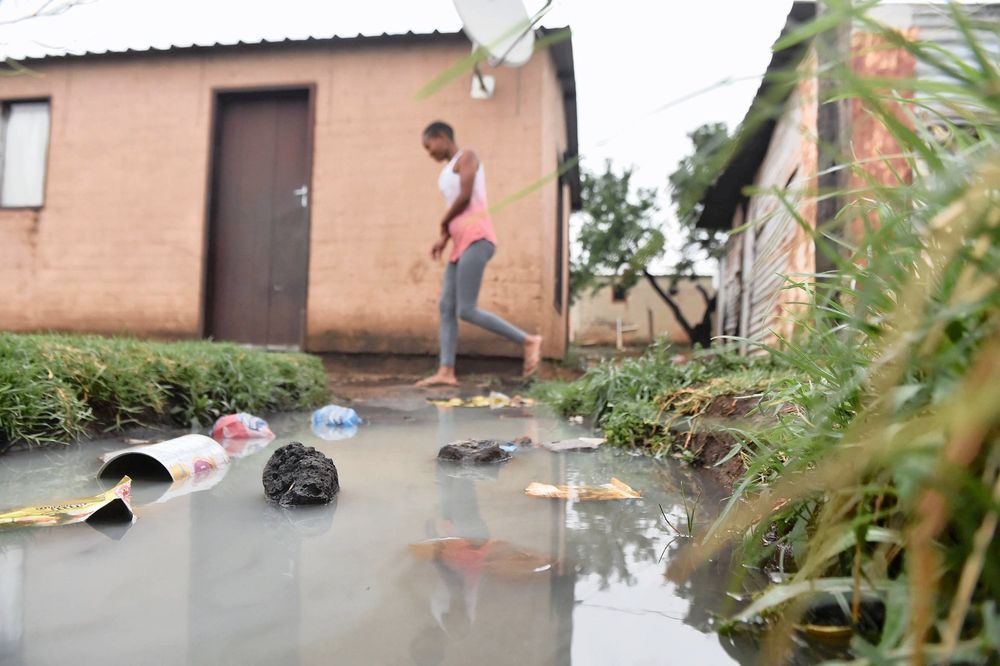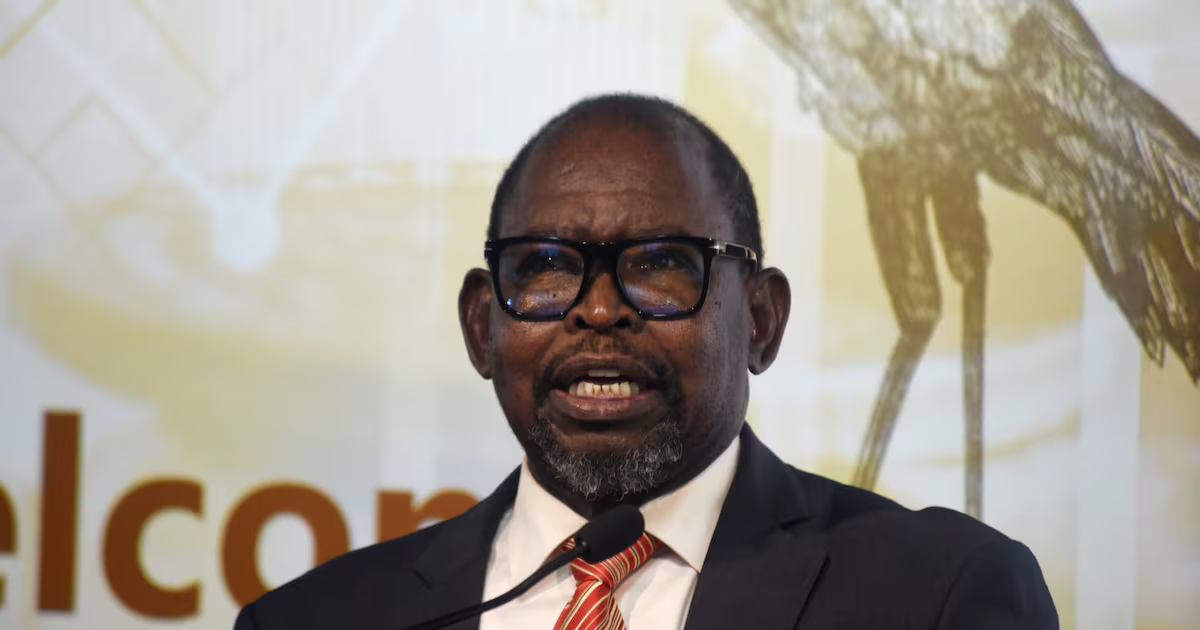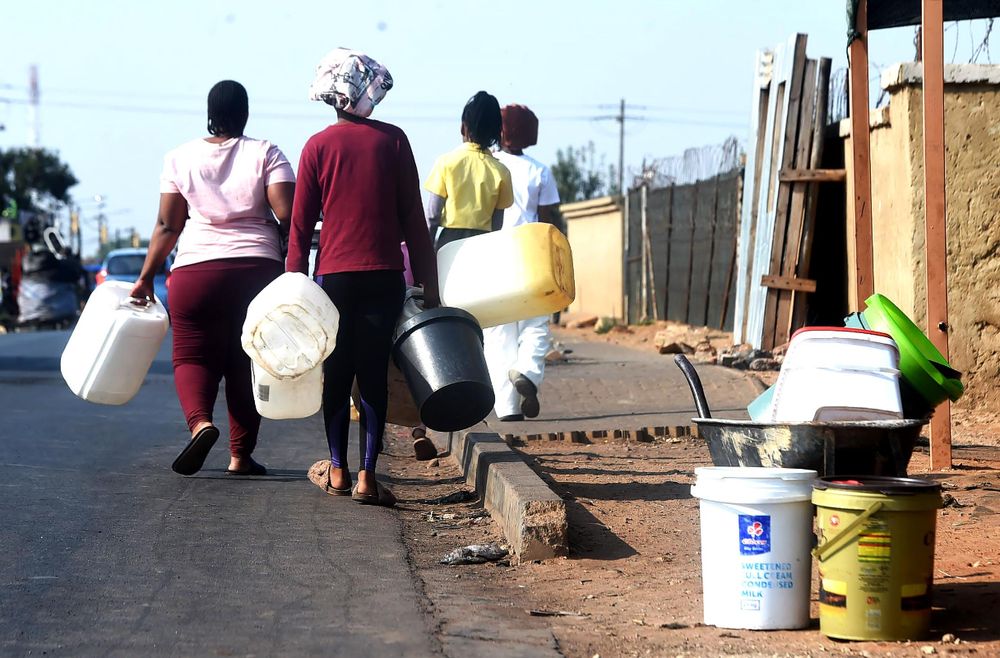
South Africa is on track with its fiscal strategy of stabilising public debt and running primary surpluses, though local government mismanagement presents a significant risk to faster economic growth, says National Treasury director-general Duncan Pieterse.The Treasury has been cracking the whip on municipalities flouting the Municipal Finance Management Act and recently withheld the latest tranche — R13.5 bn — of equitable share transfers to 69 entities over their failure to pay service providers, running unfunded budgets and unauthorised, irregular, fruitless and wasteful expenditure.It, however, relented after a month, releasing the outstanding balance of R7.1bn of the grants to 49 municipalities despite their continued failure to comply, arguing that it wanted to ensure residents did not endure undelivered basic services.“The negative implications of local government mismanagement have started to manifest more broadly and present a significant risk to faster growth,” Pieterse told an Absa consumer conference on Tuesday, saying 162 municipalities, more than half of the country’s 257, were in financial distress.“There are high levels of irregular, unauthorised, fruitless and wasteful expenditure and rising levels of non-payment to creditors and third parties, including Eskom, water boards, Sars [SA Revenue Service] and pension funds. “This threatens the financial viability of bulk service providers and the critical services they provide. Non-payment also gives rise to fiscal imbalances that, if left unaddressed, can threaten the hard-won fiscal credibility the government has gained.”The government’s commitment to stabilising its debt at 76.5% of GDP by 2028/29 has won it positive reviews from the major ratings agencies. In May, Moody’s revised its outlook on South Africa to positive from stable, citing strengthening fiscal performance and progress on structural reforms, and maintained its long-term foreign and local currency issuer ratings at Ba2. Shortly after, S&P Global affirmed its long-term foreign currency rating at BB and local currency rating at BB+, keeping the outlook positive, a move followed days later by Fitch upgrading the long-term sovereign rating by one notch to BB from BB-, citing prudent fiscal management despite weak growth and economic shocks.Pieterse said the country was still on track with efforts to stabilise its debt and run growing primary surpluses where revenue exceeds non-interest spending, despite the economic fallout from the war in the Middle East.“From a fiscal perspective we believe we have turned the corner. A new era of fiscal sustainability will create the basis for higher economic growth and job creation,” he said, adding, however, that fiscal credibility must be combined with the reforms required to support higher economic growth and investment and faster job creation.He said the current financial year continued to exceed expectations, with tax revenue collection over the first quarter, April to June, growing 9.2% over the same period a year ago, despite lower inflows from fuel levies as the government sought to provide relief from steep price increases triggered by the US-Iran war.But Pieterse acknowledged economic growth remains sluggish at just 1.1% last year and 0.5% in the first quarter of 2026, with more infrastructure investment required to accelerate it and slash chronically high unemployment.“The capital required to finance South Africa’s very large infrastructure requirement has become cheaper over the past year, thanks to declining government bond yields, a resilient currency and upgrades to our credit ratings. Government’s efforts to rein in the public debt and rebuild fiscal credibility have made this possible,” he said. “But much more is needed to unlock investment flows and ensure that projects are delivered successfully.”In its latest quarterly perspective on South Africa, Absa said that before the Middle East conflict, the country’s track record of implementing reforms, particularly in network industries, had helped support economic activity and build confidence.“But as cracks remain clear in areas such as municipalities, the criminal justice system and governance, continued reform momentum will be critical for fortifying domestic resilience,” the bank cautioned.Business Day
Treasury: Municipal failures threaten South Africa’s fiscal gains
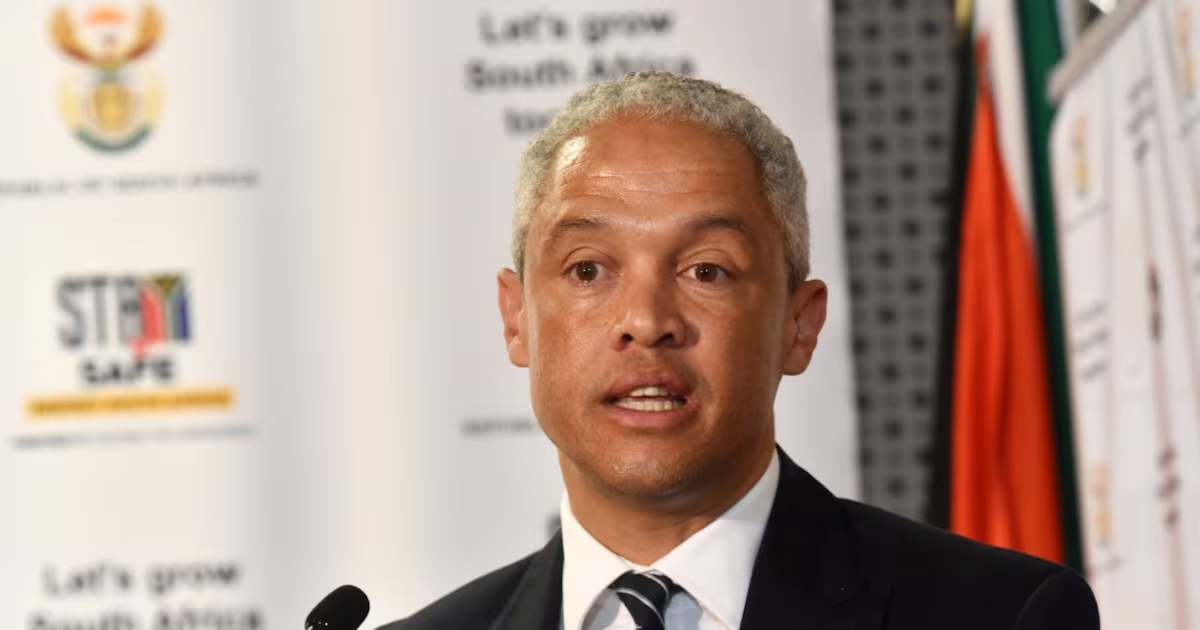
South Africa needs to unlock more investment flows, says Treasury director-general Duncan Pieterse
633 words~3 min read