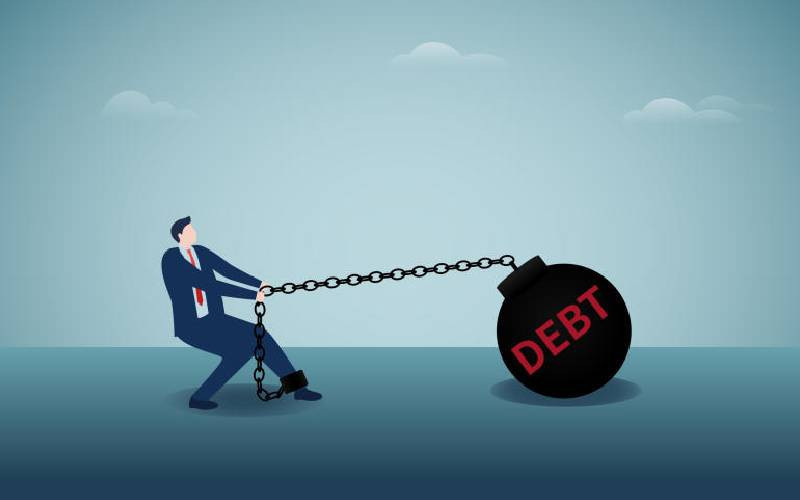
South Africa’s public debt has ratcheted up since 2008, more than doubling relative to the size of the economy despite National Treasury forecasts that consistently predicted stabilisation. Was the Treasury over-optimistic about the outlook for the economy, or did some spending categories grow far more than it expected? Our analysis shows the answer is more nuanced than it might appear: what drove the slippage was a combination of macroeconomic surprises that caught every major institution off-guard, and large, persistent spending overruns. Since 2010 the Treasury’s growth projections tended to over-estimate economic growth, reflecting the difficulty of forecasting in an environment of recurring shocks and shifting structural constraints. The Treasury’s forecasting errors for GDP growth were not, however, out of line with institutions such as the South African Reserve Bank and International Monetary Fund, or those from the private sector.All three of these institutions and private sector forecasters were surprised by the decline in trend growth since the global financial crisis.Lower-than-expected growth saw tax revenues generally disappoint between 2016/17 and 2020/21, followed by a brief improvement owing to unexpectedly high commodity prices in 2021/22 and 2022/23. Effective tax rates also increased over time, driven by an increase in the VAT rate to 15% in 2018/19 and a below-inflation adjustment in personal tax brackets over time. However, weaker revenues were only part of the story. A major driver of the sustained rise of public debt was expenditure overruns. Before the Covid-19 pandemic the largest contributor was unplanned support for state-owned enterprises (SOEs) such as Eskom, and the announcement of free higher education. Since the Covid-19 pandemic total public expenditure has consistently increased by more than the Treasury projected, despite a significant slowdown in the growth of government expenditure across major components of spending. Large unplanned spending, including free higher education and social relief of distress grants, and unexpected borrowing in support of SOEs, were the most important contributors to larger-than-expected borrowing requirements over this period. A key exception to a general pattern of overspending in major government spending components was capital expenditure. There has been a persistent decline in the share of government investment in total investment, with the national investment rate falling towards pre-democracy lows since 2010. This matters because sustained under-investment in infrastructure feeds directly into the structural constraints that have slowed economic growth, the same growth shortfall that has driven revenue disappointments over the same period. The compounding effects of past policy decisions on the fiscal framework over time is best summarised in the impact on cumulative debt service costs government has had to pay. Between 2011 and 2024 government had to pay more than R2.5-trillion in unexpected debt service costs. This is more than 20 times what government spends on policing per year. The implication of slower economic growth than the Treasury expected was that attempted fiscal consolidation undertaken since 2010 was not sufficient to stabilise debt. Fiscal forecasts can be highly uncertain, as predicting the outlook for the macroeconomy and future government decisions can be difficult, if not impossible. Another complication is that fiscal projections are intended to provide a signal about the fiscal authority’s framework and policy plans, which are subject to changes in government or policy positions. Our analysis shows discretionary budget decisions, and differences between fiscal plans and their implementation, have had a significant impact on the fiscal position over time. To make fiscal projections more resilient to macroeconomic shocks and consistent with debt stabilisation we recommend regular evaluations of National Treasury’s assessment of the state of the business cycle, reviews of forecast errors and risks around projections, and longer-term fiscal scenario provision. Another area to consider is enhancements to fiscal planning processes, such as regular post-budget evaluations and independent reviews. Stricter requirements for deviations from medium-term expenditure allocations, additional oversight mechanisms or reforms to state-owned enterprise support arrangements would also help strengthen fiscal institutional arrangements further. The National Treasury is expected to publish details of fiscal anchors in the medium-term budget statement later this year. Dr Steenkamp is CEO of Codera Analytics and a research fellow with the economics department at Stellenbosch University. Pretorius and Martin are Codera researchers. This article is based on their working paper “Towards Inclusive Economic Development: Understanding fiscal slippage and fiscal forecast errors in South Africa”.
DAAN STEENKAMP, JAN-HENDRIK PRETORIUS AND LISA-CHEREE MARTIN | Why has SA’s fiscal position slipped?
Government investment declines as debt service costs soar past R2.5-trillion
708 words~3 min read