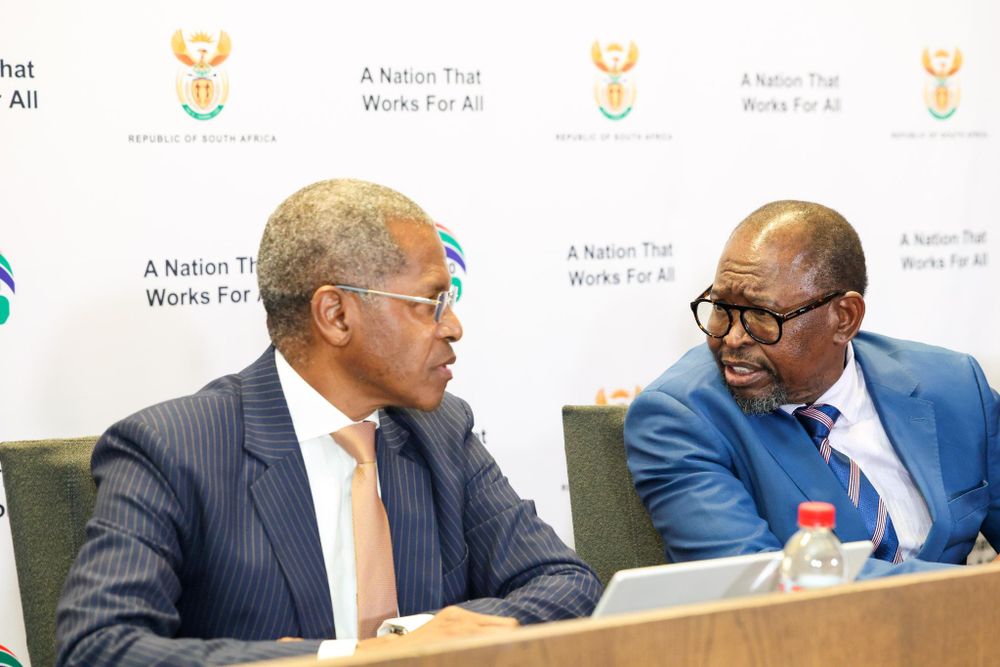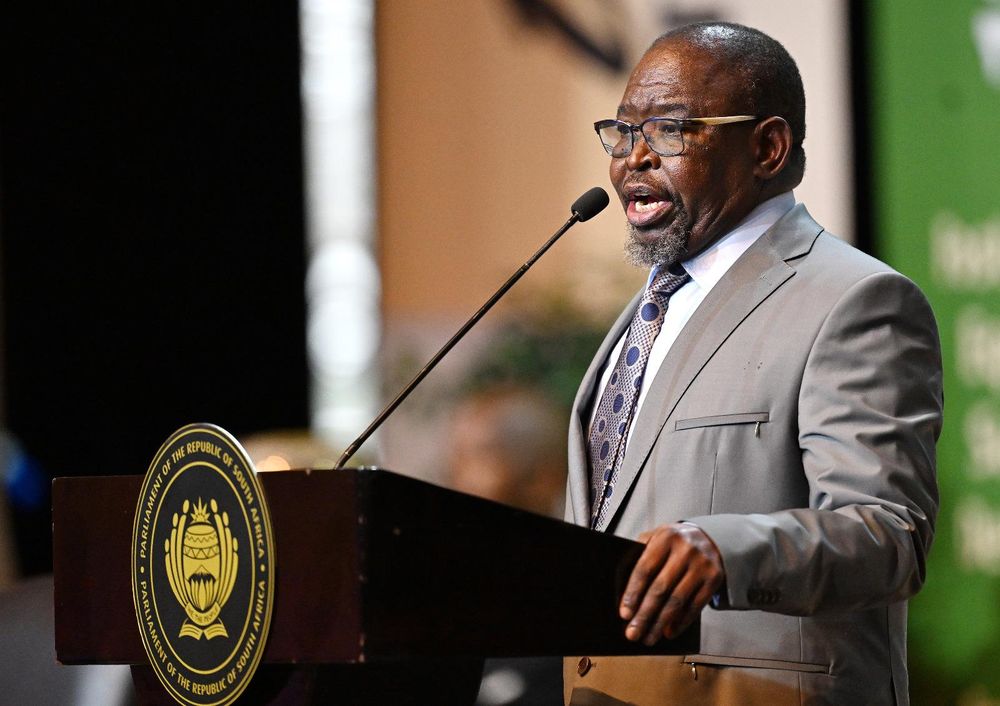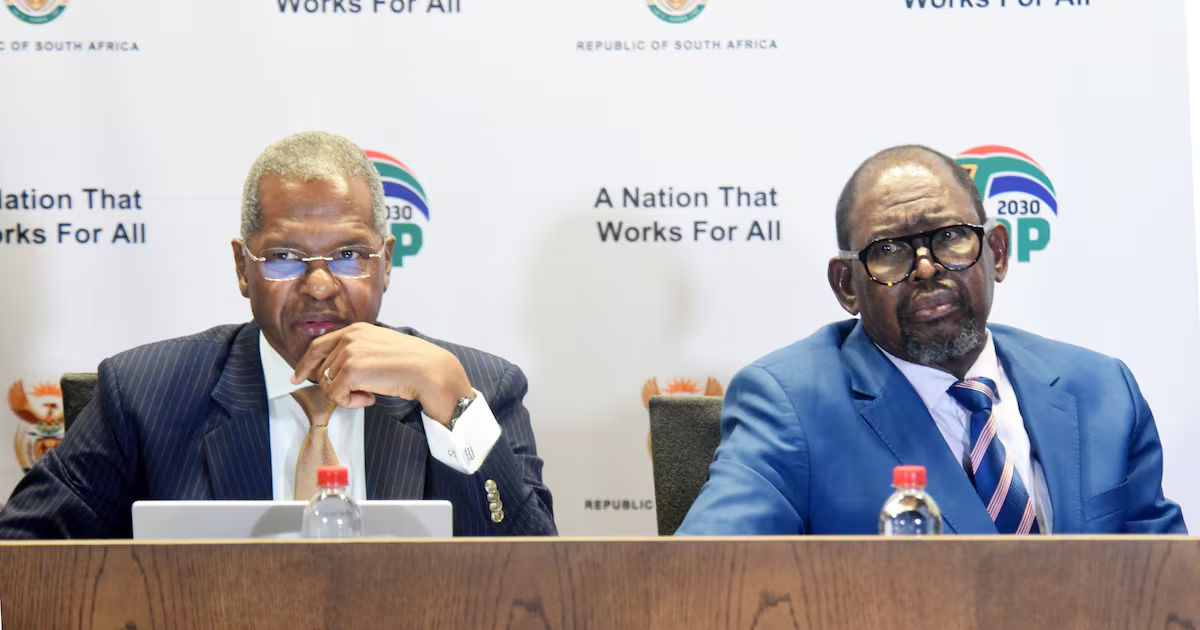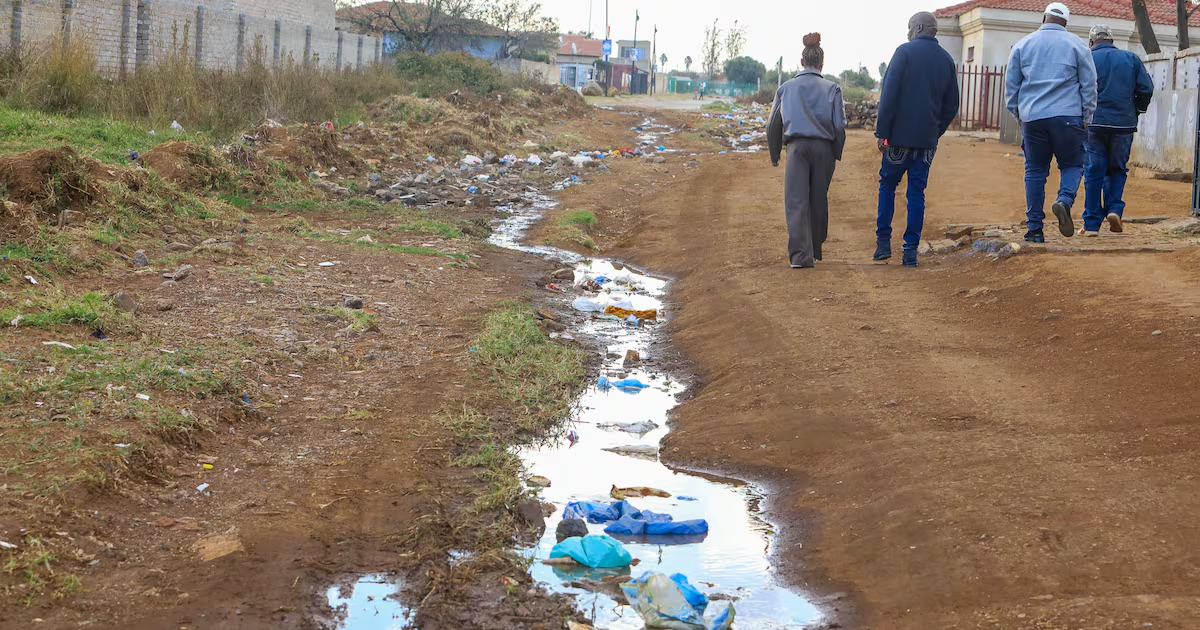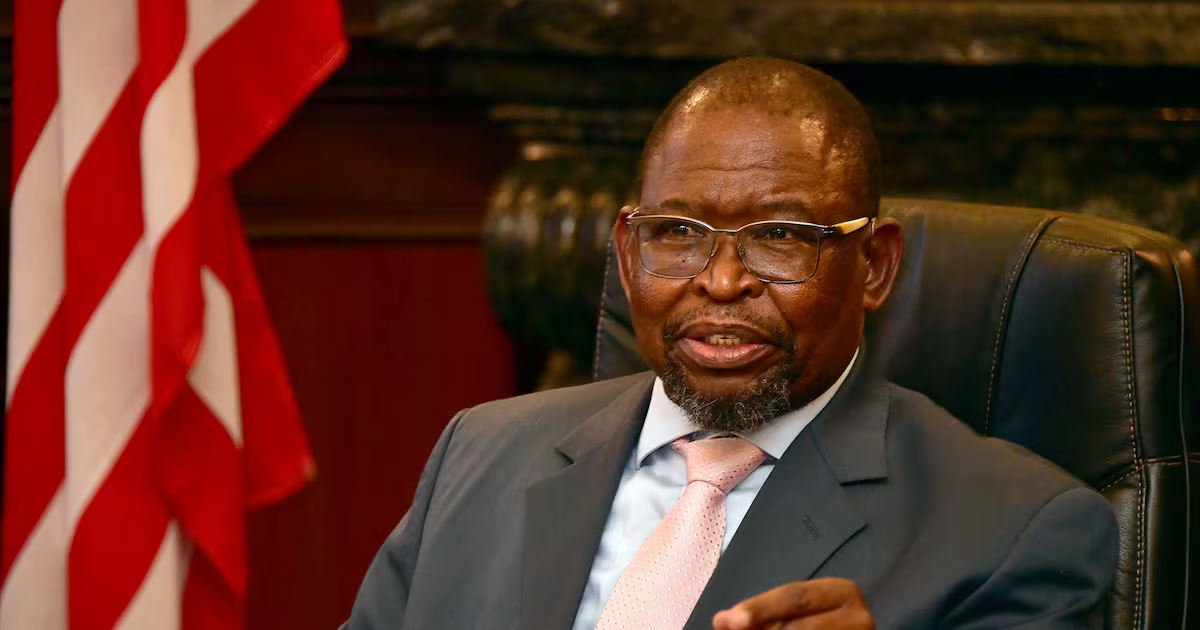
The financial health of local government has steadily deteriorated over the past decade. More than half of municipalities, 168 in total, are in financial distress. There are high levels of irregular, unauthorised, fruitless and wasteful expenditure and rising levels of nonpayment to creditors and third parties, including Eskom, water boards, the South African Revenue Service and pension funds. This threatens the financial viability of bulk service providers and the critical services they provide. Nonpayment also gives rise to fiscal imbalances which, if left unaddressed, can threaten the hard-won fiscal credibility government has gained over the last year. The negative implications of local government mismanagement have started to manifest more broadly and present a significant risk to faster growth. In September 2024 the department of water & sanitation raised the alarm in parliament that two water boards, Vaal Central Water and Magalies Water, were facing imminent bankruptcy. The two water boards supply water to residents in the Northern Cape, Free State and North West. They had stopped paying for raw water due to nonpayment by municipalities. This not only threatened to interrupt water supply to three provinces, it threatened the financial viability of the whole water sector. Treasury director-general Duncan Pieterse. Picture: (FREDDY MAVUNDA) Working with the department of water & sanitation, the National Treasury withheld the equitable share payments of the municipalities and released these on December 17 2024 on condition they settled their debt to the two water boards. This action saved those boards from collapse and ensured that residents in Northern Cape, Free State and North West continued to receive water. Building on this experience, and in response to broader financial deterioration in local government, this year’s budget signalled a fundamental shift. The government moved from oversight to active structural intervention to support a sustainable turnaround in local government financial management and service delivery. We have recently taken first steps to put that into practice. In December last year the National Treasury embarked on an extensive process of consultation with municipalities in breach of their financial management obligations. These municipalities adopted unfunded budgets, failed to pay creditors (such as water boards) or third-party contributions (such as employee pension contributions), did not reduce unauthorised irregular, fruitless and wasteful expenditure and did not implement consequence management against implicated officials. Municipalities were given notice that funding could be withheld if they failed to address this. In fact, persistent failure by municipalities to pay over monthly pension deductions constitutes financial misconduct by officials and is a criminal act by the municipal manager. That was the background to the decision in June to withhold the July equitable share transfers to selected municipalities. The Treasury followed all the processes required by the law. Our action was intended as a corrective measure to get errant municipalities to change their behaviour and put proper governance and oversight in place. It followed years of support, guidance and training by the National Treasury to help ailing municipalities turn themselves around. This was not the first time the minister had used these powers, but it was the most extensive. Last week, the finance minister announced that the National Treasury would start releasing the remaining transfers from July 31. This was because the Treasury cannot withhold the equitable share for more than 30 days without parliamentary approval. In our view, the process was a success. Many of the affected municipalities entered into signed payment agreements with their creditors, with almost R4.2bn paid by July 31. Others have now started to put procedures in place to investigate and manage high levels of unauthorised irregular, fruitless and wasteful expenditure and prevent them from recurring. Despite the release of the equitable share, municipalities must still correct the serious financial and governance weaknesses that have been identified. If they do not, the National Treasury will follow the necessary steps to withhold equitable share transfers again in the future. We are implementing a structured compliance programme and quarterly reporting deadlines to monitor effectiveness. The July process has highlighted the need for greater scrutiny of municipal finances. The National Treasury will continue to scrutinise the conduct of the officials responsible for expenditure. Municipal councils must monitor office bearers and senior managers and hold them accountable. The public can monitor affected municipalities’ finances through dashboards available on the National Treasury website — Muni eMonitor and Go Muni — which transform complex financial data into accessible information. However, withholding equitable share transfers can only be a short-term fix. It is just one of a suite of far-reaching reforms the government has embarked on to support a sustainable turnaround in municipal service delivery and financial management. The department of co-operative governance & traditional affairs is leading the development of a new white paper on local government. The National Treasury is reviewing the fiscal framework for local government. Last year we also launched the Metro Trading Services Reform and are rolling out smart meter initiatives to turn around municipal revenue collection and boost infrastructure investment. The smart meters grant programme, valued at R2.3bn, is a key intervention to arrest municipal revenue failure by replacing ageing, easily bypassed infrastructure with smart prepaid technology. The Metro Trading Services Reform is a R54bn flagship initiative to address the dysfunction that undermines service delivery and infrastructure investment in the metros. Little of the revenue they collect from trading services such as water, electricity and sanitation is reinvested in the infrastructure needed to support the delivery of those services. The reform we have embarked on will shift to a utility model for water and electricity, where these services will be run like businesses and revenue will be reinvested into the maintenance of critical infrastructure. We also expect it to unlock private sector investment into infrastructure in the metros. Legislative changes to the conditional grant framework have been introduced to strengthen delivery of infrastructure. For example, in struggling non-metro municipalities, infrastructure projects will be delivered by implementing agents such as the Development Bank of Southern Africa. The Treasury will soon publish dedicated public-private partnership regulations for local government to facilitate private sector participation in the delivery of basic services to residents. The reforms to local government will take time. They require political will at local and national level. However, turning around South Africa’s municipalities, large and small, is crucial to support higher investment, growth and job creation. Dr Pieterse is director-general of the National Treasury.
DUNCAN PIETERSE | The Treasury’s withholding of equitable share was successful
Treasury’s withholding of the equitable share was successful, with many affected municipalities entering into signed agreements with creditors
1,059 words~5 min read