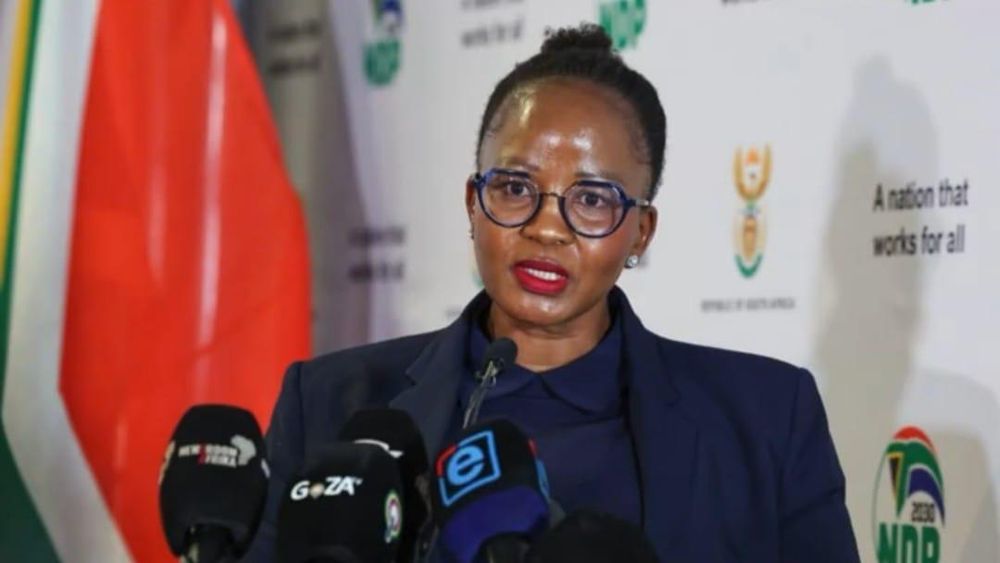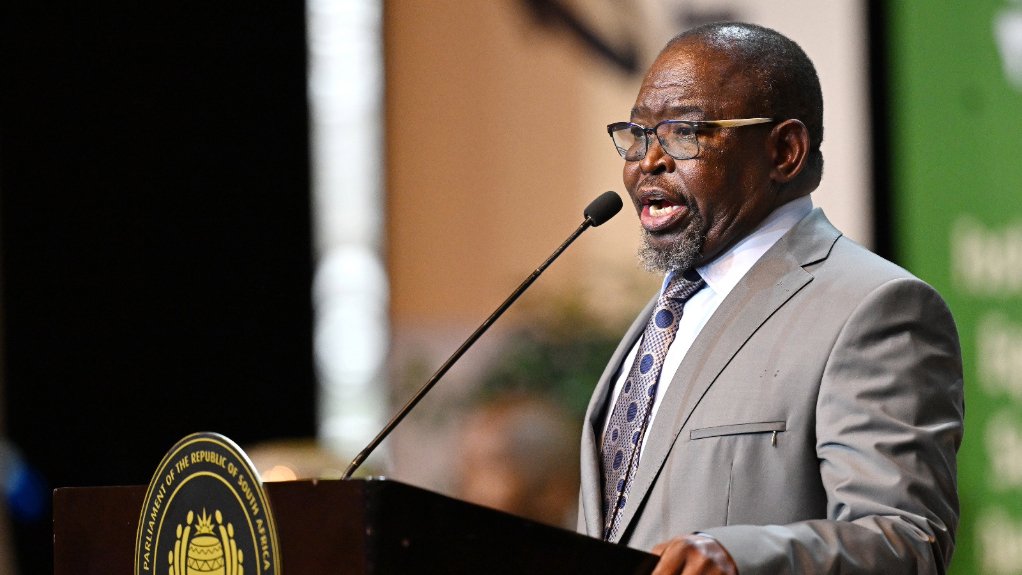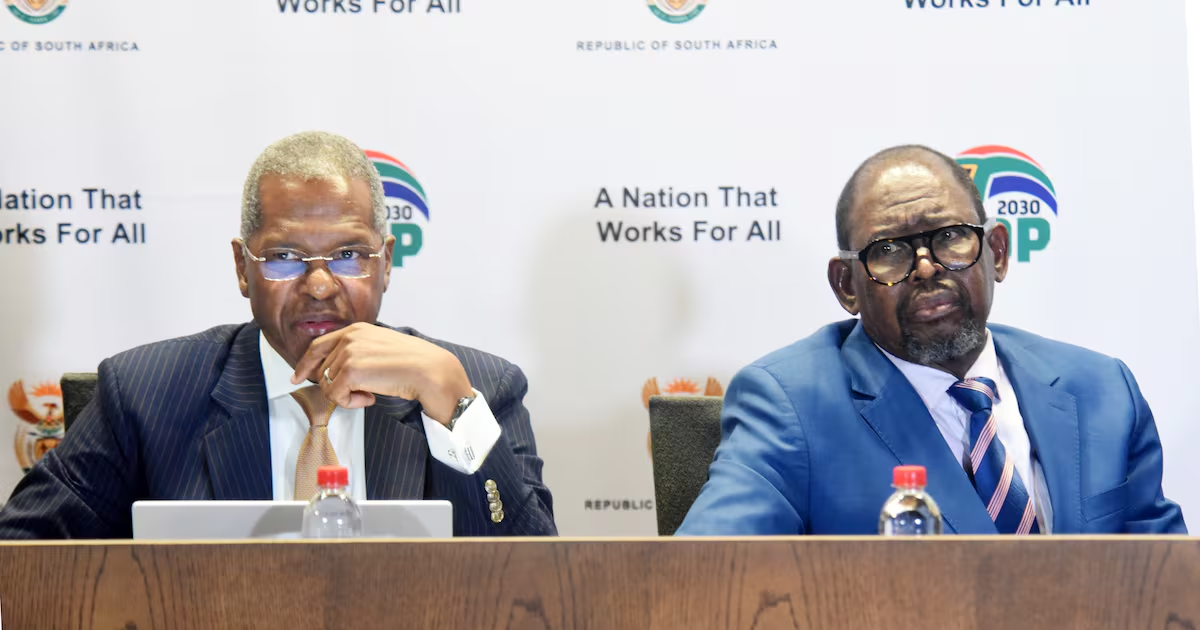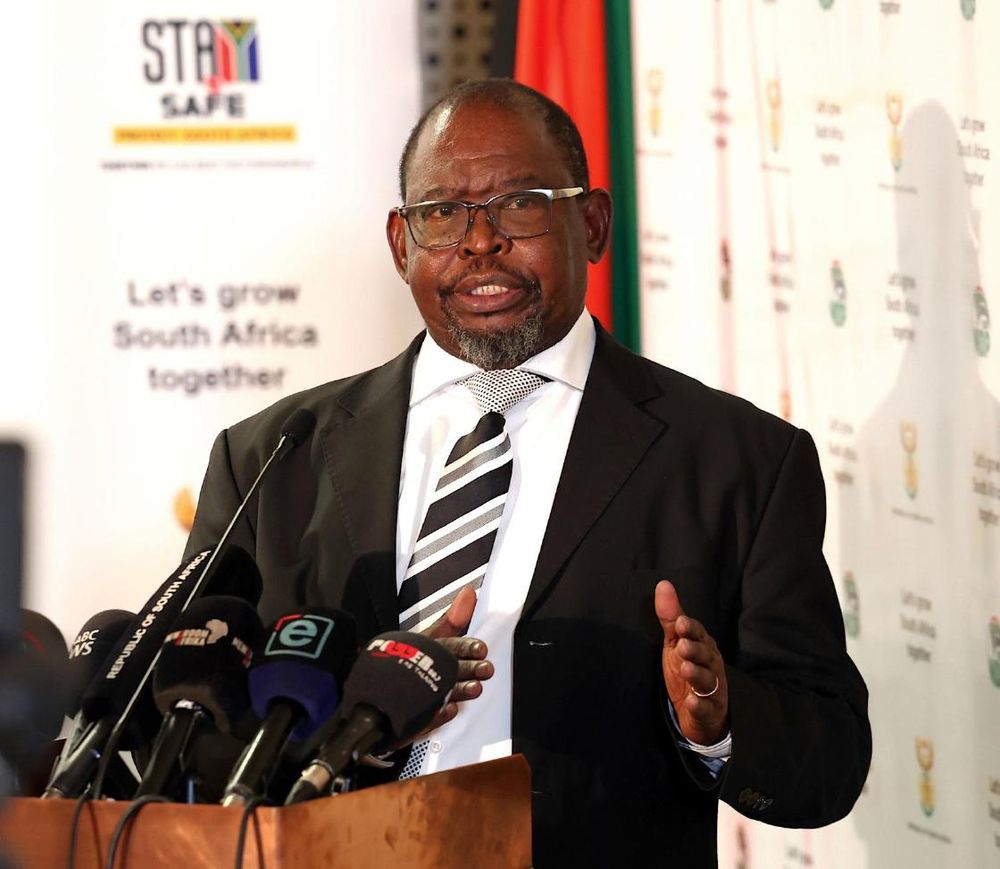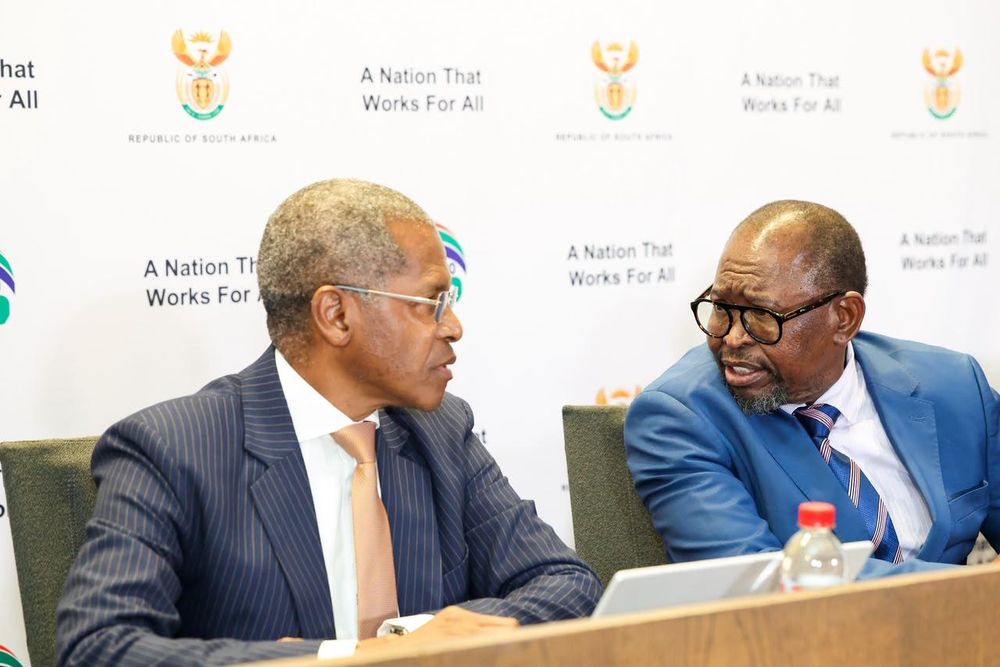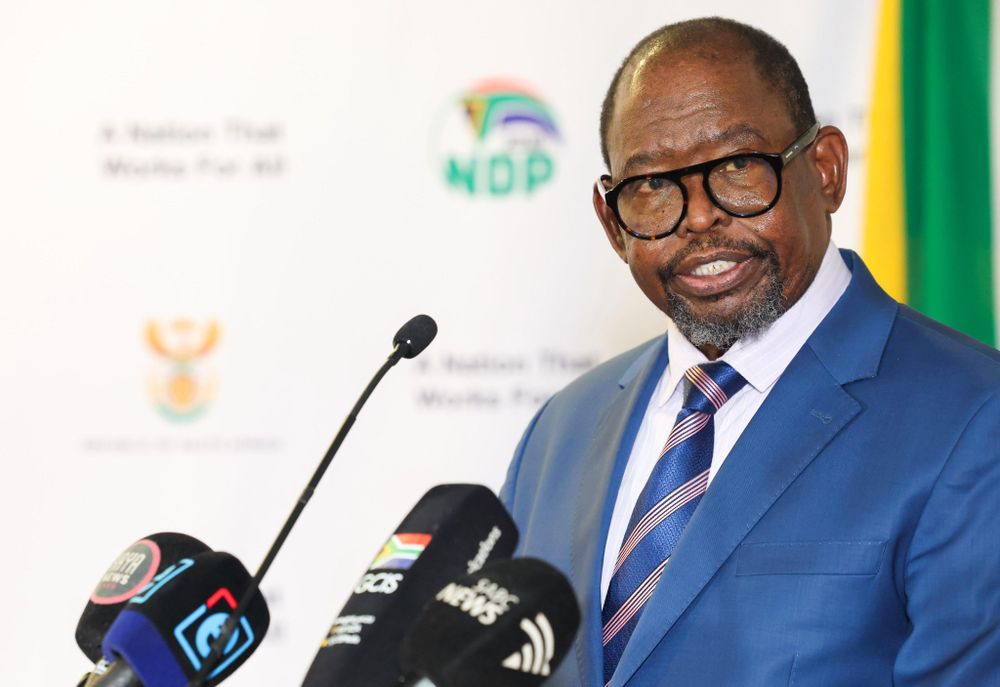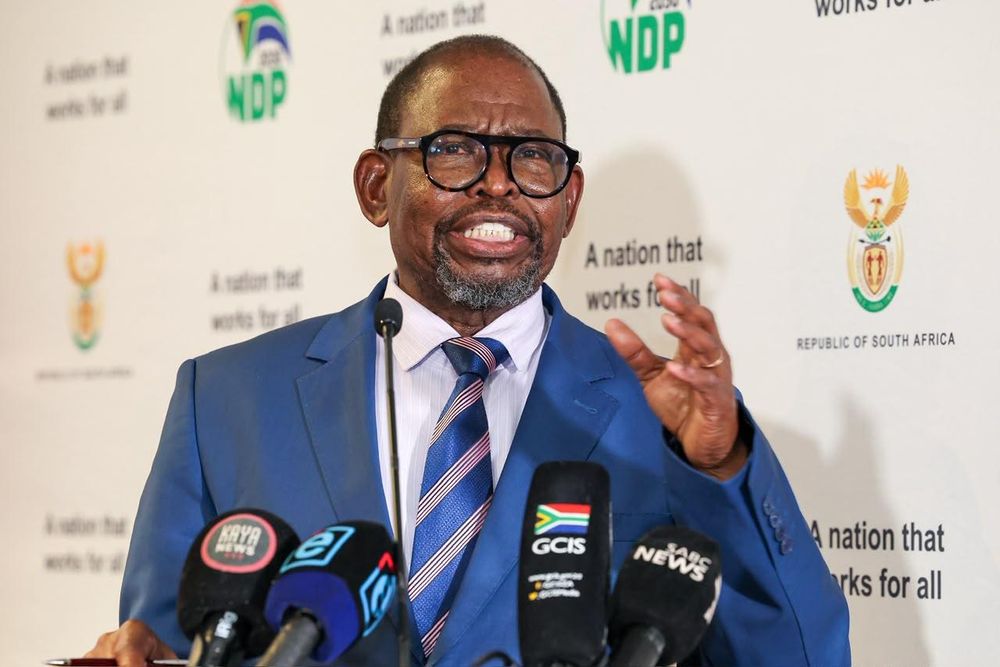
National Treasury resorted to shock tactics last week by withholding the July equitable share allocation amounting to a total of R13.5bn from 69 municipalities. Its release is dependent on them complying with a set of stipulated requirements. In a sense it was a desperate, last resort measure to correct the financial mismanagement that has plagued local government for many years and that has resulted in the sharp deterioration in services to communities. Treasury has repeatedly helped these municipalities to comply with the Municipal Finance Management Act (MFMA) and the prescripts of sound financial management to no avail. The noncompliance has continued. It forewarned the municipalities of the imminent withholding of funds should they not implement prescribed measures such as adopting funded budgets, dealing with unauthorised, irregular, fruitless and wasteful expenditure and implementing consequence management. These have to be corrected for the funds to be released. The withholding of funds — which finance minister Enoch Godongwana himself conceded was an “extraordinary” measure — is not intended as a permanent remedy but rather as a temporary means to an end: better financial management. It seems to have had an effect in galvanising the identified municipalities into taking action.Treasury’s decision to withhold funds has, however, precipitated a dispute with the Financial and Fiscal Commission (FFC), a constitutionally created institution that advises government on intergovernmental fiscal relations. So seriously is the matter regarded that a joint meeting of four of parliament’s portfolio committees has been called for Friday to engage on it with Godongwana, co-operative governance & traditional affairs minister Velenkosini Hlabisa, the FFC and the South African Local Government Association. The nine MECs have also been invited. The FFC argues the equitable share is a constitutionally provided, unconditional grant and that it is parliament that decides how it should be divided and allocated. National Treasury is not entitled, it says, to unilaterally deviate from parliament’s decisions and becomes “constitutionally vulnerable” if it does so. The FFC is concerned over the impact of the decision on service delivery, particularly by financially constrained rural municipalities, and has called on parliament to initiate a process under the MFMA to review Treasury’s decision.“Parliament’s oversight stands between lawful, corrective enforcement and unchecked executive overreach,” the FFC said in a statement. Godongwana holds a different view and insists that the National Treasury is entitled to take the action in terms of the constitution and the MFMA. He and Treasury assuredly were legally advised on the issue. The FFC counters that this is a “narrow reading” of the statutes. The FFC says Treasury’s concerns regarding financial mismanagement have to be balanced against municipal service delivery obligations.For their part, Treasury officials do not believe that service delivery will suffer from the withholding of funds, saying the municipalities have other sources of revenue. The problems of local government are deep-seated, structural and long-standing. They require fundamental long-term solutions, which the mere withholding of the July equitable share — a stopgap measure at best — will do little to resolve. The problems date back decades, raising the question as to why the National Treasury took so long to implement such a measure and why it did so without first consulting the FFC. Communities are also responsible for service delivery in terms of the leaders they elect. Hopefully this bitter lesson will sway the way they vote in the November local government elections.Business Day
EDITORIAL | Treasury’s funding shock may force change, but won’t fix local government
Equitable share freeze triggers legal dispute and highlights entrenched municipal governance failures
560 words~3 min read