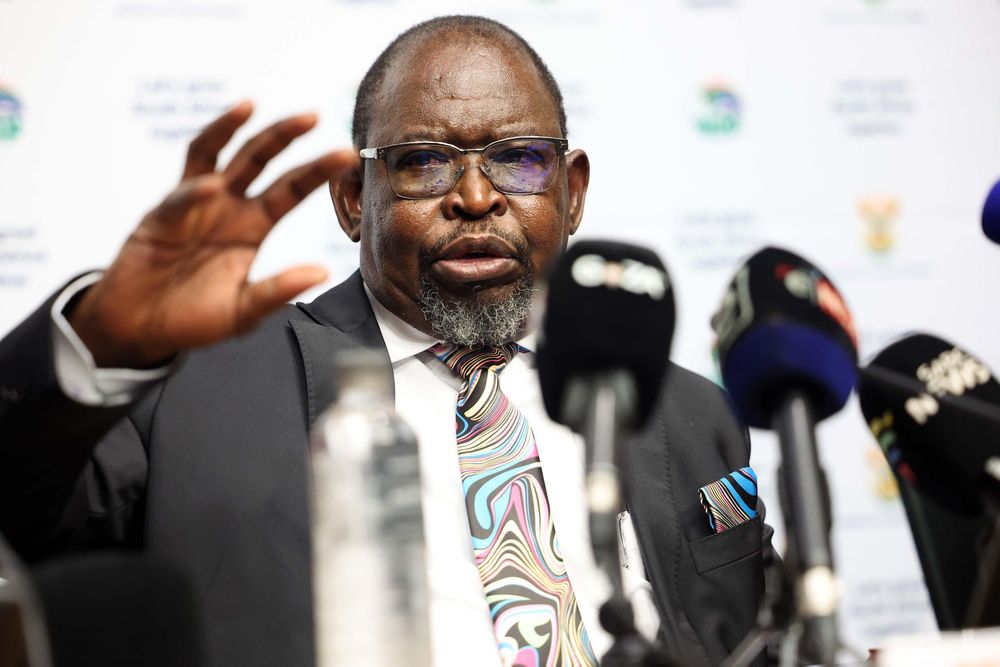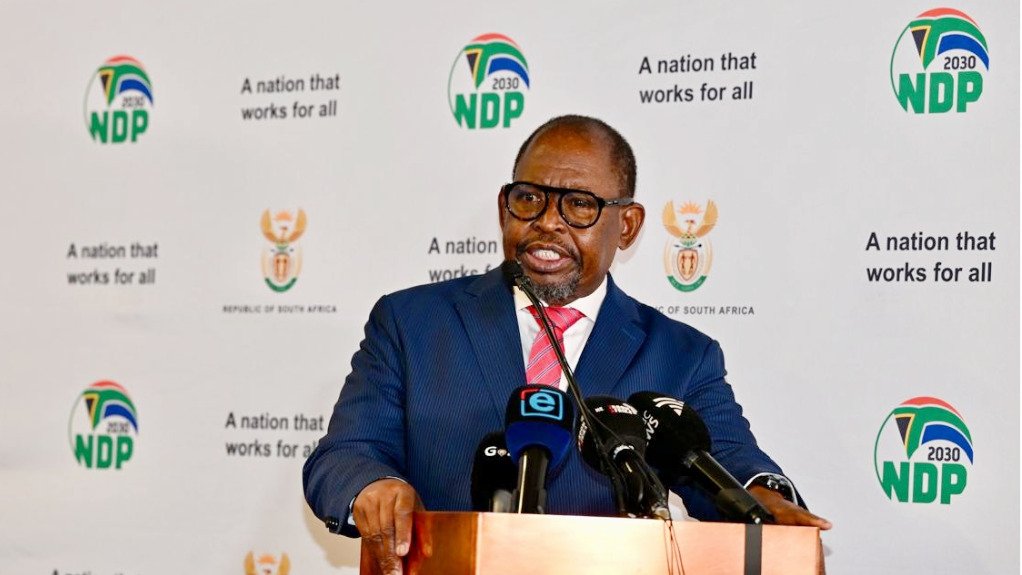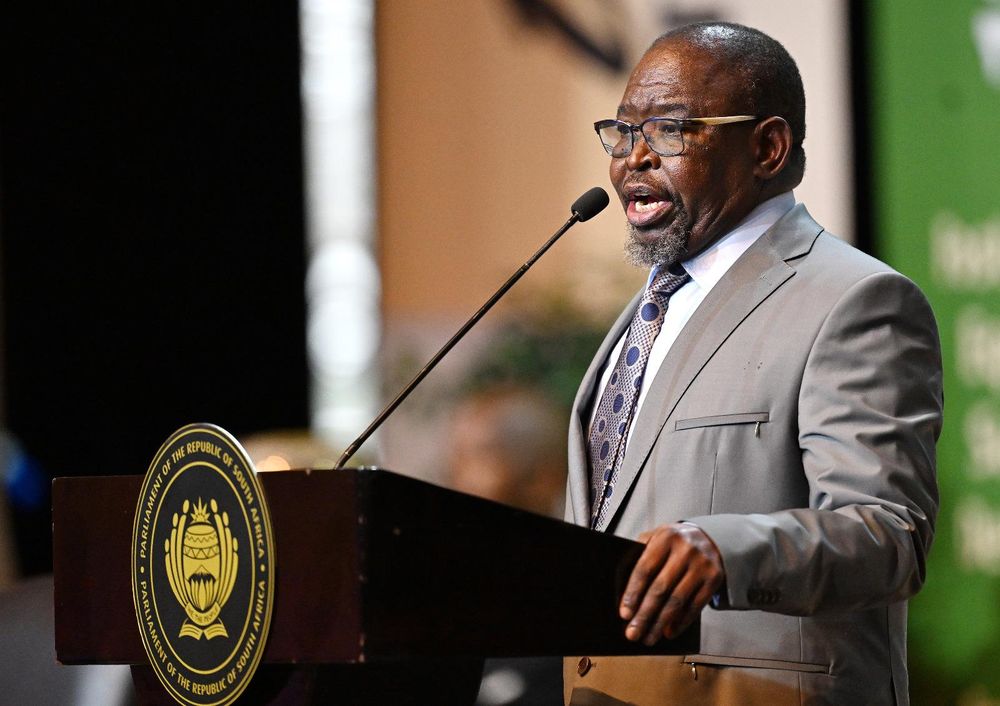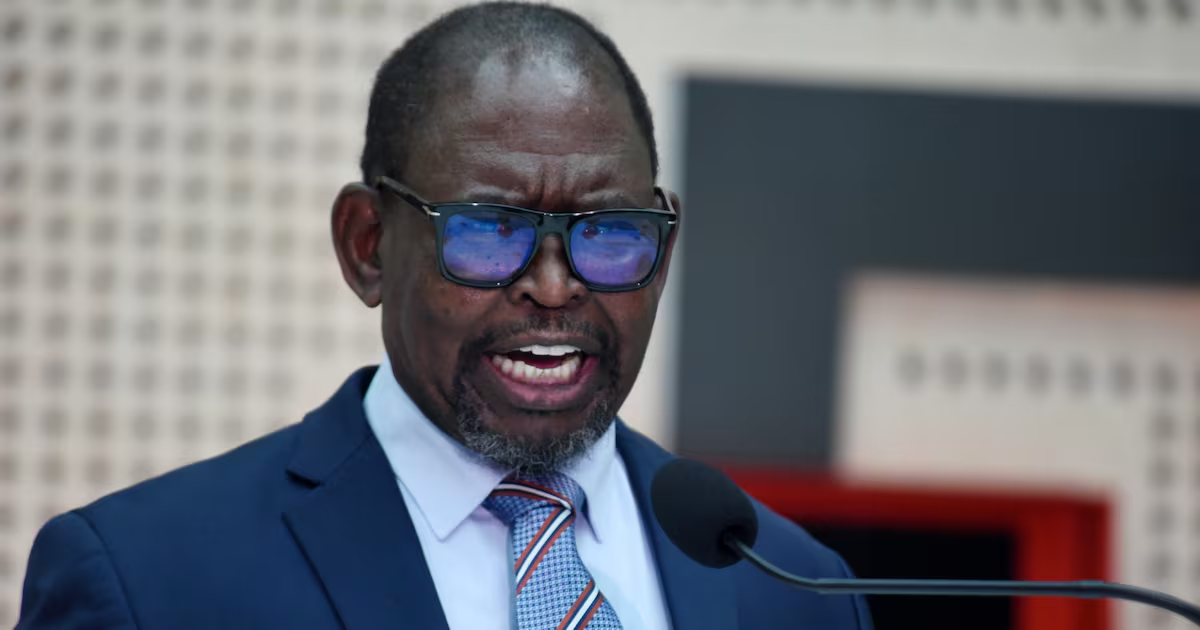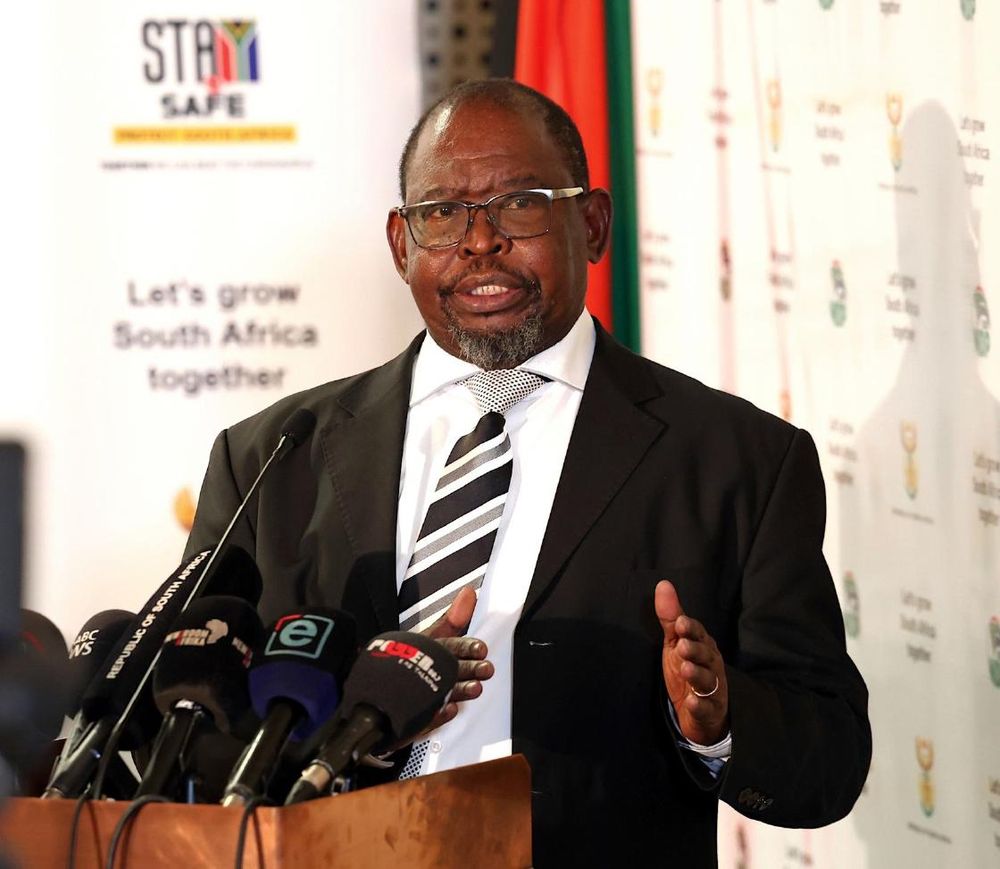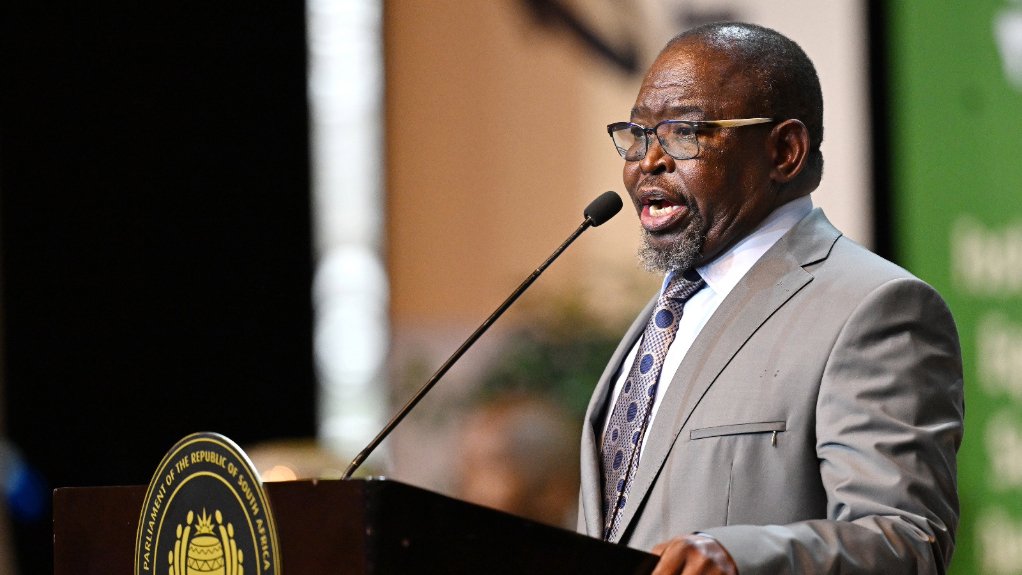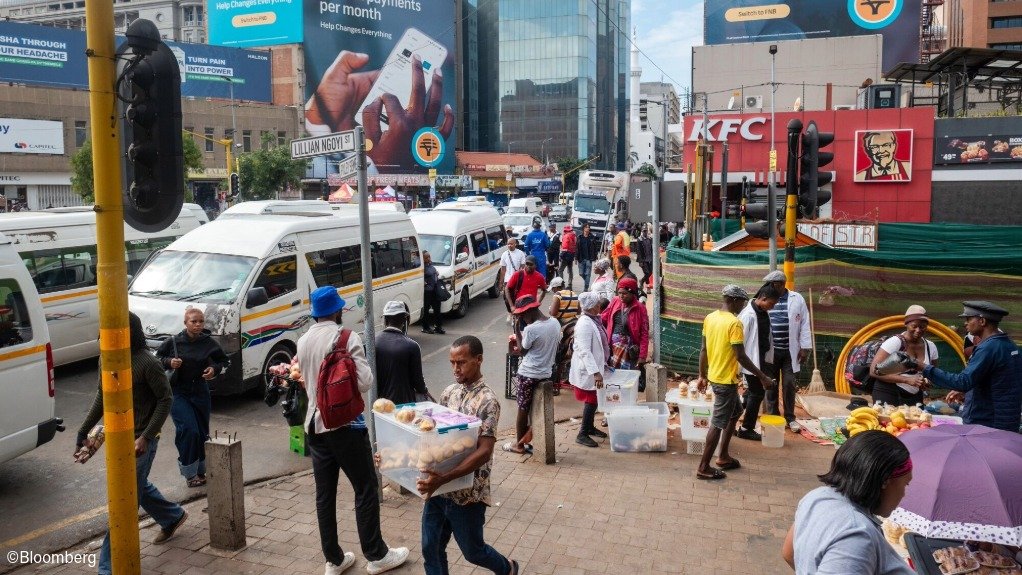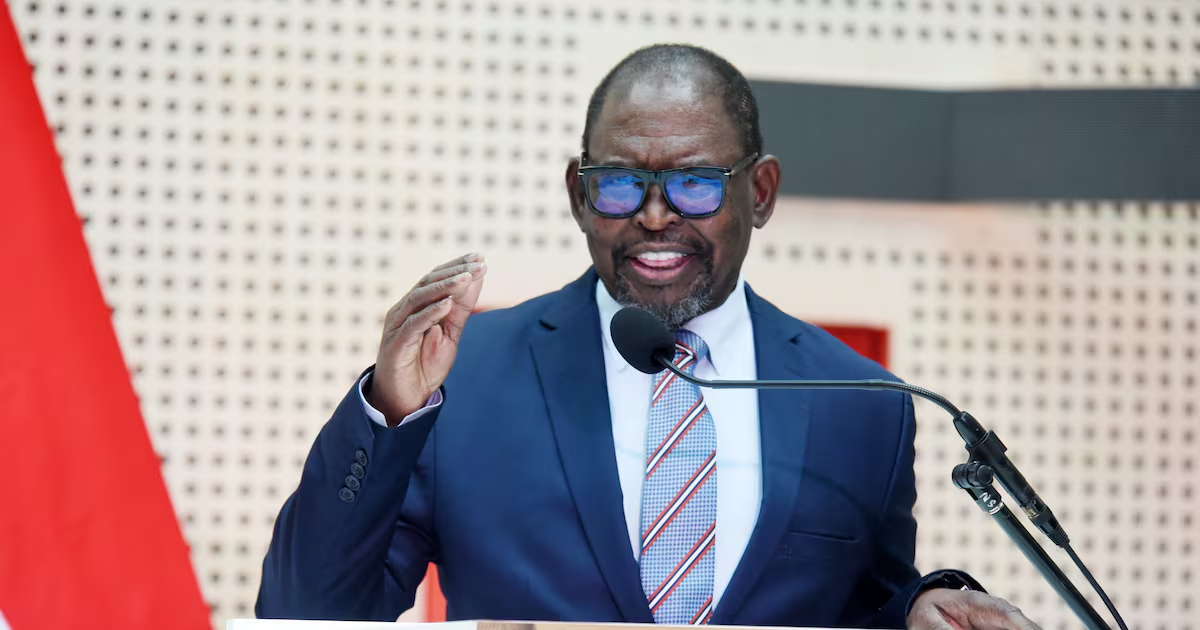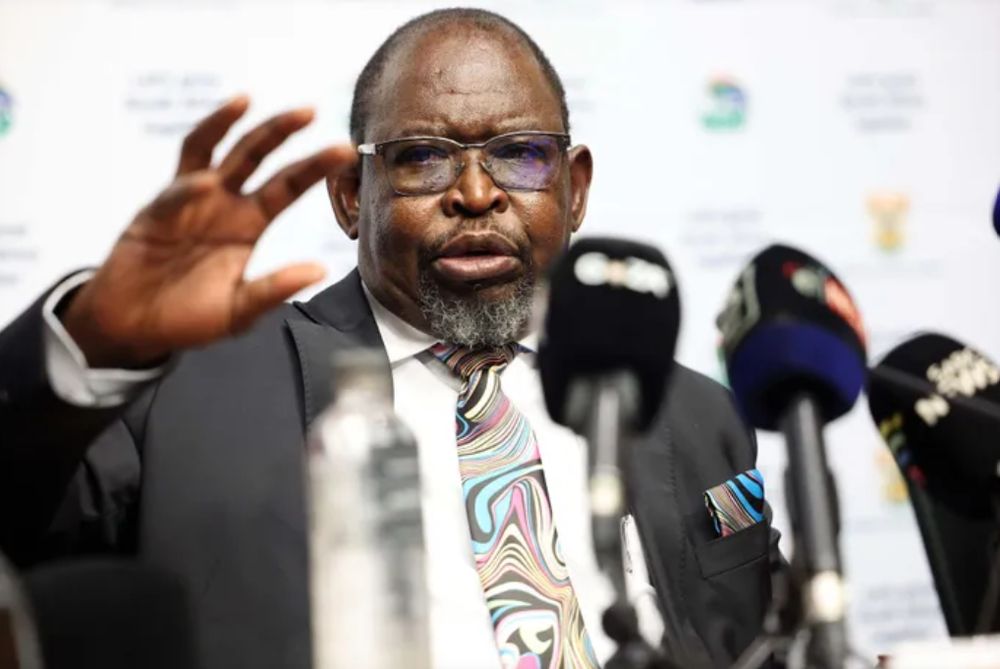
South Africa's fiscal referee has finally blown the whistle. On 7 July 2026, Finance Minister Enoch Godongwana confirmed that National Treasury is temporarily withholding the July equitable share transfer, the largest unconditional grant local government receives , from Johannesburg and roughly 70 other municipalities.
South Africa's fiscal referee has finally blown the whistle. On 7 July 2026, Finance Minister Enoch Godongwana confirmed that National Treasury is temporarily withholding the July equitable share transfer, the largest unconditional grant local government receives , from Johannesburg and roughly 70 other municipalities. Reports place the exact count between 69 and 75, a discrepancy that itself says something about how chaotic municipal reporting has become. What is not in dispute is the scale: nearly 30% of South Africa's 257 municipalities have effectively been placed on financial probation.
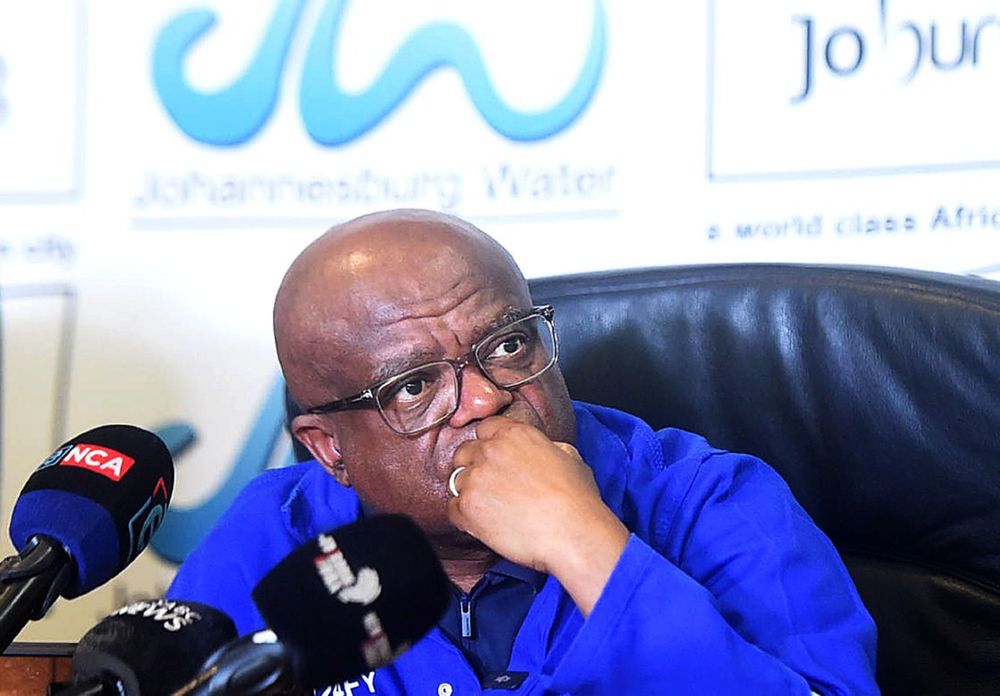
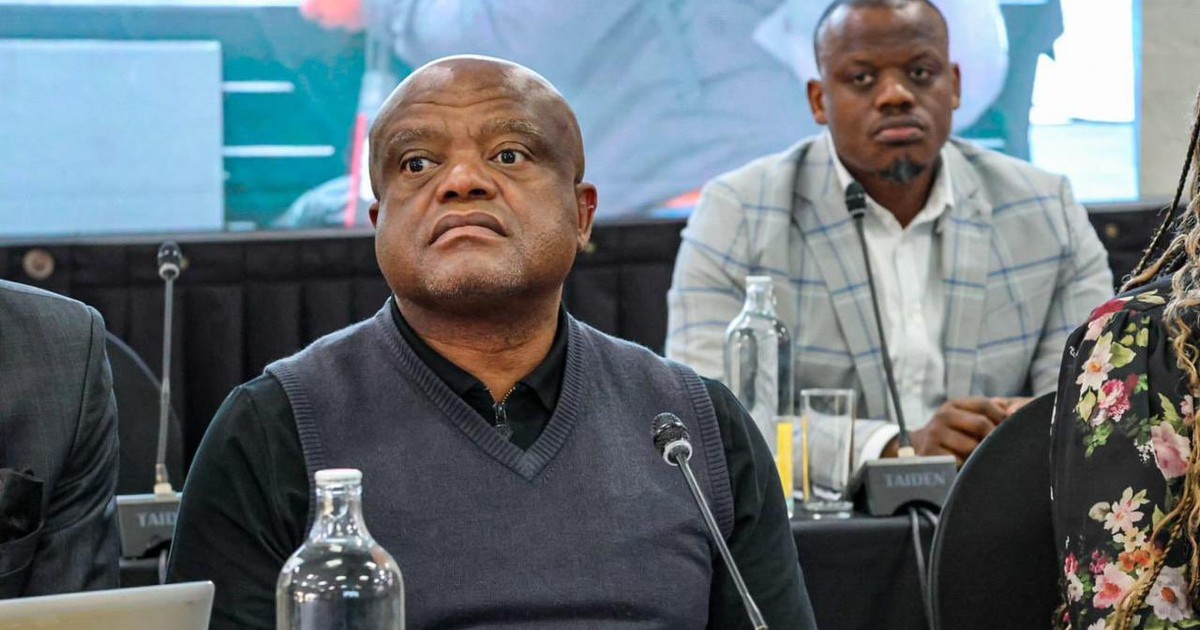
This was not an ambush. Treasury's own paper trail shows a methodical escalation. A December 2025 warning letter demanded quarterly reports on unauthorised, irregular, fruitless and wasteful expenditure (UIFWE). A follow-up letter dated 19 June 2026 gave Johannesburg Mayor Dada Morero just seven days to explain why the city's transfer shouldn't be halted, citing R1.2 billion owed to Rand Water and R3.7 billion owed to Eskom. Despite Morero tabling a response before the council, the Treasury judged it insufficient. The mechanism invoked, Section 216 of the Constitution read with Section 38 of the Municipal Finance Management Act (MFMA), exists precisely for this scenario: it lets the national fiscus stop paying municipalities that persistently mismanage public money, rather than rewarding dysfunction with fresh cash every quarter.