Story audio is generated using AI
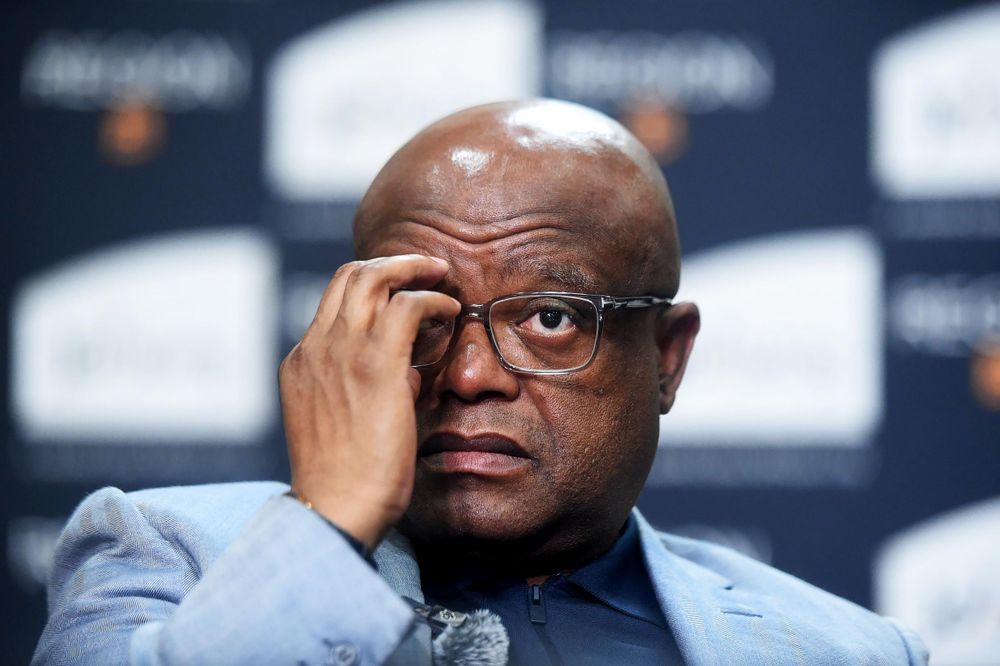
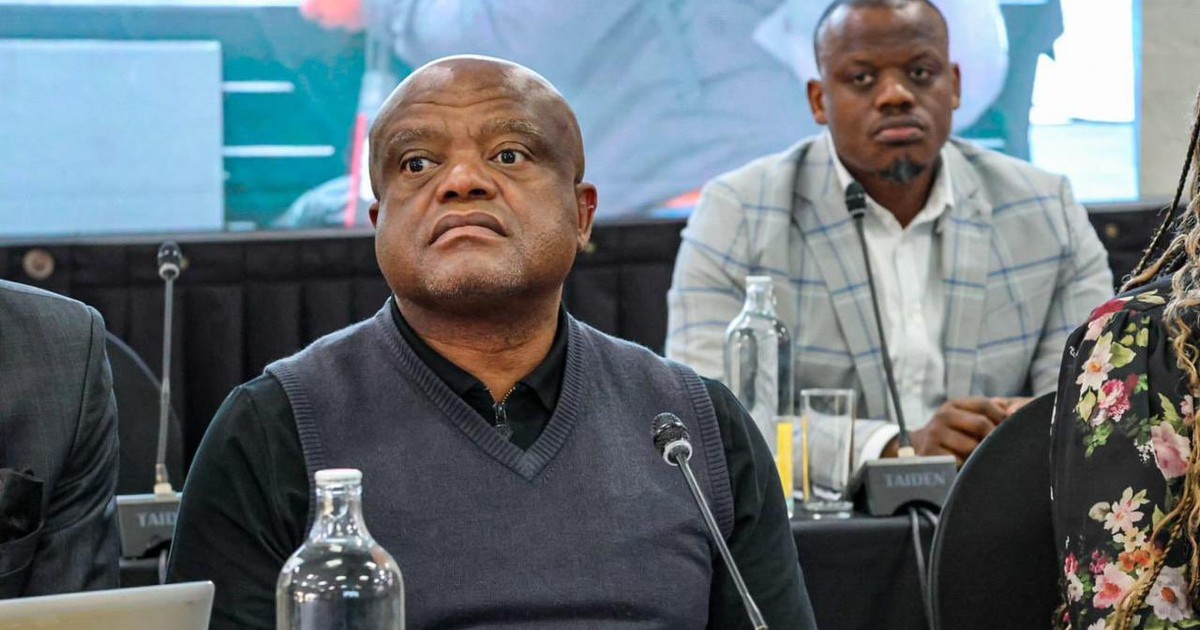
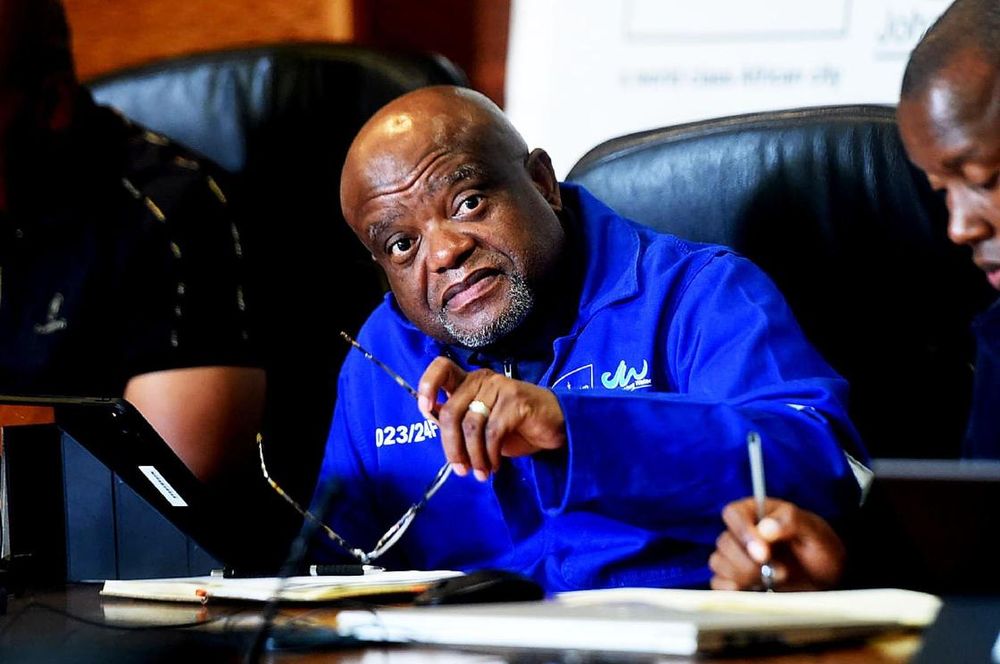
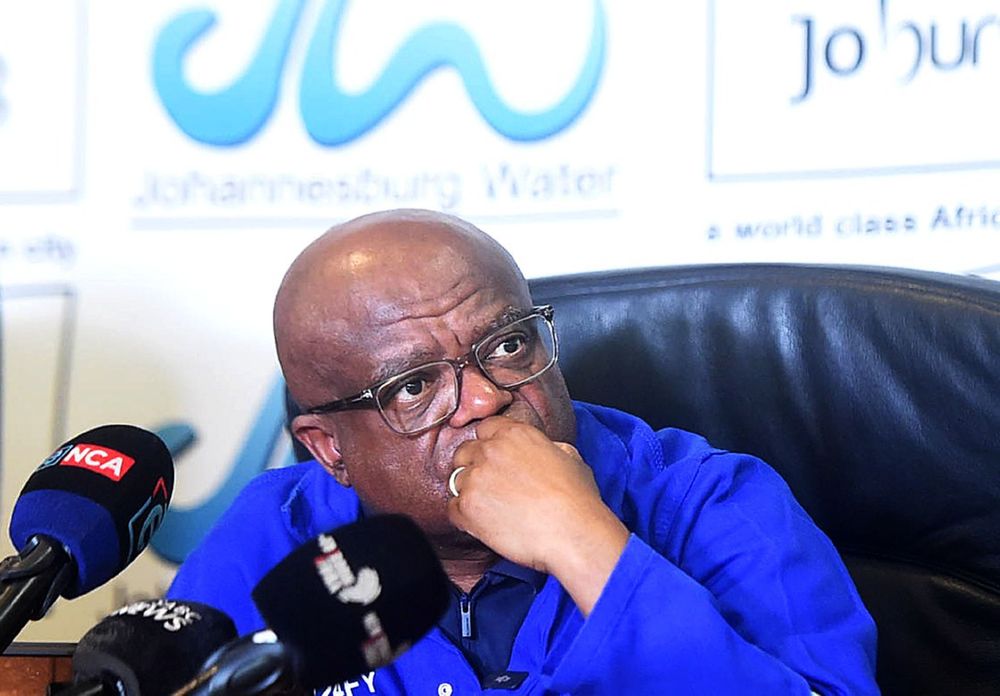
Joburg executive mayor Dada Morero says the National Treasury has confirmed the metro’s R97.1bn budget for 2026/27 is fully funded, as South Africa’s biggest-budget municipality regularises nearly R2bn in unauthorised, irregular and wasteful (UIFW) expenditure. A further R6.4bn is before the boards of city entities for consideration.Briefing the media on Wednesday on the municipality’s engagement with the National Treasury and measures being taken to strengthen financial governance, reduce UIFW, and improve consequence management, mayor Dada Morero said the metro’s relationship with the National Treasury was yielding results. “As we speak, we have received correspondence from National Treasury that confirmed that the city’s 2026/27 annual budget is funded. This is comforting feedback, as it confirms that our financial management is okay and has not reached a crisis state. However, more needs to be done to manage our cash flow and revenue performance,” Morero said. This as the National Treasury has temporarily withheld R13.5bn in equitable share allocations intended for 69 municipalities nationwide, including R3.6bn earmarked for the Joburg metro, which is sitting with a cumulative historical UIFW balance of about R23bn. Stellenbosch University political analyst Prof Amanda Gouws said Joburg was the biggest metro in the country and the residents were entitled to good service delivery.Read: Analysts warn Joburg service delivery crisis threatens SA’s economy“But I don’t think there’s enough accountability on the part of the metro. Why is there so much irregular and wasteful spending? Every year it’s the same argument; it doesn’t seem to improve. What is the government’s consequence management on this?” Gouws said.Business Day has reported that the city was battling a debilitating financial crisis that is threatening to cut the city’s power supply. The municipality owes Eskom R5.3bn. The metro’s revenue collection levels do not meet budgeted targets, and it has an overexpenditure of about R3.9bn on employee-related costs, bulk electricity purchases, inventory consumed and operational costs. The council’s finances are severely constricted, with poor revenue collection resulting in its failure to meet service delivery targets. In April, GCR Ratings revised the city’s ratings outlook from stable to “rating watch negative” because of the metro’s delays in finalising its annual financial statements. The city, which has been battling water challenges, has an infrastructure backlog of more than R200bn. It owes Eskom R5.3bn plus a current account of R1.6bn. The financial challenges were starting to affect its bus and refuse removal services. On Wednesday, Morero painted a picture of a municipality on the mend. “Accountability and transparency sit at the centre of this recovery: Rand Water (R160m) and Eskom (R1.4bn) will receive their funds by mid-July,” he said, adding the metro’s existing UIFW reduction strategy was revised to align with the National Treasury’s guidance and municipal finance management act circulars. “We are working through the historical backlog rather than simply disclosing it ... R918.4m in expenditure was regularised on the recommendation of our Municipal Public Accounts Committee following a formal investigation,” the mayor said. “In parallel, the boards of the Johannesburg Roads Agency, City Parks and Zoo, the Johannesburg Development Agency and Pikitup regularised a further R878.3m among themselves. “Together, this amounts to approximately R1.8bn resolved through proper governance processes, with a further R6.4bn currently before entity boards for consideration.” The National Treasury has been approached for comment, which will be added once received.Biggest slicePolitical analysts this week warned that poor service delivery in Joburg posed a threat to the country’s economic stability. This as the Gauteng department of co-operative governance and traditional affairs has been allocated a budget of R680.5m for the 2026/27 financial year, with the biggest slice of R295.9m directed at fixing local government. Gauteng Cogta MEC Jacob Mamabolo told Business Day recently he will not put the Joburg metro under administration because it is working “hard” to tackle its governance failures and financial challenges. Joburg metro group finance communications director Kgamanyane Maphologela said the city’s 2025/26 third-quarter performance report demonstrates steady improvements in key financial indicators, stronger departmental performance and improved revenue collection, with more than R15bn collected during the period under review.Business Day