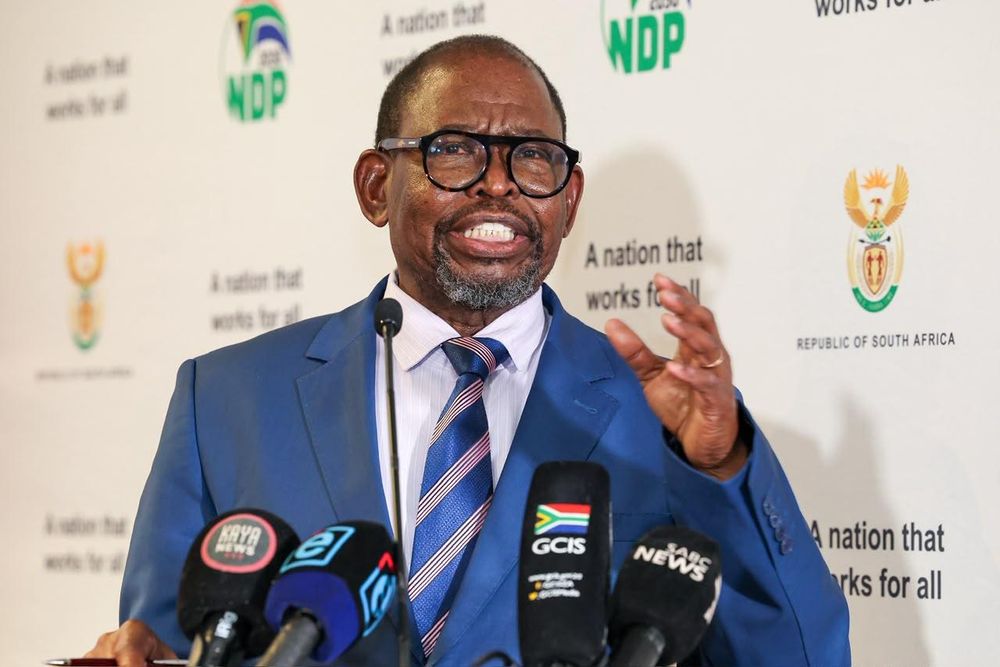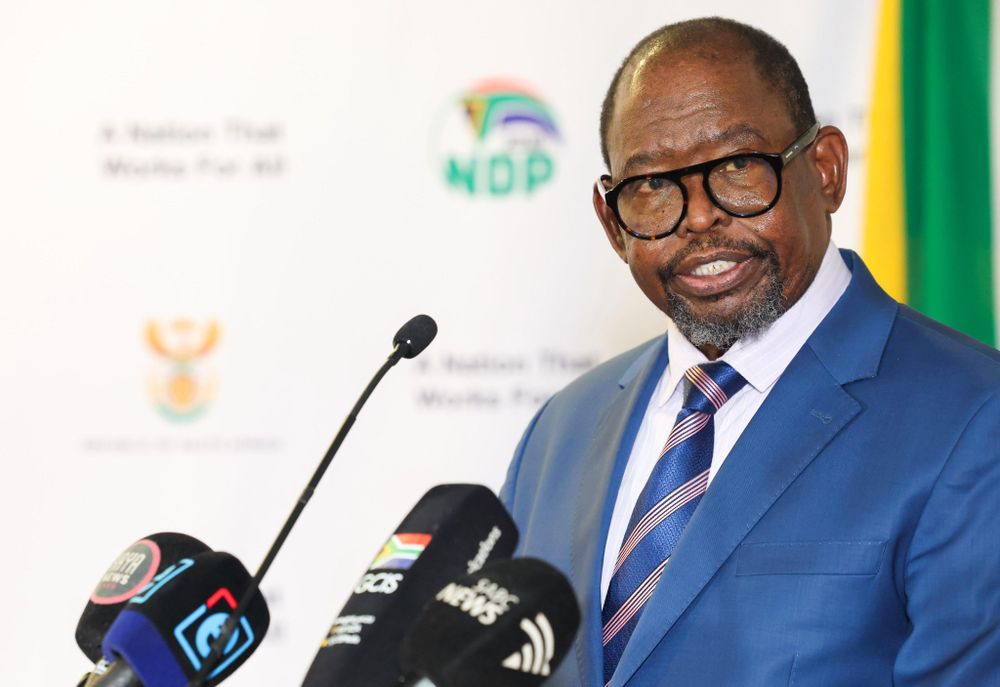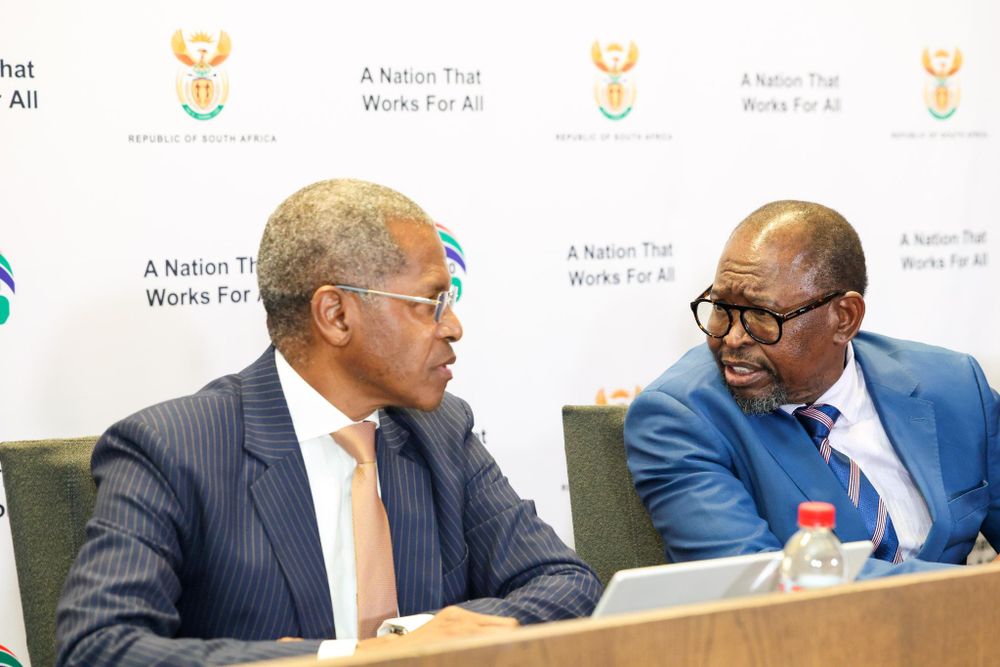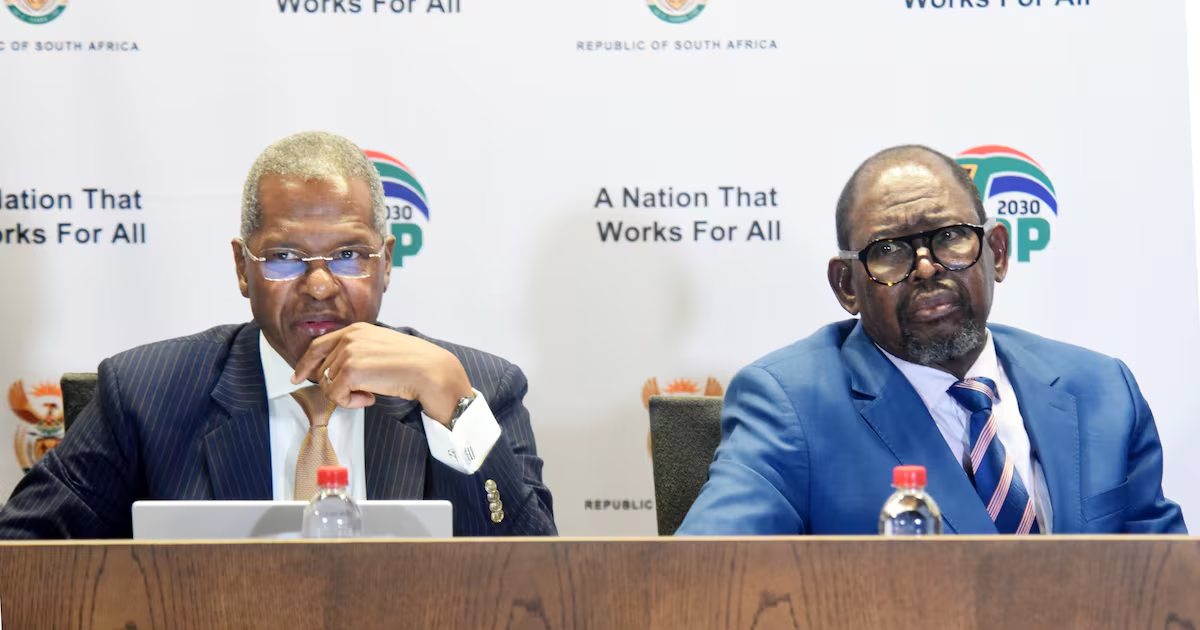
The National Treasury appears to have bungled its attempt to impose a firm hand over municipal financial mismanagement this past month, conveying an unfortunate and uncharacteristic message of weakness. The intention behind the temporary withholding of R13.5bn of the July tranche of the local government equitable share from 69 non-compliant municipalities was good. Municipalities have for too long flouted the basic principles of sound financial management, accumulating unauthorised, irregular, and fruitless and wasteful expenditure with no consequences for those responsible and adopting unfunded budgets. Treasury had to show that it would not tolerate the situation any longer. However, when it announced the decision early in July, it failed to mention that the Municipal Finance Management Act (MFMA) stipulates that such temporary withholding of the equitable share can last for a maximum of only 30 days (120 days in special circumstances) and automatically lapses if not approved by parliament within this period. It was only after the Financial and Fiscal Commission (FFC), a statutory body established by the constitution to advise on intergovernmental fiscal relations, and Treasury’s own senior legal counsel pointed out these legislative constraints on its powers that Treasury backtracked. It announced this week that the full tranche of the remaining July equitable share (R7.1bn) would be transferred at the end of the month to the remaining 49 of the 69 municipalities that had not yet received it. Finance minister Enoch Godongwana stressed that this was not because they were now compliant with the requirements imposed on them by Treasury. The legislative framework and the limitations on what Treasury could do should have been clearly articulated when it first announced its decision to withhold the funds early in July. Failure to do so from the start has left the public with the impression that Treasury has backtracked and bungled the process. Another example of this bungling is that when the Treasury first announced its decision, its officials confidently expressed the view that withholding the funds would not affect the delivery of basic services, as these municipalities had other sources of funds. The FFC held a different view, saying it would adversely affect poor communities in particular. When he announced Treasury’s decision this week, Godongwana conceded that this was indeed the case and that this was the main reason for releasing the funds. Another example of backtracking. This apparent display of weakness by Treasury could encourage municipalities to take the gap and continue with their non-compliance, believing that there will not be any consequences. This would be a mistake. Treasury did not act contrary to the constitution and the MFMA in deciding to withhold the funds, and Godongwana stressed that the municipalities are not “off the hook”. The December and March 2027 tranches could be withheld if the municipalities failed to comply with Treasury’s requirements as laid down in letters to them. They will be closely monitored and required to submit quarterly reports on the progress made. It is also true that about 20 municipalities did comply with Treasury’s requirements and received their July tranches of the equitable share, which indicates that the withholding of funds did prompt corrective action and was effective in some cases. While the withholding of the local government’s equitable share to a municipality even for 30 days can be enough of a financial shock to precipitate corrective action, it will be necessary in future for the process to be taken further by parliamentary processes to enforce compliance.
EDITORIAL | Treasury falters over municipal funds
Backtracking on equitable share conveys weakness, and the Treasury failed to make clear that its action against non-compliant municipalities could last a maximum of just 30 days
572 words~3 min read