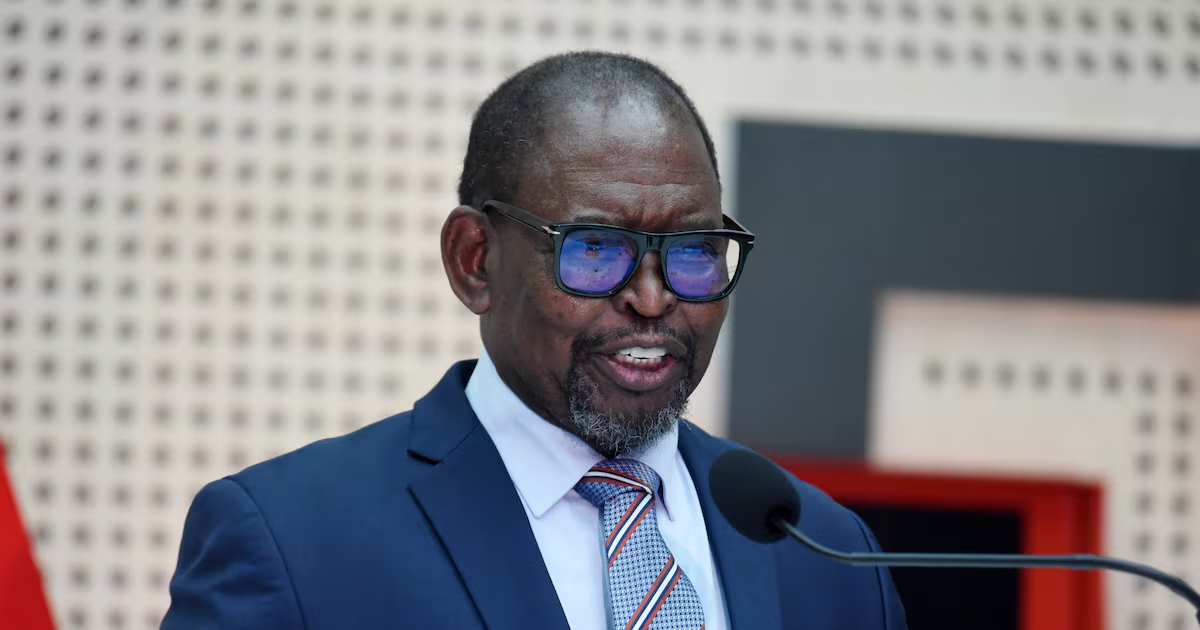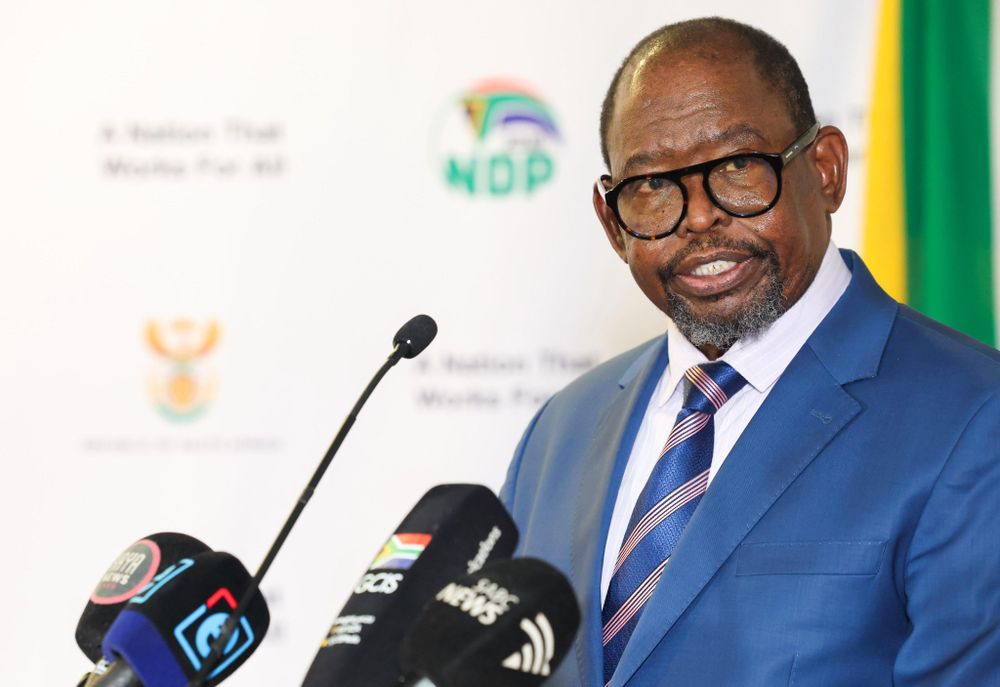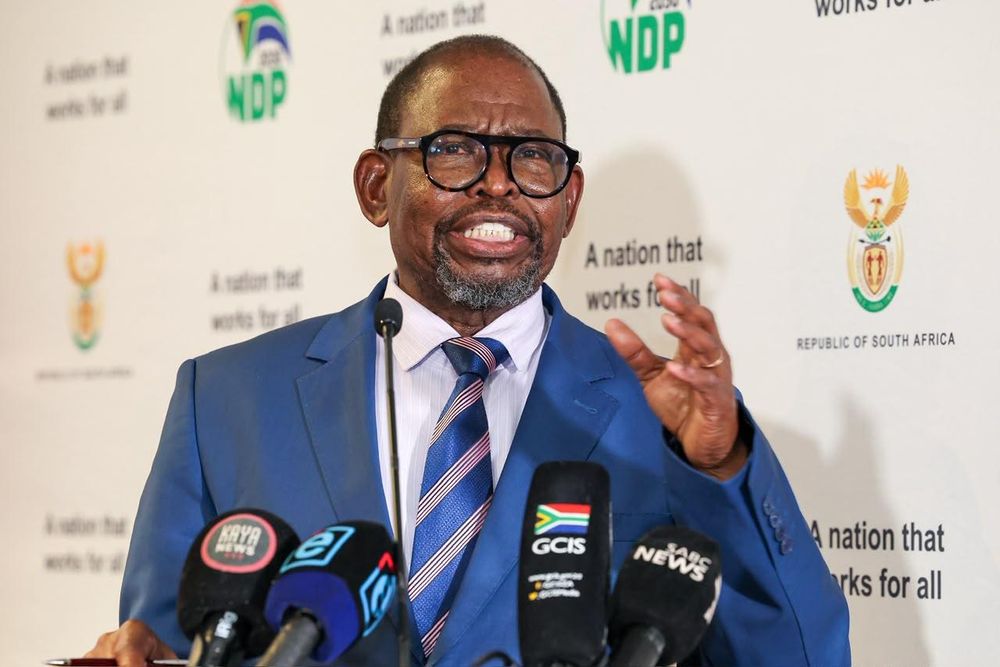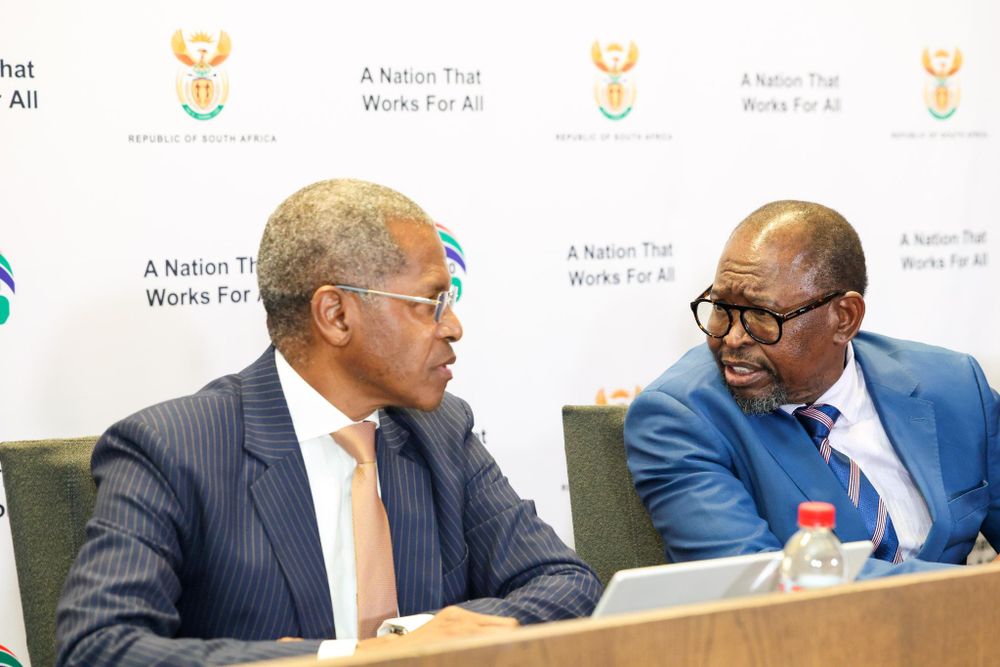
The National Treasury’s capitulation in agreeing to release the balance of R7.1bn it had withheld from 49 municipalities over their continued failure to comply with the Municipal Finance Management Act (MFMA) sends the message that local governments can flout regulations without consequence, says economist Dawie Roodt.Finance minister Enoch Godongwana justified the move as meant to protect residents, contradicting his own senior officials, who had argued earlier this month that holding back the money would not adversely affect service delivery because the funds were only a fraction of municipalities’ annual funding and they had other revenue streams to fall back on.The municipalities set to receive disbursements on Friday are among 69 whose July tranche — R13.5bn — of the Treasury’s equitable share transfers to local governments was held back over failure to pay service providers, including water boards and power utility Eskom, as well as running unfunded budgets and unauthorised, irregular, fruitless and wasteful expenditure, among other breaches of the act.“National Treasury has decided to release funding … because we have withheld it for close to 30 days … and to avoid having an adverse short-to-medium-term effect on the delivery of basic municipal services,” Godongwana told a media briefing on Tuesday.“The release is … not based on a finding of compliance. The equitable share is an important source of funding for the basic services, particularly service provided for poor households. National Treasury must therefore balance its constitutional responsibility to enforce financial management requirements with the need to avoid communities carrying the immediate consequences of failure by municipality.”The Treasury had argued that years of persistent financial mismanagement, repeat audit failures and continued noncompliance with the MFMA justified keeping back the money, one of its strongest interventions yet against failing municipalities.In a legal opinion seen by Sowetan, sister publication to Business Day, last week, the Treasury’s senior legal adviser said the department complied with constitutional and legislative prescripts in withholding the funding.This was after the financial and fiscal commission — a constitutional advisory body that makes recommendations to parliament, provincial legislatures, local government and other organs of state on the equitable division of revenue among the three spheres of government — questioned the legality of the move.On Tuesday, Godongwana said 20 of the 69 municipalities have received their full equitable share, while 21 received partial disbursements and will get the rest on Friday. Twenty-eight will receive their entire withheld support on the same day.Read: Treasury to disburse funding withheld from errant municalities to protect residents“They are not off the hook. They are going to be required to perform between now and the second tranche. Each municipality will receive a letter informing it what conditions are attached and what things it has to do between now and the next tranche,” he said.Efficient Group chief economist Roodt said the Treasury’s retention was an inevitable political move to avoid a swathe of municipalities collapsing before local government elections on November 4. It, however, undermines the department’s future attempts to rein in rogue municipalities.“This is a moral dilemma for the minister of finance, and the only way to fix it is to withhold the funds and force them to comply or put them under administration. However, I’m afraid it’s certainly not going to be fixed until after the elections,” Roodt told Business Day.“But you cannot threaten somebody and then not go through with it. The municipalities have learnt a very important lesson now, and that is, If [the Treasury] threatens you, the threat is just bark and there’s no bite. They’ve learnt this lesson many times before.”They are not off the hook. They are going to be required to perform between now and the second tranche. — Enoch Godongwana, finance ministerOne of the municipalities under the spotlight is the technically insolvent City of Johannesburg, which has been at the centre of debate over whether it should be placed under administration.In its 2022–23 consolidated general report on local government audit outcomes, the auditor-general noted that many municipalities repeatedly failed to spend infrastructure grants effectively yet continued receiving allocations despite weak project planning and implementation. The report argued that this reflected a failure to hold municipalities accountable for poor financial management and project execution.Parliament’s standing committee on public accounts has also repeatedly criticised the government for repeatedly rescuing financially distressed municipalities without sufficient accountability.On Tuesday, Godongwana insisted he is still confident the Treasury could effectively crack the whip in future.“We are going to be consistent this time. We are going to be following each and every municipality,” he said.“Each municipality will get a letter saying, ‘these are the things you need to sort between now and December’. The same letter will go to the MEC for finance and the MEC for Cogta [co-operative governance & traditional affairs] in each province, and … the premier so that all of us are working together.”Cogta minister Velenkosini Hlabisa said the government will adopt a similar stance against all national departments and provincial governments owing billions of rand to municipalities.For municipalities to be able to pay water boards, Eskom as well as medical and pension funds, “they … need to be paid by the people they render services to”, Hlabisa told the media briefing.“The similar stance that has been taken to our municipalities will have to be taken against the government departments and provincial governments that owe monies to our municipalities … because … we are at the tail end of the term of these councils, and we shouldn’t allow a situation that will collapse them before November 4.”Business Day
NEWS ANALYSIS | Treasury blinks on withheld R7.1bn for rogue municipalities
Godongwana says the funding release protects services, despite municipalities failing compliance tests
917 words~4 min read