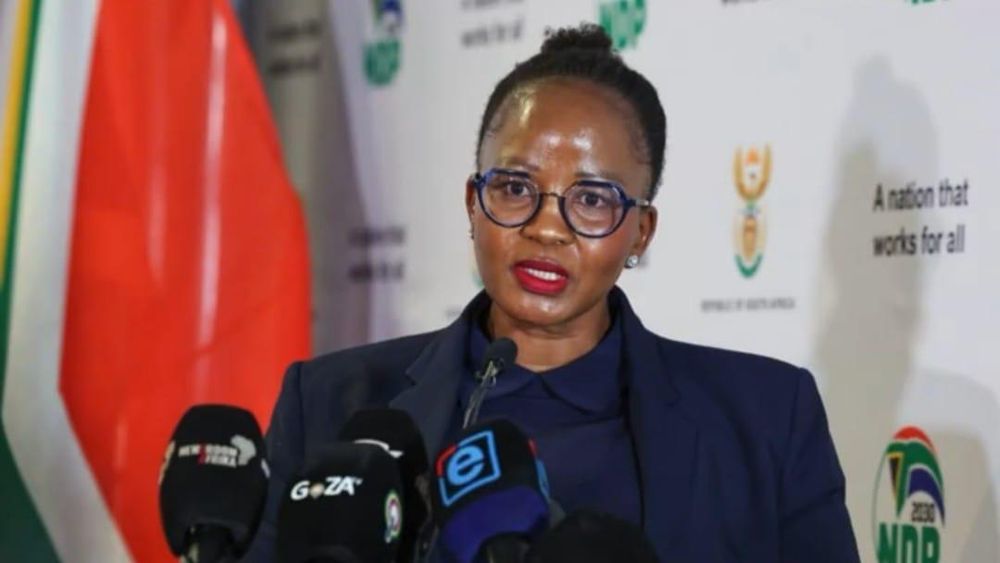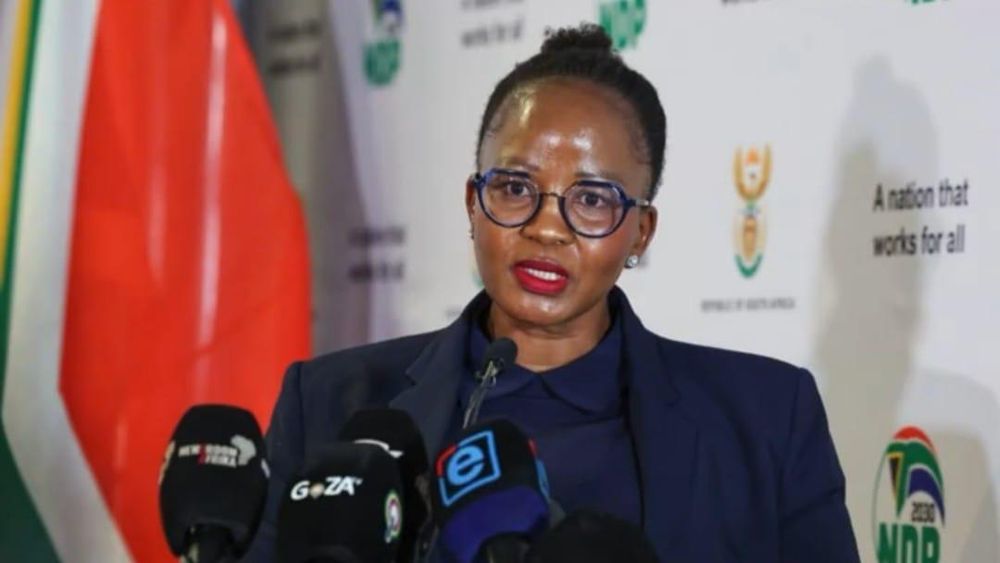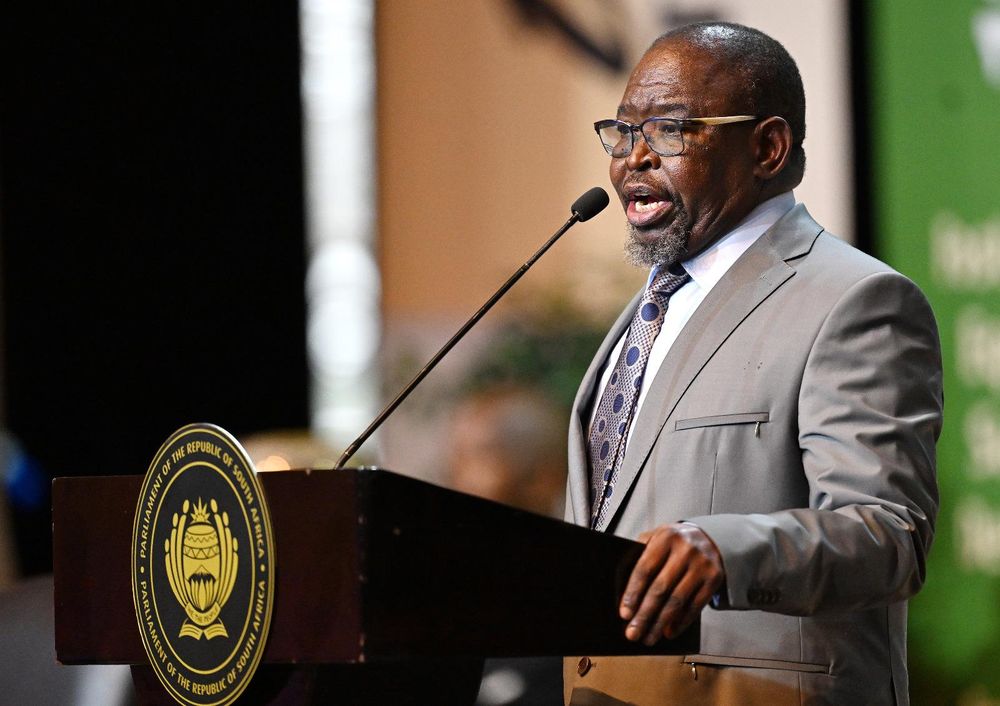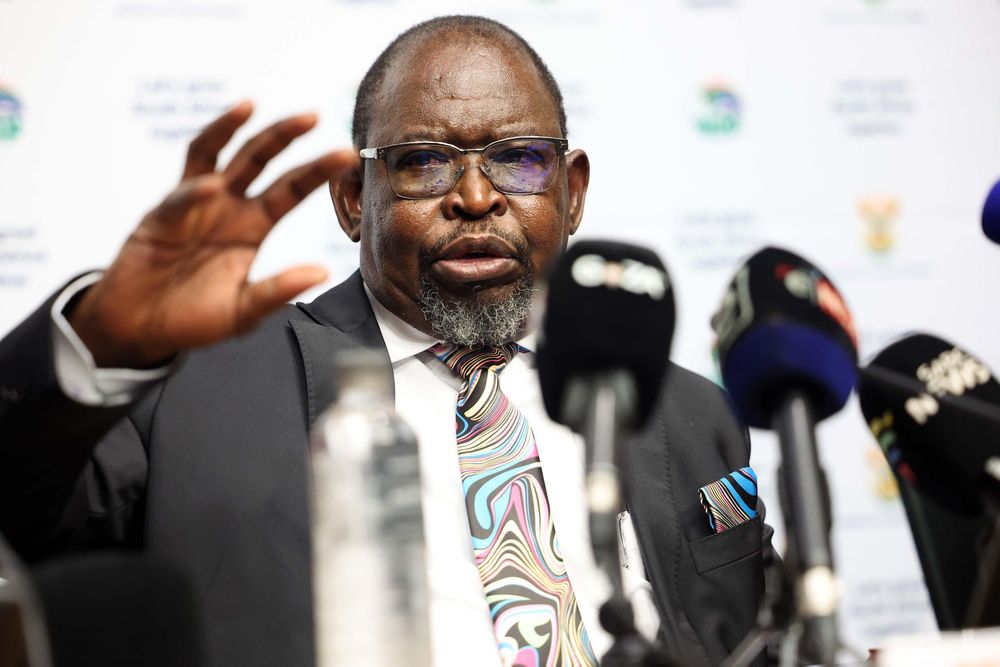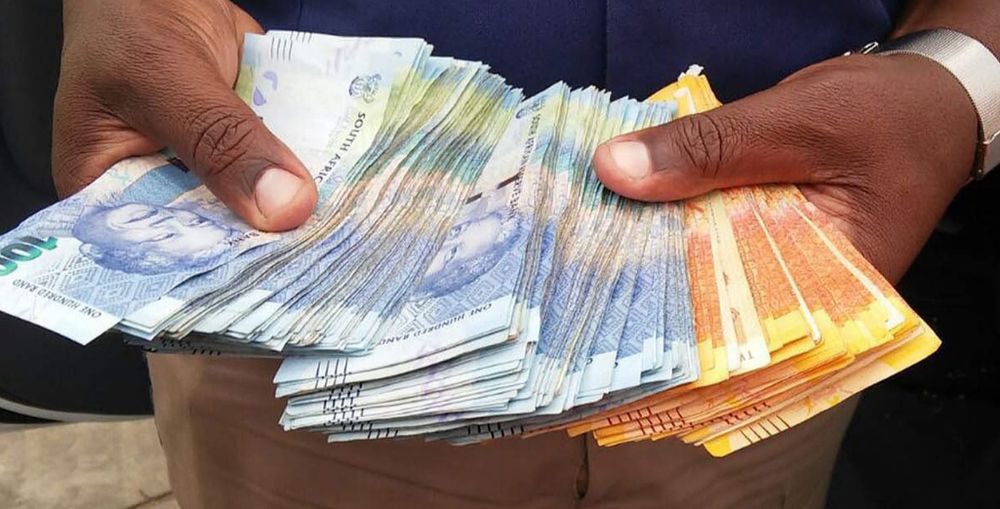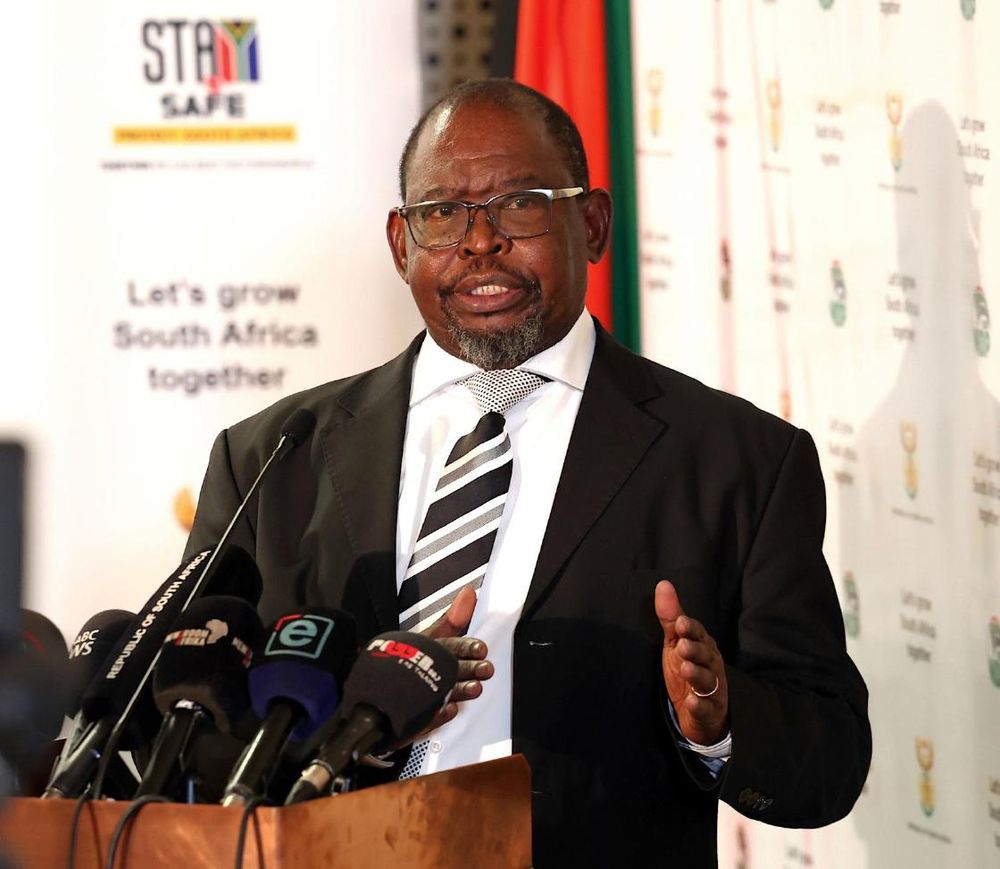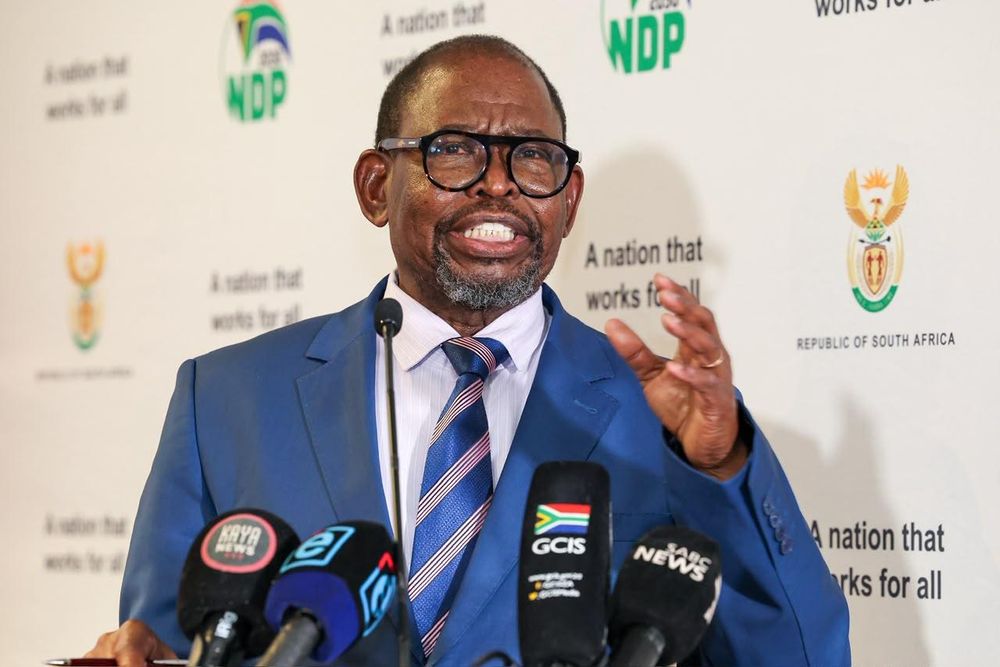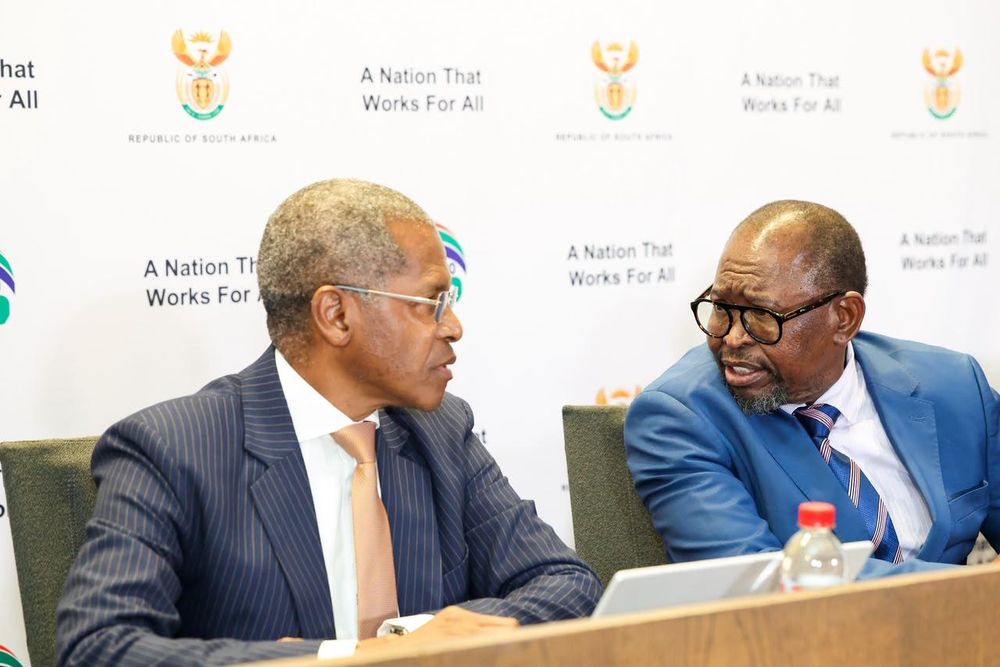
The National Treasury has defended its withholding of R13.5bn to 69 municipalities across South Africa — part of the July tranche of its equitable share transfers to local governments — saying it wants to inculcate a culture of compliance with the Municipal Finance Management Act (MFMA). It insisted the measure would not impact service delivery as the funds are only a fraction of municipalities’ annual funding, and said they have other revenue streams to fall back on.The Treasury on Tuesday cited years of persistent financial mismanagement, repeat audit failures and continued noncompliance with the MFMA for the move, one of its strongest interventions yet against failing local governments.In any event [we are] only transferring 42% of the equitable share for this period. The next transfer is in December and the last one is in March.— Ogalaletseng Gaarekwe, National Treasury deputy director general for intergovernmental relationsThe municipalities, spanning all nine provinces and including major metros such as Buffalo City, Nelson Mandela Bay, Mangaung and Johannesburg — which has had R3.6bn withheld — were informed of the decision in advance and given an opportunity to explain why their transfers should not be withheld before the Treasury acted.At a media briefing on Wednesday, Treasury officials reiterated the move was intended to instil fiscal discipline, ensure municipalities properly managed public money, addressed unauthorised, irregular, fruitless and wasteful expenditure and held officials accountable where required by law.“It says we’re very serious about compliance to legislation. It’s important that municipalities comply, or all three spheres of government comply with the legislations we have,” said Ogalaletseng Gaarekwe, National Treasury deputy director general for intergovernmental relations.“This, in our view, is a measure of last resort, and we don’t want to do it all the time. We’re expecting behaviour will change and we don’t have to do it again.“We’ve only withheld R13.5bn. The overall equitable share of municipalities for this new financial year is R110bn,” Gaarekwe said, adding how soon the money was released depended on how quickly municipalities complied.“It could be a week, it could be two weeks, it could be a month, depending on the responsiveness of the municipality.”She said the Treasury had on June 22 and 23 written to 99 errant municipalities, of which only 30 responded in a way that helped them avert their allocation being withheld.The Treasury has been cracking the whip in this manner for several years, with the number of affected municipalities starting to rise again last year, reversing an earlier downward trend, Gaarekwe said. “We’re hoping through this process there could be less in future.”The department is not expecting service delivery in municipalities to be affected, she said.“The transfers from national [government] are below R200bn for municipalities a year, but if you look at the budget of a municipality, when you include the revenue they raise, in the previous financial year they had a budget of about R750bn,” Gaarekwe said.“It shows that they have more revenue raising power, unlike provinces which raise less than R30bn a year. Therefore, we’re not expecting service delivery will be impacted.“In any event [we are] only transferring 42% of the equitable share for this period. The next transfer is in December and the last one is in March.”The crackdown has resulted in money owed finally being paid to two water boards that had been on the brink of being closed, the Treasury’s chief director for local government budget analysis, Jan Hattingh, told reporters.“Essentially this process has facilitated that the two water boards are operational. If a water board cannot provide services that means communities won’t receive water,” he said, adding the Treasury had developed a framework for municipalities to deal with their consequence management shortcomings.“Ultimately the councils make the final decisions and final choices. It’s the same at provincial level. The provincial executive council is accountable. At the national level it is the cabinet,” he said.A real concern for the Treasury is that some municipalities don’t use their grants productively and have to surrender the money, Hattingh said.“That is not the desired effect because the funding is meant to facilitate service delivery. We are working with provincial treasuries and our partners, including the South African Local Government Association (Salga), to equip municipalities to improve their training and budgeting systems so they can use the money properly and ensure citizens benefit from the resources allocated.”The Treasury has been reviewing the local government fiscal framework since last year and has finalised the expenditure analysis, Gaarekwe said.“We’re busy reviewing the revenue part of that work. At the right time, the [finance] minister will indicate the outcome,” she said.Only 39 of South Africa’s 257 municipalities achieved clean audits in the 2024/25 financial year. Several municipalities facing withheld transfers have repeatedly received qualified or disclaimer audit opinions and have featured in successive auditor-general reports for weak financial management and governance failures.On Tuesday, Salga said while it supported measures to strengthen financial discipline and accountability, enforcement alone would not resolve the financial crisis facing many municipalities.It says we’re very serious about compliance to legislation. It’s important that municipalities comply, or all three spheres of government comply with the legislations we have.— Ogalaletseng Gaarekwe, National Treasury deputy director general for intergovernmental relations.It said withholding equitable share allocations had to balance compliance objectives with the impact on municipal finances and service delivery, adding it was important to distinguish governance failures from deeper structural fiscal challenges.Business Day
Treasury defends withholding R13.5bn from municipalities as it pushes for compliance
Officials insist service delivery will not suffer as municipalities tap other revenue sources
892 words~4 min read