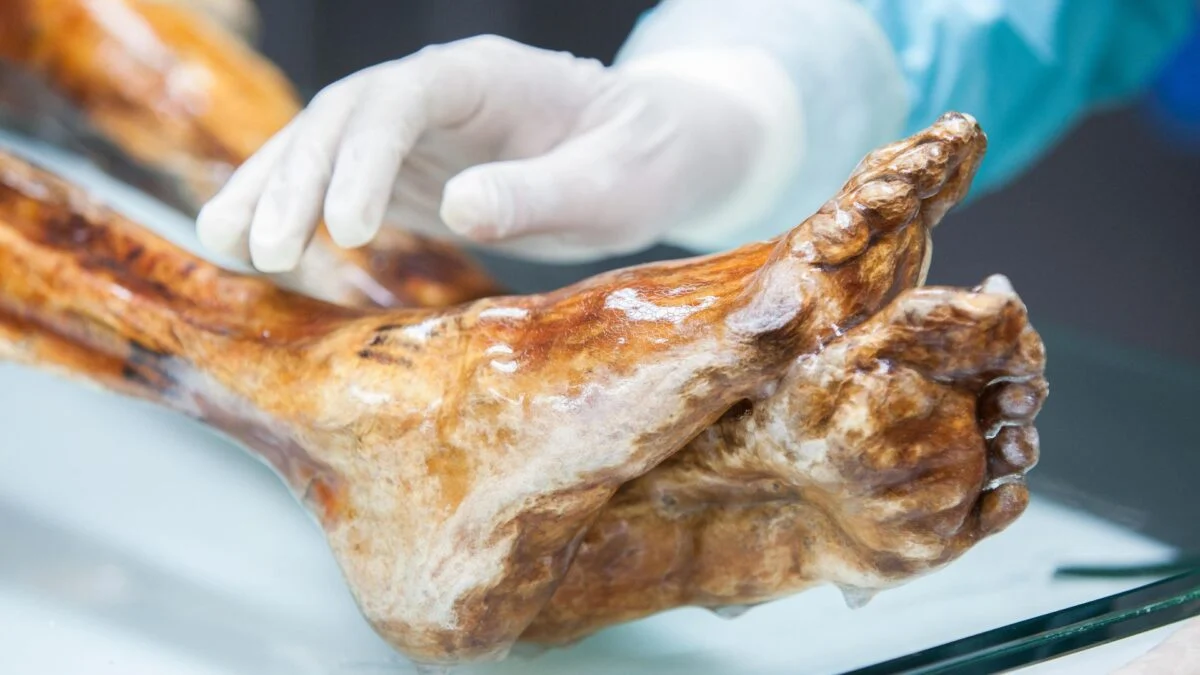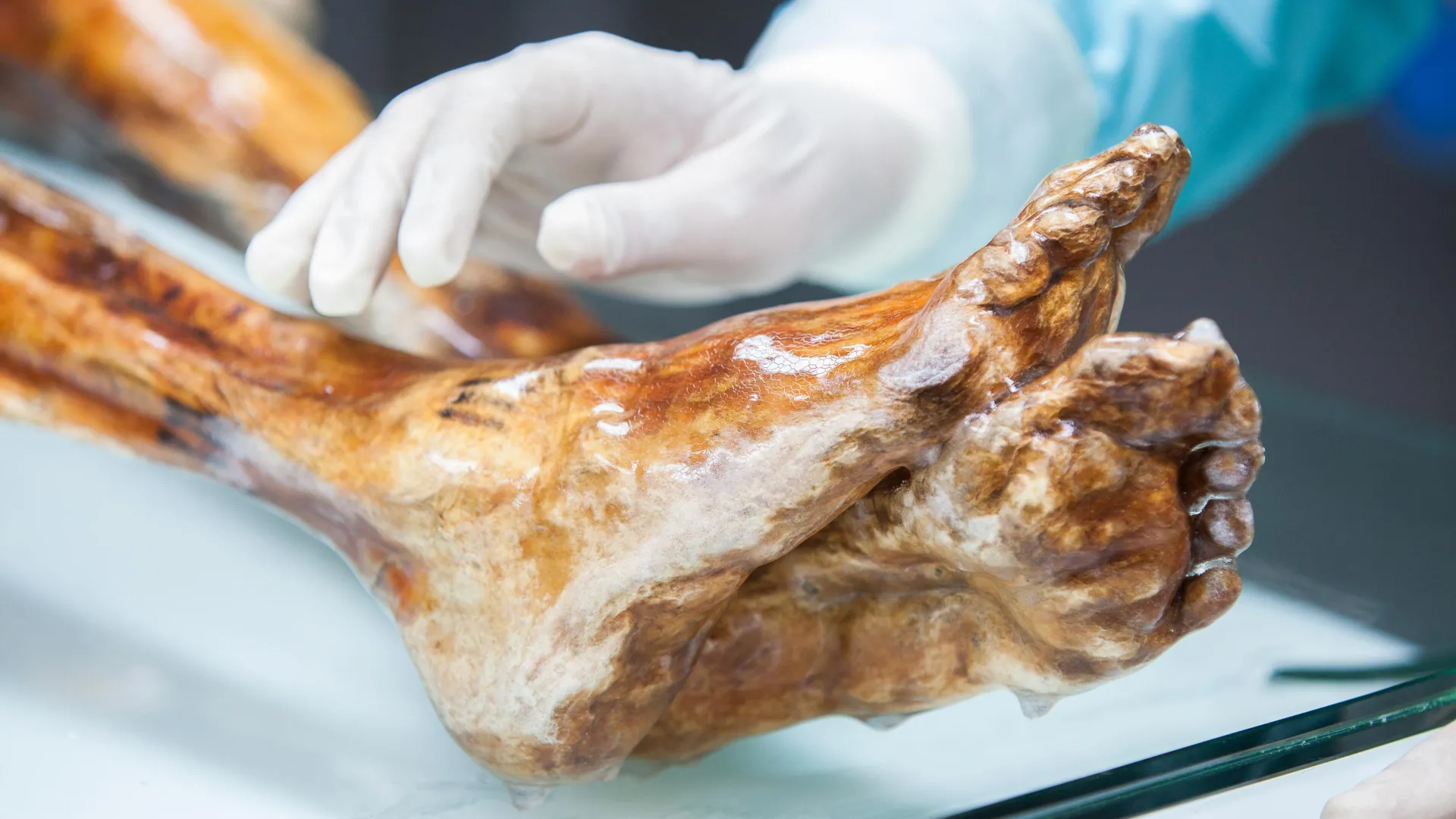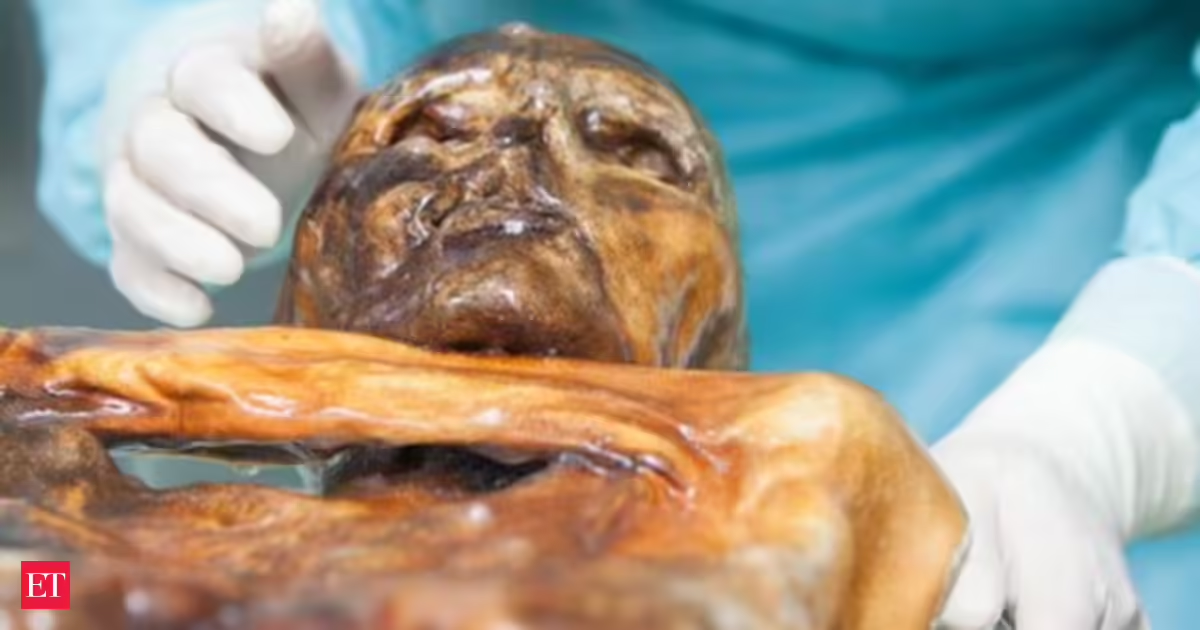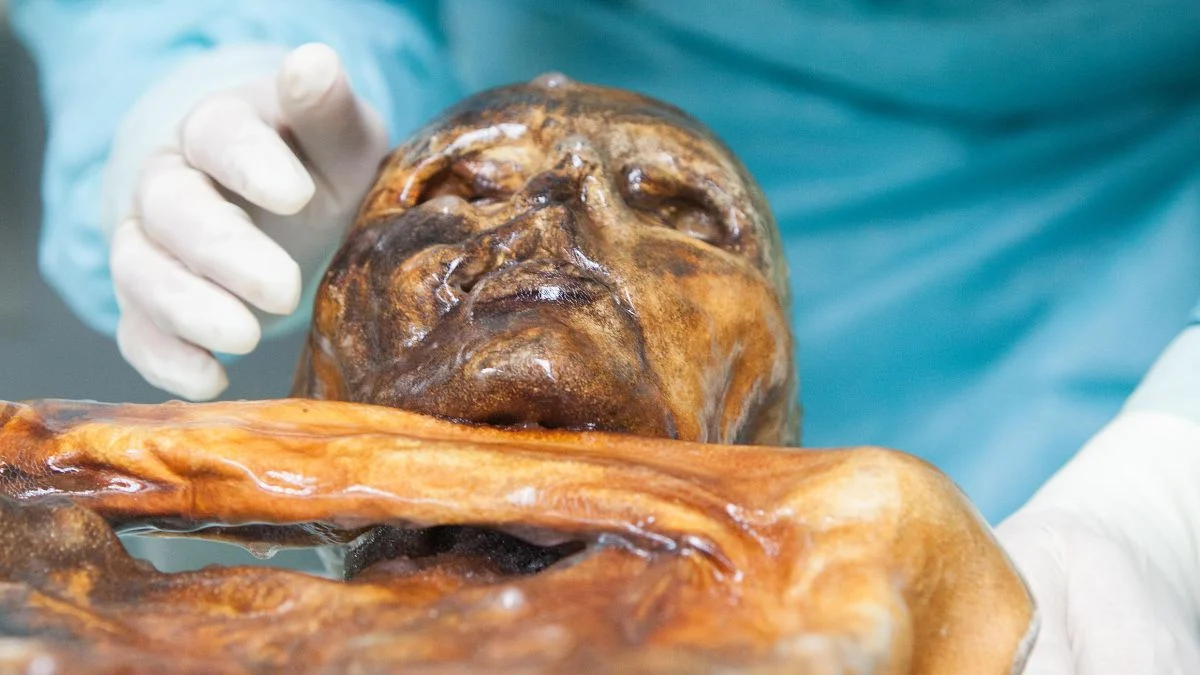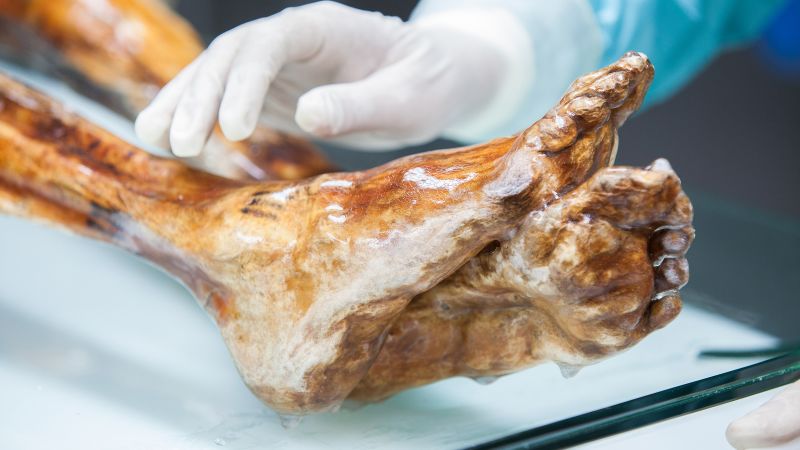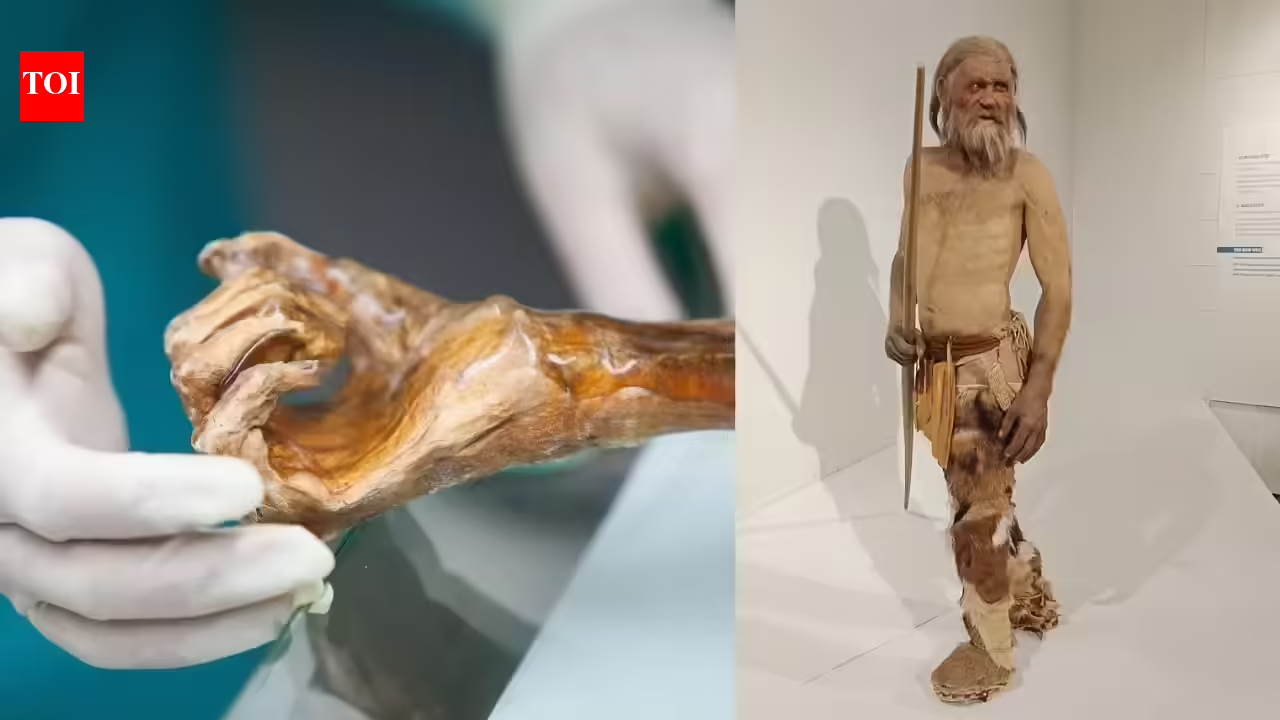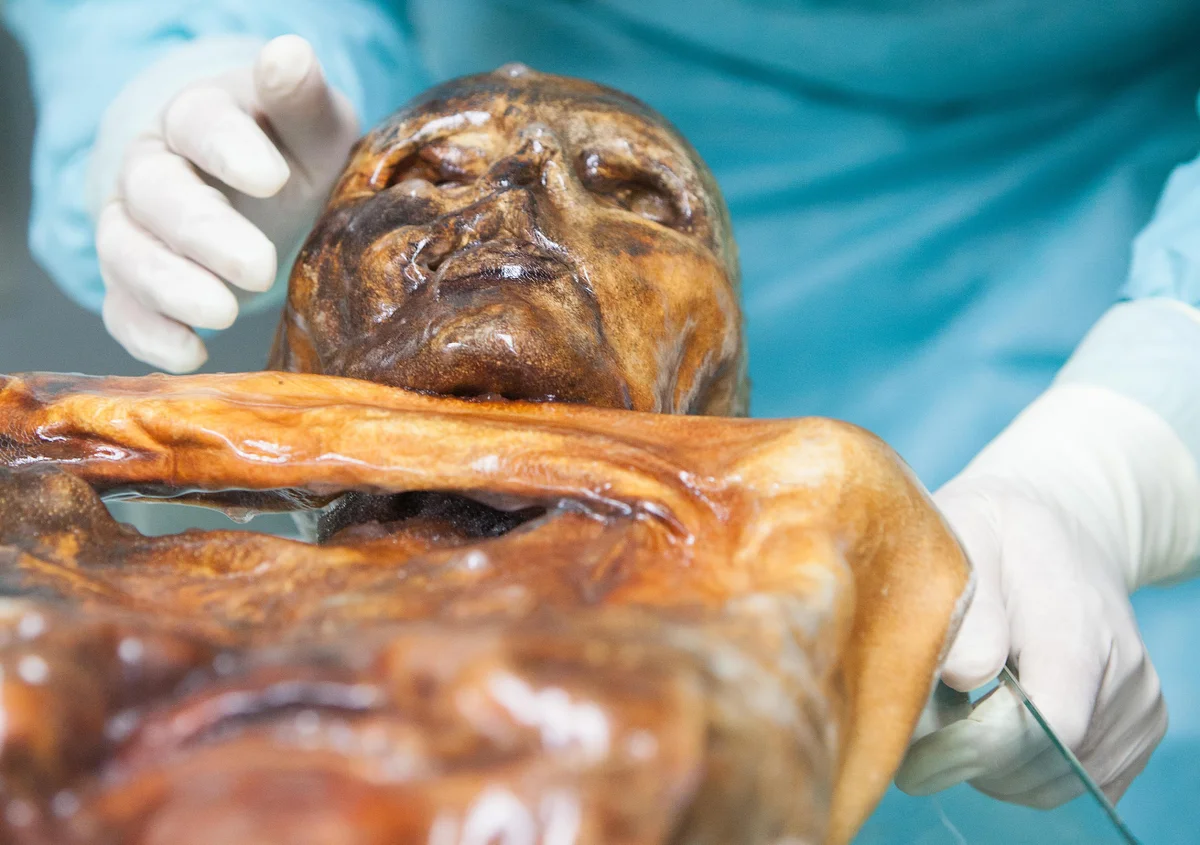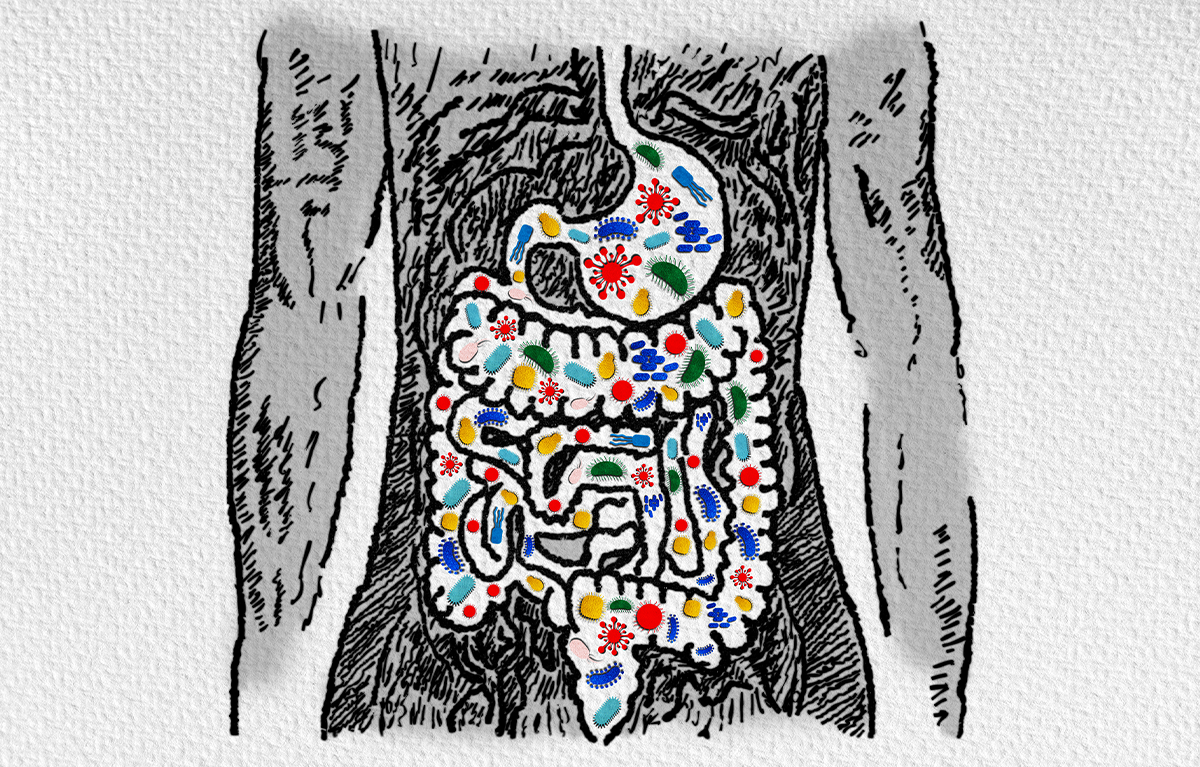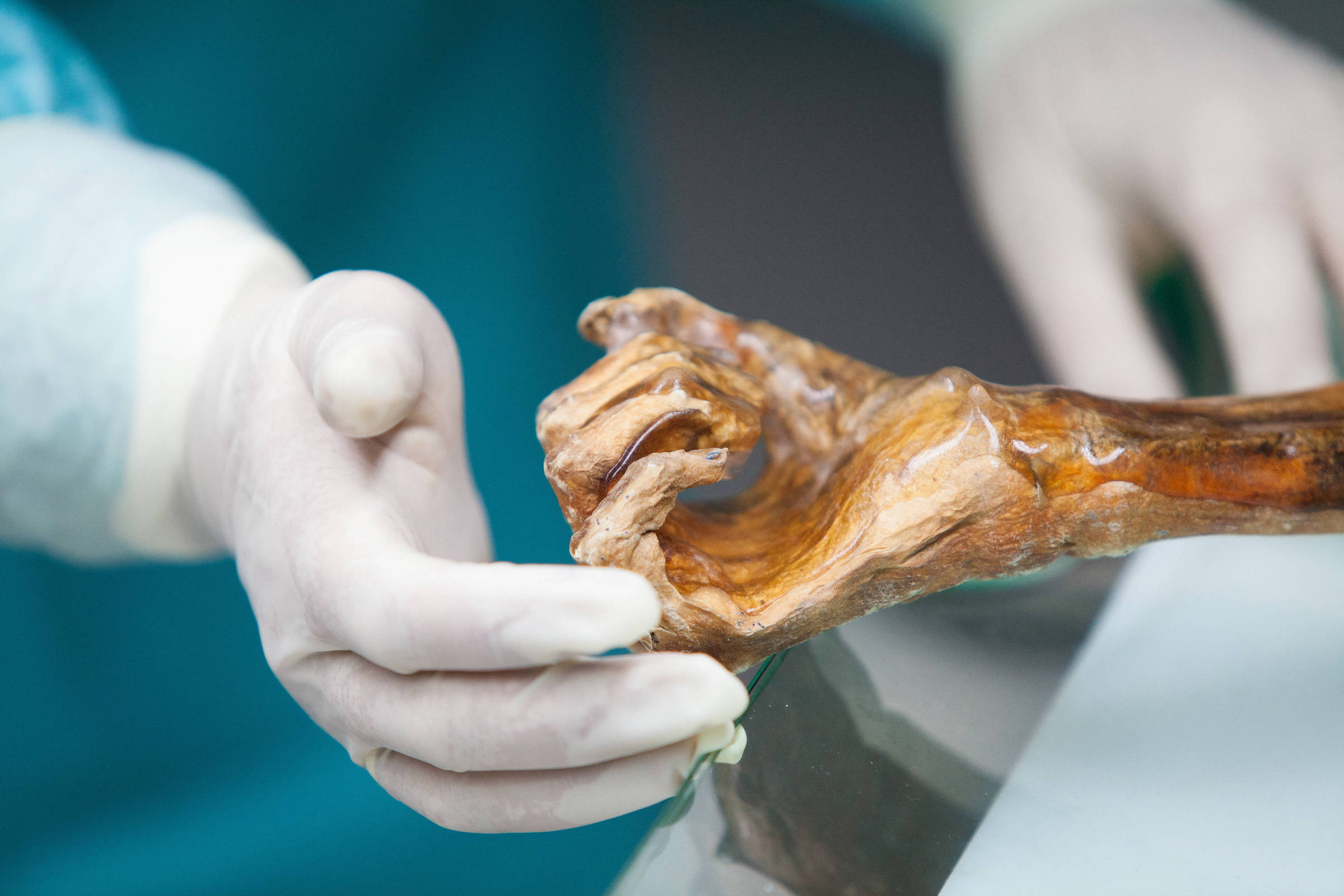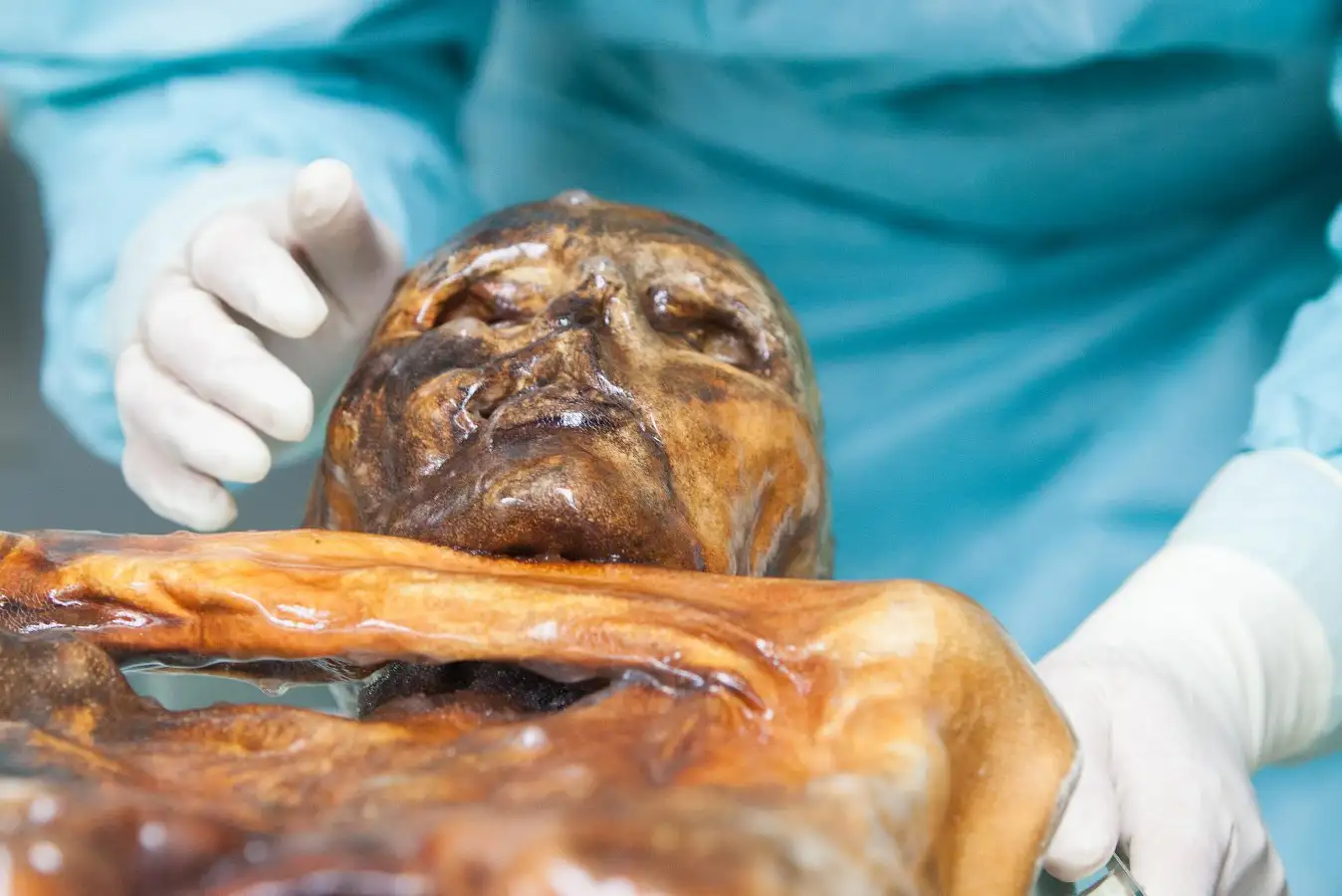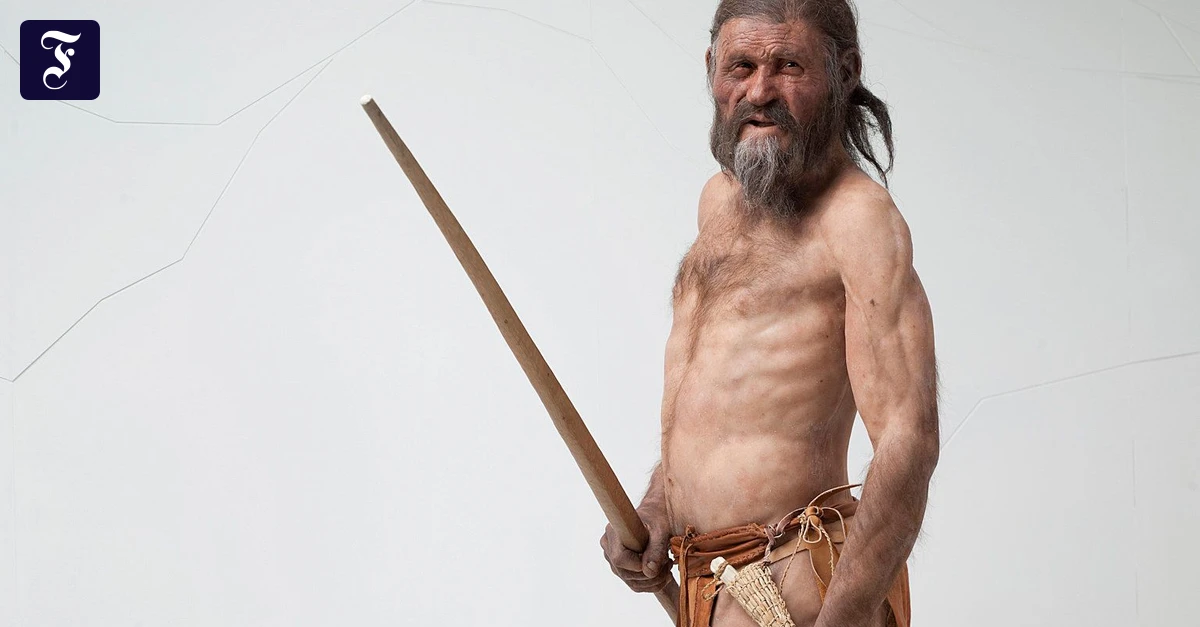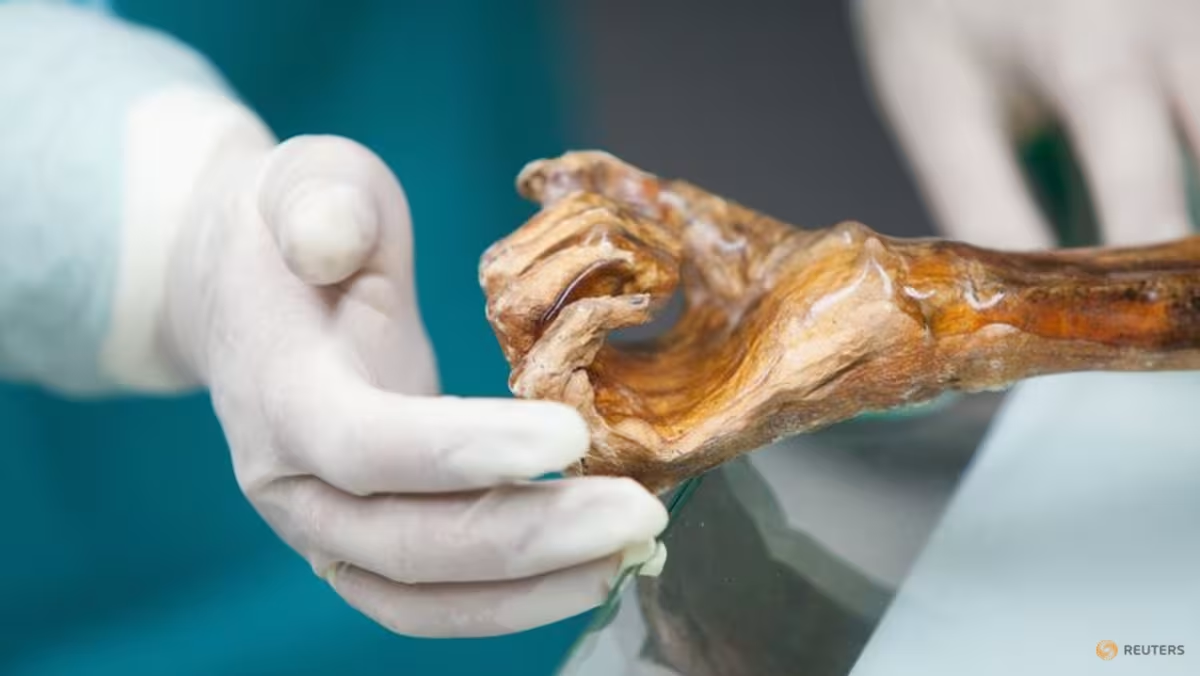
June 3 : Ötzi the Iceman died violently roughly 5,300 years ago in the Alpine region of the modern border between Italy and Austria. An arrowhead was found lodged in his left shoulder, having caused fatal bleeding when he was attacked in mountainous terrain. But, in some sense, Ötzi still lives, as new research shows.Scientists have conducted the most comprehensive analysis to date of the microbial landscape of Ötzi's mummy, detailing bacteria, fungi and yeasts across multiple tissue sites spanning more than three decades of sampling. Ötzi's body, preserved by millennia of entombment in glacial conditions, was discovered in 1991. He represents Europe's oldest-known natural mummy.The researchers identified three distinct microbial worlds inside and on Ötzi's body. They encompass ancient gut bacteria that were part of his microbiome during his lifetime, cold-adapted microorganisms derived from the glacier environment where his body lay, and modern microbes introduced during three decades of museum conservation."Our study reveals that Ötzi is not a static, biologically inert relic - he is a dynamic ecosystem," said microbiologist Mohamed Sarhan of Eurac Research's Institute for Mummy Studies in Bolzano, Italy, lead author of the study published in the journal Microbiome.
Scientists reveal Ötzi the Iceman's dynamic microbial world
June 3 : Ötzi the Iceman died violently roughly 5,300 years ago in the Alpine region of the modern border between Italy and Austria. An arrowhead was found lodged in his left shoulder, having caused fatal bleeding when he was attacked in mountainous terrain. But, in some sense, Ötzi still lives, as new research sh
767 words~3 min read