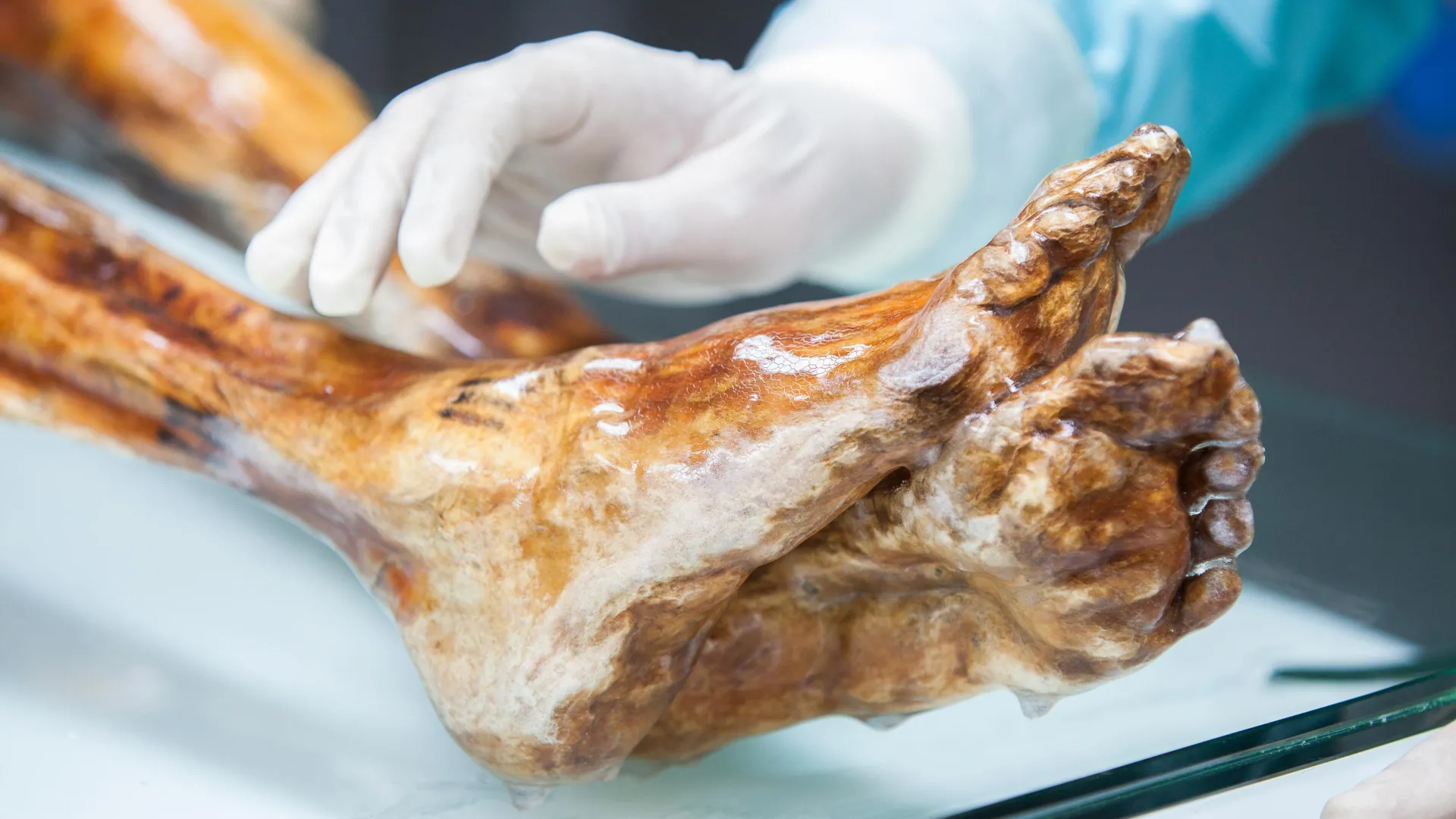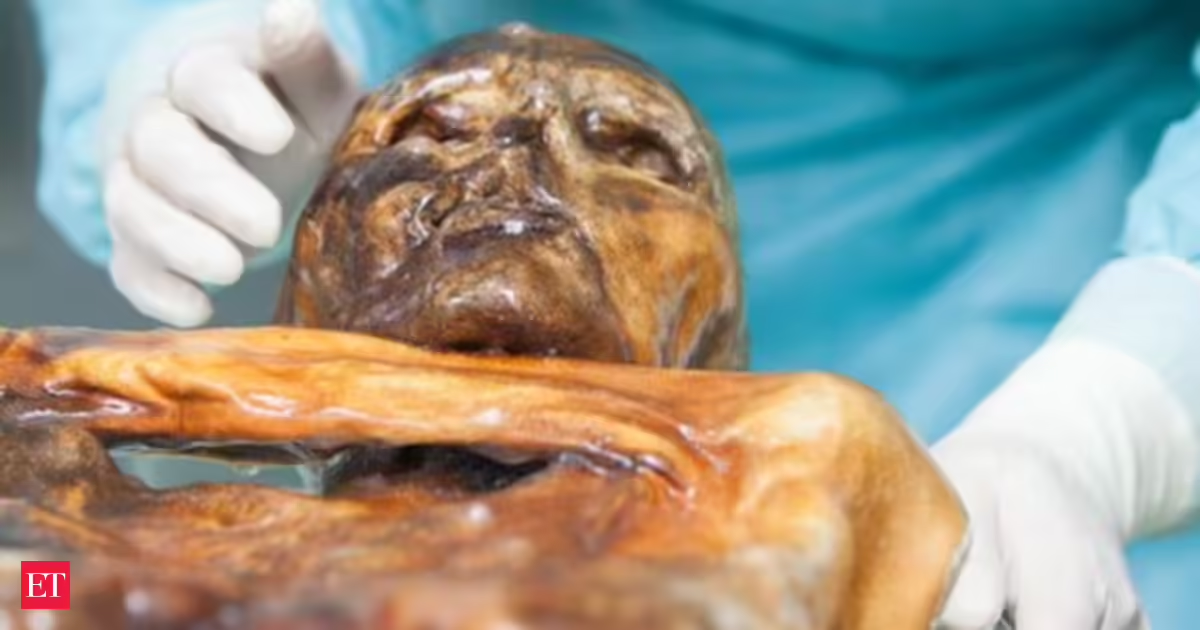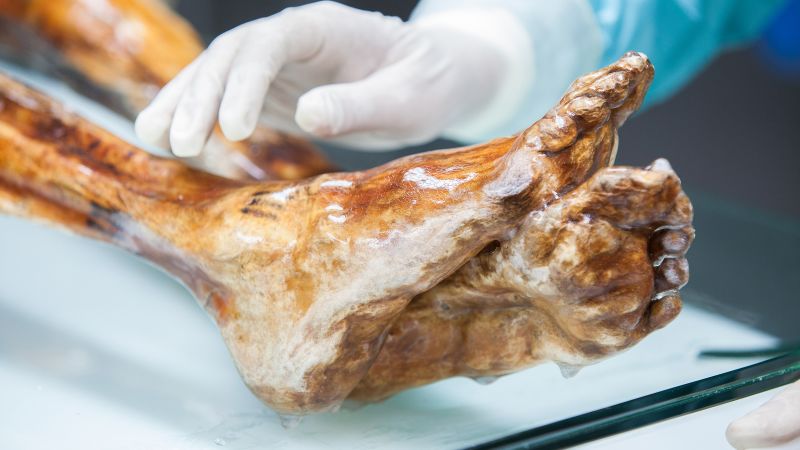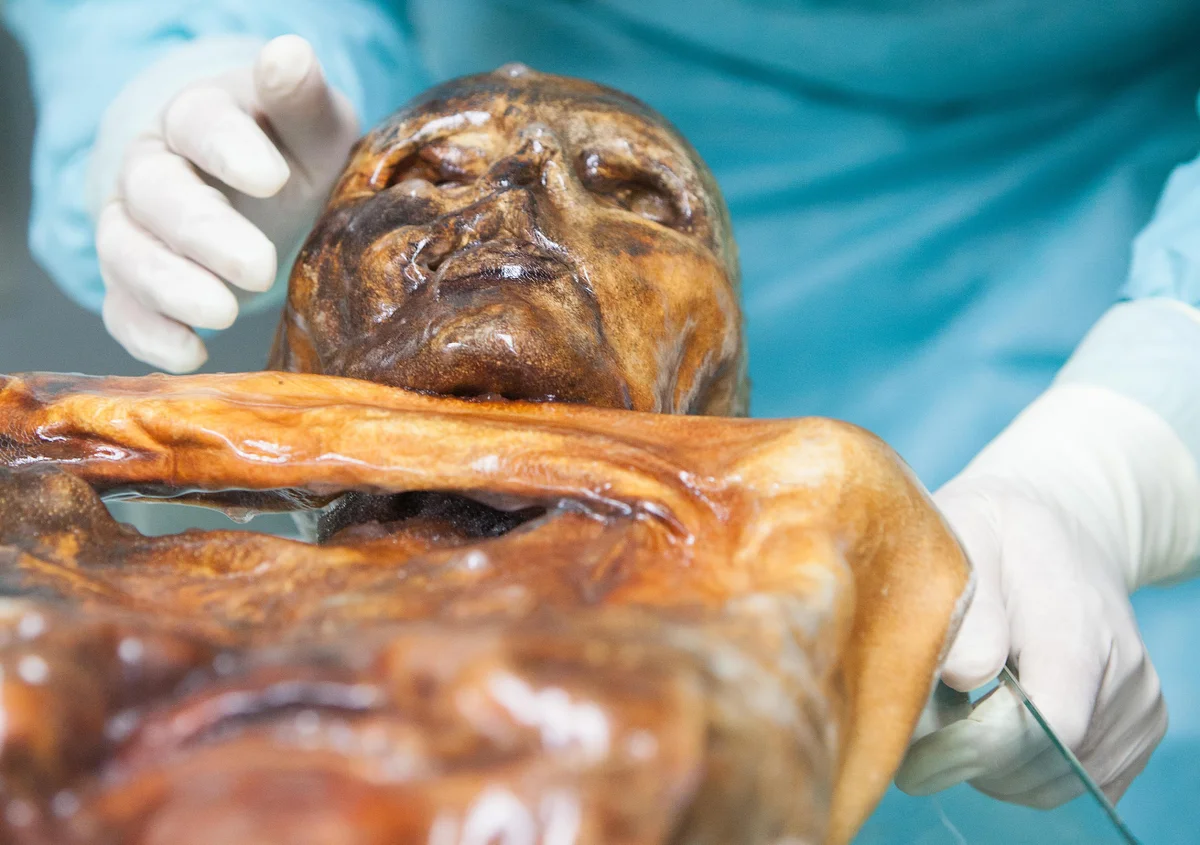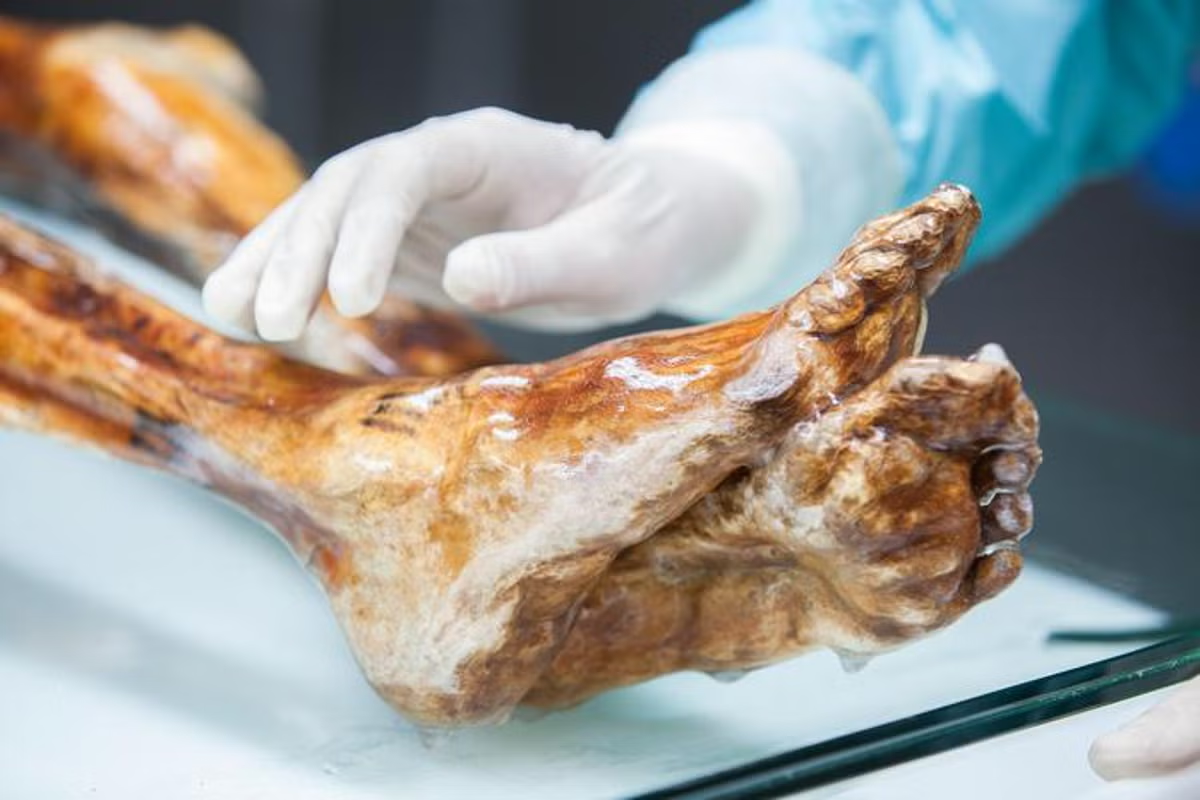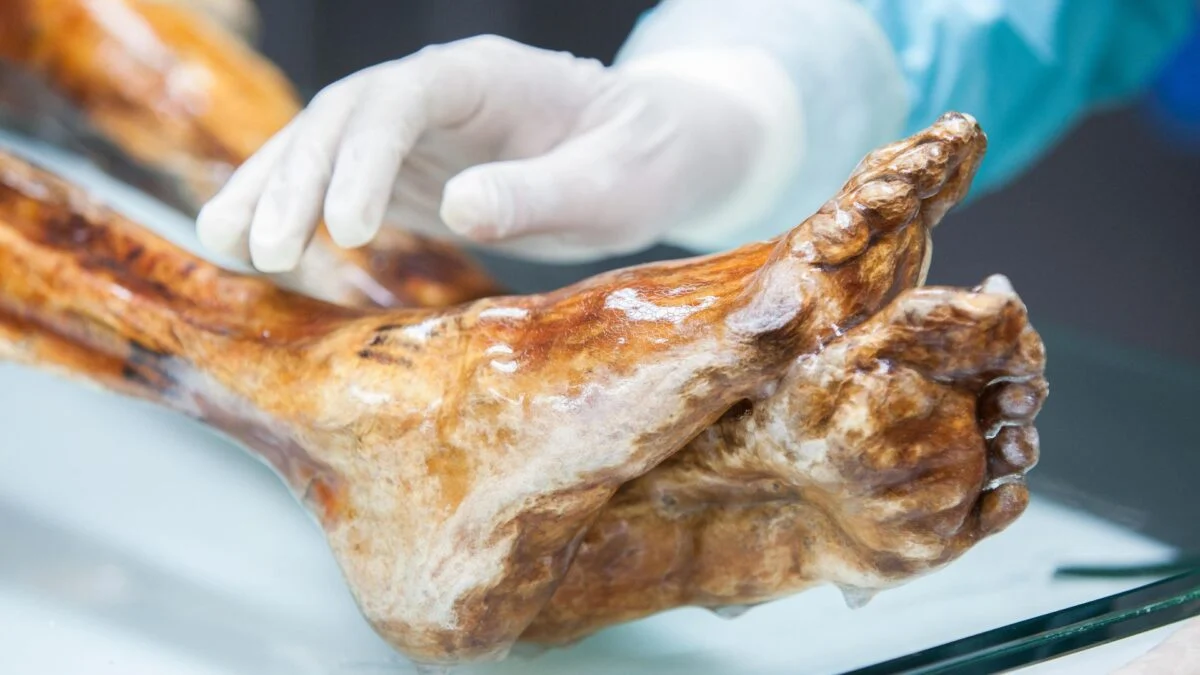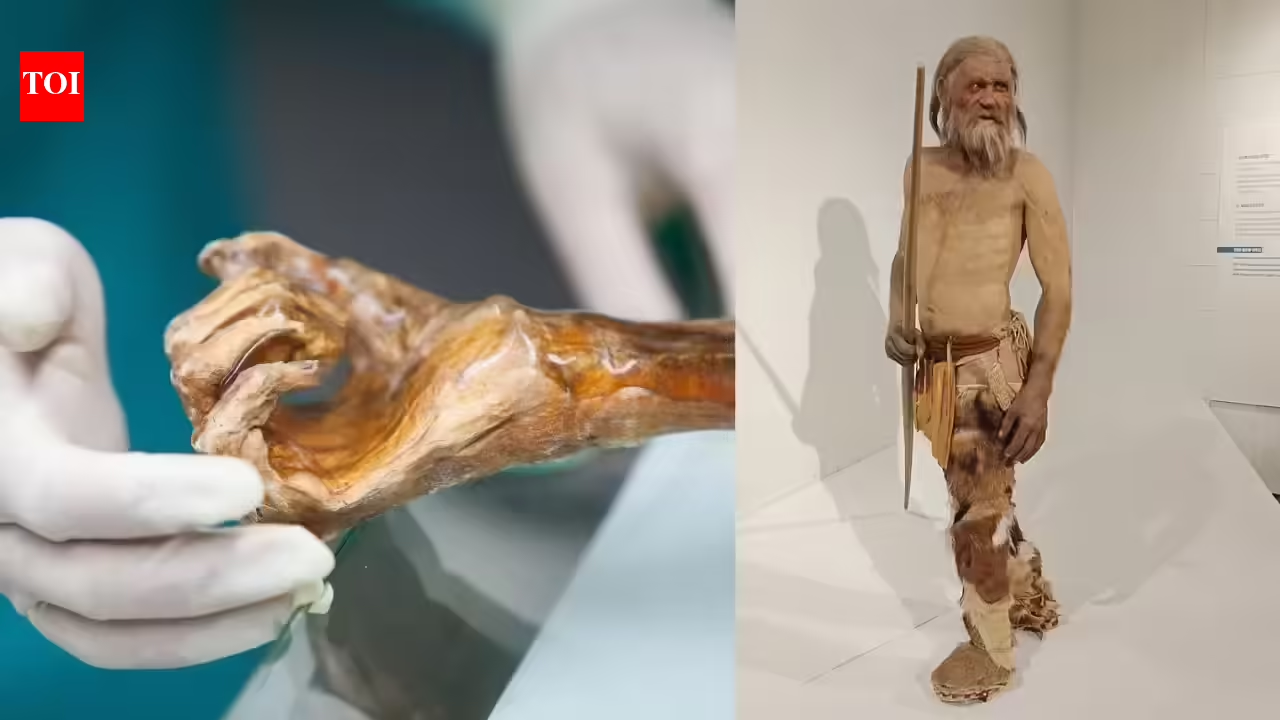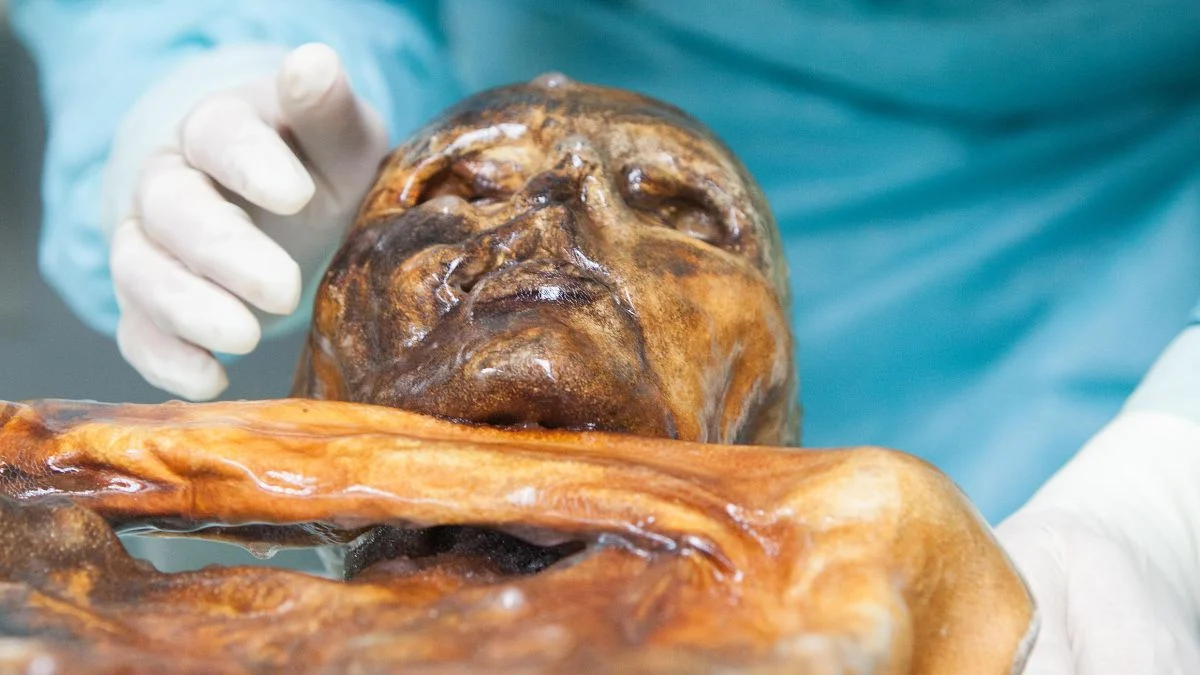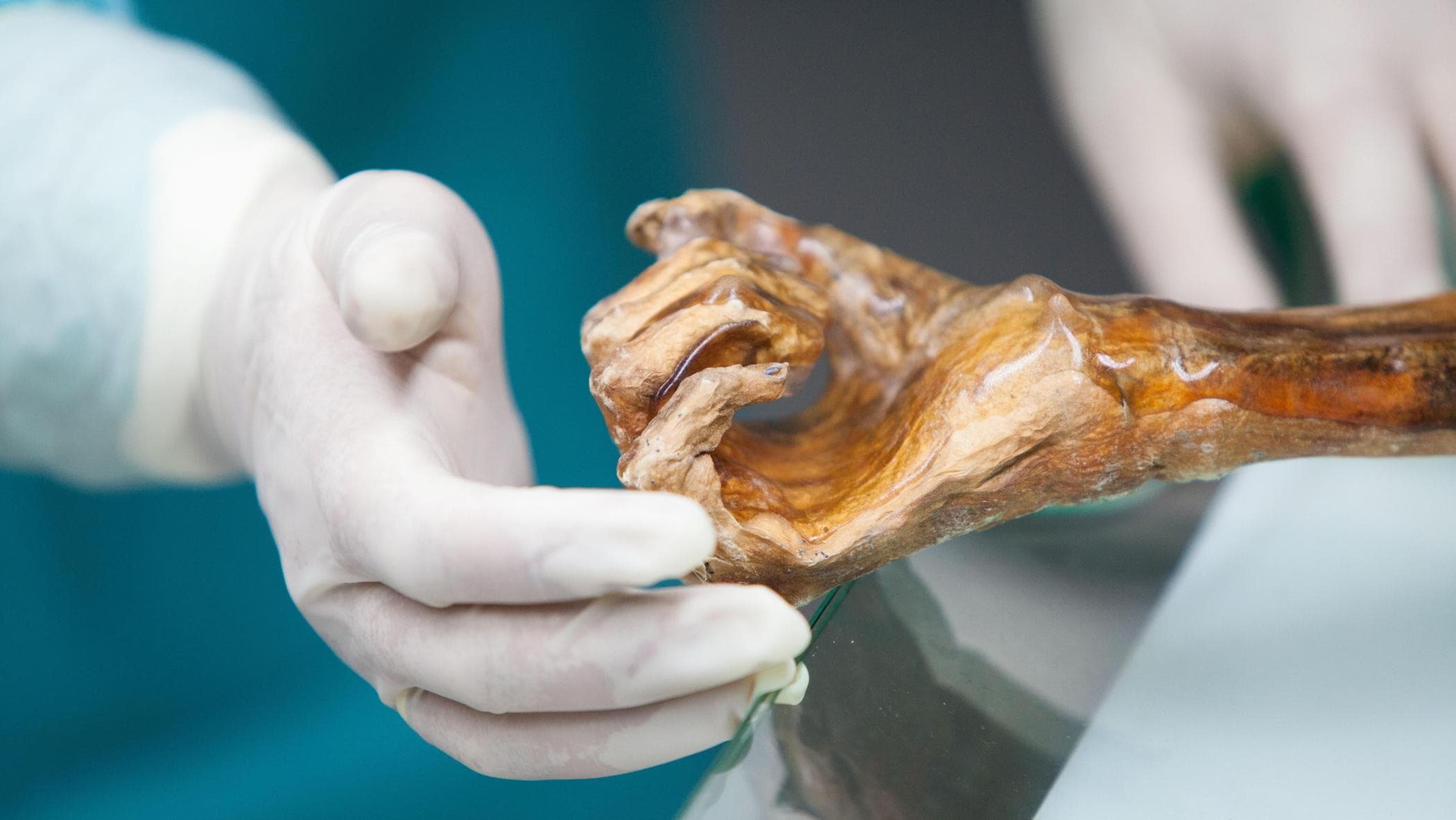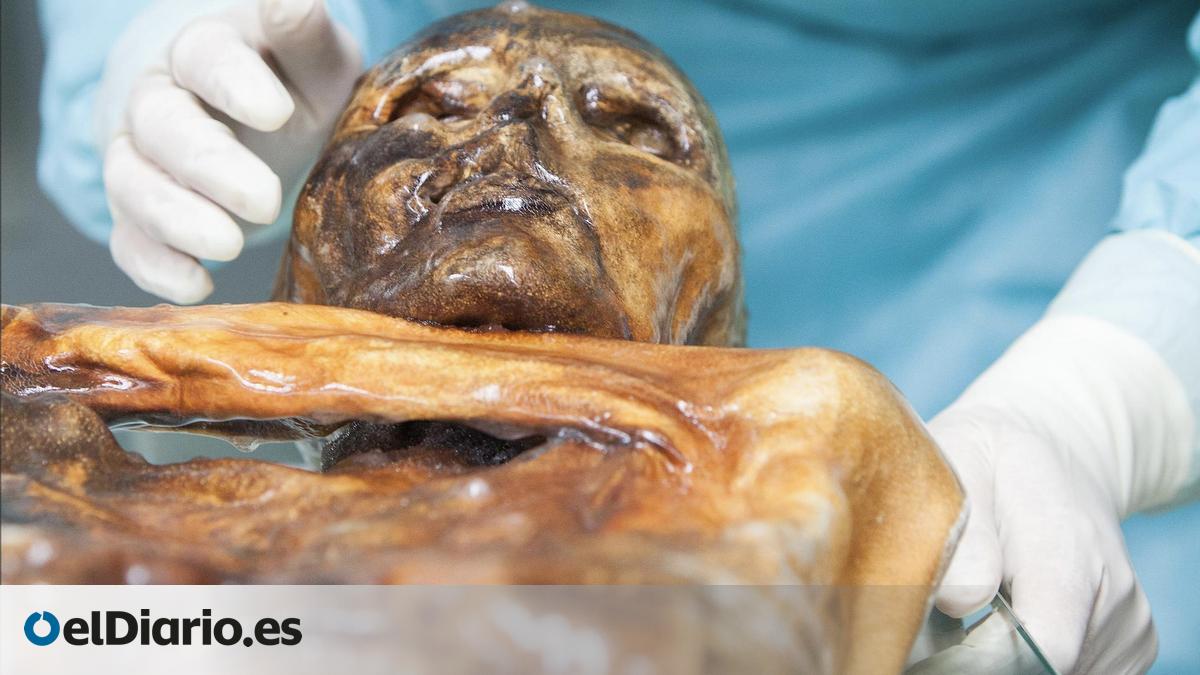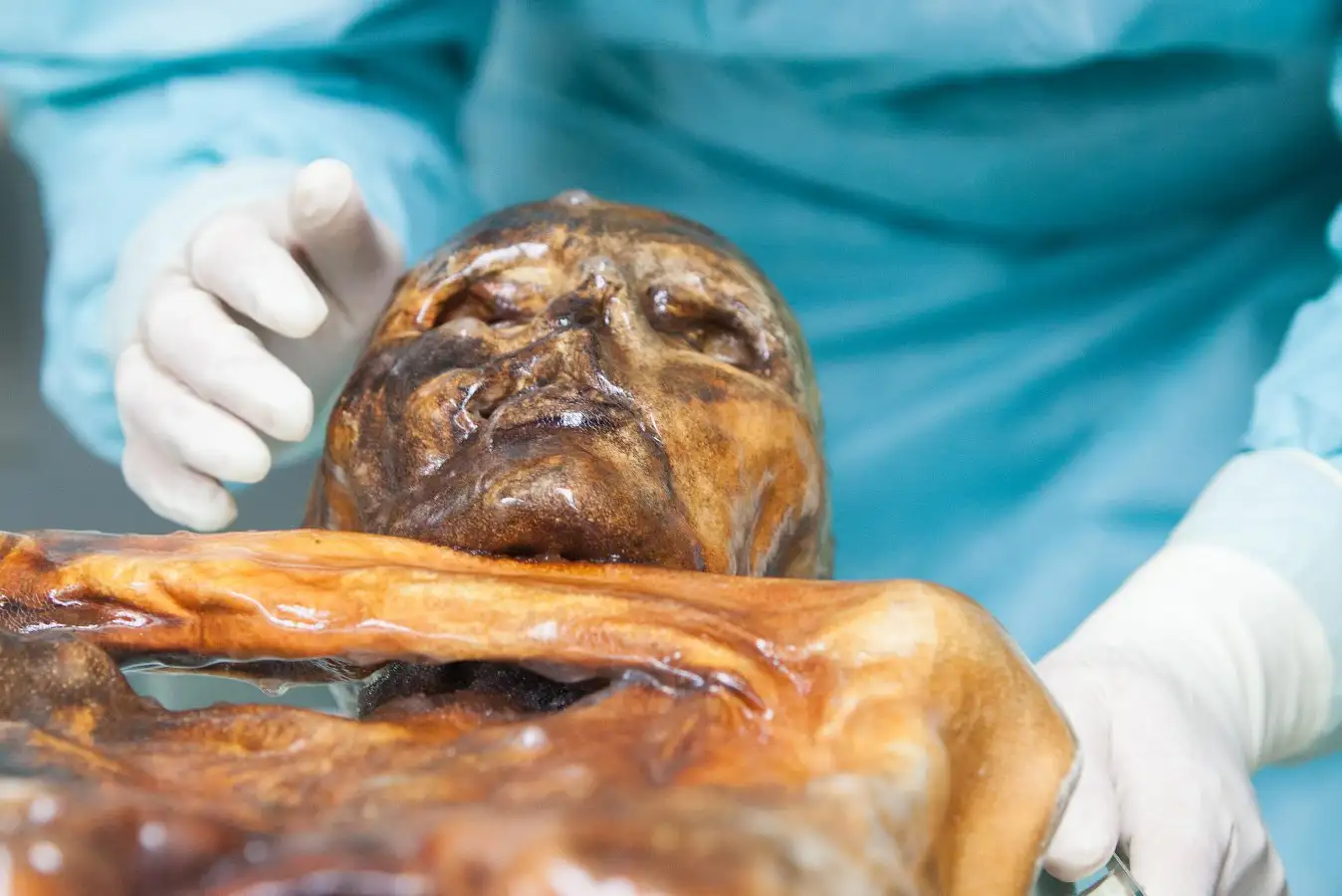
The mummy is preserved in a refrigeration chamber at a constant temperature of -6°CSouth Tyrol Museum of Archaeology/Eurac Research/Marion Lafogler
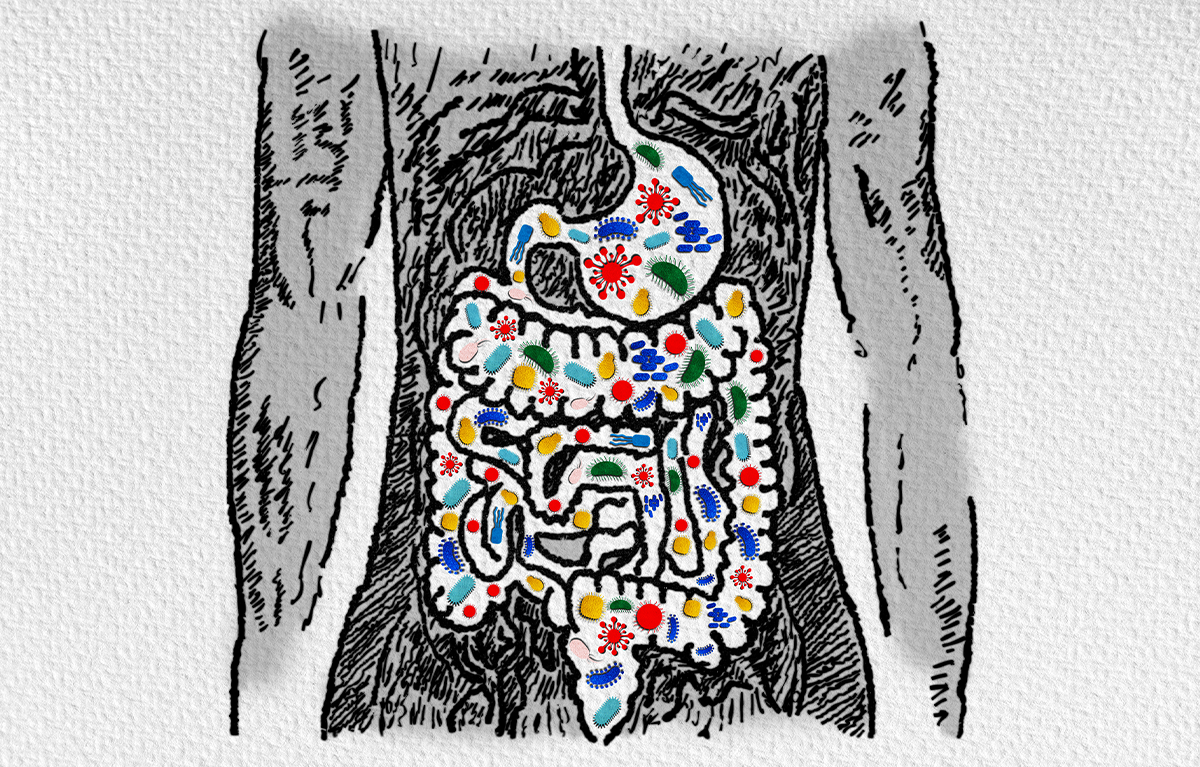
Some of the microbes lingering on the 5300-year-old remains of “Ötzi the Iceman” may still be metabolically active, despite being kept in icy conservation conditions.
Ötzi’s mummified body was discovered in 1991 thawing out of an Alpine glacier close to the border of Austria and Italy. He is estimated to have lived at some point between 3350 and 3120 BC, and in the 35 years since he was found, studies of his remains have revealed a treasure trove of information, including that he was probably dark-skinned and balding, had numerous tattoos and had a wound in his shoulder from an arrow, suggesting he was murdered.
Ötzi is now kept at the South Tyrol Museum of Archaeology in Bolzano, Italy, in conditions designed to mimic some of those inside the glacier where he was found: a temperature of -6°C (21°F) and a relative humidity of 99 per cent.
Frank Maixner at Eurac Research’s Institute for Mummy Studies in Bolzano and his colleagues have analysed the bacteria and fungi found in skin swabs, tissue fragments and internal thawed water samples from the mummified remains taken in 1992, 2010 and 2019 and compared them with soil and ice samples collected from the discovery site in the 1990s.