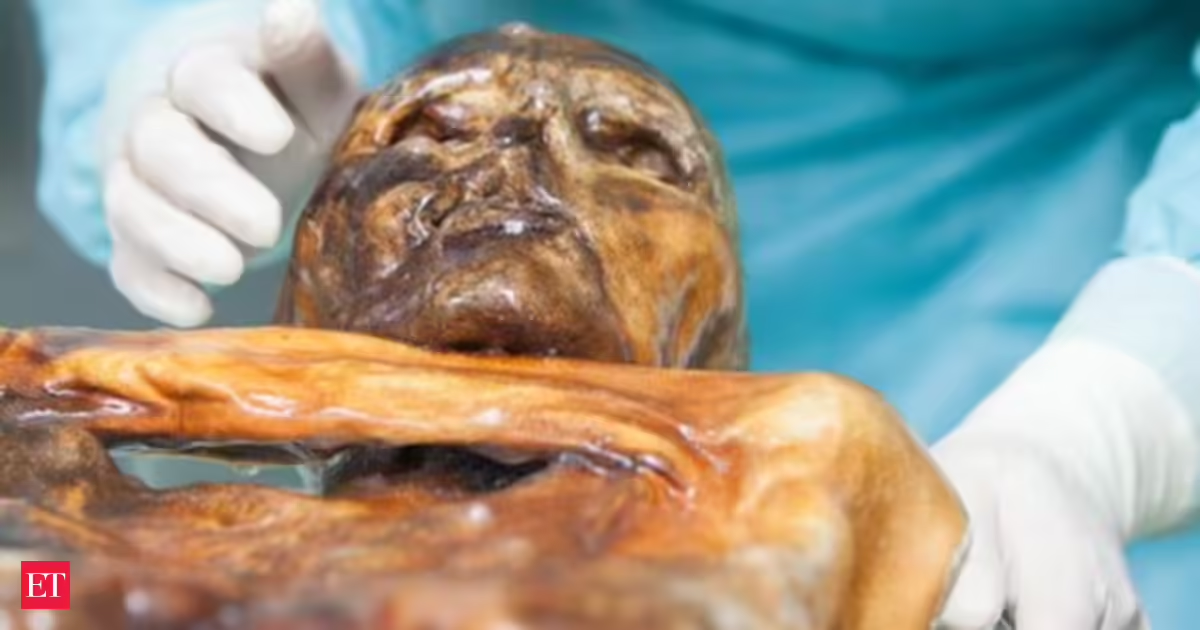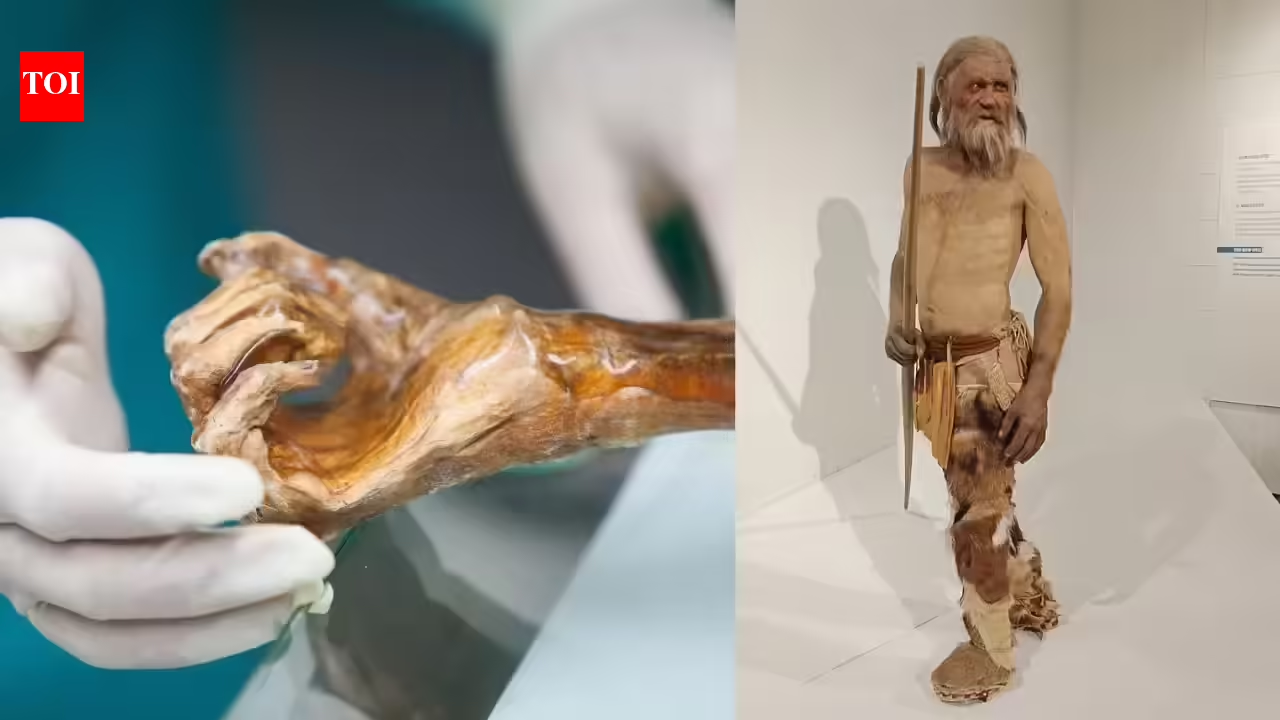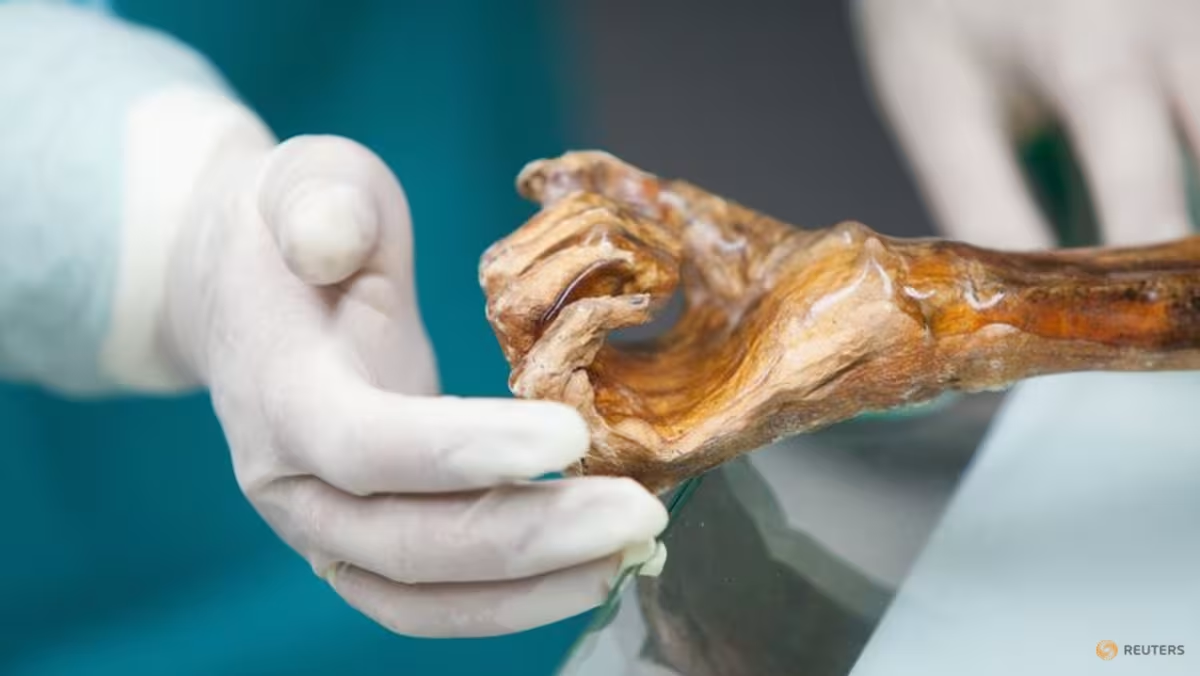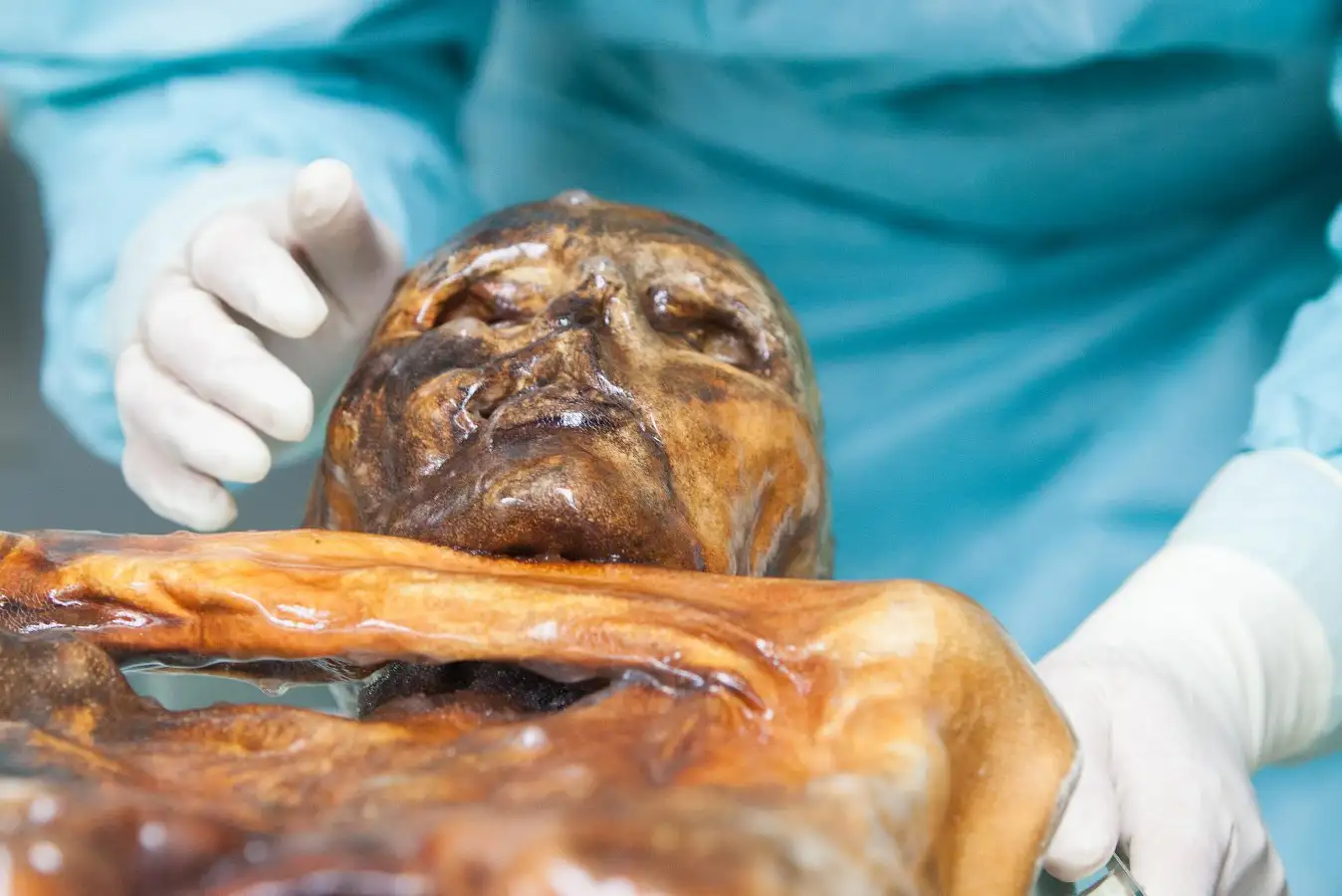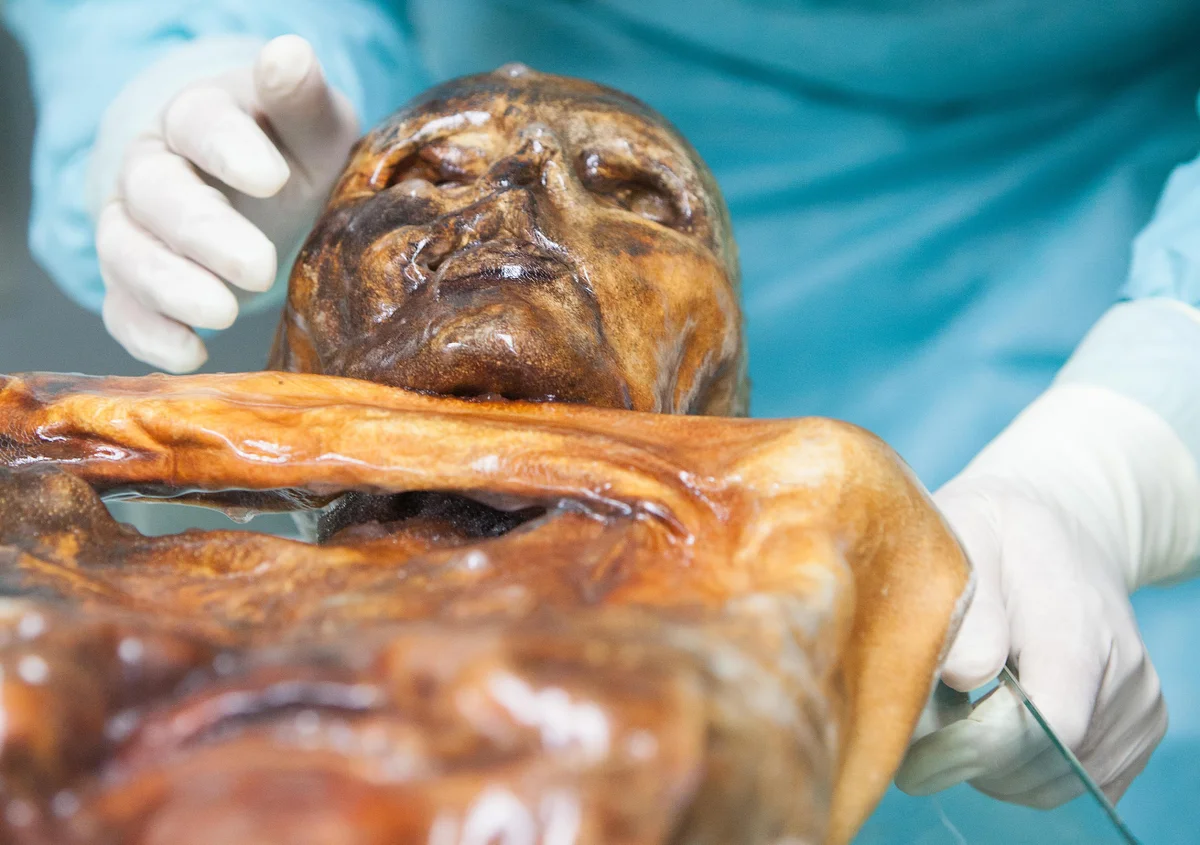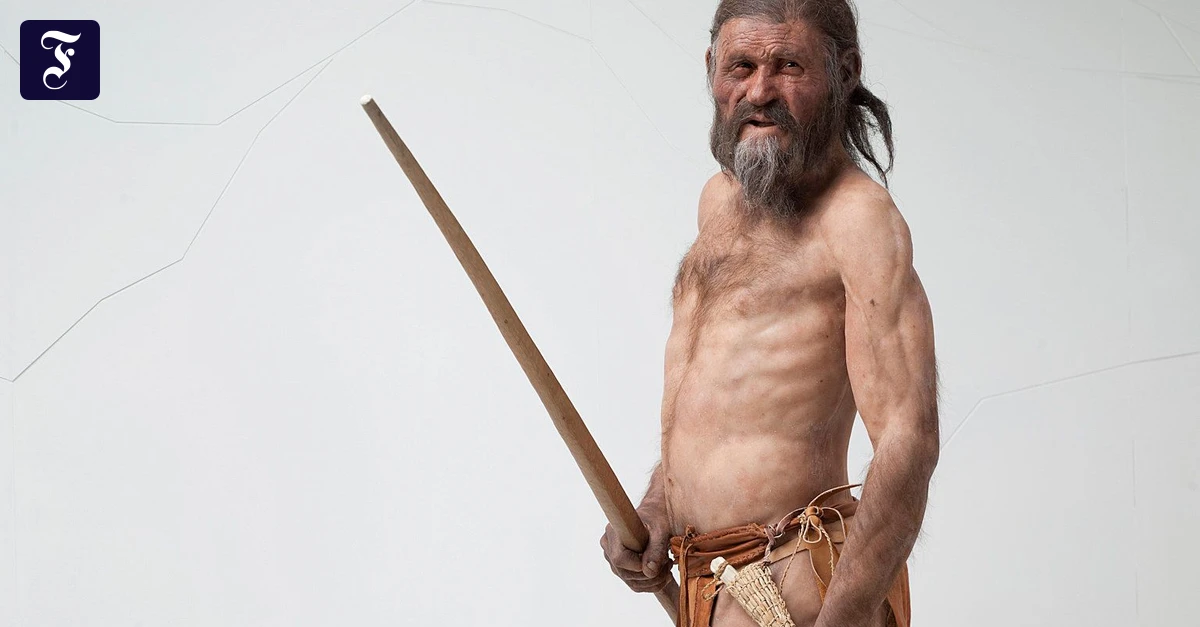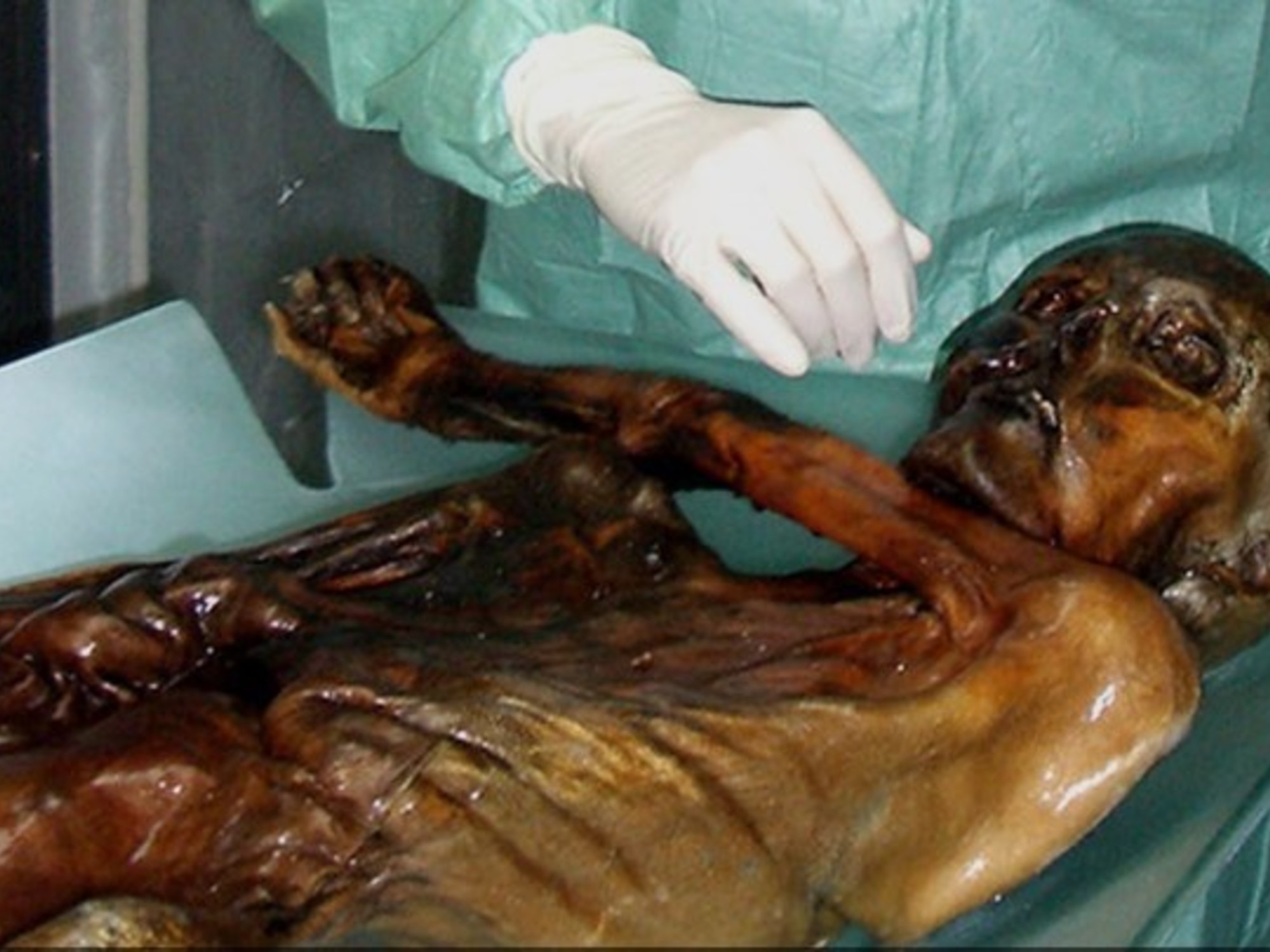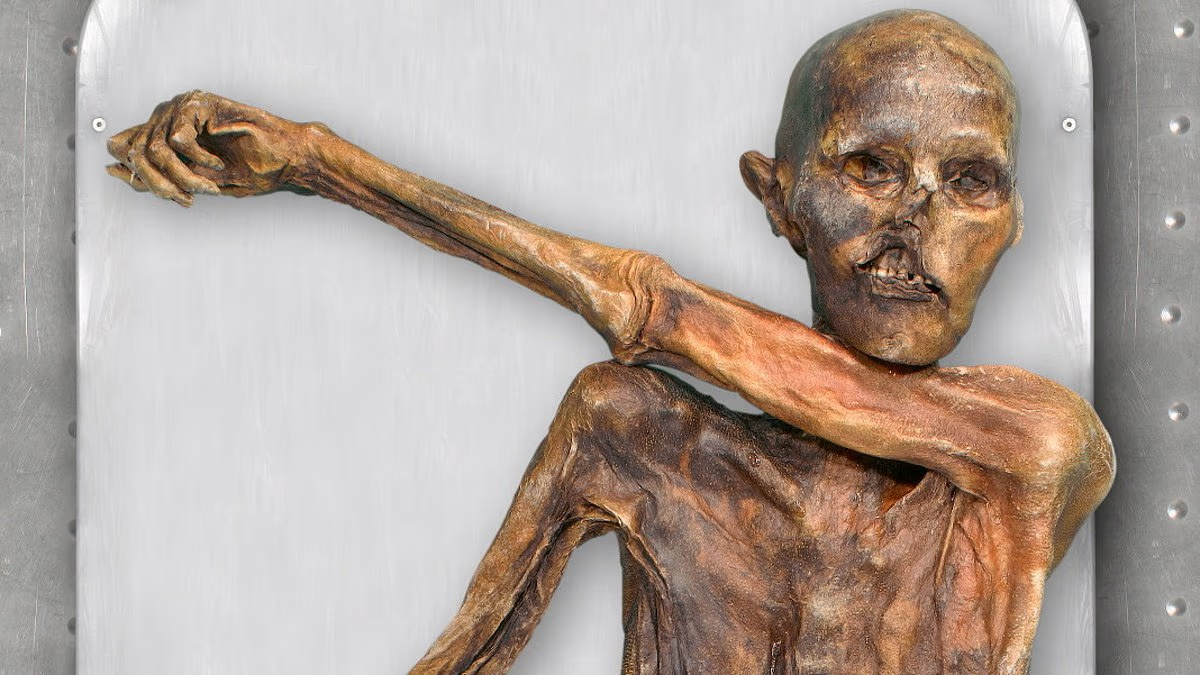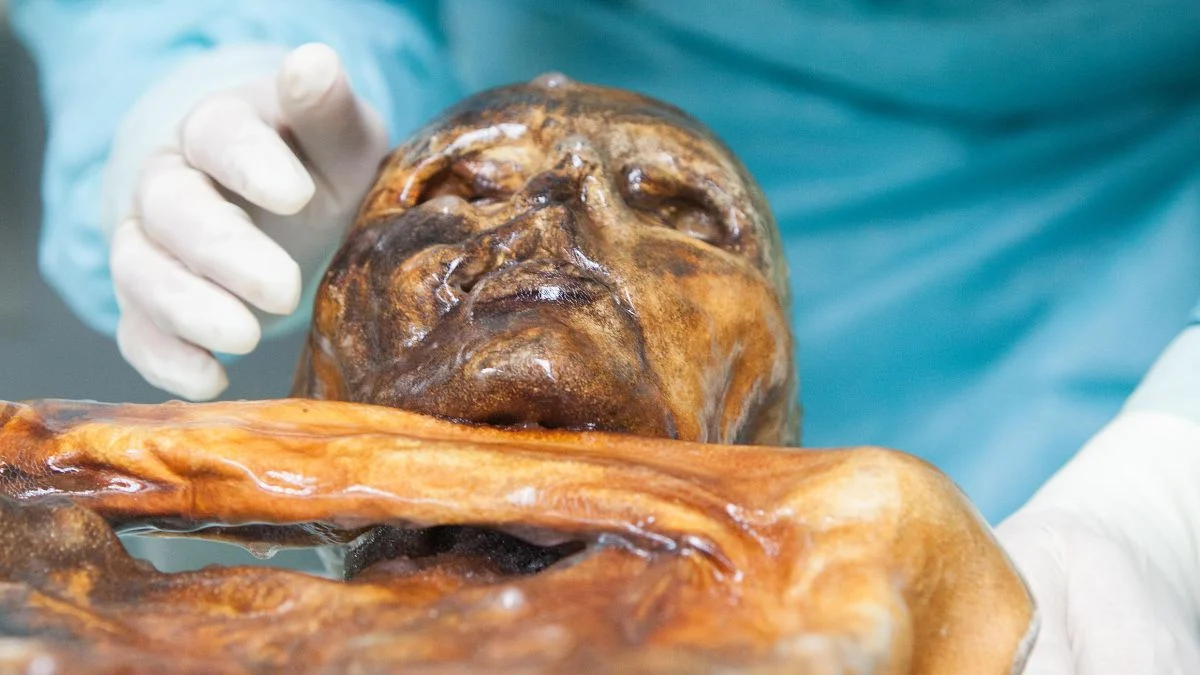
Ötzi the Iceman is about as deceased as an organism can be.
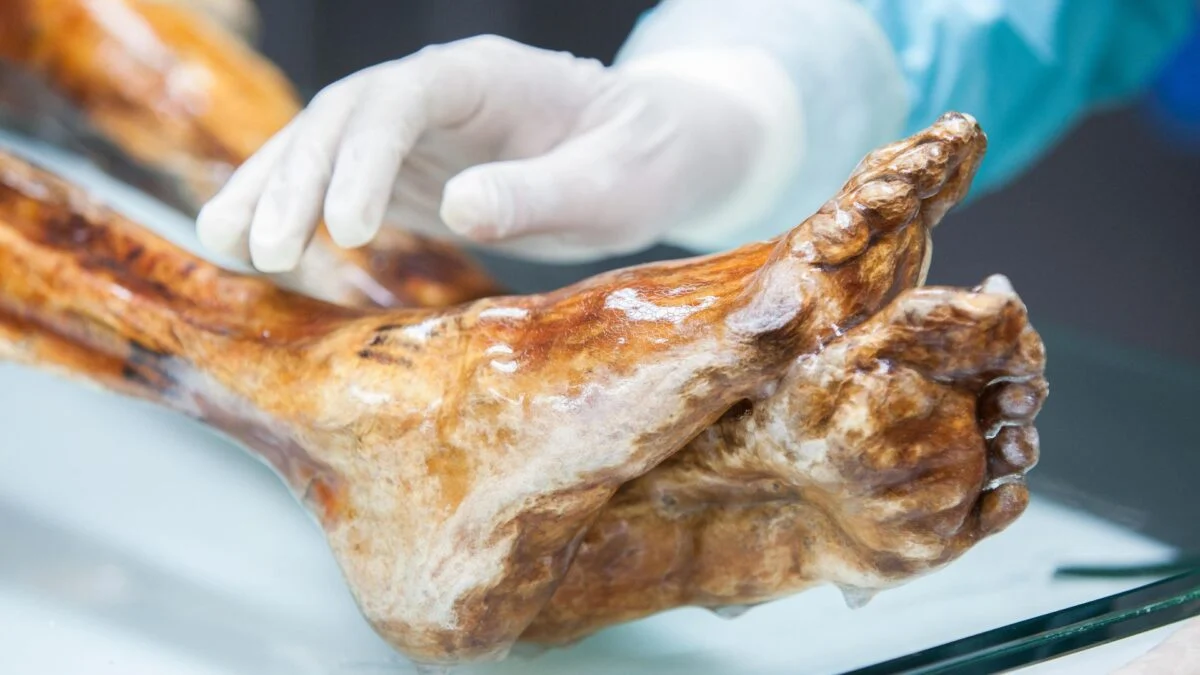
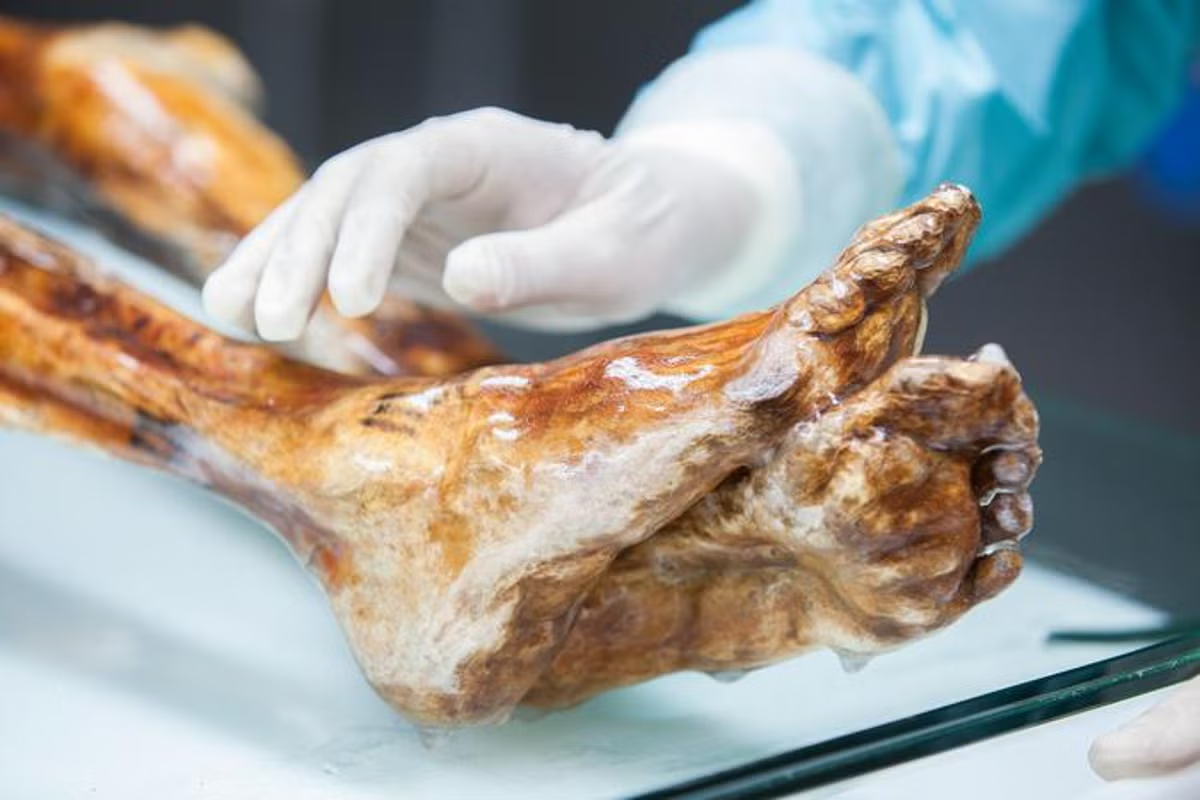
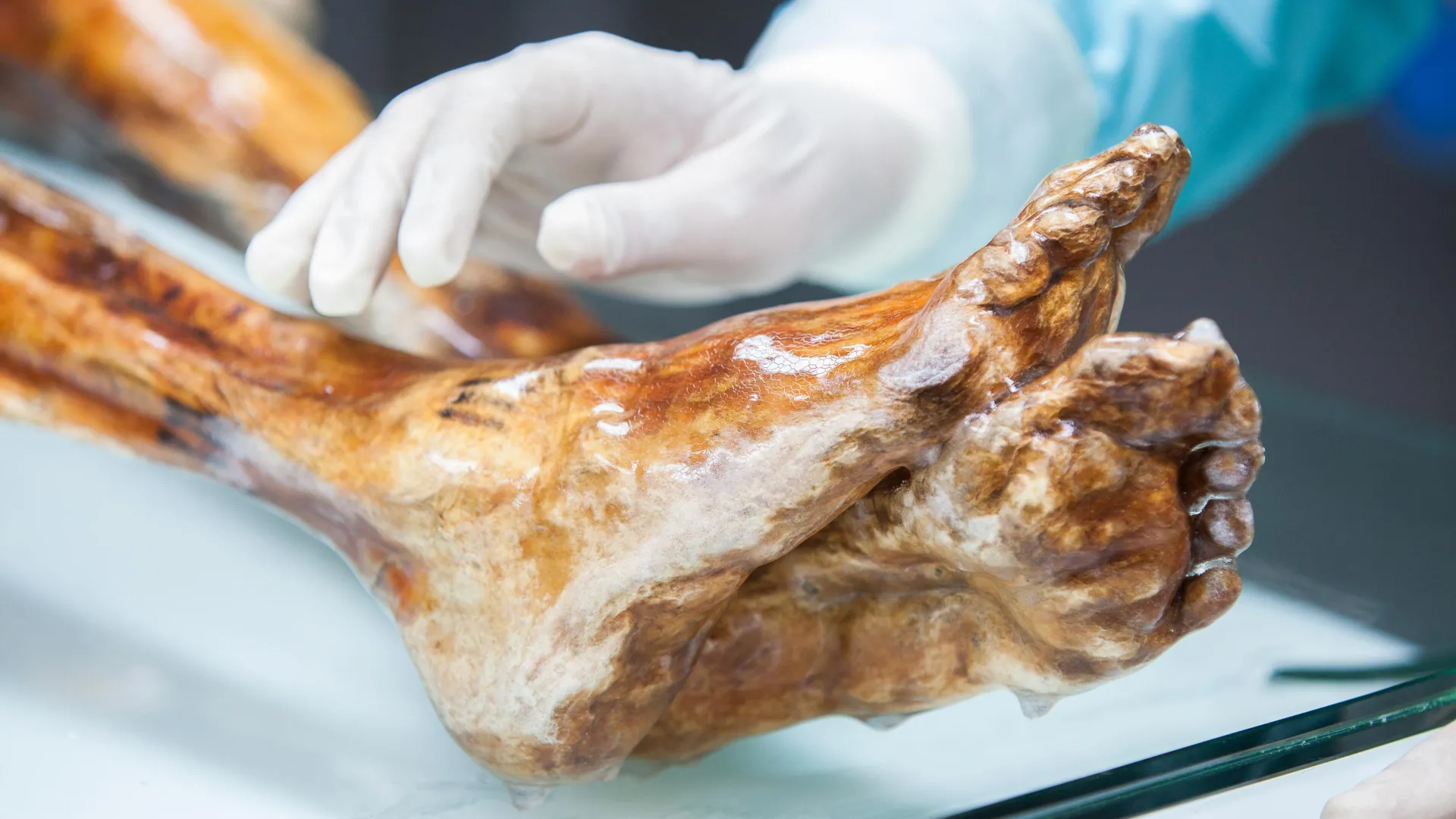
He died 5,300 years ago, his body exquisitely mummified in Italy's glacial Ötztal Alps – one of the oldest and best-preserved human mummies ever discovered.
In the extreme cold of the alpine environment in which he died, microbial activity was suppressed – and, since microbes are the main driver of decomposition, Ötzi did not succumb to its ravages.
But the Iceman's corpse may not have been completely devoid of life.
A new study of the microbes all over his body suggests that some potentially active species may be nearly as old as the mummy himself – while others may have adapted to the conditions of the cold storage where he lies today.