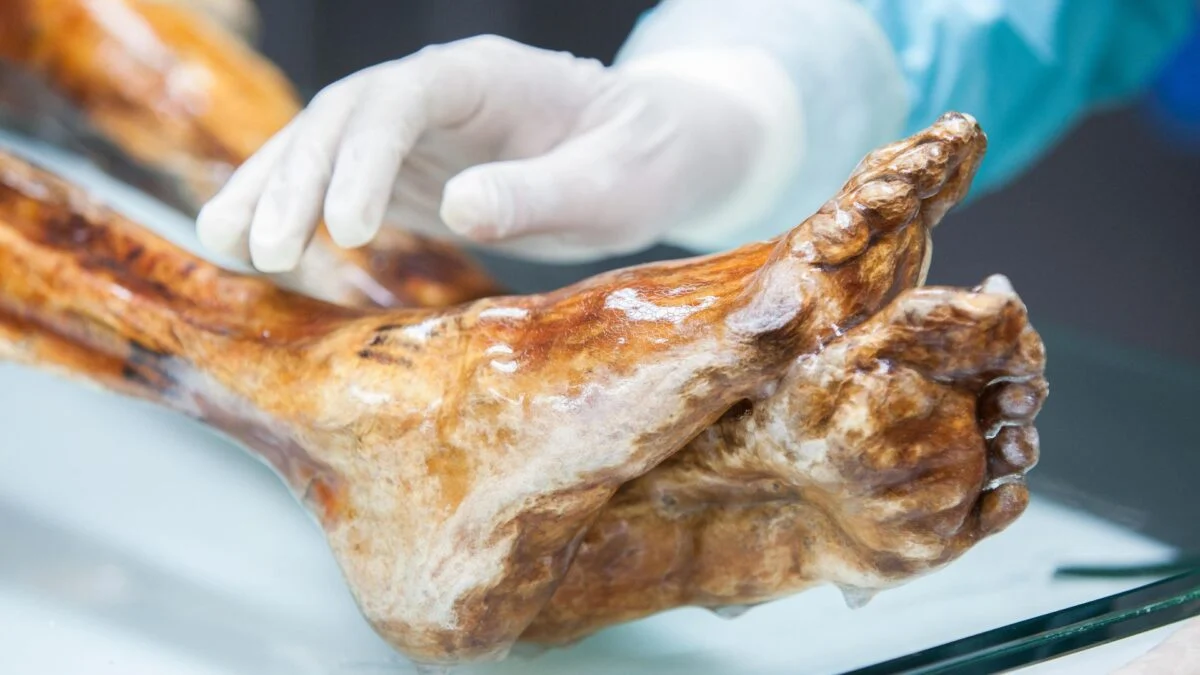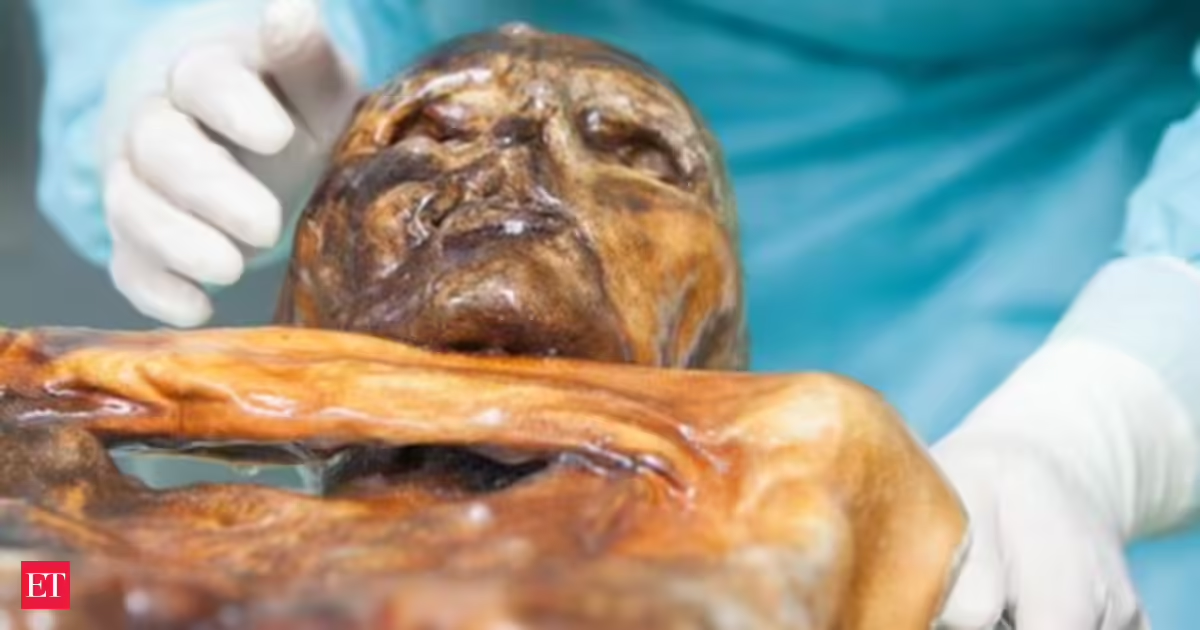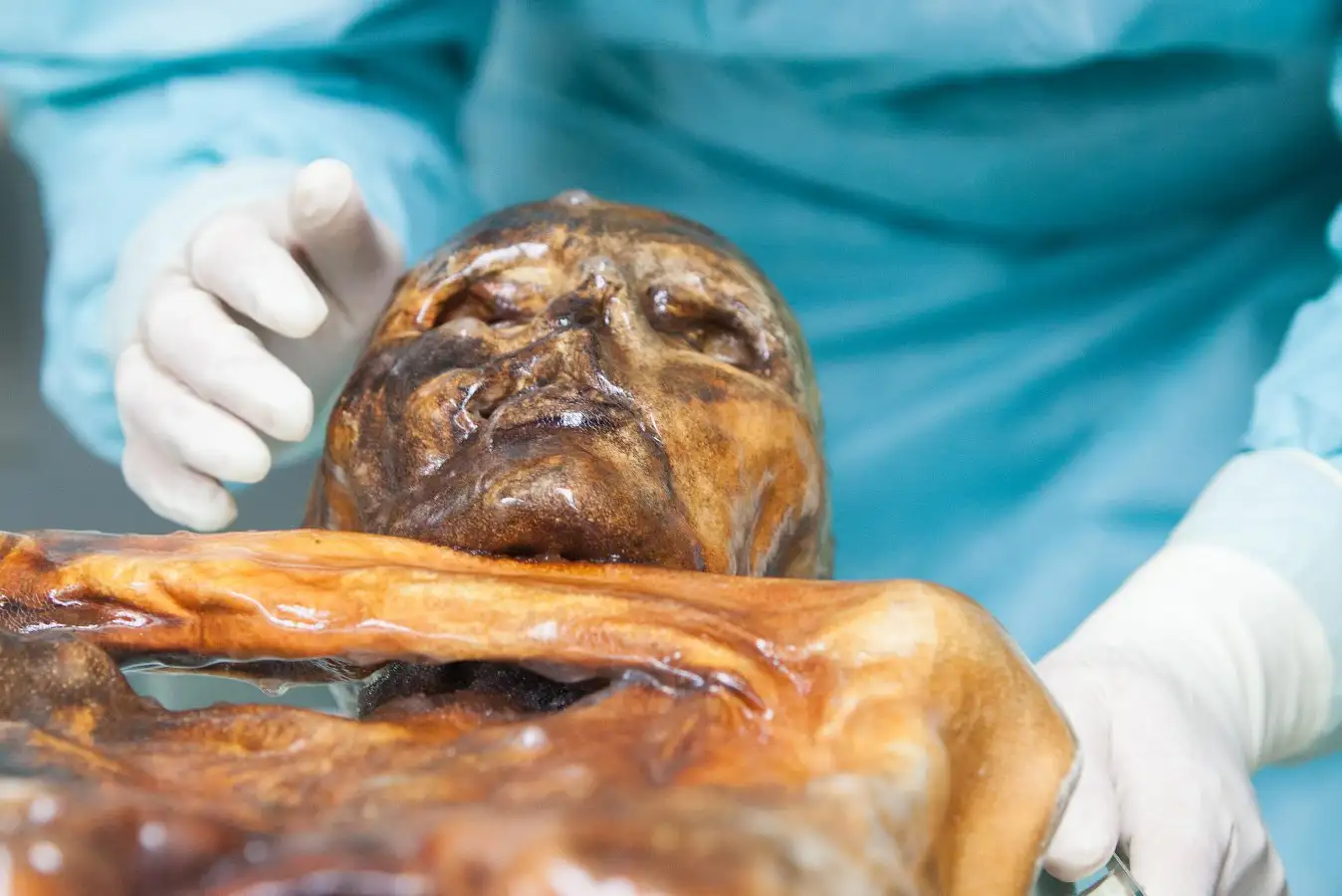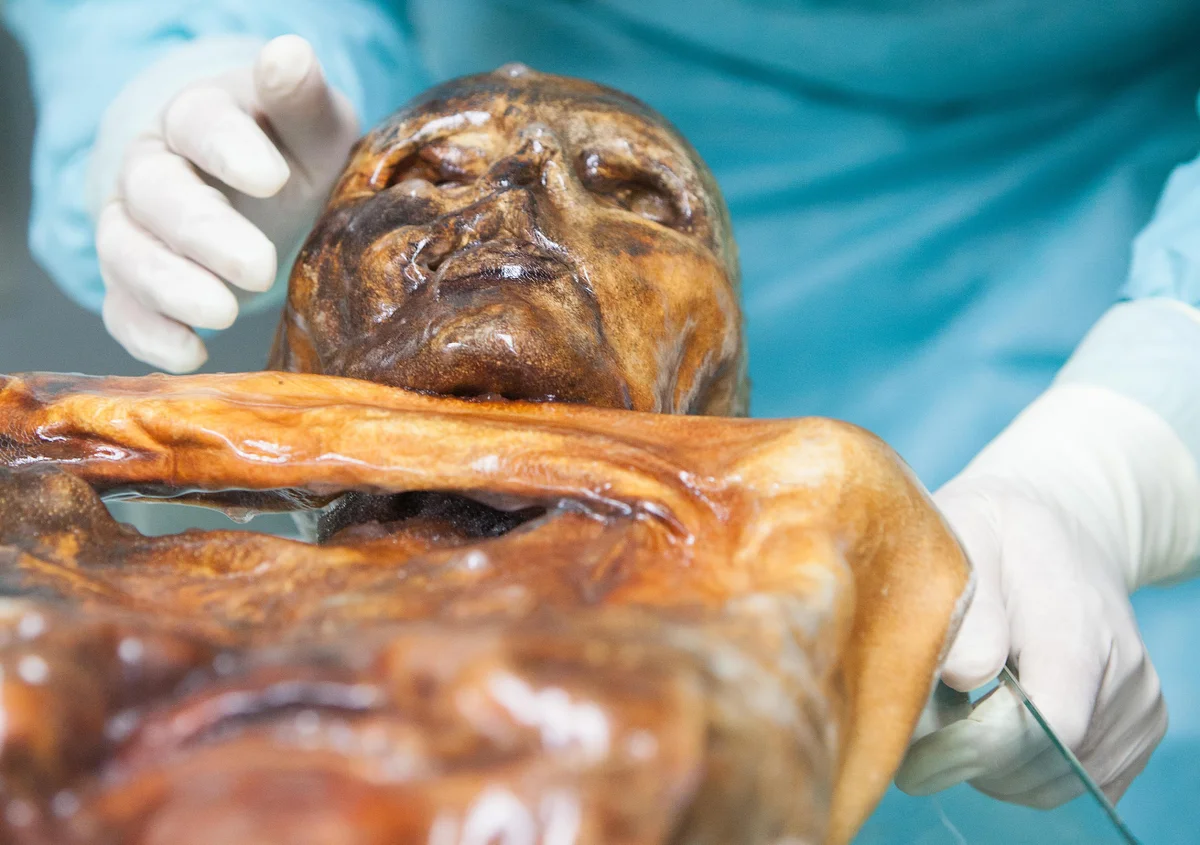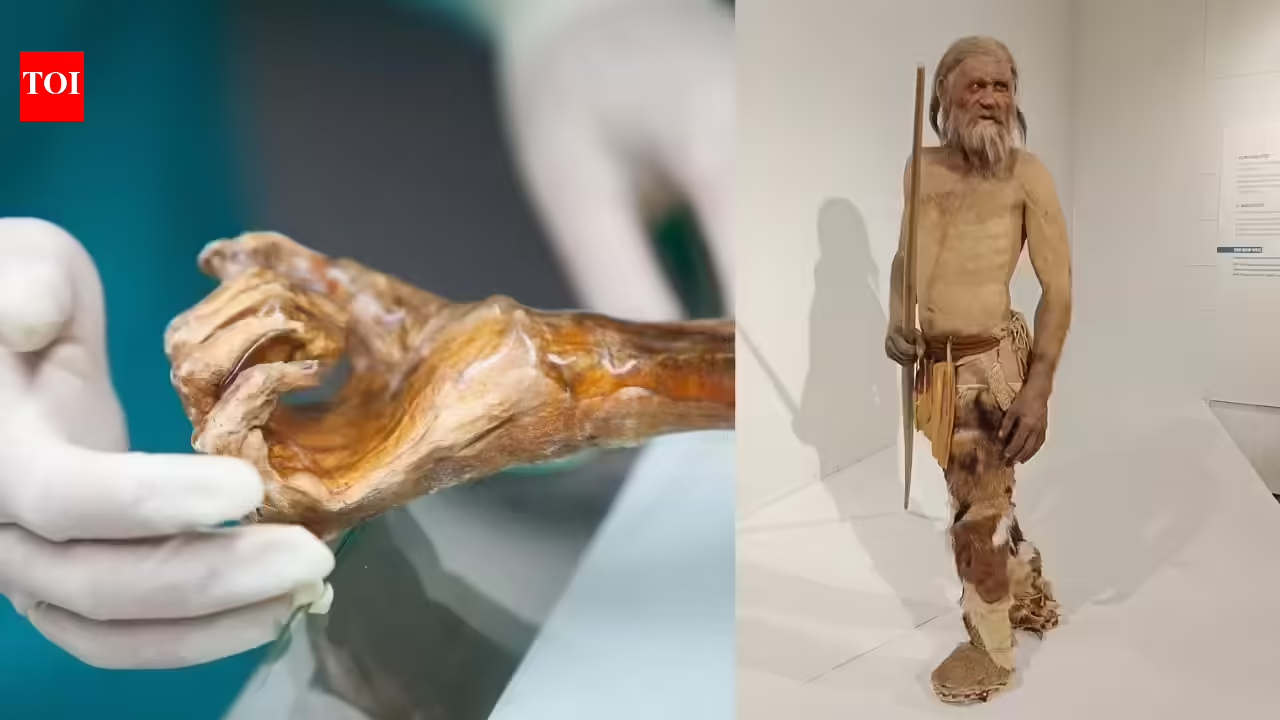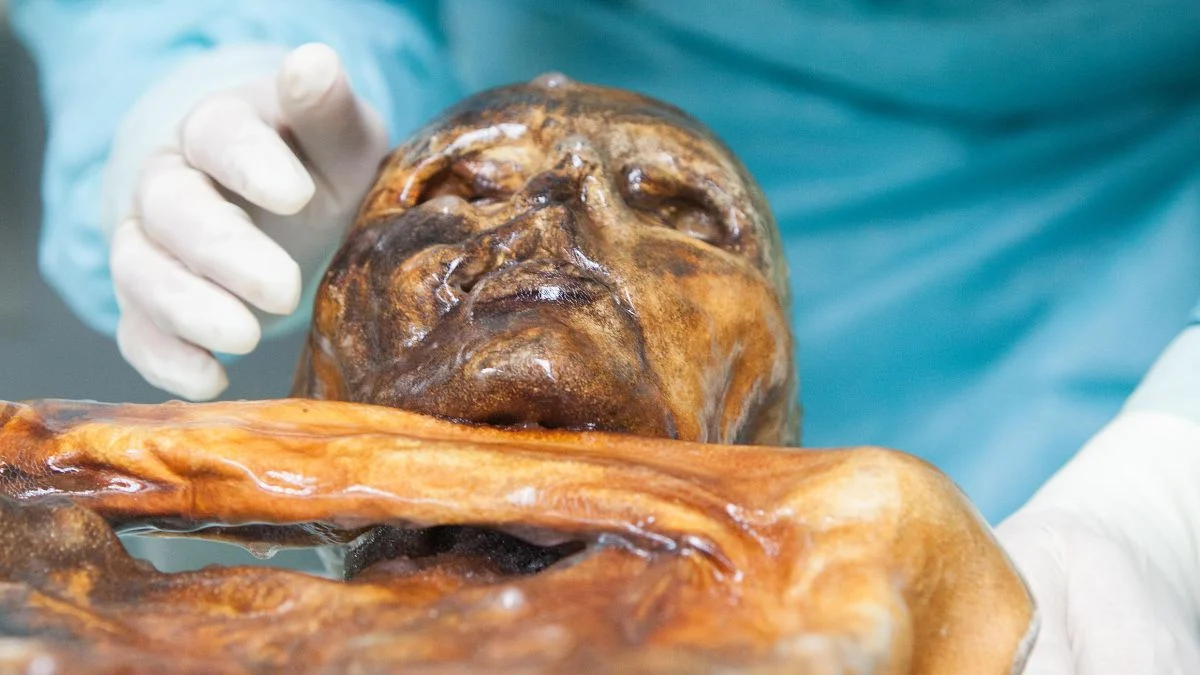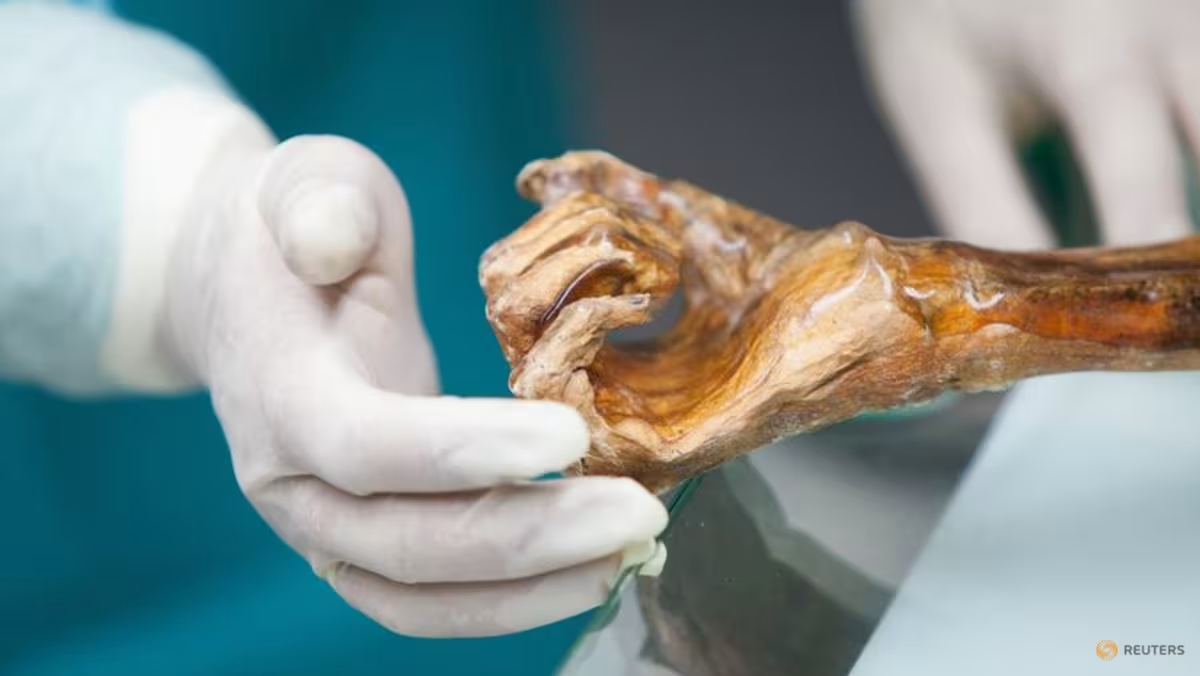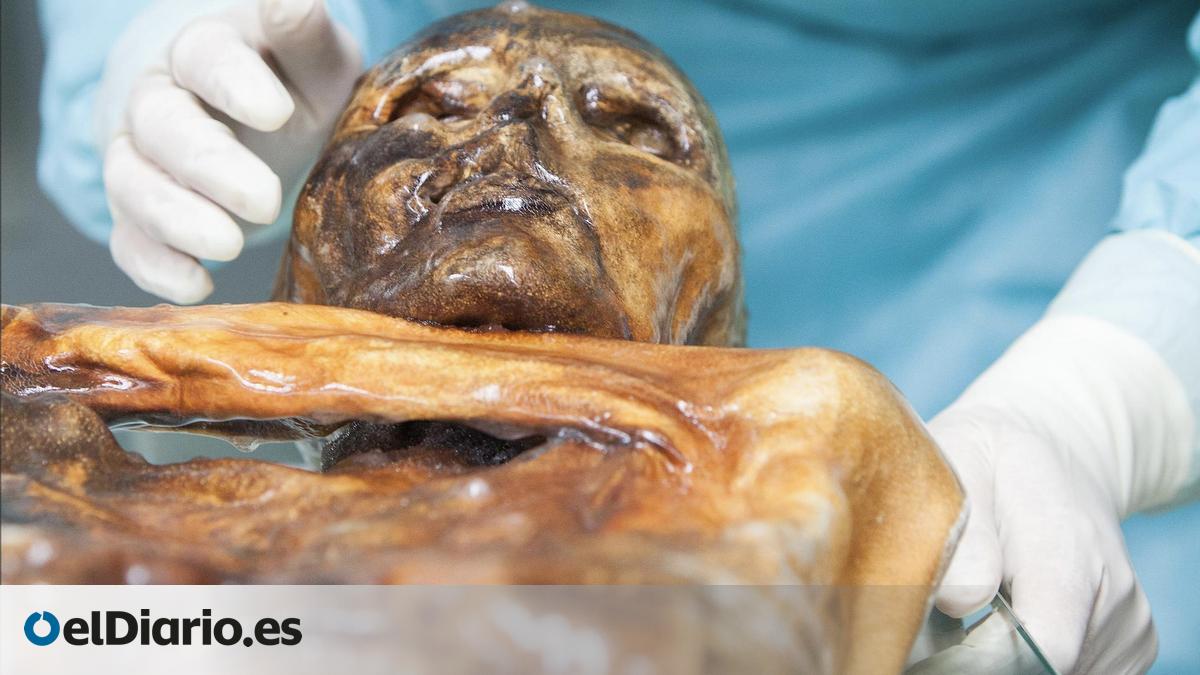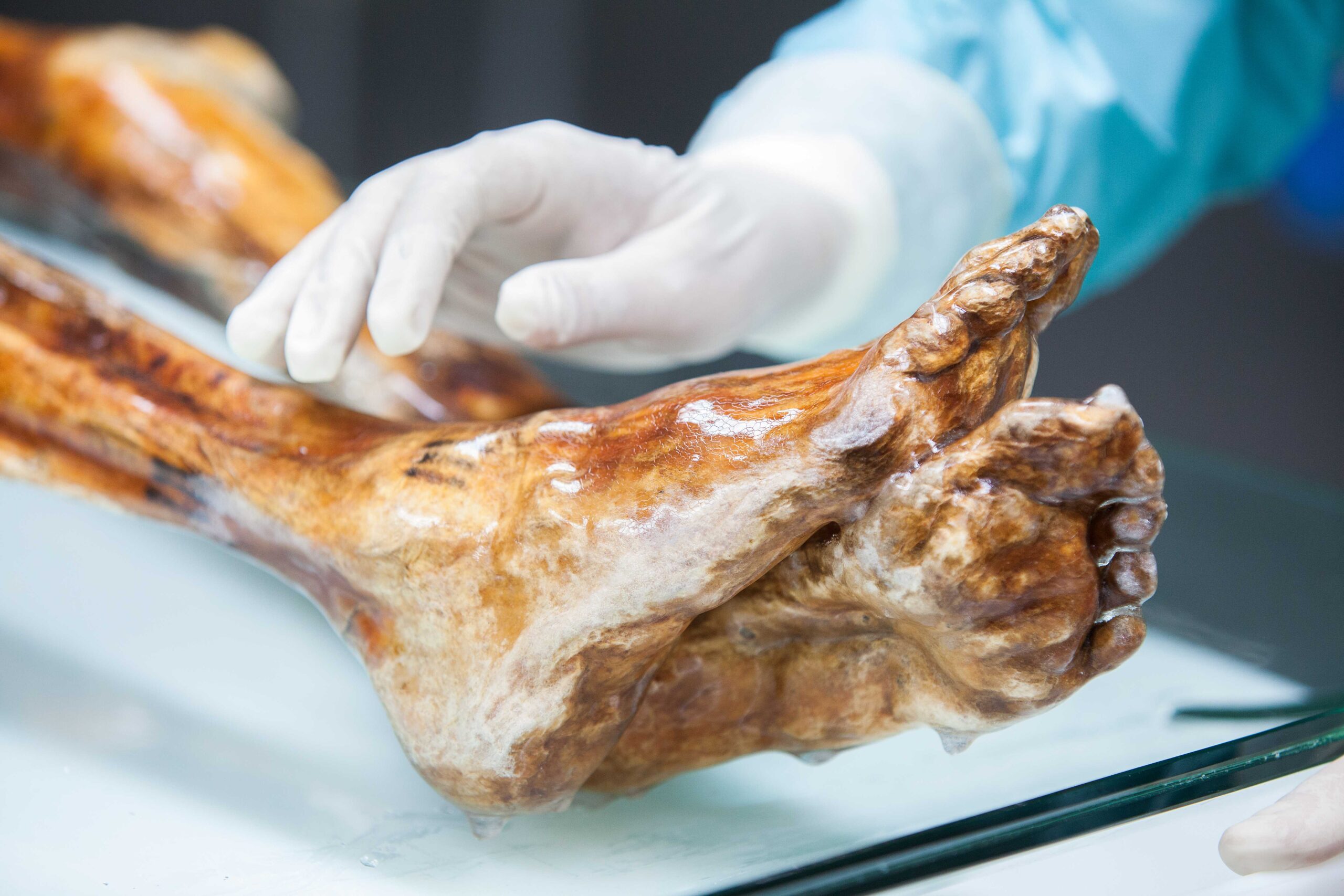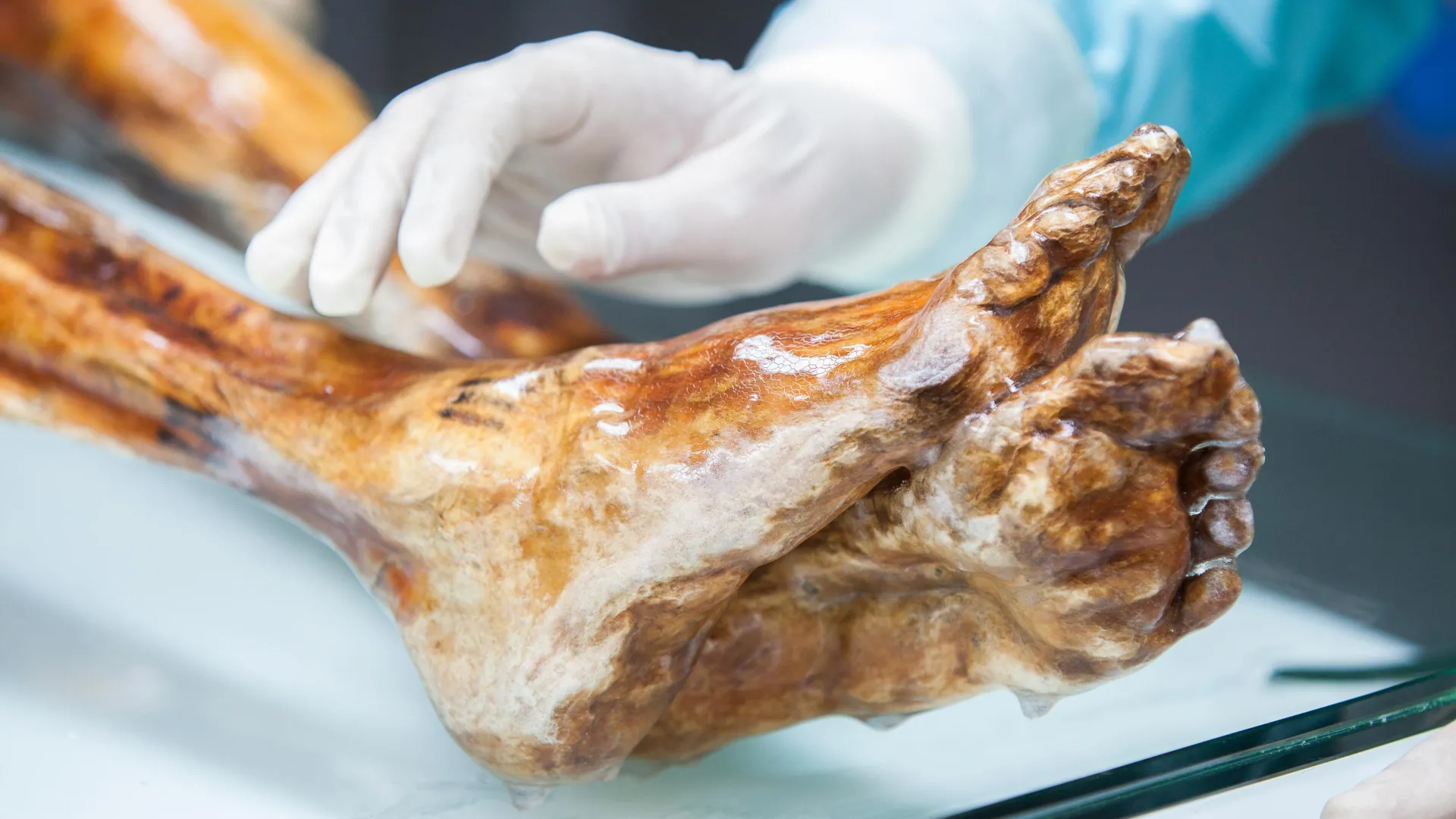
The 5,300-year-old remains of Ötzi the Iceman still contain an active community of ancient and modern-day microbes, a new study has revealed.The mummified remains, discovered in the Ötztal Alps near the Austrian-Italian border in 1991, have been preserved by scientists at -6C to mimic the conditions in which they were found.While Ötzi’s mummy has been extensively studied – revealing insights into the lives of people from the period he died – distinguishing microbes growing on the remains from modern environmental contaminants introduced during conservation has remained a challenge.The Iceman mummy is preserved in a refrigeration chamber at a constant temperature of -6C and a relative humidity of 99 per cent (Eurac Research/South Tyrol Museum of Archaeology/Marion Lafogler)This is because it remains unclear whether the mummy’s storage conditions prevent microbial growth and how they affect the preservation of the remains. To test this, researchers from the University of Trento in Italy analysed the bacteria and fungi found in skin swabs, tissue fragments and internal thawed-water samples from the mummified remains.The scientists then compared these microbes with those found in soil and ice samples collected from the discovery site and preserved in 1991. They found that Pseudomonas bacteria were present across all samples and time points.A community of anaerobic bacteria, primarily comprising members of the Clostridium group, was also present in internal tissue samples from all time points.The researchers found that these bacteria belong to an ancient microbial community originating from the discovery site.Microbiologist Mohamed Sarhan is examining colonies of yeast taken from a sample of Ötzi’s stomach (Eurac Research/Andrea De Giovanni)Four yeasts adapted for cold environments, including Phenoliferia, Glaciozyma, Goffeauzyma, and Mrakia, were also found in samples collected in 2019.Researchers say these could be specimens that revived after the remains thawed, or descendants of those ancient yeasts. One of the yeasts, Glaciozyma, may be metabolically active and capable of replicating under current conservation conditions, they say.The yeasts, which are well adapted to cold temperatures, likely originated from the glacial environment and may hold potential for industrial applications such as low-temperature fermentation, the scientists say.Microbiologist Mohamed Sarhan examining the yeast cells under a microscope (Eurac Research/Andrea De Giovanni)Some of the microbes found in Ötzi were found to contain genes required to degrade phenol, a disinfectant historically used to preserve the remains.However, scientists are not yet sure whether the microbes could damage the mummy as a whole.“The Iceman mummy is not a static artefact but a dynamic ecosystem of living archive where ancient glacier-derived microbes and modern contaminants coexist under museum conditions,” researchers wrote in the study published in the journal Microbiome.The latest study also suggests that while the current preservation approach suppresses the growth of most microbes, it may also sustain some organisms capable of thriving under conservation conditions.“These findings underscore that maintaining strict environmental parameters is essential to prevent these specialised microbial communities from transitioning from latent persistence to active microorganisms,” scientists wrote.Ötzi was found frozen in a glacier in the Alps by hikers in 1991, along with his clothes and tools. Because his body was so well preserved, scientists have been able to learn a great deal about how people lived during the Copper Age.Austrian journalist Karl Wendl gave the mummy the nickname “Ötzi” because he wanted a catchy name. The nickname comes from the Ötztal Alps, where the mummy was discovered, according to the South Tyrol Museum of Archaeology website.
There’s something still living inside Ötzi the Iceman
Mummified 5,300-year-old body is actually host to a dynamic ecosystem, researchers say
561 words~3 min read