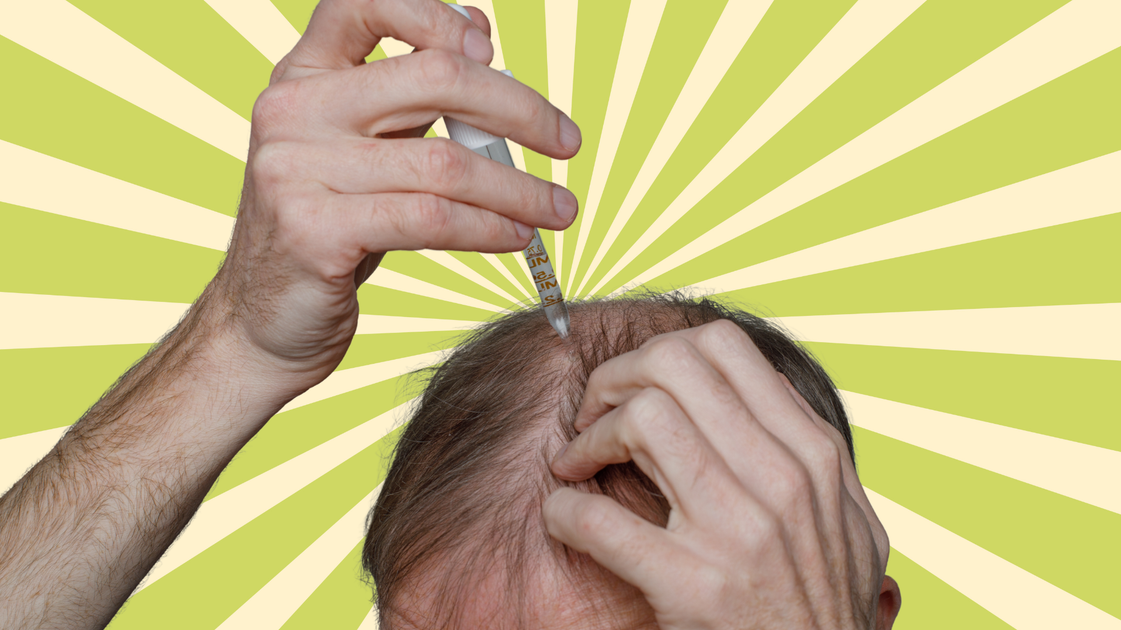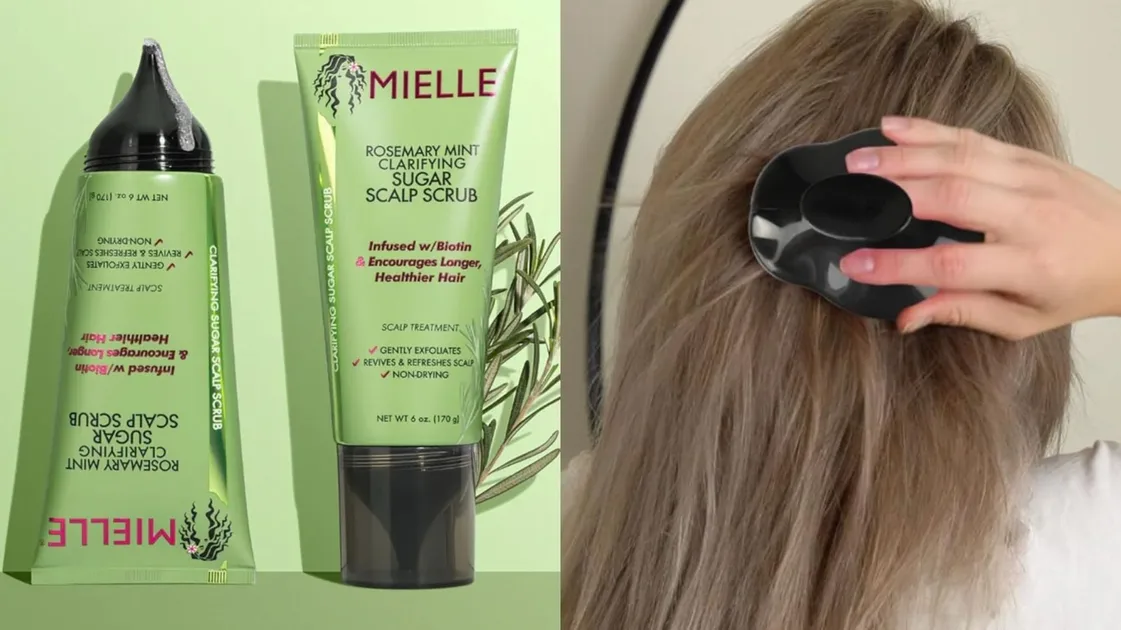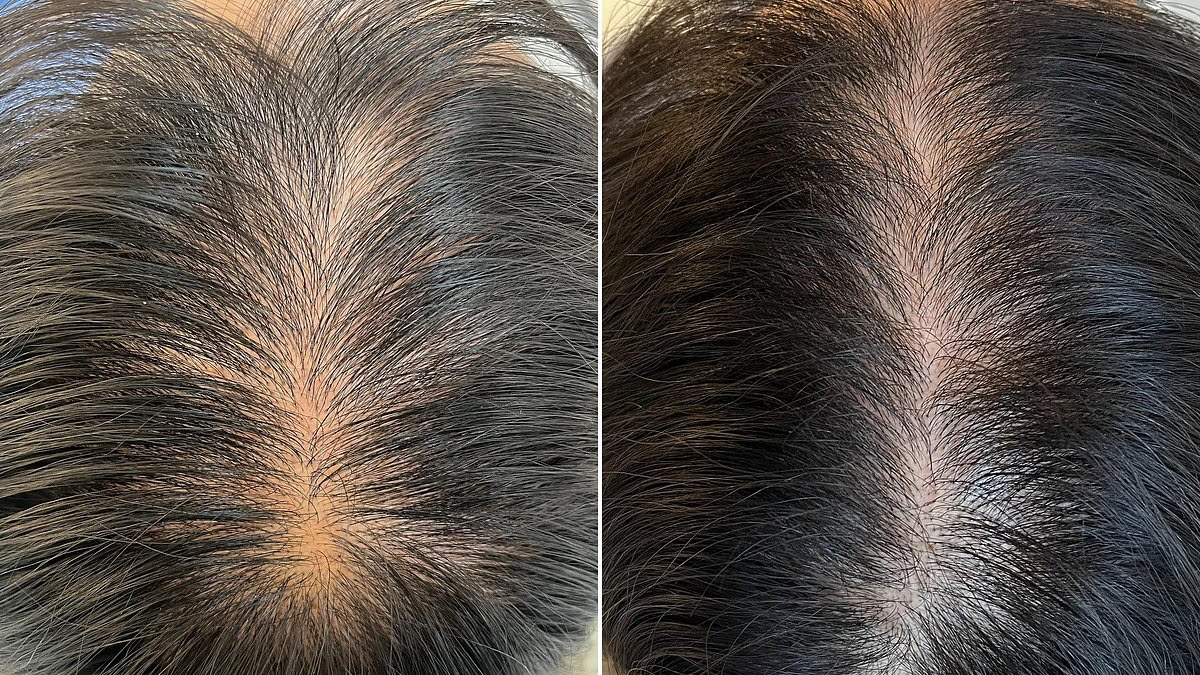
Many people choose hair products after reviewing online feedback, often starting a new treatment without much hesitation . But in a few weeks, people can notice some unexpected changes — more shedding, an itchy scalp, or hair that feels drier than before. These side-effects sometimes can be confusing, especially when you were hoping for the opposite result.Understanding these reactions can alleviate concerns and guide future choices, as responses vary based on individual scalp conditions and product ingredients.Understanding why these side effects occur can reduce unnecessary concern and help inform future decisions .Why hair treatments affect more than just your hairYour scalp is skin, sensitive, living skin with follicles, sebaceous glands, and its own microbiome. When you apply any treatment — whether it's a chemical straightener, a minoxidil solution, or even a heavily marketed "natural" oil blend — you're introducing something new into that environment.The scalp's reaction depends on a few things: your skin sensitivity, the concentration of active ingredients, how often you use the product, and whether your scalp already has any underlying issues like dryness or dandruff. This is why two people can use the same product and have completely different experiences.Shedding after starting a treatment — Is it normal?A common concern among individuals beginning a new hair treatment is an initial increase in hair shedding. This effect can be unexpected, as the primary objective of the treatment is to reduce hair loss .What's often happening is called a "purge" or, more clinically, a telogen effluvium-type response. When a new ingredient — especially something like minoxidil — speeds up the hair growth cycle, it pushes hairs that were already in their resting phase out faster. These hairs were going to fall anyway, but the treatment accelerated the timeline.This shedding phase usually settles within 6 to 8 weeks. But if it continues beyond that, or if it's accompanied by scalp irritation, people need to understand the reason behind it. Understanding what's behind your hair loss in the first place often matters more than switching from one product to another.Scalp irritation, dryness, and itchingThese are among the most commonly reported side effects across different treatment types — from medicated shampoos to topical serums.A few reasons this happens:Sulfates and preservatives in shampoos strip the scalp's natural oilsAlcohol-based serums can cause dryness and flaking when used too frequentlyCertain antifungal ingredients (like ketoconazole) can occasionally cause contact dermatitis in sensitive individualsChemical treatments like relaxers or keratin straightening break down the hair shaft's protein structure, often leaving the scalp raw or tenderIf your scalp is chronically irritated, continuing the treatment without addressing the irritation can sometimes damage follicles over time. When "natural" doesn't mean risk-freeWhile herbal or Ayurvedic treatments are often assumed to be entirely safe, plant-based oils and extracts can cause adverse reactions, particularly in highly concentrated forms . .Onion juice, a home remedy, can cause stinging and redness in people with sensitive scalps. Certain essential oils — like peppermint or tea tree — need to be diluted properly or they can cause chemical burns. Even protein treatments can make hair brittle and prone to breakage if used too often on already-coarse or low-porosity hair.How to respond to side effects without panickingMost mild side effects — some initial shedding, minor dryness, occasional itching — tend to resolve on their own once your scalp adjusts. Here's a grounded way to respond:Give a new treatment at least 6 to 8 weeks before making a judgmentReduce frequency of application if irritation appears earlyAvoid layering multiple active treatments at the same timeKeep a simple log of what you're using and any changes you noticeIf you develop persistent redness, pain, or visible scalp damage, stop the treatment and consult a dermatologistSome brands, such as Traya Side Effects, potential side effects openly by explaining what users might experience and why. This is an important factor to consider when evaluating hair health products .Final thoughtsResponses to hair treatments vary by individual, and side effects often serve as an important indicator that requires attention rather than continuation of the treatment . The most useful thing you can do is understand the mechanism behind what's happening rather than immediately switching to the next trending product.Healthy hair generally follows healthy scalp conditions and good internal health. If you find yourself cycling through treatments without real results, it may be time to look at what's actually causing the problem rather than just treating the surface.Note to the Reader: This article is part of Hindustan Times' promotional consumer connect initiative and is independently created by the brand. Hindustan Times assumes no editorial responsibility for the content.
Common side effects of hair treatments explained
Understanding scalp reactions and treatment effects can reduce concerns, healthy hair depends more on scalp conditions and internal health.
TL;DRAI
Hair treatments cause side effects—shedding, irritation, dryness—via ingredient reactions and telogen effluvium accelerating hair cycles. Distinguishing normal adjustment from incompatibility guides whether to reduce frequency, wait 6-8 weeks, or consult dermatology versus switching products.
760 words~3 min read