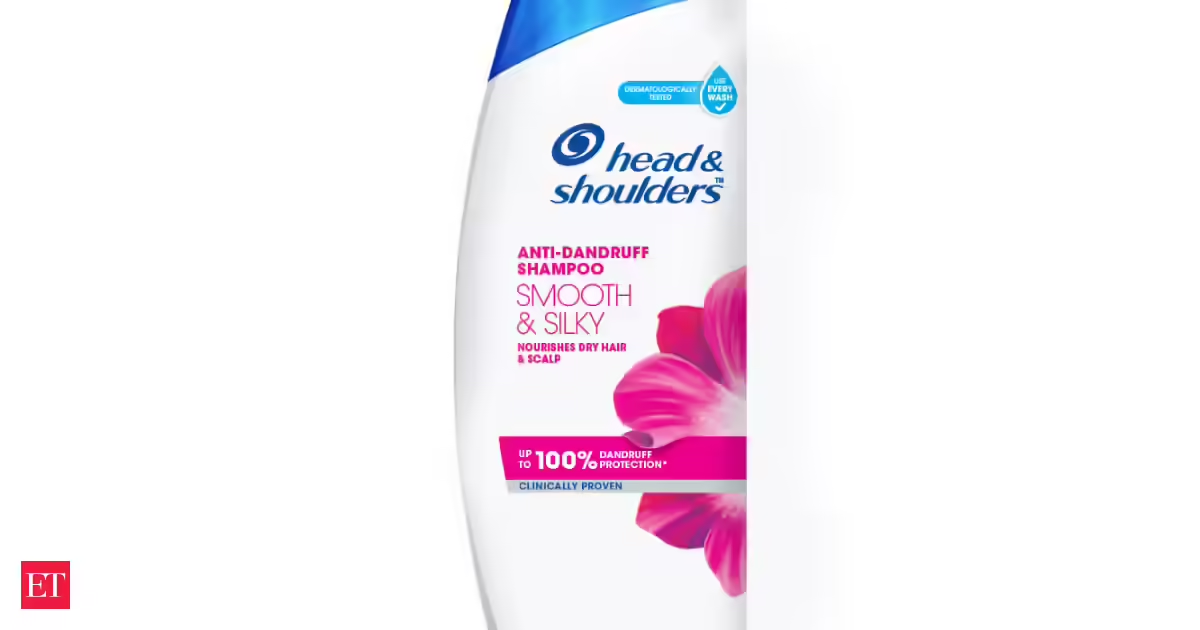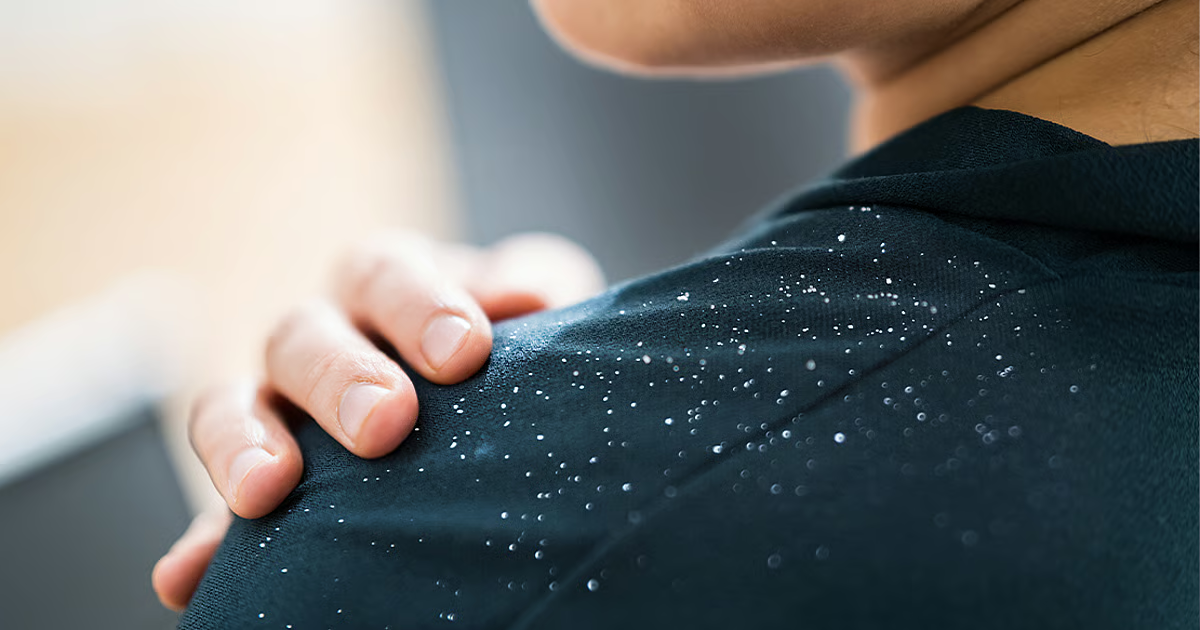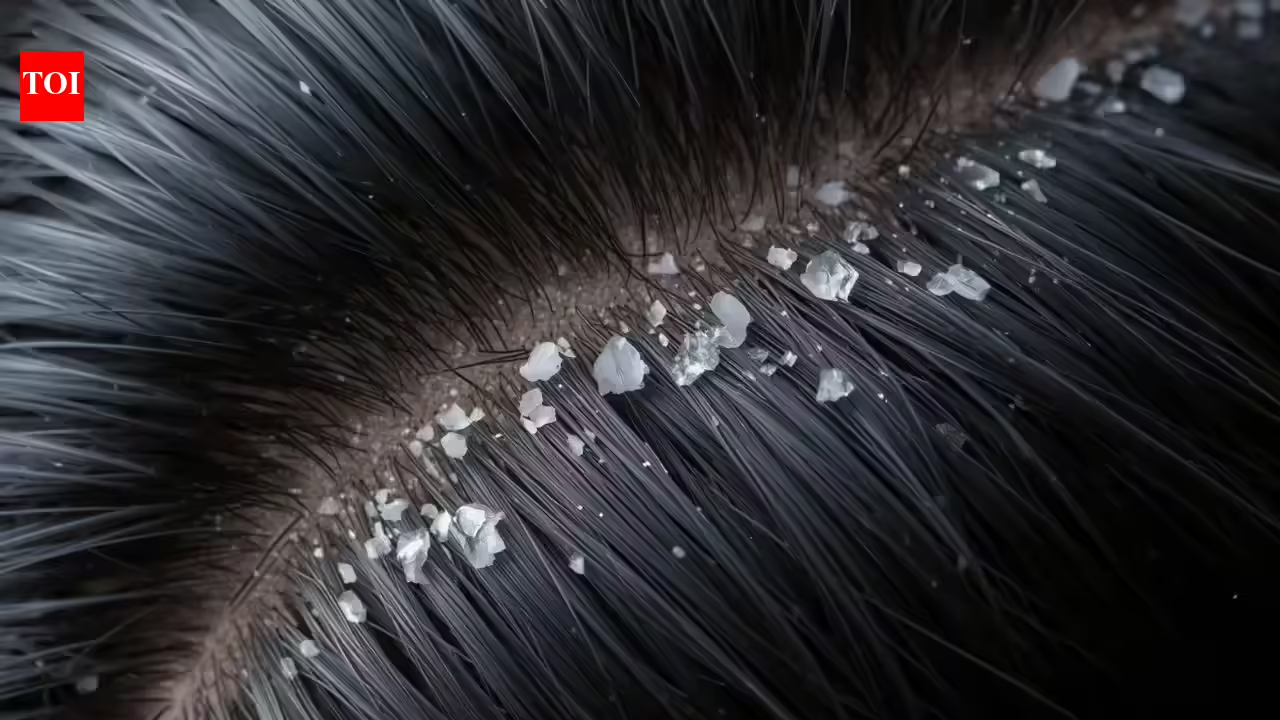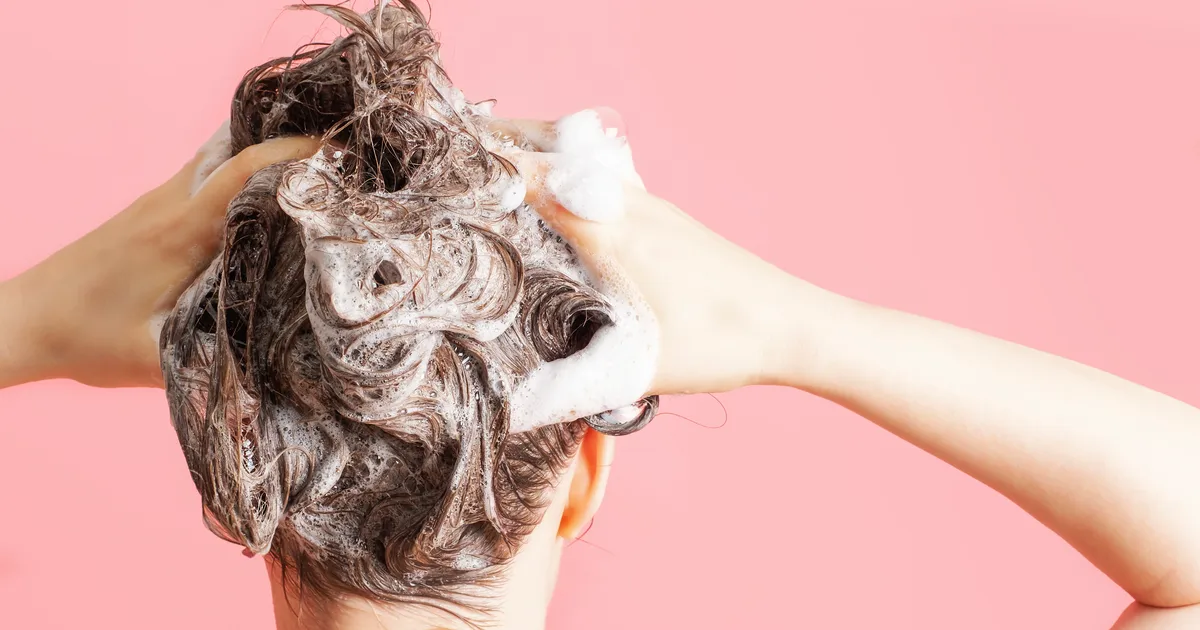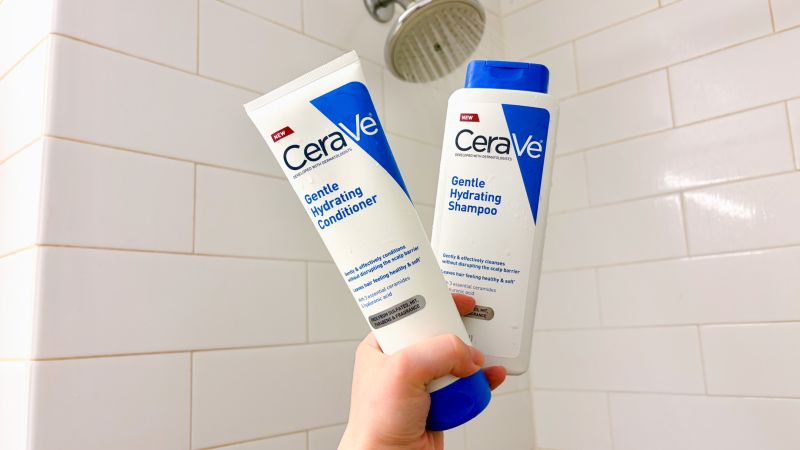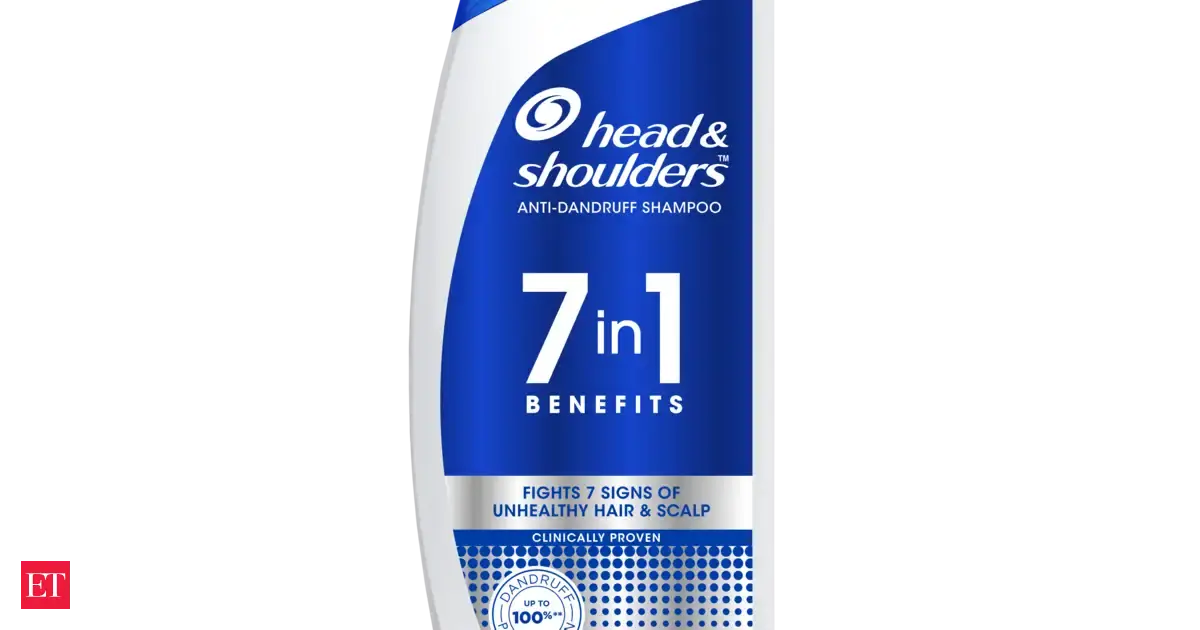
It’s common knowledge that washing your hands cleans the surface but doesn’t treat an infection underneath the skin. The same logic applies to your scalp. A regular shampoo, however good, is primarily designed to cleanse the hair shaft. It removes dirt, product buildup, and surface oil. What it typically doesn't do is address the scalp environment at a deeper level.For those who experience dandruff, this distinction matters a lot.Dandruff is not a hair problem. It originates on the scalp. Specifically, in the relationship between scalp oils, a naturally occurring yeast called Malassezia globosa, and your body's response to it. When this balance is disrupted, the scalp becomes irritated, skin cells turn over faster than they should, and the result is the flaking, itching, and discomfort we recognise as dandruff.Unless a shampoo is specifically formulated to address this scalp-level imbalance, it may clean the hair but leave the actual cause untouched, which is why so many people find themselves dealing with the same problem quite often. Around 70% of Indians experience dandruff, yet only 20-30% use an anti-dandruff shampoo.ET SpotlightWhy dandruff keeps coming backOne of the most common frustrations people have with dandruff is that it seems to return no matter what they try. They switch shampoos and wash more frequently, and still the flakes reappear. That’s because they’re treating the symptom, not the cause.Malassezia globosa is a permanent resident of the human scalp. It doesn't go away when you wash your hair with just any shampoo. It goes away or at least becomes manageable when you use a shampoo with ingredients specifically designed to control its growth. Without such targeted action, the fungus continues to thrive, irritates the scalp barrier, and still triggers the cycle of flaking.A regular cosmetic shampoo isn't built to do this. Switching between regular shampoos in the hope of finding one that works is unlikely to break the cycle because the problem isn't which shampoo you're using, it's that you need an anti-dandruff formulation with the right active ingredient.That ingredient is Piroctone Olamine. It's clinically proven to work against Malassezia globosa, penetrating up to five layers deep into the scalp to treat the root cause rather than masking it at the surface.Not all dandruff is the sameDandruff doesn't always present the same way in everyone. The type of dandruff you have can change how you should approach treating it. There are two main types you're likely to encounter:Dry dandruff: The kind of dandruff most people picture when they hear the word. These are fine, white or off-white flakes that tend to fall freely and show up on dark clothing. The scalp may feel slightly tight or dry, and itching is mild to moderate. Dry flaky dandruff is often confused with scalp dryness caused by the weather or over-washing, but even a dry-feeling scalp can have active Malassezia-related irritation driving the flaking. Moisturising shampoos may offer temporary comfort, but they won't stop the flaking at its source.Oily dandruff: This one tends to be more stubborn. Instead of falling off, these flakes stick to the scalp, clumping together with excess oil and sweat into waxy patches that can be felt when you run your fingers through your hair. Your scalp feels greasy hours after washing. The flakes may appear yellowish and cling to the nails when you scratch. This type of dandruff is frequently misread as a hygiene problem, when in fact it's the combination of excess sebum and the Malassezia activity driving it, and it needs specific treatment.The right shampoo for your scalpOnce you understand what's actually happening on your scalp, the choice of product becomes clearer. If you're dealing with oily sticky dandruff, you need a shampoo that combines antifungal action with deep-cleansing capability. When it comes to anti-dandruff care, Head & Shoulders is one of the trusted shampoo brands. The Head & Shoulders Deep Cleanse Anti-Dandruff Shampoo in particular is formulated with both Piroctone Olamine and oxygenated charcoal. The charcoal absorbs excess oil and buildup without stripping the scalp of essential moisture, while Piroctone Olamine targets the fungal cause of dandruff up to five layers deep. It's clinically proven to deliver up to 100% protection from oily, sticky dandruff with regular use.If you're dealing with dry, flaky dandruff and want a solution that also cares for your hair, the Head & Shoulders 7-in-1 range brings together anti-dandruff action with conditioning benefits, tackling dandruff at the root while leaving hair smoother and more manageable. It suits those who want their scalp treated and their hair cared for in one step.Getting 'scalp-first' care rightChoosing a shampoo with an effective anti-dandruff active isn't the only thing that matters. Consistency does too.Dandruff is a recurring condition. That means even after flakes disappear, the conditions that caused them (excess oil, heat, sweat, Malassezia activity) can trigger them again. Using an anti-dandruff shampoo two to three times a week, consistently, is what helps to create long-term control. Stopping as soon as things look better is one of the most common reasons dandruff comes back. A few other habits worth building into your routine:Wash your hair after heavy sweating, especially post-workout or on humid daysKeep helmets and caps clean, and use a breathable cloth lining to reduce moisture buildup on the scalpAvoid keeping hair tied for long periods when wetShampoo your scalp smoothly and gently instead of rubbing it roughlyCheck shampoo labels for Piroctone Olamine as an active ingredientScalp care is foundational. Healthy, good-looking hair starts with a clean, balanced, well-treated scalp. If your current shampoo isn't addressing that, it might be doing only half the job.It's worth asking the question again: is your shampoo cleaning your hair, or is it actually treating your scalp?
Your shampoo may be cleaning your hair, but is it treating your scalp?
Most shampoos do a decent job of cleaning the hair shaft. But if you keep dealing with flakes, an itchy scalp, or that persistent oily feeling, the problem likely isn't your hair. It's what's happening underneath.
962 words~4 min read