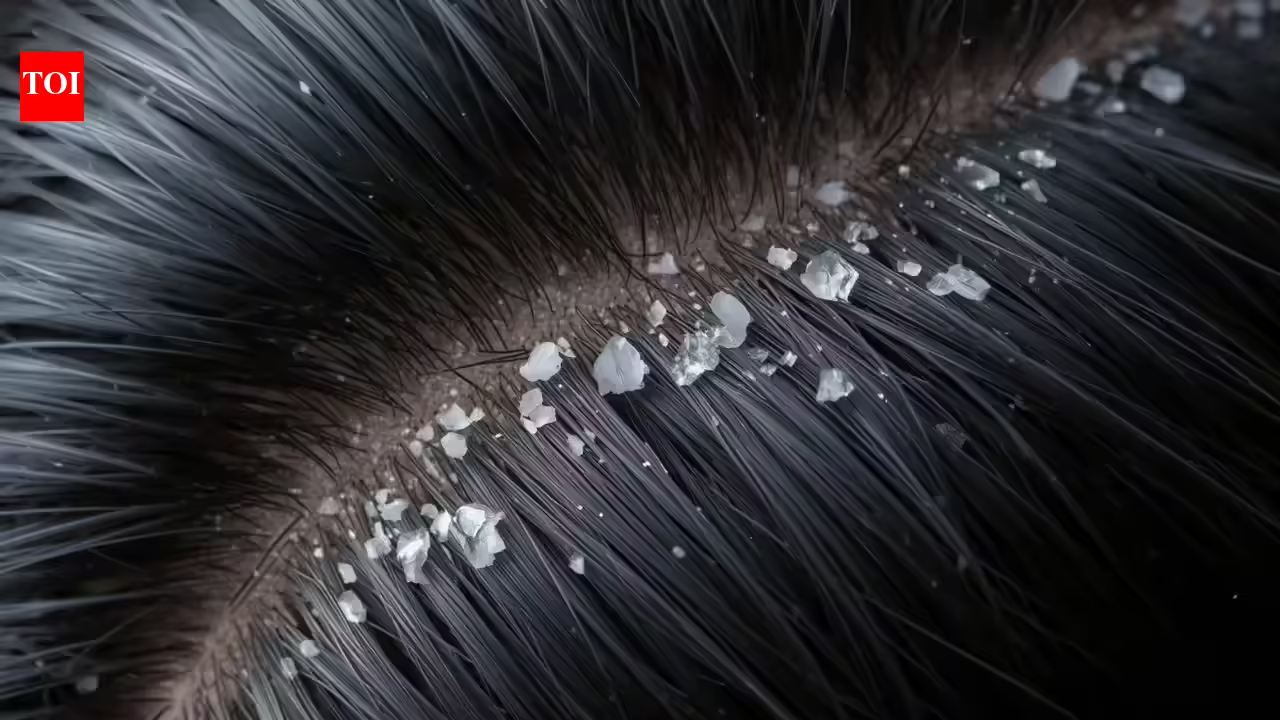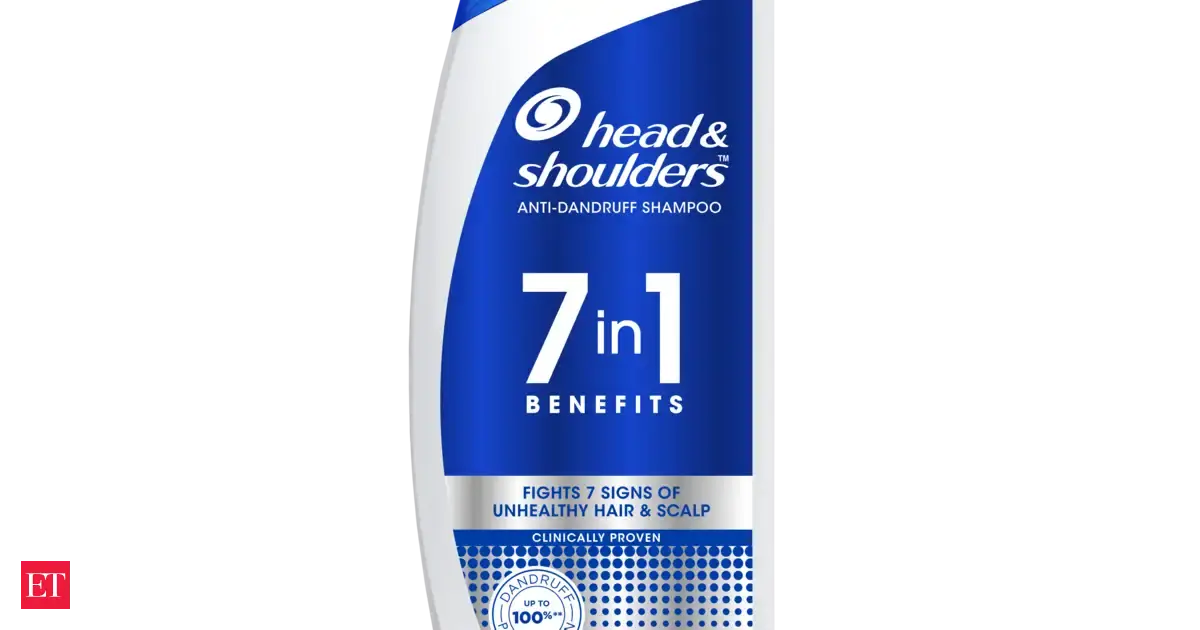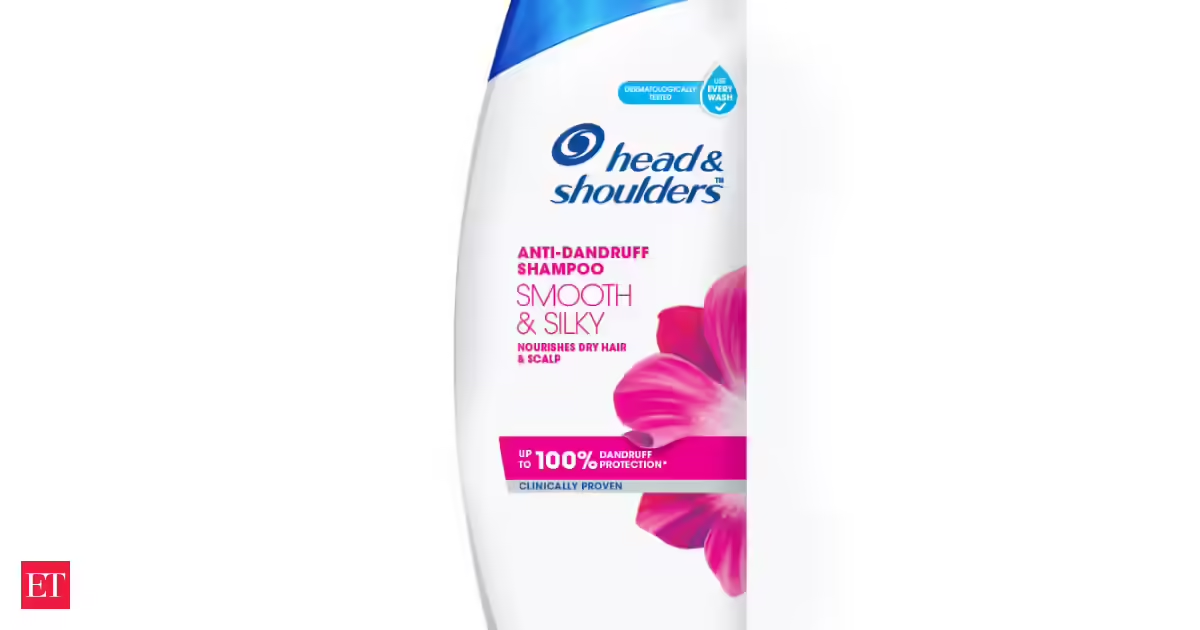
Most people think of haircare as something that happens to the hair itself. The right shampoo for shine, the right serum for frizz, the right oil for growth. These things have their place, but they're all working on the hair shaft, not on the environment it grows from.The scalp is the soil in which every strand of hair is rooted. And just like plants grown in poor soil tend to be weaker, thinner, and less resilient, hair that grows from an unhealthy scalp is at a disadvantage from the start.When the scalp is irritated, flaky, or out of balance, it affects more than comfort. Inflammation from scalp conditions can weaken the follicle's grip on the root. Micro-cracks that form in a disrupted scalp barrier leave the scalp more vulnerable and hair more prone to breakage and fall. A consistently neglected scalp is, in a quiet way, undermining everything else in your haircare routine.That's why scalp care is the first step.What a healthy scalp looks likeA healthy scalp is not too oily, not too dry, not itchy, and not irritated. It has a stable microbiome, which is a community of naturally occurring microorganisms, including a yeast called Malassezia globosa, that live on everyone's scalp. When this ecosystem is in balance, the scalp functions well: oils are produced at the right rate, skin cells shed normally (invisibly), and hair grows from a strong, well-nourished follicle.When the balance is disrupted by sweat, heat, excess oil, pollution, stress, or infrequent cleansing, the system starts to break down. Malassezia globosa, which normally exists in harmony with the scalp, can become overactive. It feeds on scalp oils and produces by-products that irritate the scalp barrier, trigger inflammation, and speed up skin cell turnover. The result: visible flaking, itching, redness, and in the longer term, hair that feels weaker and less healthy.The good news is that a balanced scalp is achievable with the right care, and it makes a visible difference to your hair.Common scalp issuesUnderstanding what's happening on your scalp is the first step to addressing it effectively. Here are the most common scalp presentations and how they affect hair health:A normal scalp: Balanced oil production, no persistent itching or flaking, and hair that feels healthy and manageable. This is the goal. Maintaining it requires consistent cleansing with the right products and avoiding habits that disrupt scalp balance (like infrequent washing, heavy product buildup, or keeping the scalp covered in humid conditions for long periods).A dry scalp: Feels rough, sometimes flaky, and can be itchy. The flakes tend to be fine and white, easily mistaken for dandruff (though the two can overlap). A dry scalp often signals that the scalp barrier is compromised either by over-washing, harsh shampoos, weather, or underlying sensitivity. When the scalp barrier is disrupted, hair follicles can become more vulnerable to damage, and hair may feel brittle or prone to breakage.ET SpotlightIt's worth noting that even a dry scalp can have underlying Malassezia activity. The idea that dandruff is purely a 'dry skin' problem is a common misconception. Persistent flaking, regardless of how oily or dry the scalp feels, is often linked to naturally present yeast activity and needs targeted anti-dandruff care, not just moisture.An itchy scalp: Often the first signal that something is off. Itch is actually a pre-dandruff indicator: the scalp is responding to irritation before visible flakes appear. Persistent scratching damages hair at the follicle level, before it even fully emerges from the scalp, which can affect both the strength and appearance of new hair growth. Addressing itches early rather than waiting for flakes to develop is recommended as a good scalp care strategy.Why most shampoos aren’t enoughRegular shampoos are designed primarily to cleanse the hair shaft. They remove surface oil, dirt, and product residue, but they're not formulated to treat the scalp at a biological level. They don't address the yeast activity that causes dandruff nor help in restoring the scalp microbiome. They don't help close micro-cracks in the scalp barrier or reduce the inflammation that comes from a disrupted scalp environment. This is why people who use regular shampoos consistently can still experience persistent flaking, itching, and scalp imbalance.What makes an anti-dandruff shampoo different is the inclusion of clinically proven active ingredients. The most effective of these is Piroctone Olamine (PO), which works by targeting Malassezia globosa directly, penetrating up to five layers deep into the scalp to address the root cause of dandruff, not just its visible symptoms. With consistent use, it helps restore scalp balance, reduce flaking and itchiness, and support a healthier environment for hair to grow from.Building a scalp-first routineShifting to scalp-first haircare doesn't require overhauling your entire routine. It starts with using the right shampoo consistently.When it comes to anti-dandruff care, Head & Shoulders is one of the trusted shampoo brands. Head & Shoulders is specifically formulated to work at the scalp level, not just on the surface of the hair. Two variants worth knowing about:Head & Shoulders Smooth & Silky is ideal for those with a normal to dry scalp who also want visible hair benefits. It combines anti-dandruff action with conditioning care, leaving hair smoother, softer, and easier to manage while treating the scalp with Piroctone Olamine to prevent flakes and itching from returning.Head & Shoulders Deep Cleanse Anti-Dandruff Shampoo is formulated for deeper scalp cleansing, particularly suited for those dealing with buildup, excess oil, or oily sticky dandruff. With oxygenated charcoal and Piroctone Olamine working together, it absorbs excess oil and residue while targeting the fungal root cause, for a clean, balanced scalp that lasts.Both are suitable for regular use and work best when used two to three times a week, which is the kind of consistency that keeps dandruff from coming back.Beyond the right shampoo, a few straightforward habits go a long way in maintaining a healthy scalp:Wash your hair after sweating heavily. Sweat left on the scalp creates an environment that encourages Malassezia overgrowthKeep helmets, caps, and hair accessories clean, and avoid trapping moisture on the scalp for long periodsAvoid tying wet hair before it's completely dryDon't over-wash (which can strip the scalp's natural oils and disrupt balance) your hairShampoo your scalp smoothly and gently instead of rubbing it roughlyLook for Piroctone Olamine on your shampoo label. It's the ingredient that tells you the product is actually treating the scalp, not just cleaning the hair.To wrap upYour hair's health is, in large part, a reflection of your scalp's health. No conditioner, serum, or oil can fully compensate for a scalp that's irritated, imbalanced, or dealing with active dandruff.Starting your haircare routine with the right anti-dandruff shampoo, one that treats the scalp, not just the hair, is the most effective first step you can take; along with being consistent with its use. Everything else in your routine works better from that foundation.
Healthy hair starts with a healthy scalp: Why scalp care should be your first haircare step
We spend a lot of time thinking about our hair: the right conditioner, the right oil, the right treatment. But the thing that actually determines how your hair looks and grows? It starts at the scalp, and most haircare routines skip straight past it.
1,153 words~5 min read