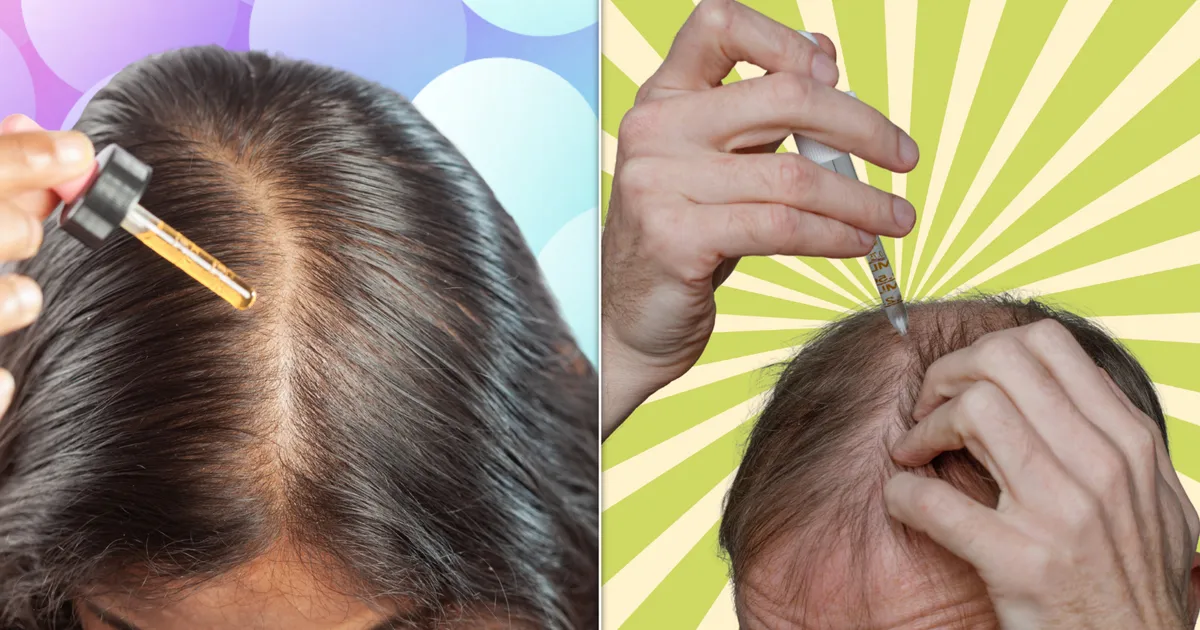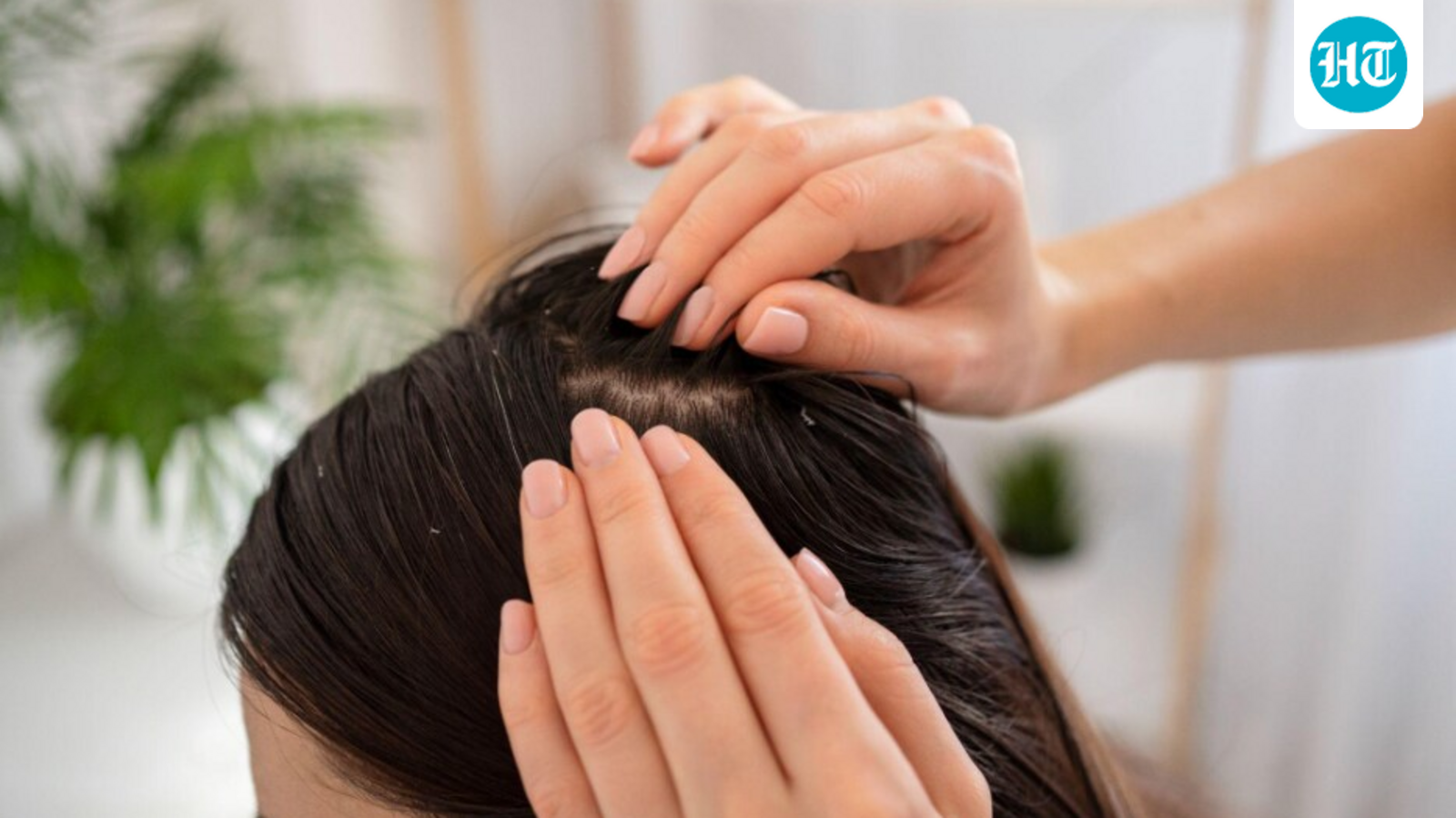
Most people reach for a bottle of minoxidil or a hair-thickening shampoo the moment they notice their hair thinning. It feels like the logical thing to do — you see a problem, you apply a solution. But hair loss is rarely that straightforward, and starting a topical treatment before understanding what's actually driving the shedding can waste months of time and money, and may sometimes make things worse.Using topical treatments like minoxidil without understanding the root cause can delay effective intervention and may worsen the condition.Hair loss is a symptom, not a conditionThis is the part most people miss. Hair loss — whether it's a widening parting, a receding hairline, or clumps coming out in the shower — is often the visible result of something happening deeper in the body or at the root level. It could be hormonal imbalance, nutritional deficiency, scalp inflammation, chronic stress, autoimmune activity, or genetic sensitivity to DHT. Each of these causes looks slightly different, progresses differently, and responds to different kinds of treatment.When a topical treatment is applied without knowing the root cause, the visible symptom is being treated while the underlying issue remains unaddressed. The hair might respond a little, or not at all, and in the meantime, the underlying cause may continue doing damage.What topical treatments can and cannot doTopical treatments work at the scalp level. They can stimulate blood flow, create a better environment for hair follicles, or block certain hormones locally. Some of them may be effective — but only in specific types of hair loss.Take minoxidil as an example. Understanding how minoxidil for hair growth actually works helps explain why it isn't a universal solution. It works by prolonging the growth phase of the hair cycle and increasing blood supply to follicles. This mechanism is helpful in androgenetic alopecia — the kind driven by genetics and DHT sensitivity. But if hair loss is caused by iron deficiency, thyroid dysfunction, or telogen effluvium triggered by stress, minoxidil has limited benefit in addressing the underlying cause. It doesn't fix hormones. It doesn't replenish iron. It doesn't calm an overactive immune response.Applying the wrong treatment doesn't just fail — it can delay the right intervention.The different types of hair loss and why they matterHair loss broadly falls into a few categories, and identifying the underlying type of hair loss can influence how treatment should be approached.Androgenetic alopecia follows a pattern — temples and crown in men, central parting widening in women — and is driven by genetics and androgensTelogen effluvium is diffuse shedding triggered by a physical or emotional stressor, usually appearing two to three months after the eventAlopecia areata involves patchy loss and is an autoimmune condition where the body attacks its own folliclesNutritional deficiency-related loss tends to be diffuse and often comes with other symptoms like fatigue or brittle nailsScalp conditions like seborrheic dermatitis or scalp psoriasis can also cause significant shedding that may improve only when the scalp is treatedEach of these requires a different protocol. Treating telogen effluvium with DHT blockers, for instance, may not address the underlying cause. And treating androgenetic alopecia with just a biotin supplement may not slow the progression.Why a diagnosis should come firstA proper hair loss diagnosis typically involves looking at the pattern of loss, duration, lifestyle factors, and sometimes blood work to check for thyroid levels, ferritin, vitamin D, and hormonal markers. A dermatologist can do a scalp examination and in some cases a trichoscopy to see what's happening at the follicle level.This information can help determine whether internal correction — nutrition, hormonal support, stress management — or external treatment, or a combination of both, may be appropriate. It also helps indicate how urgent the situation is and what kind of timeline to realistically expect.Skipping this step is like taking an antibiotic for a viral fever. The intention is right, but the medicine simply doesn't match the problem.Finding a starting pointFor individuals unsure where to begin, starting with a structured hair assessment that looks at multiple factors may be more useful than buying a product based on an ad. Platforms like Traya offer a Traya free hair test that assesses hair loss pattern, lifestyle, health history, and scalp condition to help identify the likely cause before a treatment is recommended.This kind of root-cause approach may help reduce trial and error and focus attention on treatment options that are more relevant to the underlying cause.Final ThoughtsHair loss is personal, and the path to managing it is rarely one-size-fits-all. A treatment that worked for a colleague or appeared in a sponsored post may have limited relevance to another individual's underlying cause of hair loss. Before starting any topical solution, understanding the underlying cause of hair loss can help guide treatment decisions. The diagnosis isn't necessarily an extra step — it can be the first step. Everything that comes after it may become more effective when it's built on a clear understanding of what's actually going wrong.Note to the Reader: This article is part of Hindustan Times' promotional consumer connect initiative and is independently created by the brand. Hindustan Times assumes no editorial responsibility for the content.
Understanding why diagnosing hair loss before starting topical treatment matters
Hair loss often stems from underlying issues like hormonal imbalances or nutritional deficiencies. A proper diagnosis is crucial for effective treatment.
852 words~4 min read