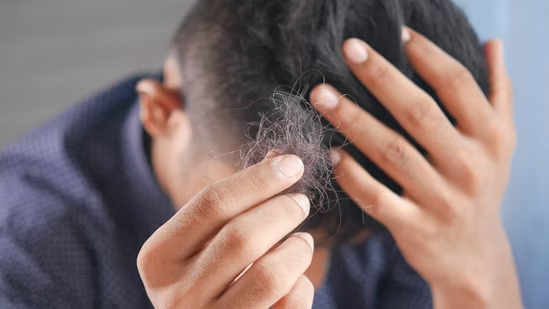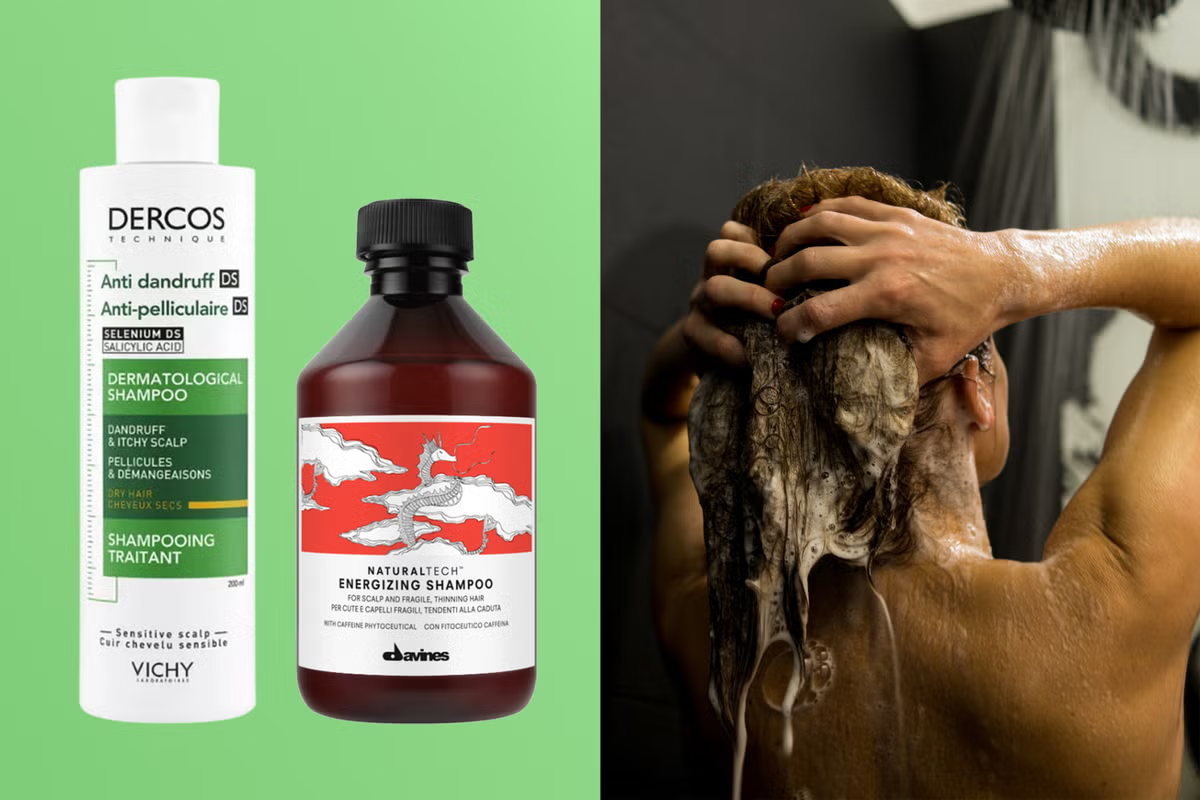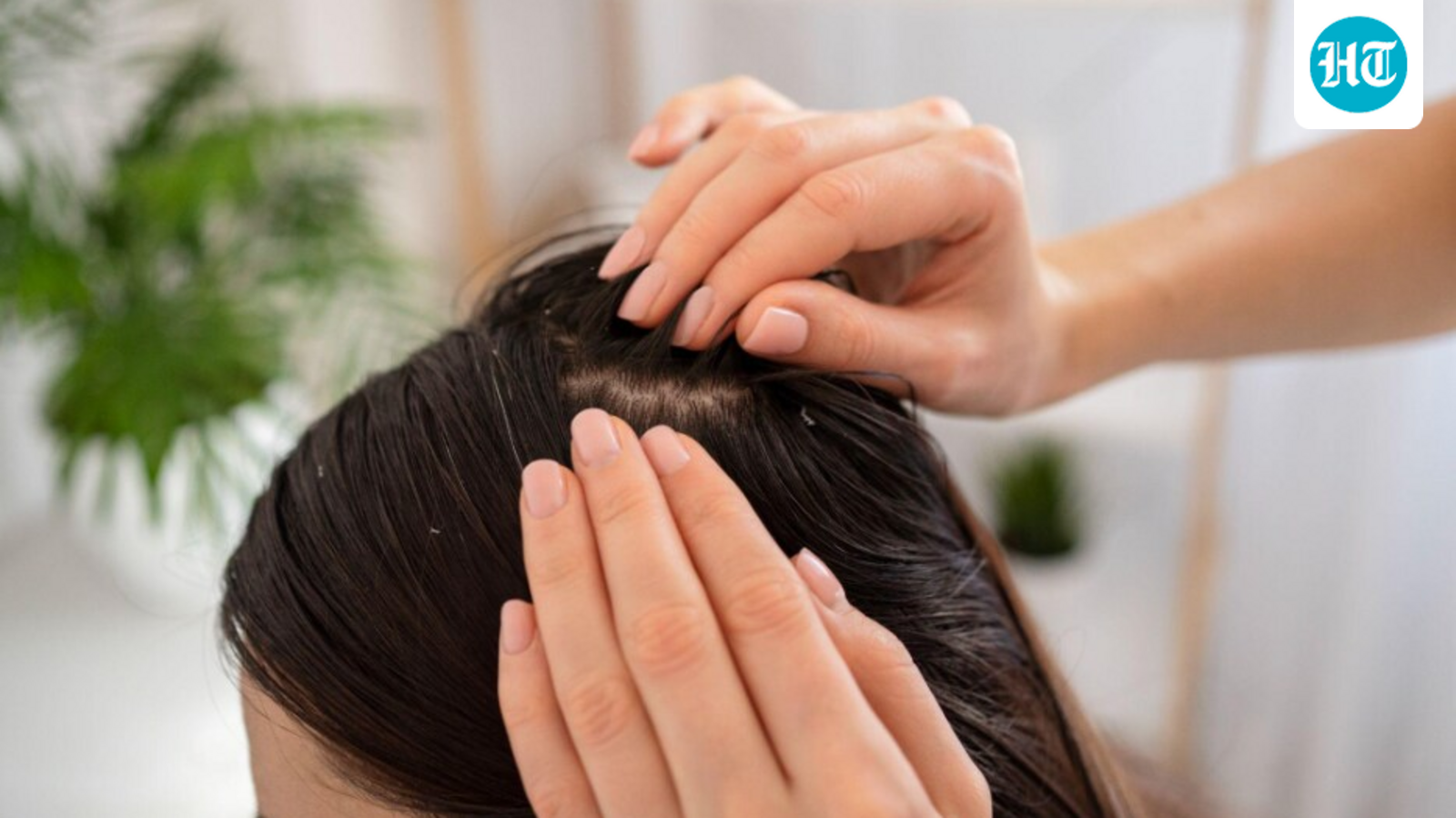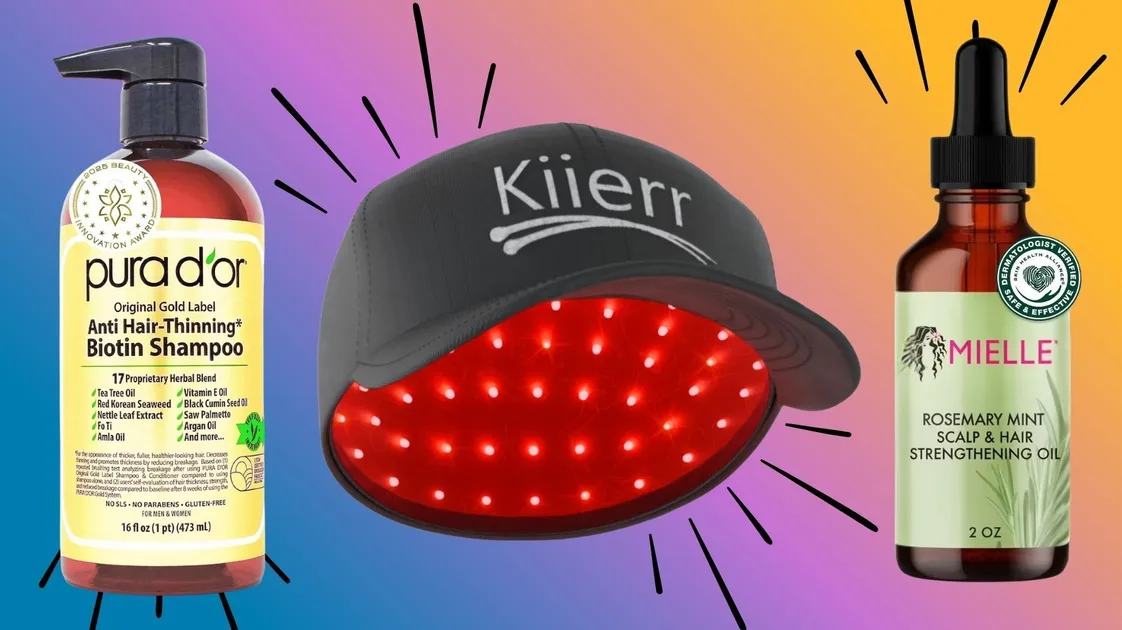
From stress to genetics, hair transplant surgeons explain when thinning hair needs medical treatment and when simple hair care can help. Thinning hair usually shows up before anything else, making folks take another look at how they care for it. A broader part, less fullness, or edges pulling back might feel worrying. But here’s the thing, fixing it doesn’t always mean seeing a doctor. In an interview with HT Lifestyle, Dr Mayank Singh, celebrity hair transplant surgeon and founder of Crown, reveals how to know whether you need treatment or simply a healthier hair care routine.How to tell the difference between hair fall and hair thinning and what to do next. (Pexel)Also read | Understanding why diagnosing hair loss before starting topical treatment mattersReasons behind hair fall and thinningAccording to Dr Mayank, hair sheds too much when people go through tough times - like sickness, sudden dieting, poor eating habits, shifts in hormones, or some drugs. That shift pushes extra strands into dormancy during their natural rhythm. Follicles stay alive, though, so regrowth happens after fixing what started it.Eating better food, topping up missing nutrients, calming nerves down, and treating the head skin softly tends to help things turn around. (Pexel)He highlighted that eating better food, topping up missing nutrients, calming nerves down, and treating the head skin softly tends to help things turn around. Yet, when shedding keeps going, runs in families, lasts past three months, chances are higher it's inherited balding - a pattern linked to genes seen widely among half of males at fifty plus plenty of females as they age.Do hair care products work on hair thinning?In today’s world of social media, people often consider having already used several serums, pills, chewable vitamins, pricey shampoos, none of it guided by a proper medical check. Some beauty products pack ingredients like plant extracts, caffeine, rosemary oil, synthetic growth factors, or small proteins called peptides. “Not every solution works the same; around half might help slow down hair loss and make strands look better,” said Dr Mayank.Dr Mayank highlighted that most products fail to wake up inactive hair roots, even when studied carefully. Popularity does not equal results across individuals. “Only if tests show a true biotin shortage might those tablets make a difference - but such cases are uncommon,” added Dr Mayank. Usually, thinning hair doesn’t grow fuller using these products. In some cases, using them might mess up lab test results instead.Which hair treatment to consider?Dr Mayank highlighted that one option gaining attention is low-level laser therapy, which works best alongside standard options like minoxidil. Though not a standalone fix, red-light tools approved by the FDA may slightly boost hair count over time.One option gaining attention is low-level laser therapy, which works best alongside standard options like minoxidil. (Unsplash)Platelet-rich plasma shows real potential too, especially for people just starting to lose hair, highlighted Dr Mayank. Results differ widely based on how often it's done and who receives it. Newer ideas like exosome injections or stem cells sound exciting, yet still sit outside regular care due to limited proof. Research continues, but right now they're not ready for everyday practice.When hair follicles stop working for good, new growth stops too - transplants might help then. Surgery brings back what's gone, yet won’t protect nearby strands still at risk. “Starting early makes more difference than copying popular fixes online. If roots remain strong and shedding has a short-term reason, better routines often work well enough,” said Dr Mayank. Genetic loss changes the game - acting fast with medicine gives you the upper hand in keeping natural hair longer.Note to readers: This article is for informational purposes only and not a substitute for professional medical advice. Always seek the advice of your doctor with any questions about a medical condition.Anukriti Srivastava thrives at the intersection of words and voice, where journalism meets storytelling. A digital editor and journalist with over 5 years of experience, she has written across lifestyle, women issues, relationships, entertainment, fashion, and travel. She did her Masters in Broadcast Journalism and has published more than 500+ lifestyle content pieces across platforms.
Hair loss or hair thinning? Surgeon explains how to tell the difference and what to do next
From stress to genetics, hair transplant surgeons explain when thinning hair needs medical treatment and when simple hair care can help. | Health
881 words~4 min read