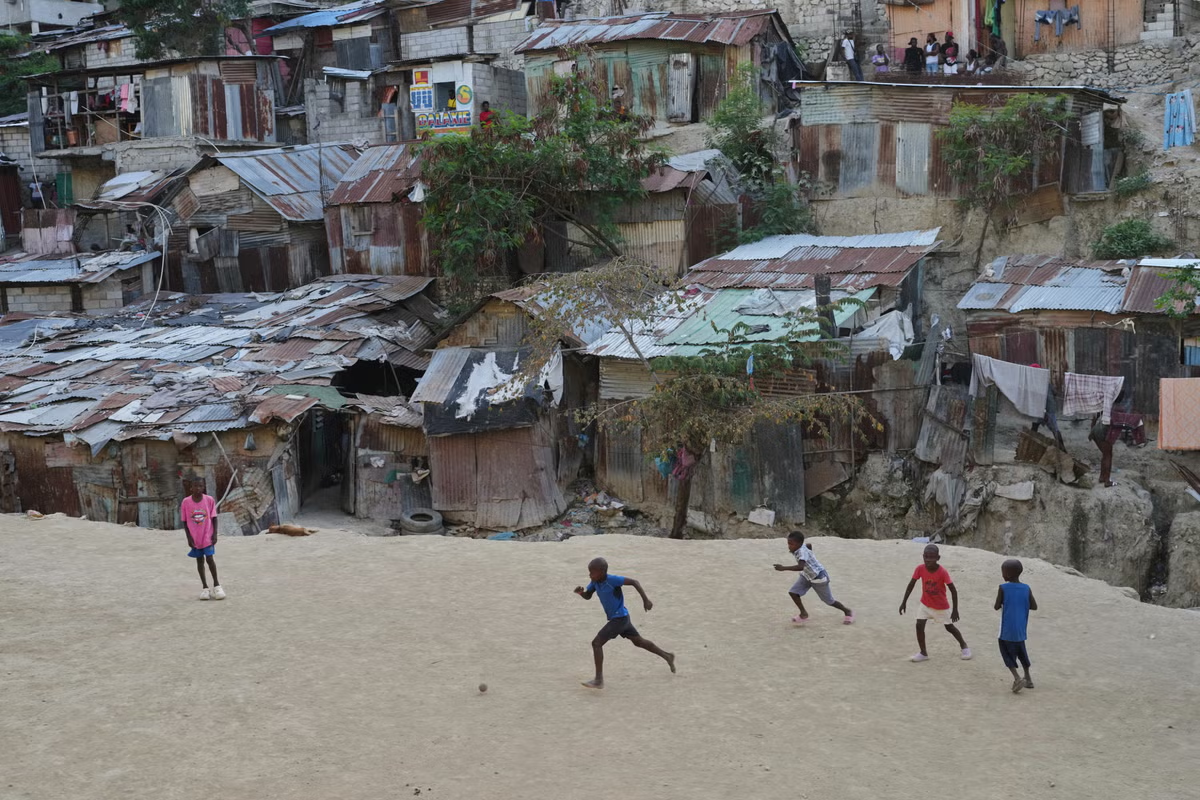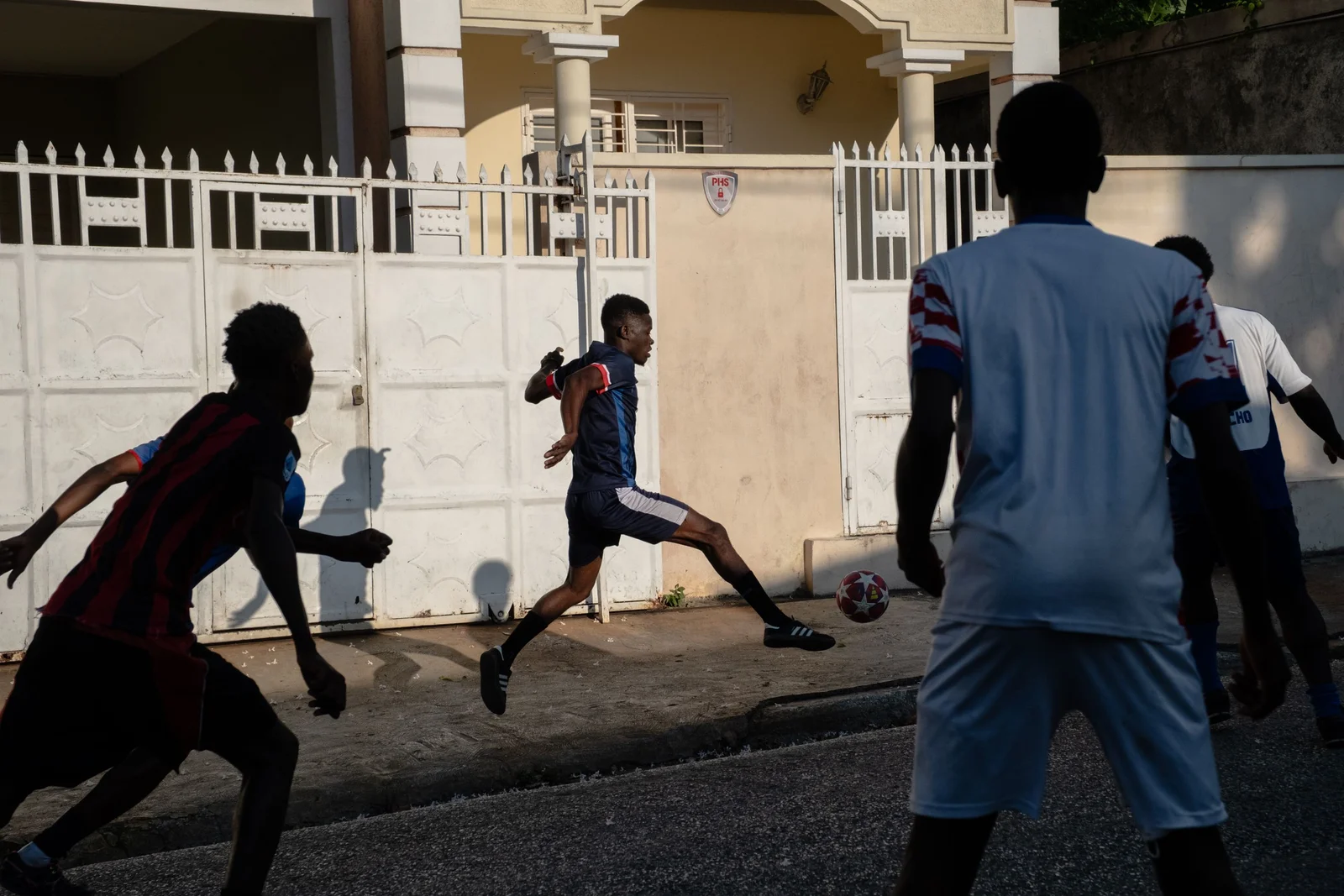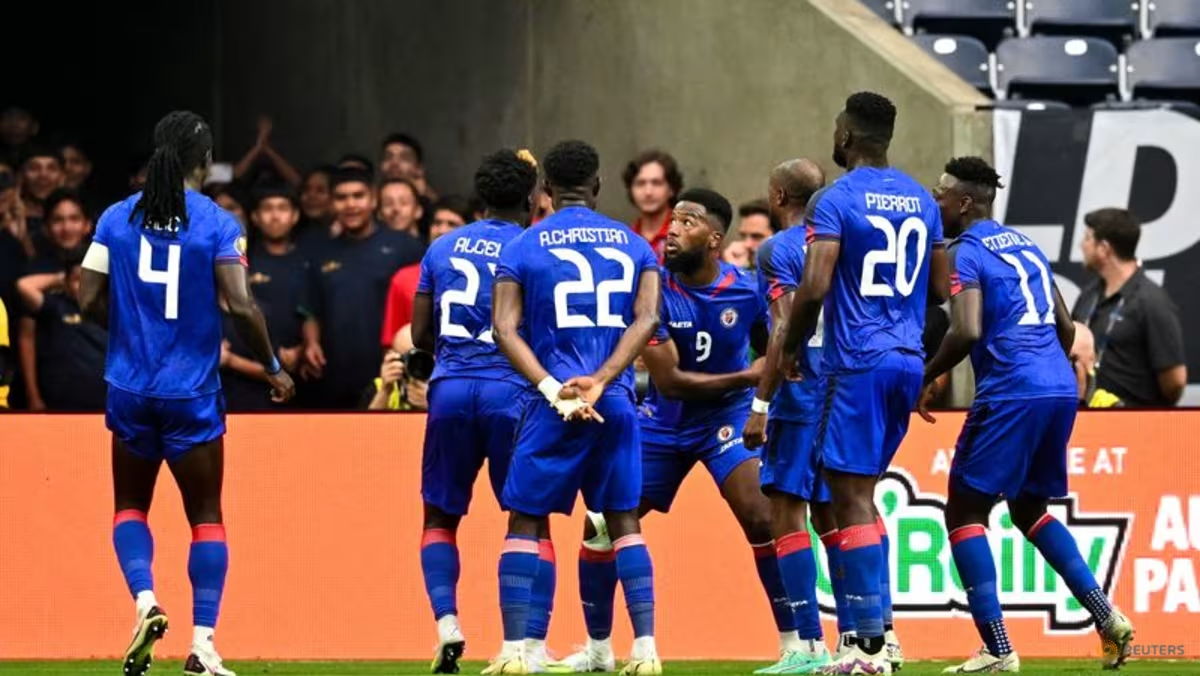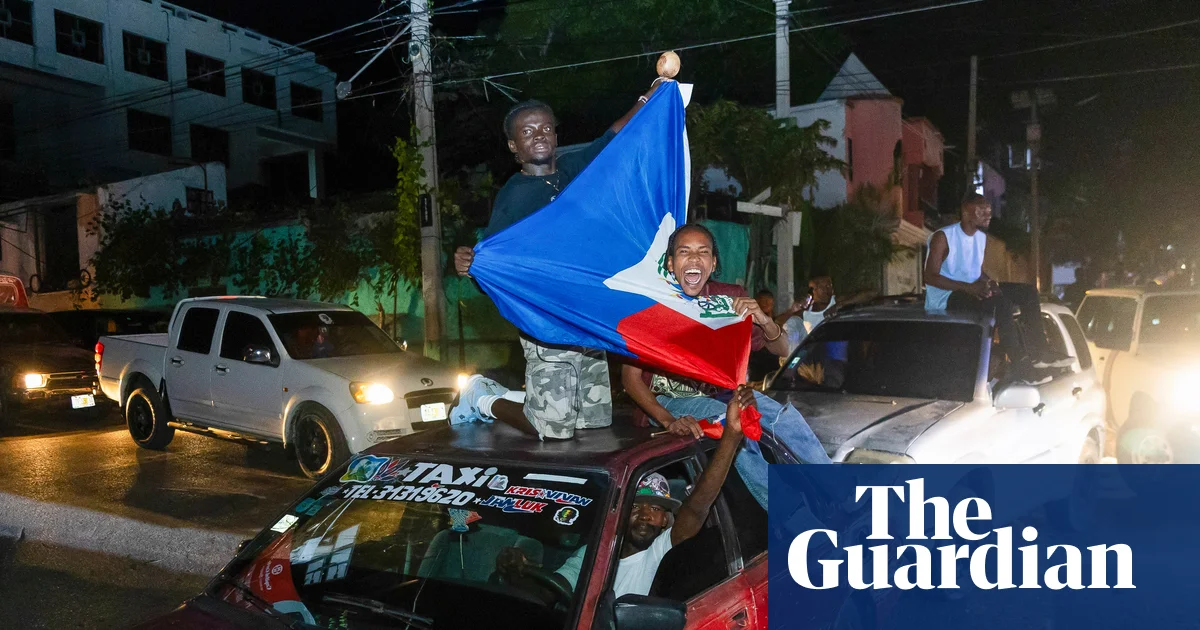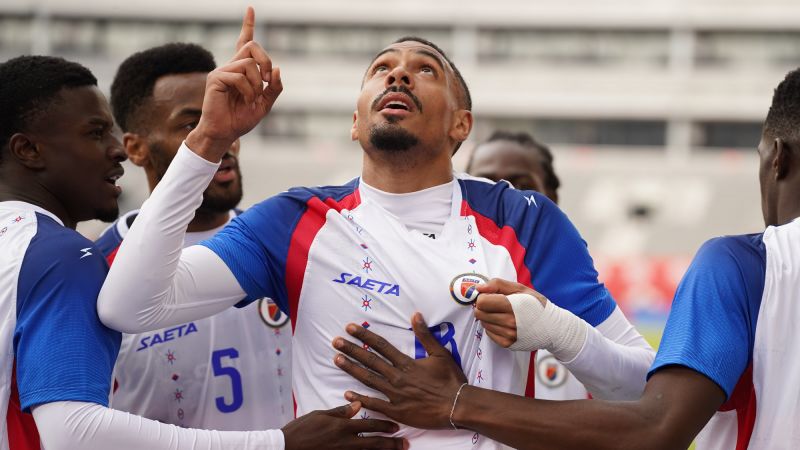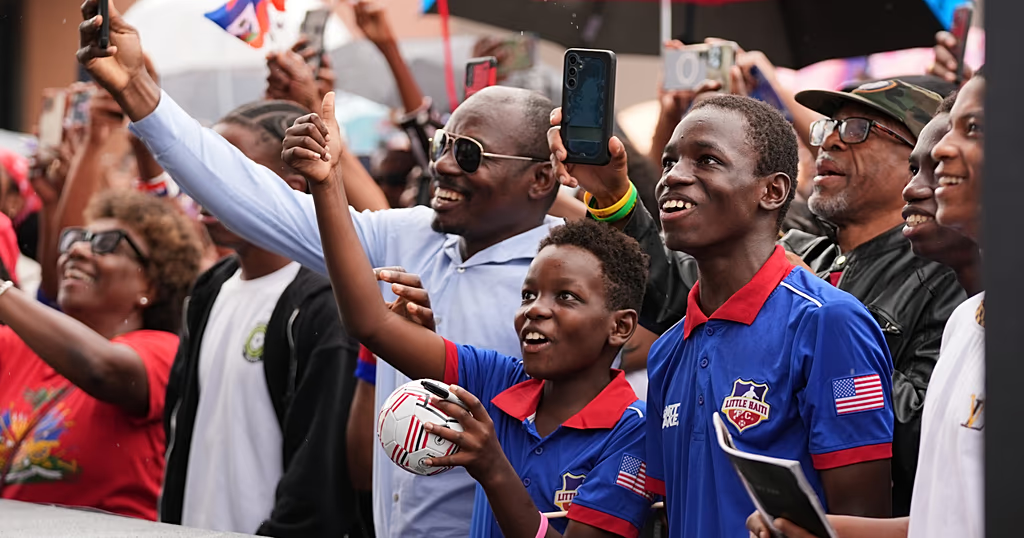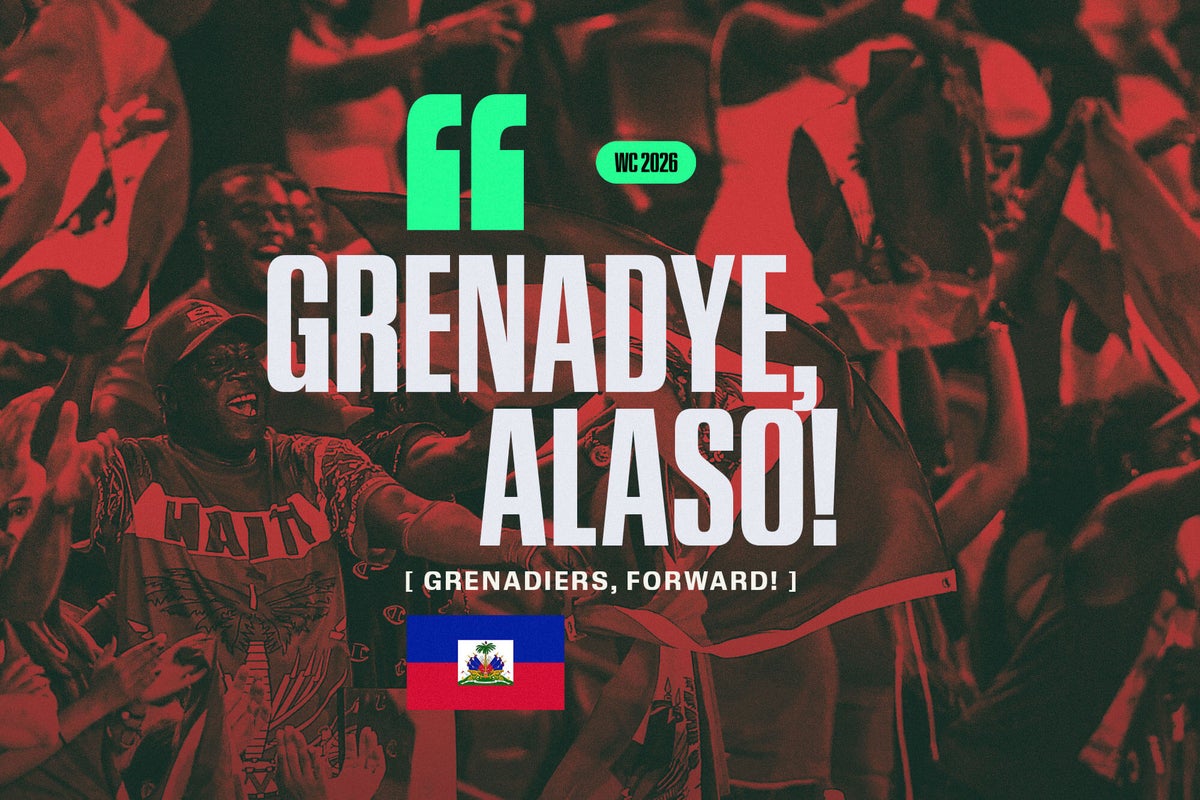
As part of our Language of Soccer World Cup series, The Athletic is speaking to supporters of all 48 nations competing at the 2026 edition to capture their unique football culture, distilled into a single phrase. You can read the articles in one place here.Grenadye, alaso! – Grenadiers, forward!Haitians tend to have a saying for almost everything, many of which relate to moments in the country’s history in which they have found a way to fight back or stand together in the face of difficulty.Nou la toujou. We are still here.Tout moun se moun. Every person is a person.Nou se wozo, nou pliye nou pa kase. We are like a reed. We bend, we do not break.It is why the rallying cry around the national team — Grenadye, alaso!, which means, in Haitian Creole, “Grenadiers, forward!” — feels more fitting than ever before.Due to turmoil and gang violence in the country, Haiti’s path to its first World Cup appearance since 1974 came without one single home qualifier. Yet, the island nation pushed its way through the Concacaf process, finishing top of a group featuring recent qualifiers Costa Rica and Honduras.“When you look at different crises that have happened over the years, people constantly are reminding everyone of the ancestors and what they fought for,” says Marlene Daut, award-winning author and professor of French and African Diaspora Studies at Yale University. “Because that is the hope. That the Haiti they wanted to create can still exist.”Fans in Port-au-Prince celebrate Haiti qualifying for the 2026 World Cup (Clarens Siffroy/AFP via Getty Images)For many fans, the qualifying run — and the national team in general — have become something around which the country and its people can rally. It begins with the passion for the sport itself.“We’re passionate about football, we live it,” says Jimmy Ozias, a Boston-based fan. “Growing up in Haiti, when there was a (national team) game, people would stop working to watch.”Haiti fans support their team at the Women’s World Cup in 2023 (Aitor Alcalde – FIFA via Getty Images)It is because the team has become, like in many countries, a symbol of unity for an entire nation.“Supporting the national team is more than football,” says Jude Bernard, a longtime fan who lives in Florida but travels for many of Haiti’s games. “For me, it’s about identity. It’s about pride and hope for the country. There’s so much turmoil in Haiti, and just the fact we have those players competing for us, representing the country… to me, it’s more than football.”Gang violence has caused chaos and danger in Haiti in recent years. Gangs are estimated to control 80 to 90 per cent of the Haitian capital city of Port-au-Prince, including the national stadium, forcing Haiti to play its ‘home’ games in nearby Curacao. Some players on Haiti’s national team have not yet been able to set foot in the country they represent as a result.That the national team was able to navigate such a difficult path spoke to a people defined by their ability to unite in the face of the most difficult circumstances.
Haiti are a team around which its defiant fans can rally: ‘Grenadiers, forward!’
As part of a special World Cup series, The Athletic is speaking to fans of all 48 competing nations to capture their unique football culture
TL;DRAI
Questo articolo non è rilevante per Warptech Tech News. È una storia sportiva sulla nazionale di calcio haitiana e sulla cultura calcistica, senza contenuti tech, AI, business o economia che interessino manager IT, CTO e responsabili di innovation italiani. Hai condiviso l'articolo per errore, o lo vuoi riassumere comunque per un'altro scopo?
1,214 words~6 min read