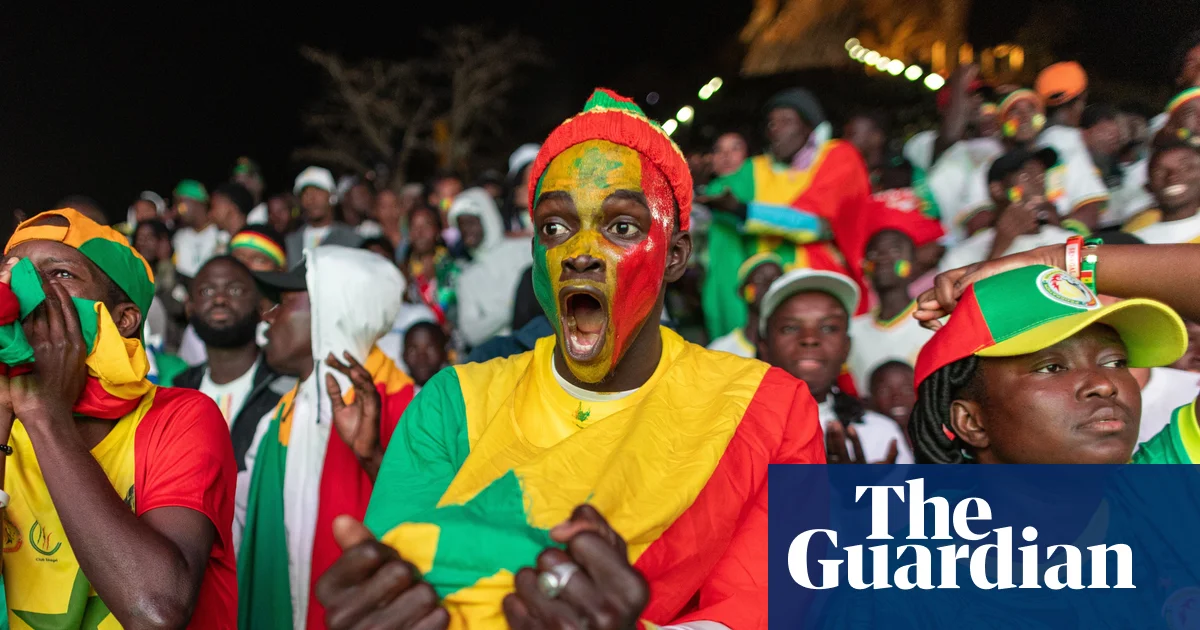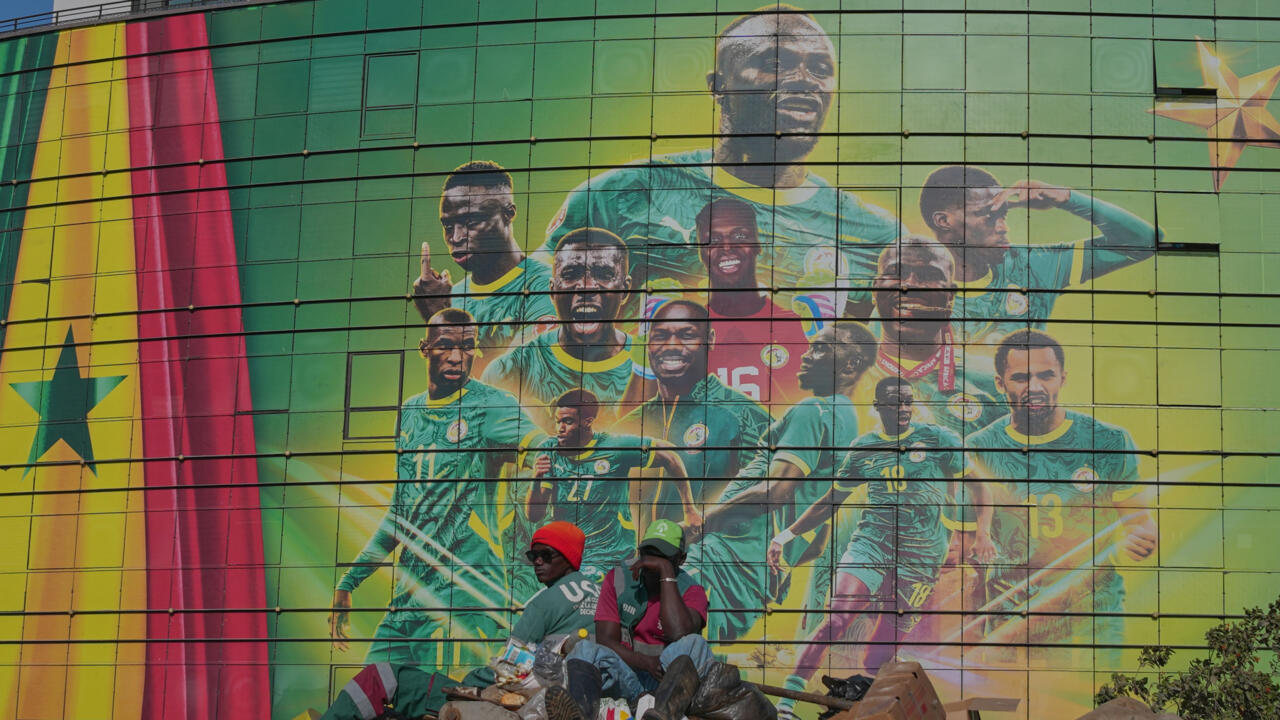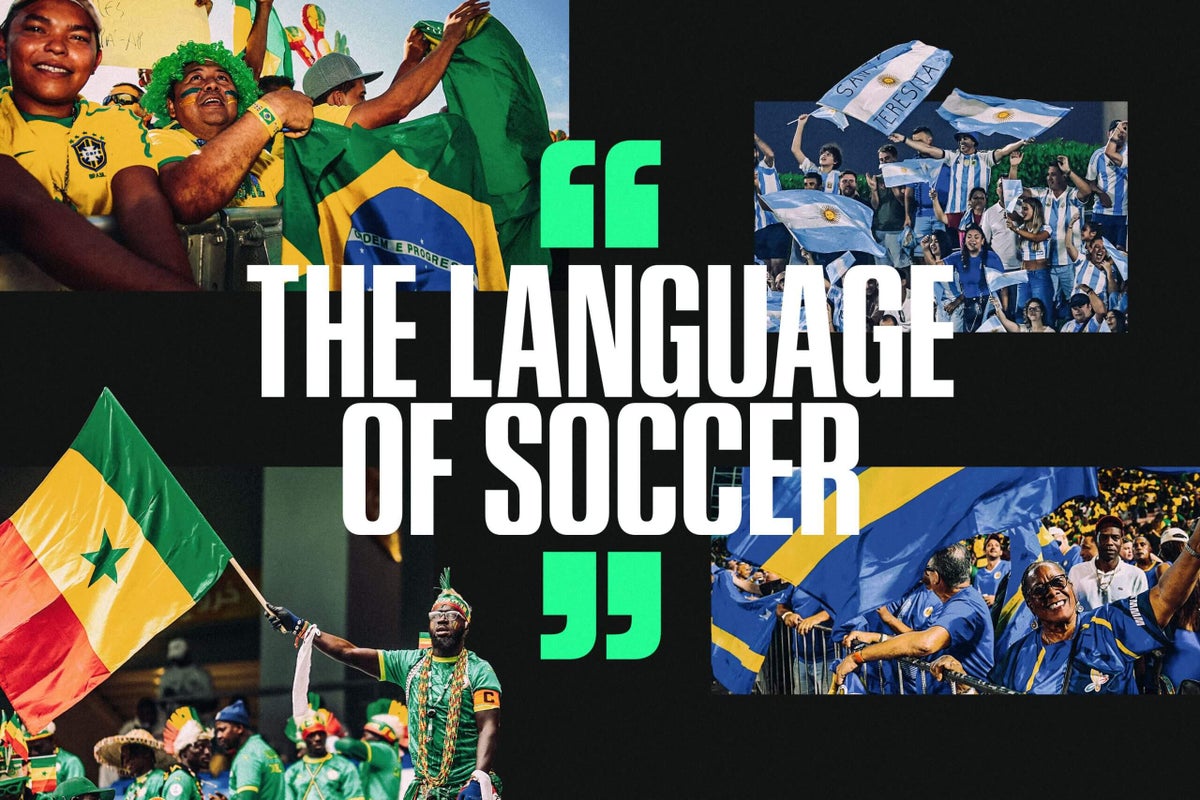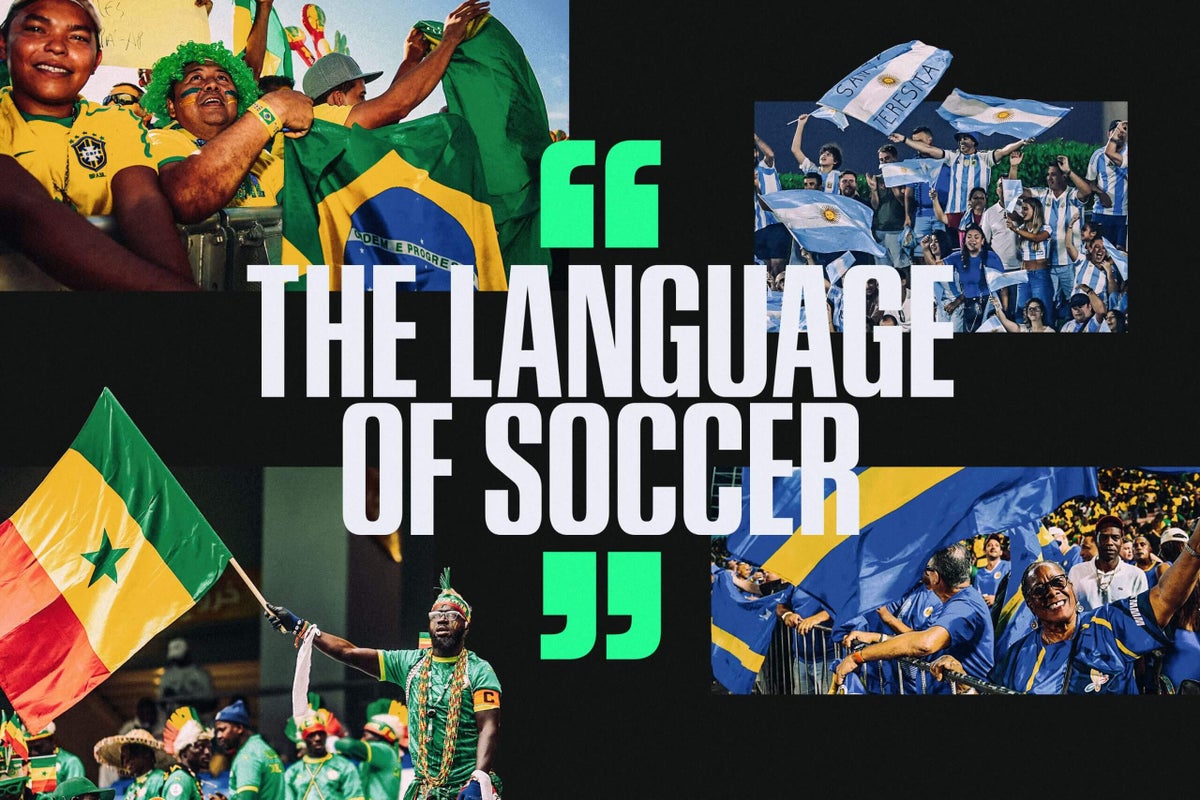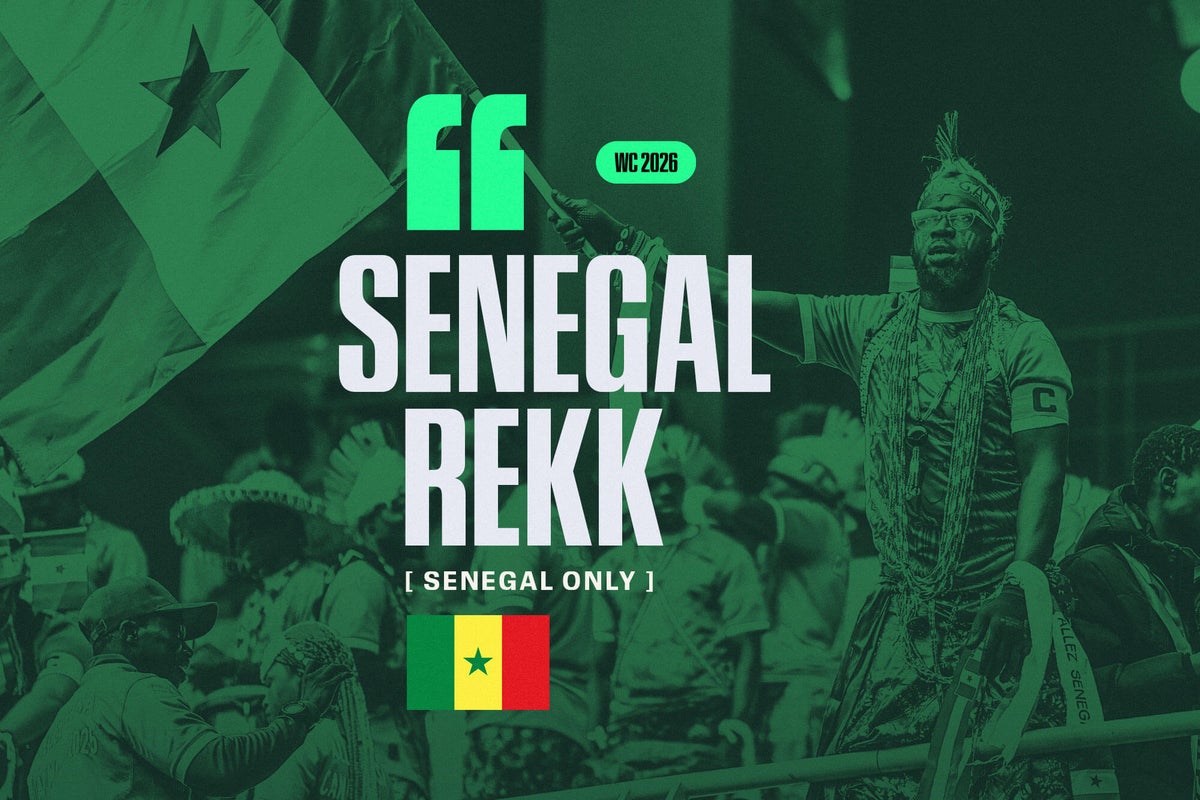
As part of our Language of Soccer World Cup series, The Athletic is speaking to supporters of all 48 nations competing at the 2026 edition to capture their unique football culture, distilled into a single phrase. You can read the articles in one place here.“Senegal Rekk” — Senegal OnlySenegal’s footballing history might be brief, but it is proud and passionate.The West African country’s first international match came against Benin a year after gaining independence from France, on New Year’s Eve 1961. Senegal’s first World Cup tournament came as recently as 2002, when they played in the opening game against the French, who were the reigning world champions.There, they won 1-0 thanks to the late Papa Bouba Diop’s goal in a match rich in geopolitical connotations, en route to the quarter-finals — a stage only four African teams have ever reached.A gifted new generation has helped Senegal make it to three of the past four Africa Cup of Nations (AFCON) finals and climb to 14th in FIFA’s world rankings.Yet the unifying theme among fans — men, women, young and old — is that, despite the sport’s relative youth, it is tightly woven into the fabric of the country.“Football is in our DNA,” says supporter Boubou Sow, 36. “When you are born in Senegal, the first thing you do is play football. In cities or on beaches… everyone loves it.”Fellow fan Abdoul Ahad Dia says: “When the Senegalese national team plays, everything stops. Schools, banks, everything.“Here, it’s the drug of the people.”The team’s nickname, Les Lions de la Teranga (the Lions of Teranga), helps explain the unique footballing culture of Senegal, a sprawling nation with about 18 million inhabitants and covering around 76,000 square miles.Teranga, or teraanga, means hospitality and kindness in Wolof, the most widely spoken language in the country.As The Athletic’s Tamerra Griffin explains, a warm welcome is “the bedrock of Senegal’s national identity, evident in the way foreigners are cared for”.Mimi Sonko, 36, from the Allez Casa fan group, says: “When you come to Senegal, you really like it, you integrate quickly. Even if you’re from abroad, you feel like you’re from Senegal, feel even more at home than in your home country.”Hospitality is not typically associated with a lion (mbarodi in the Pulaar language) and Dia summarises the dichotomy between a lion’s power, balanced against the sportsmanship with which the players try to compete.“The lion is king of the jungle, king of the savannah. But… it’s not worth being king of somewhere without a certain hospitality.”Senegal’s national team are known as the Lions of Teranga (Issam Zerrok/Hans Lucas for AFP via Getty)Yet while the spirit of teranga is alive and well, it wasn’t the phrase Senegal fans said best represents being a fan of their country.That honour fell to “Senegal rekk” — combining the country’s name with the Wolof word for ‘only’.“It’s our famous phrase,” explains Simon Ndiaye, 35, another Dakarois from the capital. “It has the sense of ‘Senegal first’, ‘Only Senegal’, or ‘Power to Senegal’. It’s our slogan.” Supporters have rallied around the phrase, which reflects a “unifying culture bringing together Senegalese people from all walks of life, all religions and persuasions”, says Dia, 37.Fan Ngonei Ba, 29, adds: “Adults, kids… everyone loves football. People are so passionate about football here, honestly. The country lives and breathes it every day.”The ‘Seven Letters’ help lead the dancing in the stands (Abdel Majid Bziouat for AFP via Getty)Though that passion in the stands is omnipresent regardless of whether Senegal are winning or losing, it helps that their national team are so strong these days.Senegal beat Morocco (eighth in FIFA’s rankings), on the pitch at least, in January’s AFCON final, became the first African country to beat England (placed fourth by FIFA) last June and defeated Brazil (sixth) in 2023.This crop is a tantalising mixture of experience and youth, just like the 2002 squad.The spine of the team provides that experience: goalkeeper Edouard Mendy and centre-back Kalidou Koulibaly, both 34, once played for Chelsea and captain Koulibaly has made 103 international appearances.Midfielder Idrissa Gana Gueye, 36, has played a record 131 times for Senegal, while star forward Sadio Mane, 33, has a record 53 goals for his nation. The latter, who scored 120 goals and won the Premier League and Champions League with Liverpool, is adored by Senegalese fans.“Mane has so much longevity, character, and love for Senegal,” says Ba, from coastal north-western city Saint-Louis. “He’s the best Senegalese player ever. We have never had a player of his level. Mane has taken the Senegal shirt around the world.”Dakar-based Dia, part of the Ultra 221 fan group alongside Ndiaye and Sow, agrees: “He left his home village (Bambali), started with nothing, from zero to hero. “He has won everything, he really loves the team and vice versa. A model of self-sacrifice and success.”But the kids are alright, too, and several up-and-comers are name-checked as ones to watch.Chelsea defender Mamadou Sarr, 20, stepped in superbly for an injured Koulibaly in the AFCON final. Midfielder Lamine Camara, 22, has been excelling for French side Monaco, and 19-year-old Idrissa Gueye (no relation to his older near-namesake) is a talent as well, though this tournament has come too soon for him.But the brightest prospect might be Paris Saint-Germain’s Ibrahim Mbaye, 18, who impressed in becoming Senegal’s youngest goalscorer during the 2025 AFCON. “You can tell Mbaye has great potential,” says Dia. “He could become the next Sadio Mane. Every time he has played, he has gone above and beyond what we expected.”The Senegal players won’t be the only ones enlivening this summer’s World Cup. New York/New Jersey and Toronto, the host cities for their three Group I fixtures, should prepare for colour, noise and spirit they’ve never experienced before.Fans draped in the country’s tricolour flag two-step, dance and jive — led tirelessly by the body-paint-sporting ‘Seven Letters’ — to the constant drumming. They really are Le 12eme Gainde (The 12th Lion), alongside the 11 on the pitch.
In Senegal, the national team is ‘the drug of the people’. They will bring joy and noise to this World Cup
As part of a special World Cup series, The Athletic is speaking to fans of all 48 competing nations to capture their unique football culture
1,597 words~7 min read